
Common Foot Injuries in Athletes
Ankle Sprains
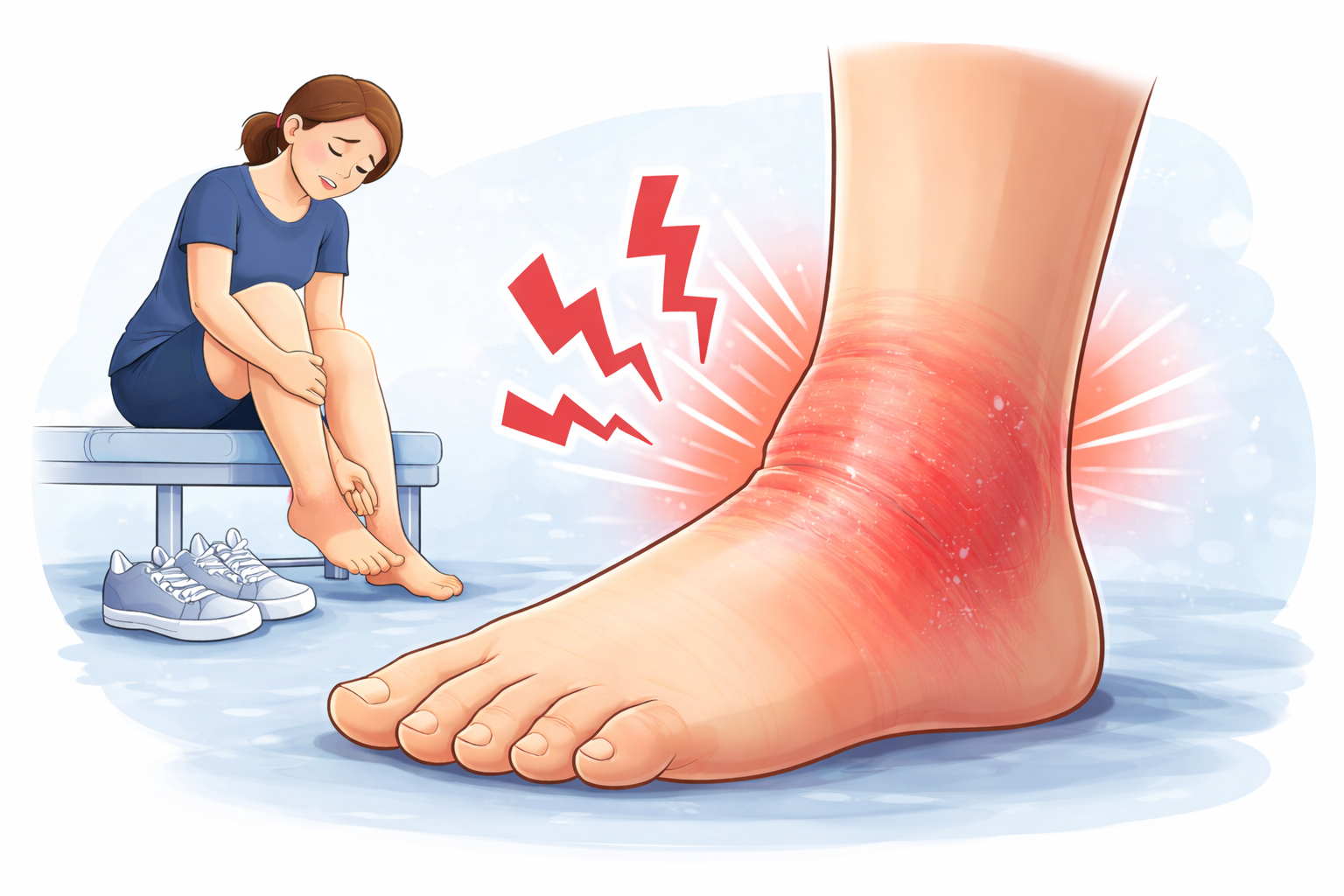
Ankle sprains are the most prevalent sports injuries, comprising approximately 85% of all ankle injuries. They occur when the foot lands awkwardly or twists unexpectedly, stretching or tearing the ligaments that stabilize the ankle. While minor sprains may cause only slight discomfort and swelling, severe sprains can result in significant pain, making walking impossible. Without proper treatment, recurrent sprains can lead to chronic instability and increase the risk of future injuries.
Plantar Fasciitis
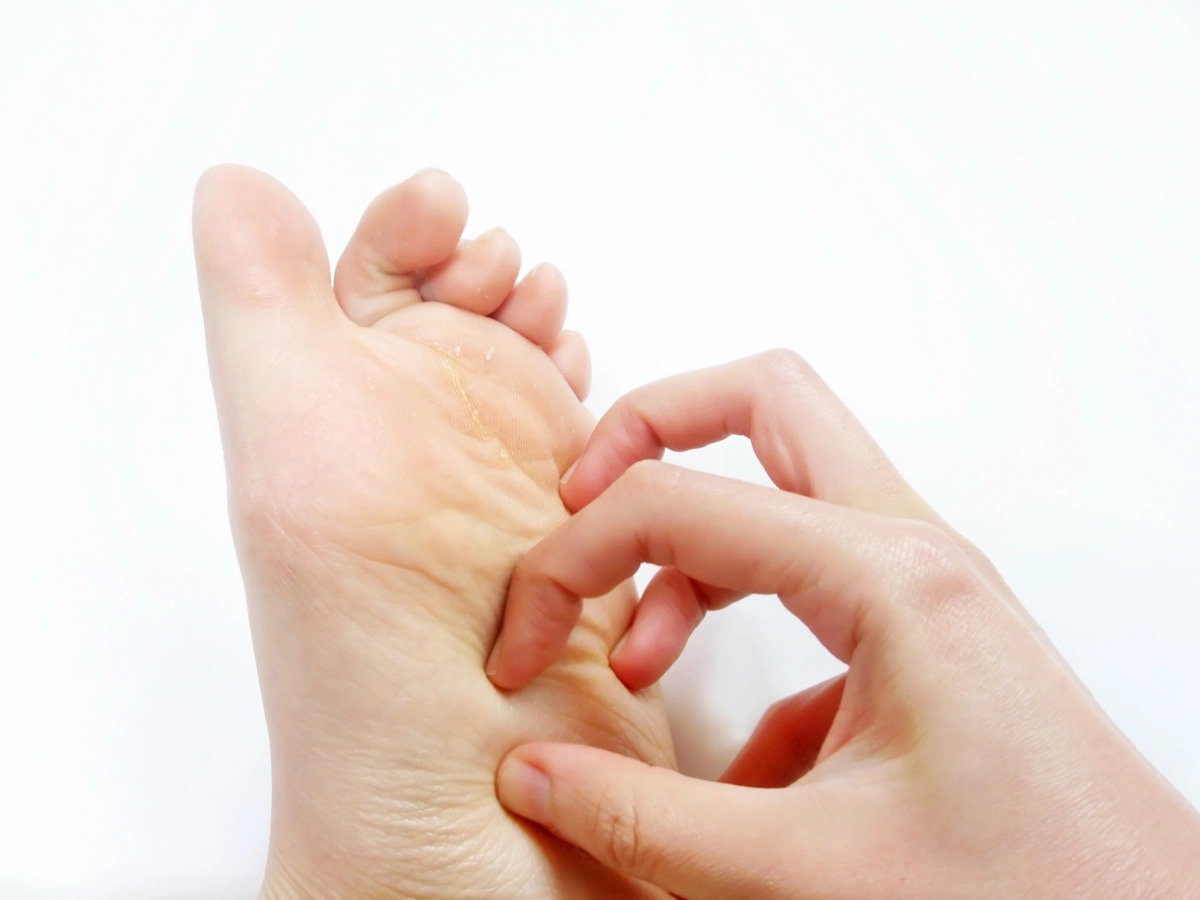
Plantar fasciitis is a leading cause of heel pain among athletes, especially long-distance runners. Affecting about 10% of runners at some point in their careers, this condition arises when the plantar fascia—a thick band of tissue running from the heel to the toes—becomes inflamed. The resulting stabbing pain is often felt with the first steps in the morning or after prolonged periods of inactivity, making it challenging for athletes to perform.
Stress Fractures
According to a study published in the Journal of Orthopaedic Surgery and Research, stress fractures account for 1.5% to 15.6% of all sports injuries. These tiny cracks in the bone develop due to repetitive force and overuse, often occurring in weight-bearing bones of the foot and lower leg. Symptoms include pain during or after activity, swelling, and tenderness at the fracture site, which can hinder an athlete’s performance.
Achilles Tendinitis
Achilles tendinitis is an overuse injury of the Achilles tendon, connecting the calf muscles to the heel bone. Common among runners who suddenly increase their training intensity or duration, this condition is characterized by dull or sharp pain along the tendon, typically near the heel. A study in the British Journal of Sports Medicine found that Achilles tendinitis accounts for 5-12% of injuries in runners.
Ingrown Toenails
While often overlooked as a sports injury, ingrown toenails are a common issue for athletes. They occur when the corners or sides of a toenail grow into the surrounding skin, often due to improper footwear or grooming. This condition is particularly prevalent in sports that involve frequent stopping and starting, such as soccer and basketball, as constant pressure can aggravate the nails.
Treatment for Foot and Ankle Injuries
Home Remedies
Initial treatments for foot injuries often include the RICE method—rest, ice, compression, and elevation—combined with over-the-counter pain relievers. These measures can help reduce swelling and relieve pain in the early stages of an injury.
Medical Interventions
When home remedies fall short, seeking professional help is crucial. Podiatrists at clinics like Modern Foot & Ankle specialize in diagnosing and treating sports-related injuries, offering tailored treatment plans to aid recovery.
Physiotherapy
Physical therapy can significantly improve mobility, strength, and balance after a foot injury. A trained physiotherapist will guide athletes through tailored exercises designed to restore function and prevent future injuries.
Surgery
In severe cases, surgical intervention may be necessary. This option is typically considered when conservative treatments fail to yield improvement. After a thorough diagnosis and discussion with a medical team, athletes can make informed decisions regarding surgery.
Rehabilitation Process
The rehabilitation process is vital for athletes recovering from foot injuries. It often includes physical therapy, conditioning, and mental health support to ensure a safe return to their sport.

The Impact of Foot Injuries on Athletes
Physical Implications
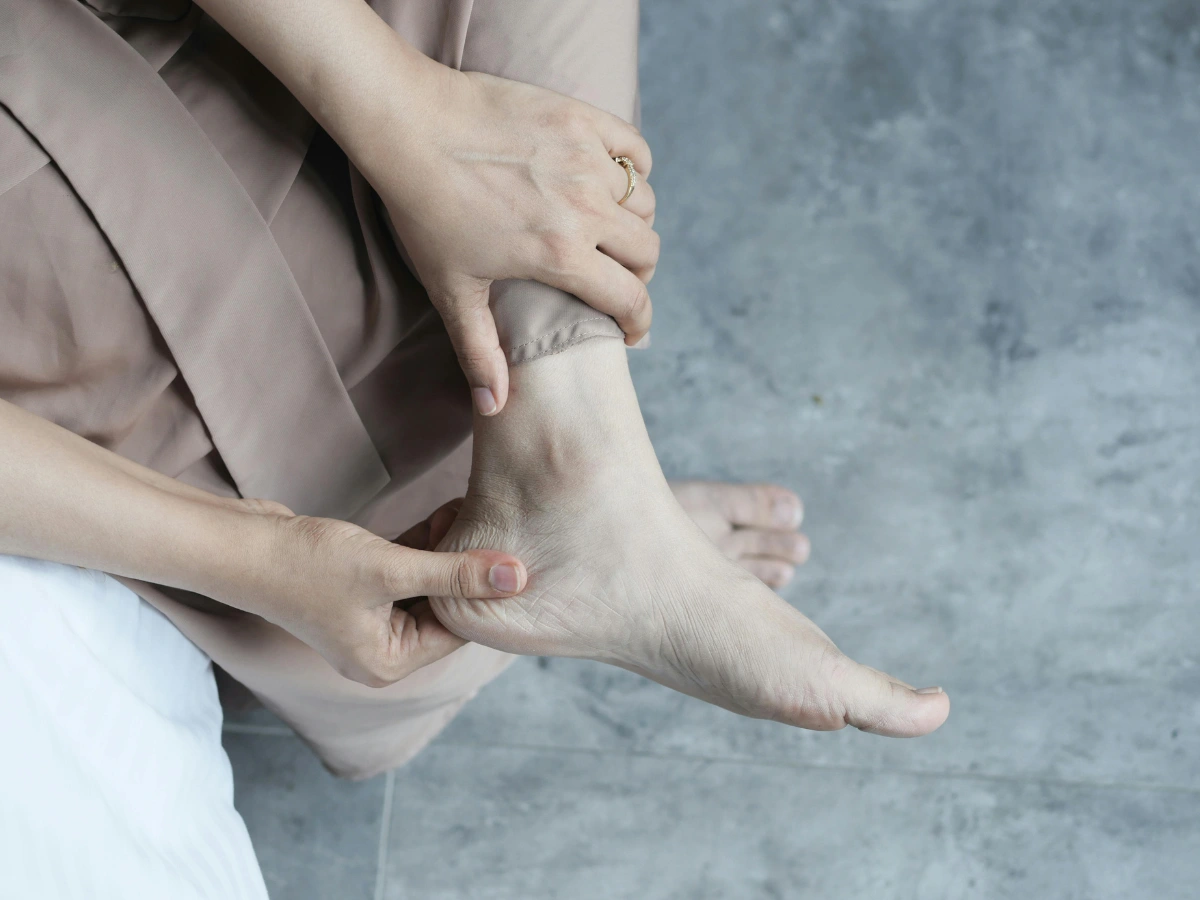
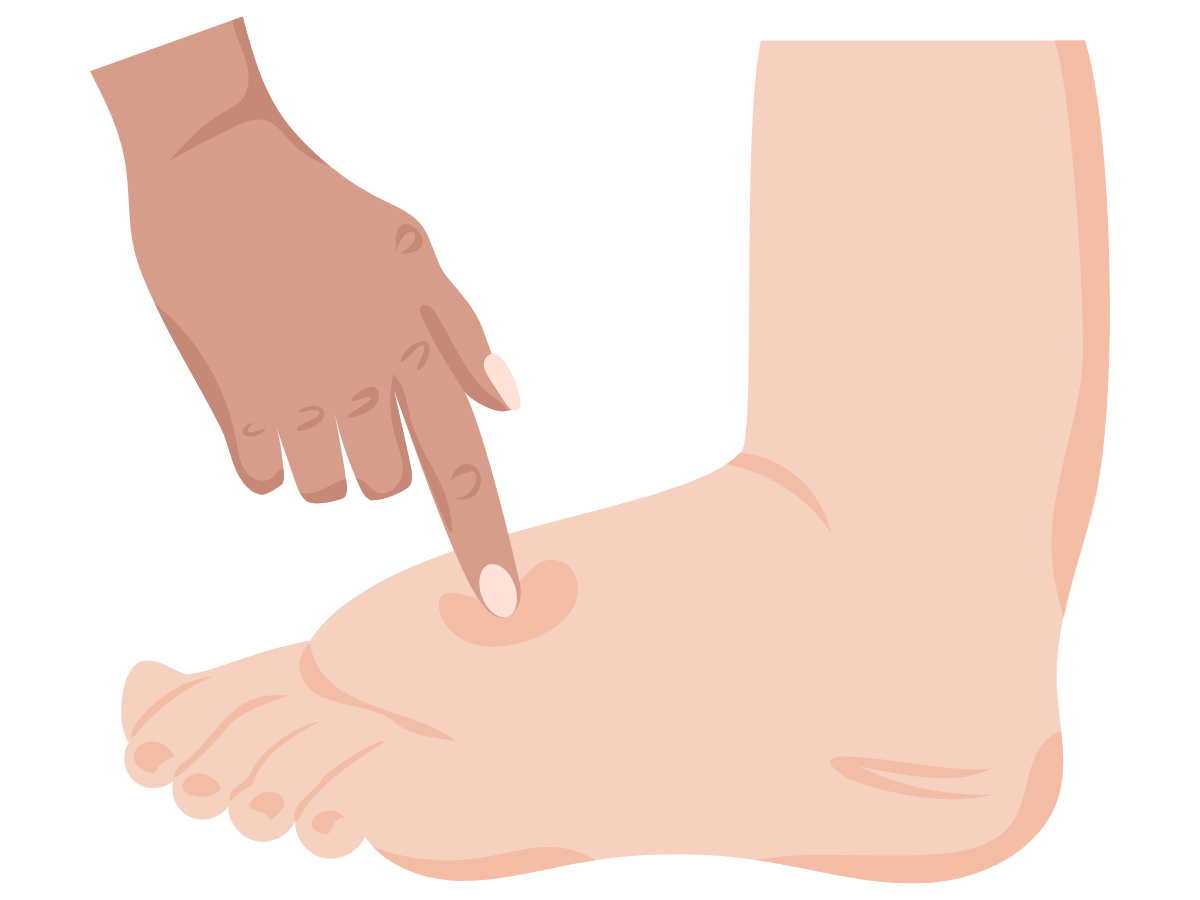
Foot injuries can have immediate and long-term effects on an athlete’s performance. Acute symptoms, such as pain, swelling, and reduced weight-bearing ability, can drastically impact mobility and flexibility. Over time, serious injuries may result in chronic pain, instability, or decreased range of motion, ultimately affecting an athlete’s ability to compete at their best.
Psychological Implications
The psychological impact of being sidelined cannot be overstated. Prolonged absence from a sport can lead to frustration, anxiety, and depression. Athletes may also grapple with identity loss, particularly if their sport was a significant part of their lives. The fear of re-injury can further complicate their return, often diminishing confidence and performance.
Career Implications
For professional athletes, time away from competition can lead to financial loss, diminished sponsorship opportunities, and a drop in skill levels compared to peers. In severe cases, recurring injuries may force athletes into premature retirement, emphasizing the importance of effective injury prevention and treatment.
Tips for Protecting Your Feet from Sports Injuries
Proper Footwear
Investing in quality, sport-specific footwear is crucial. Shoes should provide adequate support, fit comfortably, and be appropriate for the playing surface. Ill-fitting footwear can lead to conditions such as blisters, calluses, and more severe issues like sprains and fractures.
Warm-Up and Cool-Down
Always incorporate warm-up and cool-down routines. Warming up enhances blood flow and flexibility, while cooling down aids recovery and prevents stiffness.
Gradual Progression
Avoid sudden increases in training intensity or duration. Gradually building up your exercise level allows your body to adapt, reducing the risk of overuse injuries.
Strength and Balance Training
Incorporate strength and balance exercises into your routine. Strengthening foot muscles and tendons protects against injuries, while balance training can help prevent falls.
Rest and Recovery
Give your body ample time to recover, especially after intense training sessions. Overworking your feet without adequate rest can lead to stress injuries.
Proper Nutrition and Hydration
Maintain a balanced diet rich in calcium and vitamin D for bone health. Staying hydrated can also help prevent muscle cramps and fatigue.
Listen to Your Body
Pay attention to any pain or discomfort. If you experience pain while exercising, stop and rest to prevent more severe injuries.
Routine Foot Check-Ups
Regular foot examinations can help detect issues before they escalate. Consider regular check-ups with a podiatrist for tailored advice.
Prompt Treatment
Seek prompt treatment for any foot injuries. Early intervention can significantly shorten recovery time and prevent complications.

Common Questions About Common foot injuries in athletes
What Are Common Foot Injuries in Athletes?
Common foot injuries include sprains, strains, fractures, plantar fasciitis, and Achilles tendonitis. Proper care and prevention can minimize these risks.
How Can Athletes Prevent Foot Injuries?
Athletes can prevent foot injuries by wearing appropriate footwear, following proper training techniques, warming up before activities, and seeking professional guidance when needed.
What Treatment Options Are Available for Foot Injuries?
Treatment options vary depending on the injury but may include rest, ice, compression, elevation (RICE), physical therapy, medication, or even surgery in severe cases.
How Long Does Recovery from a Foot Injury Typically Take?
Recovery time depends on the severity and type of injury. Minor injuries may heal in a few days, while more serious ones can take weeks or even months.
Can Continuing to Play with a Foot Injury Cause More Damage?
Yes, playing with a foot injury can exacerbate the problem and lead to more serious damage. It’s essential to seek medical advice and follow recommended treatment plans.
Where Can I Find Professional Help for Foot Injuries?
Professional help can be found at sports medicine clinics, orthopedic specialists, or physical therapists who have experience in treating athletic injuries.