Exercises and Stretches for Flat Feet
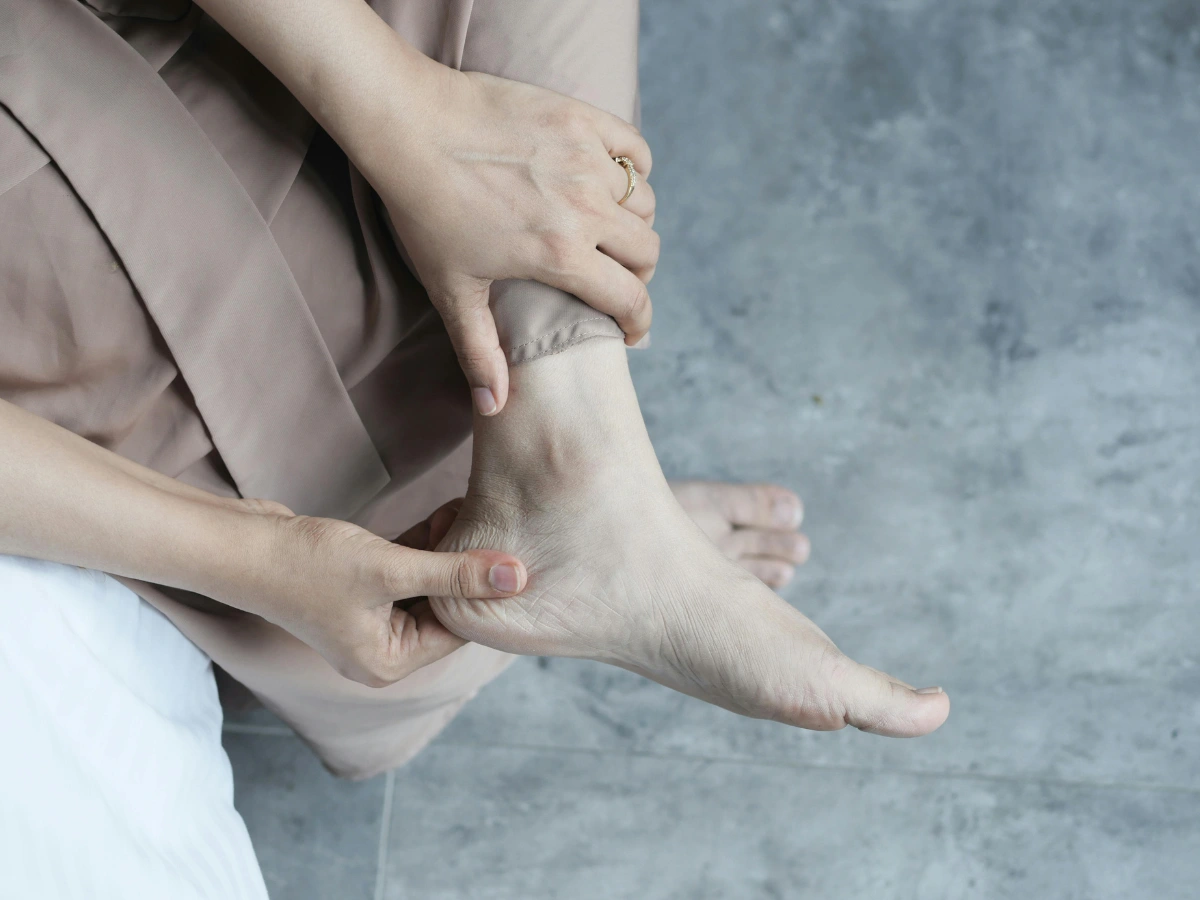
Heel pain is a widespread issue that can affect anyone, especially those leading active lives in coastal areas like Boynton Beach. Among active populations, heel pain is one of the most frequent foot problems encountered.
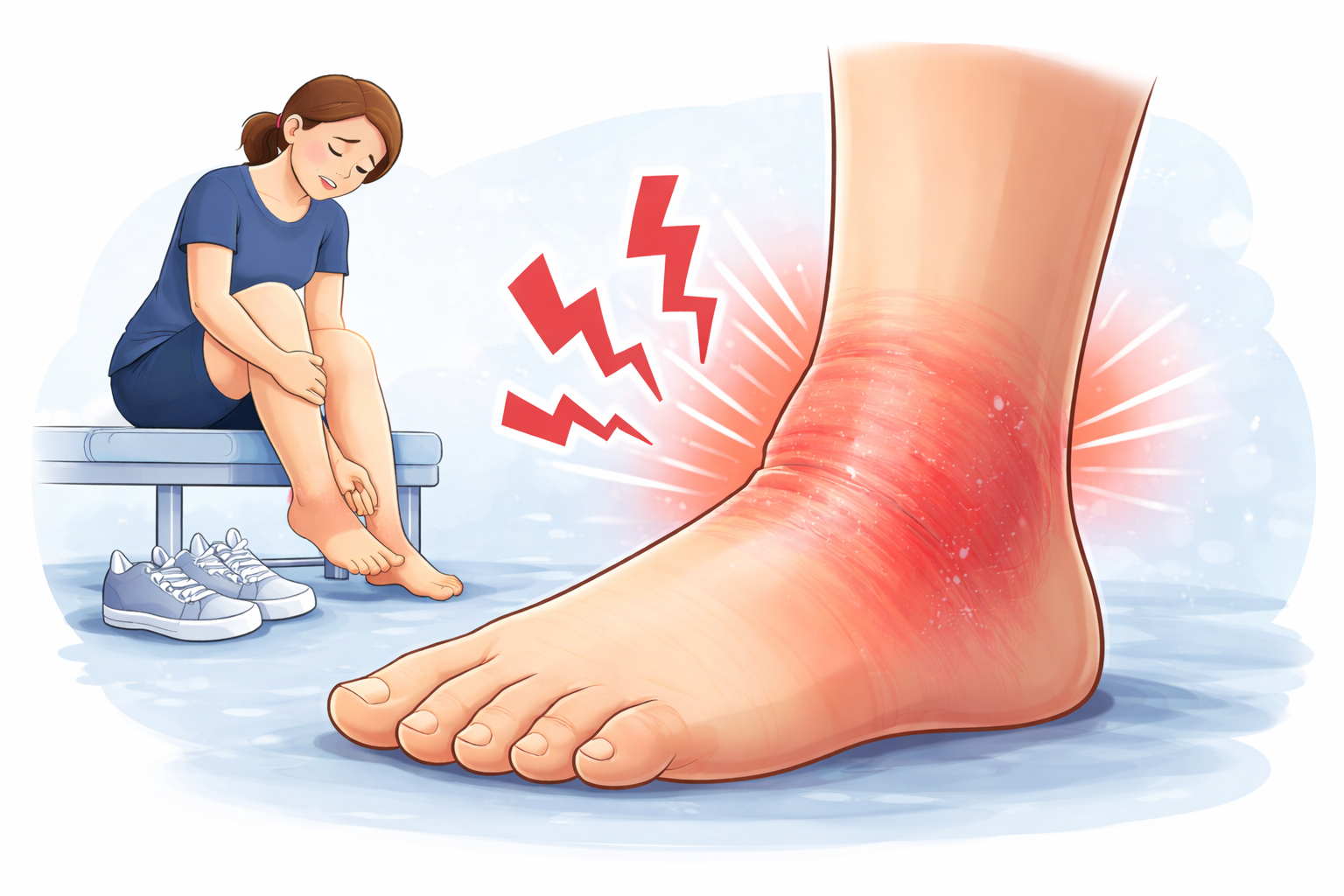
This discomfort often arises from a variety of causes, ranging from inflammation and injury to biomechanical imbalances. Identifying the underlying cause of heel pain is crucial for effective treatment. Understanding these causes is the first step toward finding relief and preventing further problems.
Too much stress on the foot’s structures can lead to the development of heel pain, as excessive load or strain may result in inflammation, injury, or chronic discomfort. Excessive pronation can create abnormal stretching and pulling on the ligaments and tendons attaching to the heel bone, further contributing to heel pain.
1. Plantar Fasciitis and Heel Spurs
One of the most frequent causes of heel pain is plantar fasciitis, which results from inflammation of the plantar fascia—a thick band of tissue that runs along the bottom of the foot, connecting the heel bone to the toes. Plantar fasciitis specifically affects the plantar surface of the foot, leading to sharp pain, particularly noticeable during the first steps after waking up.
For more information on this symptom, check out our detailed guide on Heel Pain in the Morning. If untreated, plantar fasciitis can cause a heel spur, which is a bony growth that develops on the underside of the heel bone, often visible on X-ray, adding to the discomfort. Icing the heel can significantly reduce inflammation and numb the pain, providing temporary relief.
2. Achilles Tendinitis
Another common source of heel pain is Achilles tendinitis, an overuse injury affecting the Achilles tendon—the largest tendon in the body that connects the calf muscles to the heel bone. This condition typically causes pain at the back of the heel and is especially prevalent among athletes and physically active individuals. Symptoms often include a sore heel and tight tendons, which can worsen and lead to further complications if left untreated.
3. Footwear and Lifestyle Factors
Improper footwear plays a significant role in heel pain. Shoes lacking adequate arch support and cushioning can exacerbate conditions like plantar fasciitis and Achilles tendinitis. Coastal lifestyles that involve frequent outdoor activities may increase exposure to risk factors if proper shoes are not worn. Selecting supportive footwear is essential for minimizing stress on the feet, which helps reduce strain and inflammation and can prevent heel pain from worsening.
4. Additional Risk Factors
Other contributors to heel pain include flat feet, high arches, obesity, stress fractures, and bone bruises. These factors can lead to chronic inflammation and persistent heel pain, making it essential to seek professional evaluation for accurate diagnosis and treatment.
By recognizing these common causes and addressing them early, you can take effective steps toward relieving heel pain and maintaining foot health.
Symptoms of Heel Pain

Recognizing the symptoms of heel pain early can help you seek appropriate treatment before the condition worsens. One of the hallmark symptoms of plantar fasciitis is a sharp pain in the heel, especially during the first steps taken after waking up. This morning stiffness can be quite debilitating, making it difficult to start your day on the right foot.
Heel pain is a common form of foot pain and can be accompanied by discomfort in other areas of the foot, especially with conditions like plantar fasciitis, Achilles tendonitis, and heel spurs. Heel pain often intensifies after long periods of standing or following a transition from sitting to standing. Some individuals may notice a gradual increase in pain throughout the day, particularly after engaging in physical activities. Ice therapy, which involves applying ice for 15–20 minutes, can help reduce inflammation and alleviate symptoms.
In addition to plantar fasciitis, other conditions like bursitis can cause tenderness and a bruise-like sensation at the back of the heel due to swollen bursa sacs. Sever’s disease, commonly seen in active children aged 8 to 14, results from irritation of the growth plate at the heel.
Stress fractures and bone bruises are another painful condition that can lead to widespread pain across the heel, affecting its sides and bottom. Whether it’s a sharp, stabbing pain or a dull ache, heel pain can severely limit your mobility and your foot’s ability to absorb shock on hard surfaces. Early intervention and home care, such as resting, icing, and stretching, can help reduce inflammation and alleviate symptoms.
Self-Care Stretches for Heel Pain
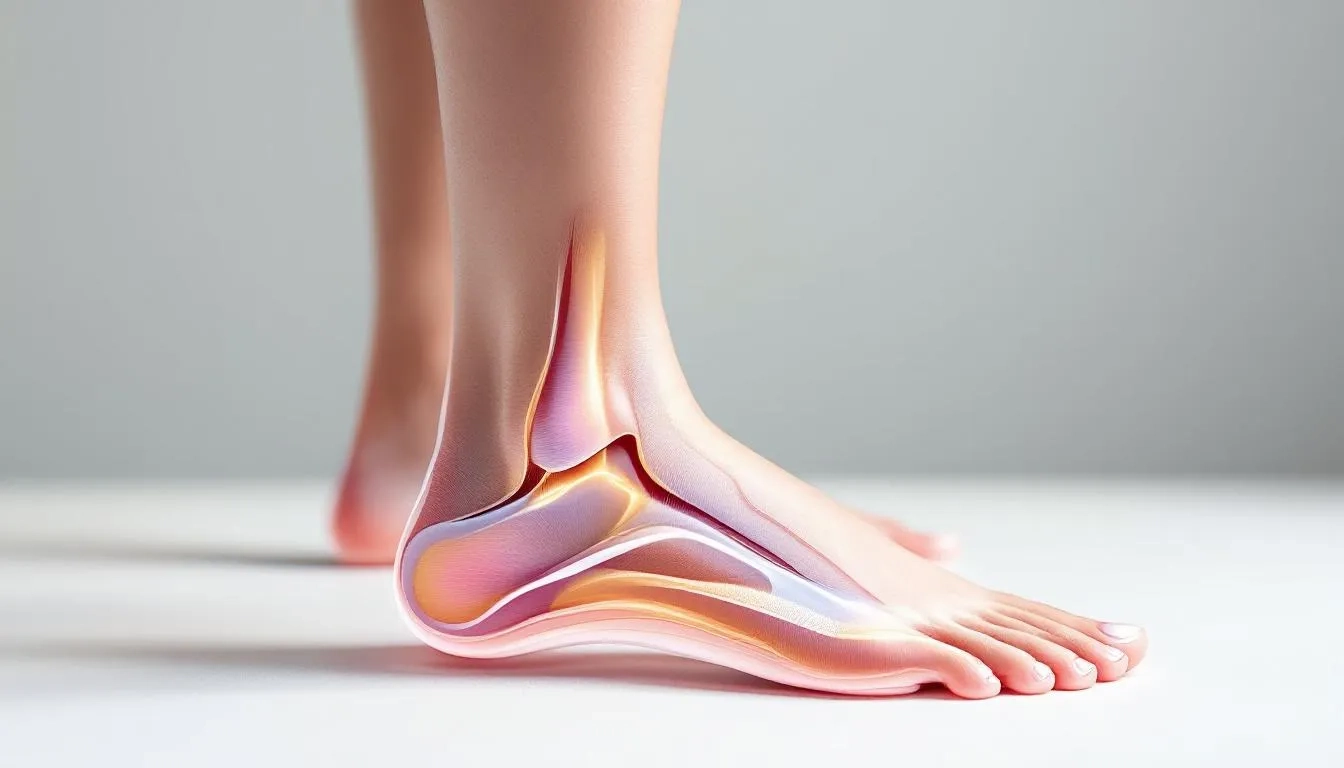
One of the most effective ways to alleviate heel pain is through consistent stretching exercises. It is important to perform exercises regularly to support heel pain recovery and promote tissue healing. Stretching the calf and foot muscles before engaging in physical activity enhances flexibility and reduces the strain on your heels. Using night splints can also help with heel pain during sleep by keeping the foot in a neutral position and reducing morning stiffness.
Calf stretching is crucial for relieving heel pain, focusing on muscles like the gastrocnemius, soleus, and calf muscle. You can perform these stretches in various positions, such as standing against a wall, seated with a towel, or using an incline board. Each stretch should be held for about one minute using gentle pressure to maximize its effectiveness.
Stretching the plantar fascia can also alleviate symptoms. One simple exercise involves rolling a round object, like a frozen water bottle or an ice pack, under your foot to relieve tension in the foot muscles and improve blood flow. Another effective method is seated foot stretches, where you pull your toes towards your shin to create tension in the arch of your foot, which can help prevent plantar fascia tears.
Towel curls are another excellent exercise for stretching the foot and calf muscles. This involves placing a towel on the floor and using your toes to scrunch it towards you. These exercises, when performed regularly, can help prevent heel pain and improve overall foot health. Using orthotic devices in combination with stretching can further support the foot, correct biomechanical issues, and relieve pain without surgery.
When to Seek Professional Help
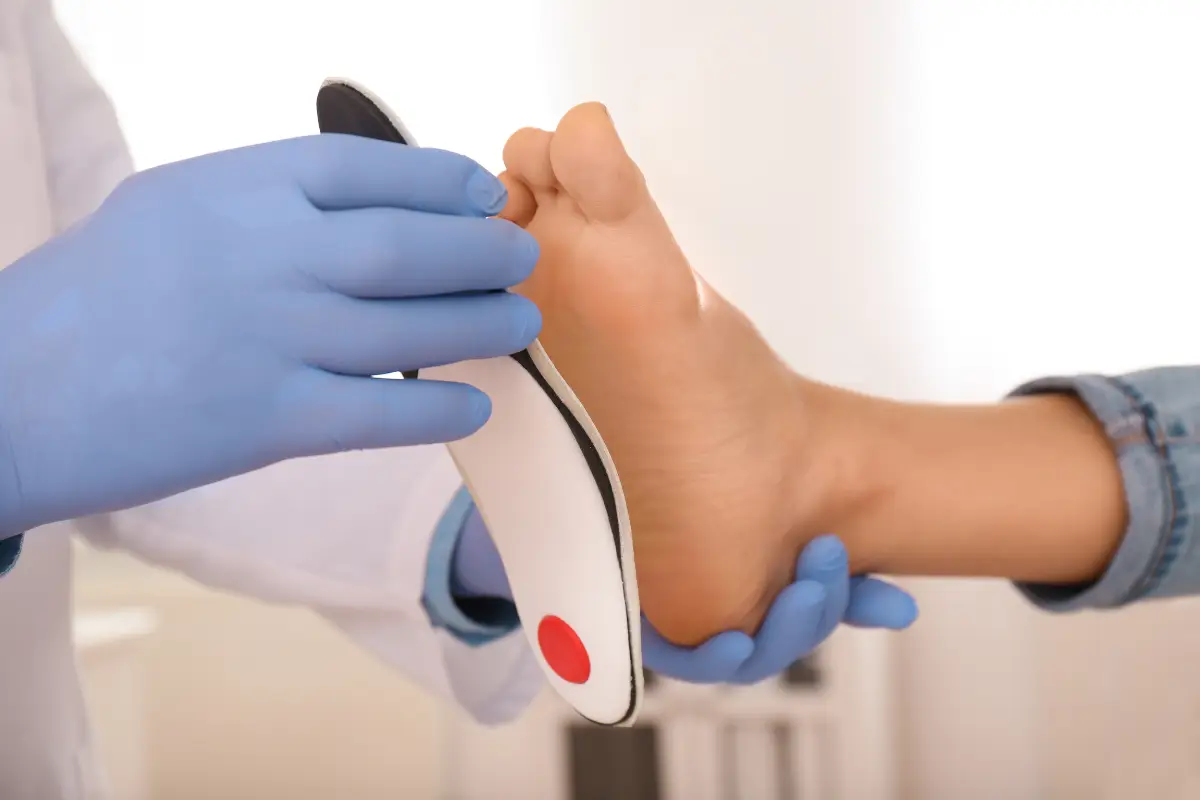
While self-care measures can be effective, there are times when professional intervention is necessary. Immediate medical attention is required if:
Your heel pain occurs after an injury
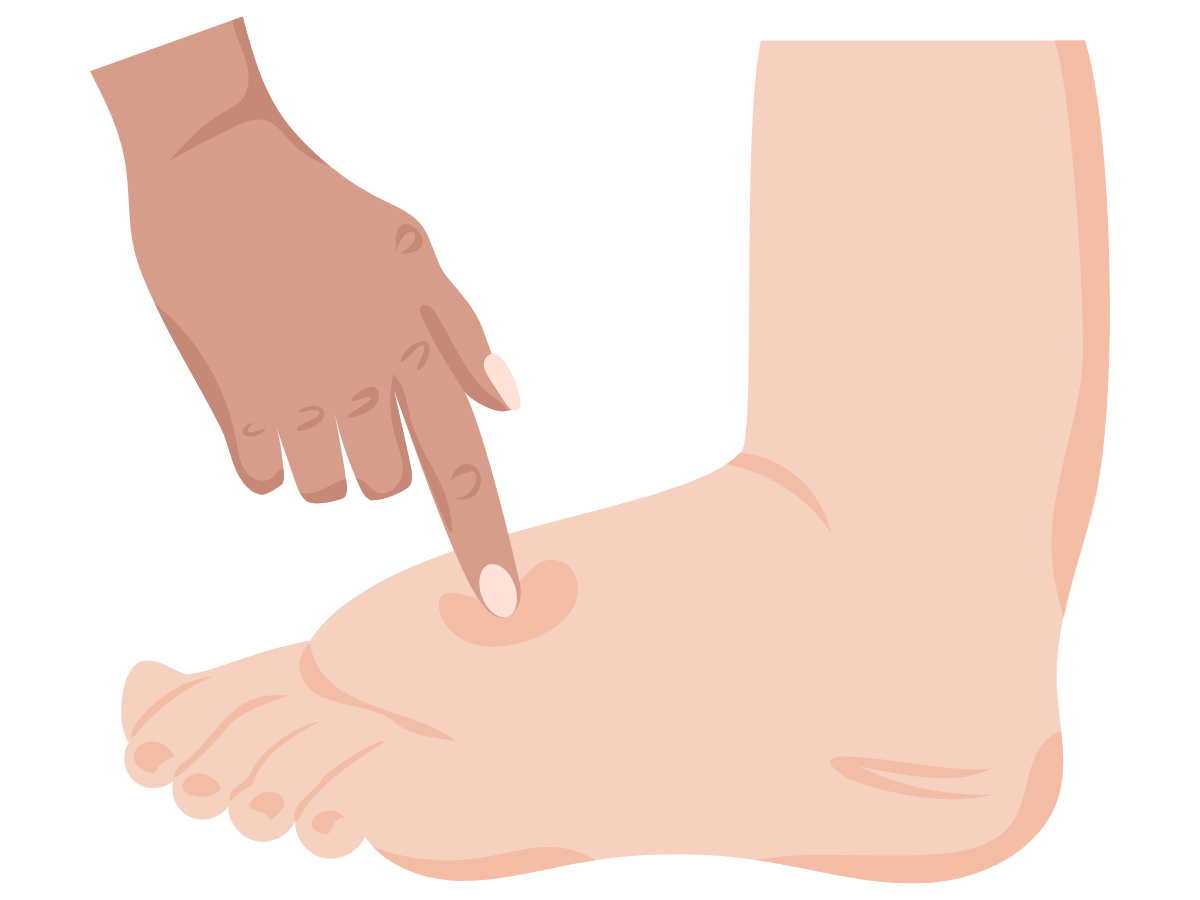
There is significant swelling or a bony bump (pump bump) develops
You are unable to walk normally or experience difficulty walking
Persistent heel pain that lasts beyond a few weeks, despite trying home treatments like rest, ice, and night splints, also warrants a visit to a healthcare professional during the healing process. Signs of infection, such as fever or numbness in the heel, should not be ignored and require prompt medical evaluation.
Conservative treatments are typically recommended before surgical options are considered, as they focus on non-invasive methods and may require several months for noticeable improvement.
Heel pain can also lead to changes in your walking patterns, which may result in difficulty walking in other areas of your body, such as the knees or hips. Conditions like tarsal tunnel syndrome or issues in the big toe joint might arise from altered gait mechanics.
Consulting a foot and ankle specialist is crucial for proper diagnosis and treatment of an ankle problem. These professionals can provide tailored treatment options, including custom orthotics, physical therapy, and in some cases, surgical intervention. Diagnostic tools such as magnetic resonance imaging (MRI) may be used to evaluate soft tissue injuries and other underlying causes. Additionally, a physical exam and X-rays are often conducted to check for conditions like arthritis or fractures.
Preventing Heel Pain
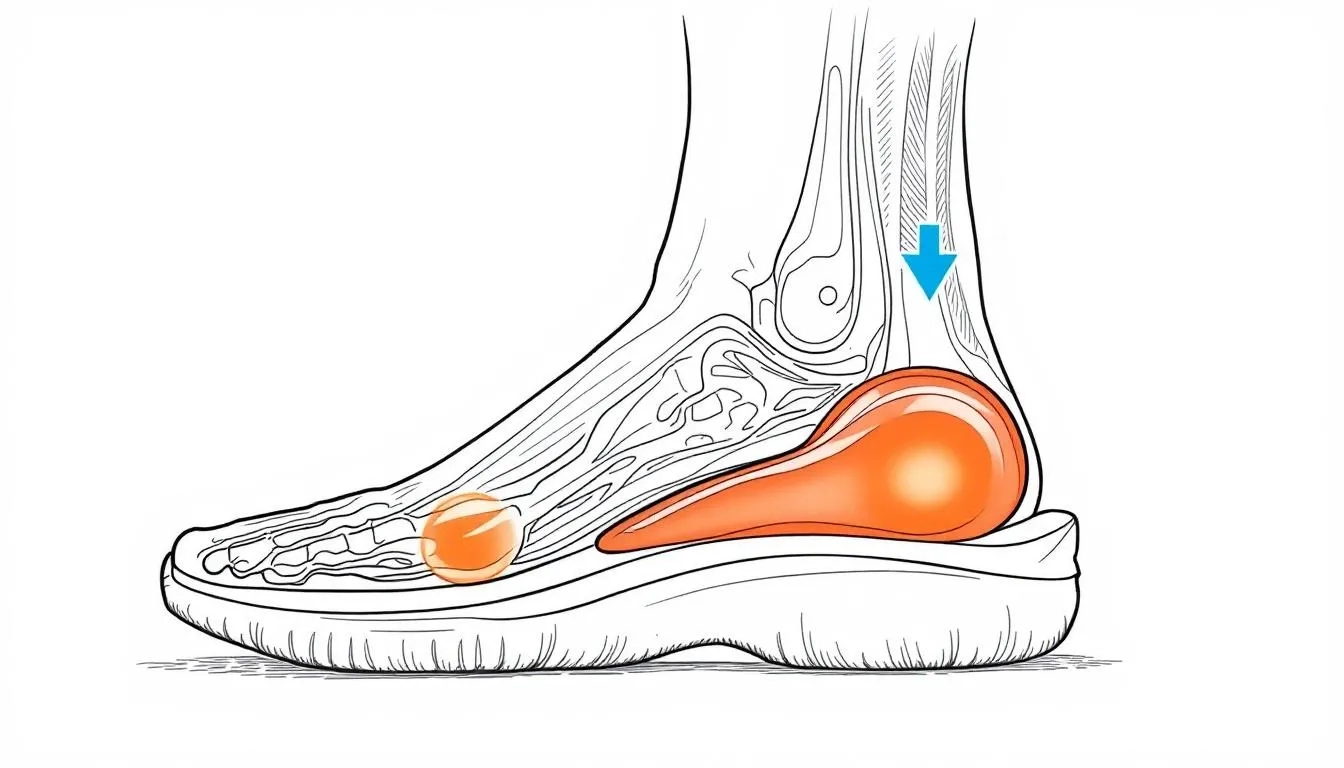
Prevention is always better than cure, and there are several steps you can take to avoid heel pain:
Wear appropriate footwear with good arch support.
Avoid high heels or excessively flat shoes, as they can strain your feet and lead to heel pain.
Utilize shoe inserts or custom orthotics to provide additional arch support and reduce the strain on your plantar fascia.
Maintaining a healthy body weight is another crucial factor in preventing heel pain. Excess body weight can put additional stress on your feet, increasing the risk of discomfort and further injury. Using cushioned mats can also provide extra support for your feet when standing for long periods.
Taking regular breaks during prolonged periods of standing or walking can help prevent heel overuse injuries. Stretching your calf muscles daily, wearing well-fitted shoes, and replacing your running shoes every 300-500 miles are also effective strategies to prevent heel pain. These preventive measures can go a long way in maintaining your foot health and minimizing the risk of heel pain.
Seek Expert Care in Boynton Beach
If you’re experiencing persistent heel pain, seeking expert care is essential. The Boynton Beach clinic focuses on providing comprehensive podiatric care for various foot and ankle issues. Dr. Mikhail Burakovskiy, a foot and ankle specialist with over 17 years of experience, leads the clinic and offers expert treatment for heel pain.
The clinic addresses various conditions, such as heel pain, bunions, plantar fasciitis, and ankle injuries. They also offer specialized care for diabetic foot issues and advanced surgical treatments for chronic conditions. Whether you need routine care or complex podiatric treatment, the clinic tailors its services to meet individual patient needs.
Patients can schedule at our local clinic through their website or by calling the clinic directly. For those in need of professional care, we encourage you to schedule at our local clinic to receive comprehensive foot and ankle care.
Summary
Heel pain can significantly impact your quality of life, but understanding its causes and symptoms is the first step towards effective management. By incorporating self-care stretches, being mindful of preventive measures, and knowing when to seek professional help, you can alleviate heel pain and improve your overall foot health.
Don’t let heel pain keep you from enjoying your favorite activities. Take action today to address the root cause of your pain and seek expert care to ensure lasting relief.
Frequently Asked Questions
What are the common causes of heel pain?
Heel pain is often caused by plantar fasciitis, Achilles tendonitis, improper footwear, bursitis, and Sever’s disease. Identifying these issues can help in effectively addressing your discomfort.
What are the symptoms of heel pain?
Heel pain commonly presents as sharp pain with the first steps in the morning, increased discomfort after prolonged standing or activity, tenderness in the back of the heel, and potential widespread pain from stress fractures or bony growths. Recognizing these symptoms can help in seeking appropriate treatment.
What self-care stretches can help alleviate heel pain?
To alleviate heel pain, try calf stretches, plantar fascia stretches, rolling a round object under your foot, and towel curls. Incorporating these stretches into your routine can significantly improve your comfort.
When should I seek professional help for heel pain?
You should seek professional help for heel pain if it follows an injury, involves significant swelling or a bony bump, persists for more than a few weeks despite home treatment, or presents signs of infection. Early intervention can prevent more serious issues.
How can I prevent heel pain?
To prevent heel pain, wear appropriate footwear and use shoe inserts or custom orthotics, while maintaining a healthy body weight and regularly stretching your calf muscles. Incorporate cushioned mats and take breaks to further protect your feet.