What Are Puffy Ankles?
Puffy ankles happen when excess fluid leaks from tiny blood vessels into the surrounding tissue and accumulates in the body’s tissues, making the area look swollen or feel tight. Because gravity pulls fluid downward, swelling often shows up in the lower extremities first—especially the ankles.
You may notice:
Ankle swelling and swelling in the feet and ankles are common, often worse in the evening
Shiny skin or “tight” skin over the foot
A soft, swollen feeling in the ankle or top of the foot
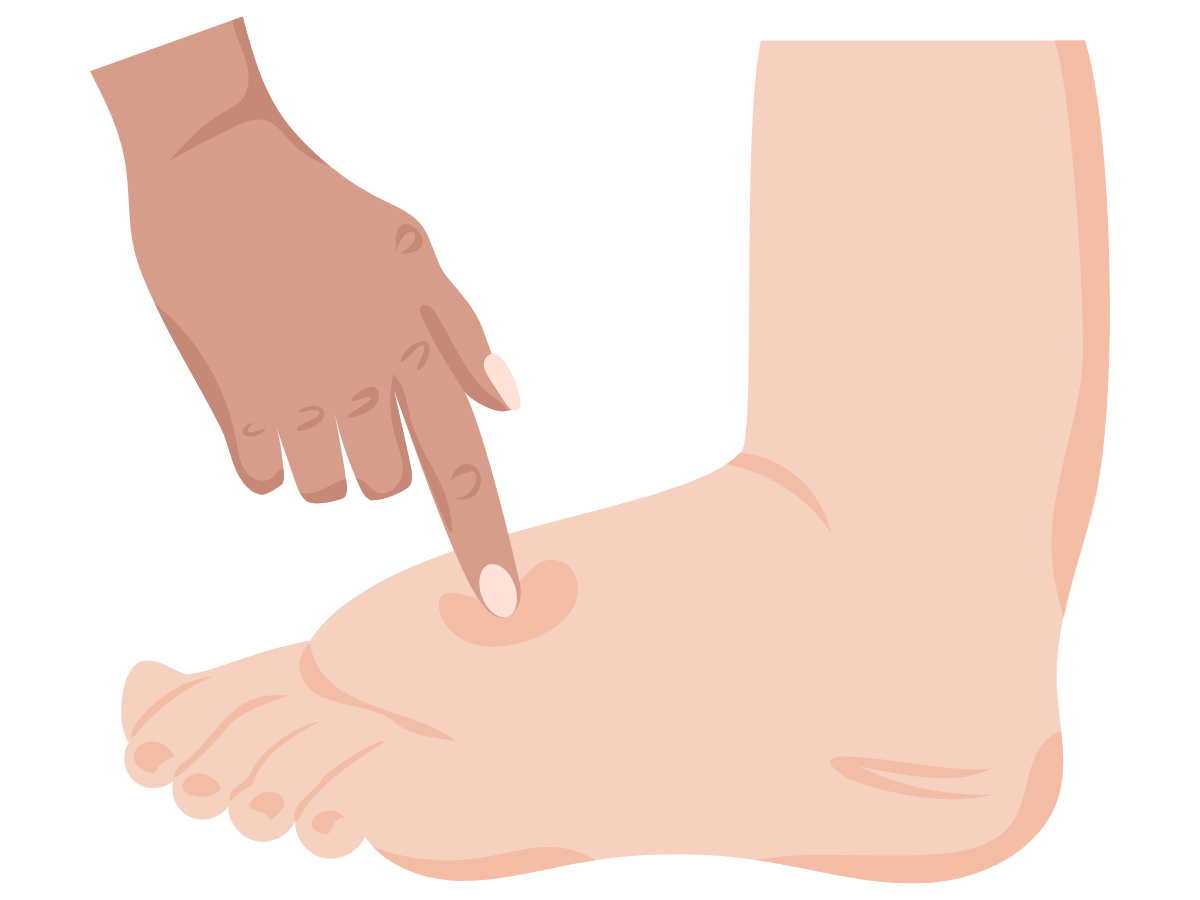
Pitting (a dent remains briefly if you press the swollen area)
Stiffness or mild discomfort, especially in shoes
Common Puffy Ankles Causes That Usually Aren’t Serious
Prolonged standing or sitting
When you sit or stand for long periods, your calf muscle pump isn’t helping circulate blood upward. Slower blood flow can lead to fluid pooling in the ankles. Swelling occurs in the feet and ankles when blood flow slows and fluid accumulates, which is common during prolonged inactivity.
Common scenarios:
Desk work or long shifts
Car rides, flights, and travel days
Standing all day (retail, nursing, hospitality)
Note: Blood clots in the veins of the legs can stop the return flow of blood to the heart, causing swelling in the ankles and feet.
Too much salt (and not enough movement)
A high salt intake can increase fluid retention, especially if you’re already prone to swelling or have high blood pressure. Eating too much salty food can cause swelling, as excess salt leads to water retention in the body. Add low movement, and fluid “sticks” around the ankles.
Adopting a low salt diet can help reduce fluid retention and swelling.
Heat and humidity
In hot weather, your blood vessels naturally widen, which can increase swelling. That’s why puffy ankles often spike during summer or after being outdoors.
Hormones (including pregnancy)
Hormonal shifts can affect circulation and fluid builds more easily—especially during pregnancy, certain menstrual phases, or menopause. In pregnant women, mild swelling can be normal, but sudden swelling with other symptoms is not (more on that below).
Minor injury or insect bites
A sprain, strain, or even insect bites can cause localized swelling. If swelling is clearly linked to an injury and improves steadily, it’s often part of the healing process.
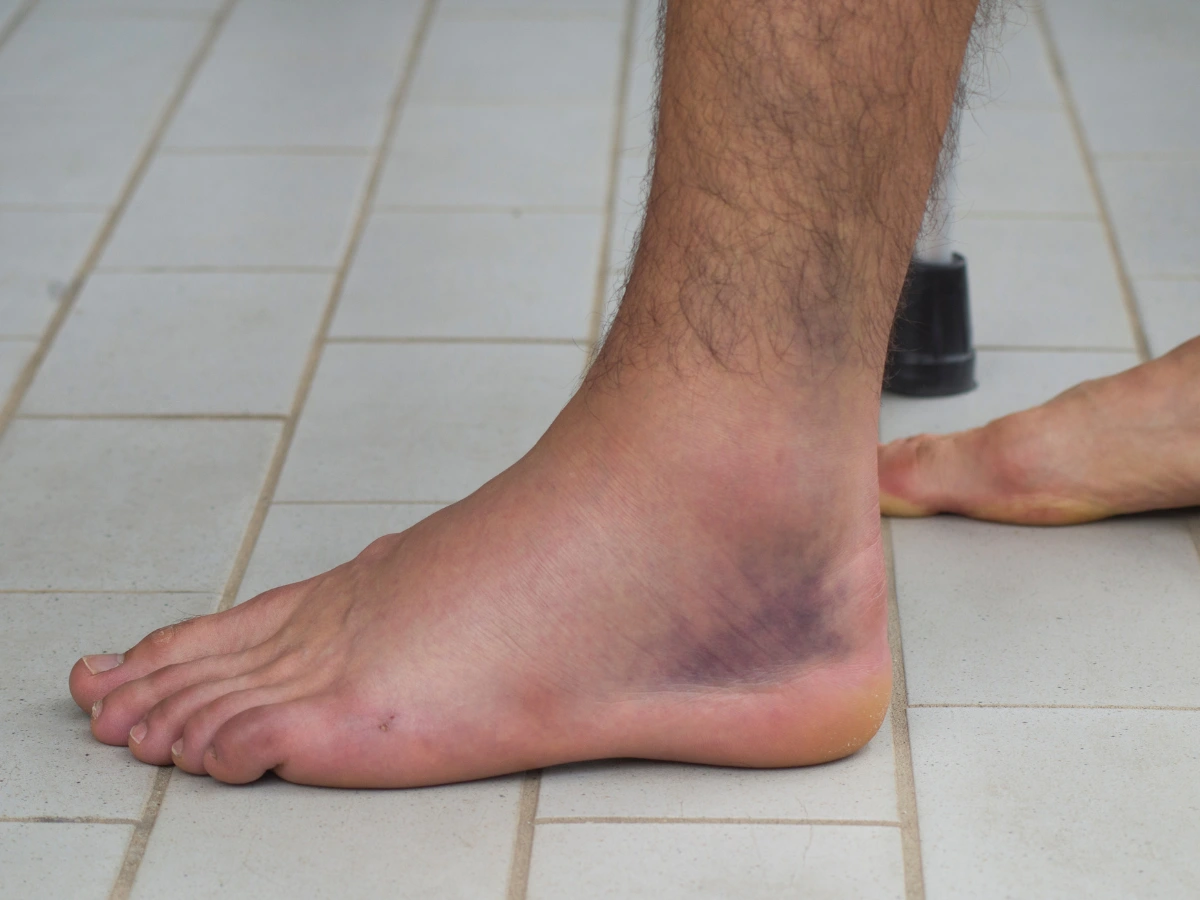
Causes That Need Extra Attention
Chronic venous insufficiency (a very common “daily puff” cause)
With chronic venous insufficiency, leg veins struggle to move blood back up effectively. This can lead to swelling that worsens throughout the day and improves overnight. You may also notice:
Leg heaviness or aching
Varicose veins
Skin changes around the ankle
In advanced cases, skin ulcers
Medication-related swelling
Some certain medicines can cause swelling in the ankles and feet, including:
Some blood pressure medications (especially certain calcium channel blockers)
Hormone therapy
Steroids
Some antidepressants
Certain diabetes medications
If swelling started after a medication change, don’t stop the medication on your own—talk to your prescribing clinician.
Heart, kidney, or liver-related fluid retention
These can cause swollen ankles and swollen feet, and may also make the feet swell, often on both sides.
Watch for “extra clues”:
Heart failure / congestive heart failure: swelling with shortness of breath, fatigue, or chest pain. If swelling worsens, your medical team may need to adjust your treatment plan.
Kidney disease: swelling plus changes in urination or puffiness elsewhere
Liver disease: swelling plus abdominal swelling, appetite changes, or fatigue
Deep vein thrombosis (blood clot)
A blood clot (DVT) can cause swelling in the ankles and feet and can be dangerous. The biggest warning sign is one leg swelling that’s sudden or painful.
Seek urgent care if you have:
Swelling in one leg with pain or tenderness
Warmth/redness over the swollen area
New shortness of breath or chest pain (emergency)
Venous insufficiency is another condition where the veins in the legs struggle to send blood back to the heart, leading to swelling.
Special Considerations for People with Certain Medical Conditions
If you have a medical condition like kidney disease, heart failure, venous insufficiency, or high blood pressure, swollen ankles and feet deserve extra attention. For these individuals, ankle swelling isn’t just a nuisance—it can be an early sign of fluid buildup or a more serious medical condition that needs prompt care.
When to Seek Medical Attention
Get checked soon (same day or urgent visit) if:
Sudden swelling that’s severe or rapidly worsening
Swelling that is red, hot, or very painful
Swelling in one leg with no obvious injury
Swelling plus fever/chills
Swelling with chest pain or shortness of breath
You have diabetes and new swelling, skin breakdown, or infection concerns
Swelling persists more than a few days or keeps returning
If you’re not sure, it’s better to get a quick evaluation than to guess. And if you’re exploring advanced options for severe ankle arthritis or long-term joint damage, this may be helpful Total ankle replacement, which offers expert foot surgery solutions to restore mobility and reduce pain.
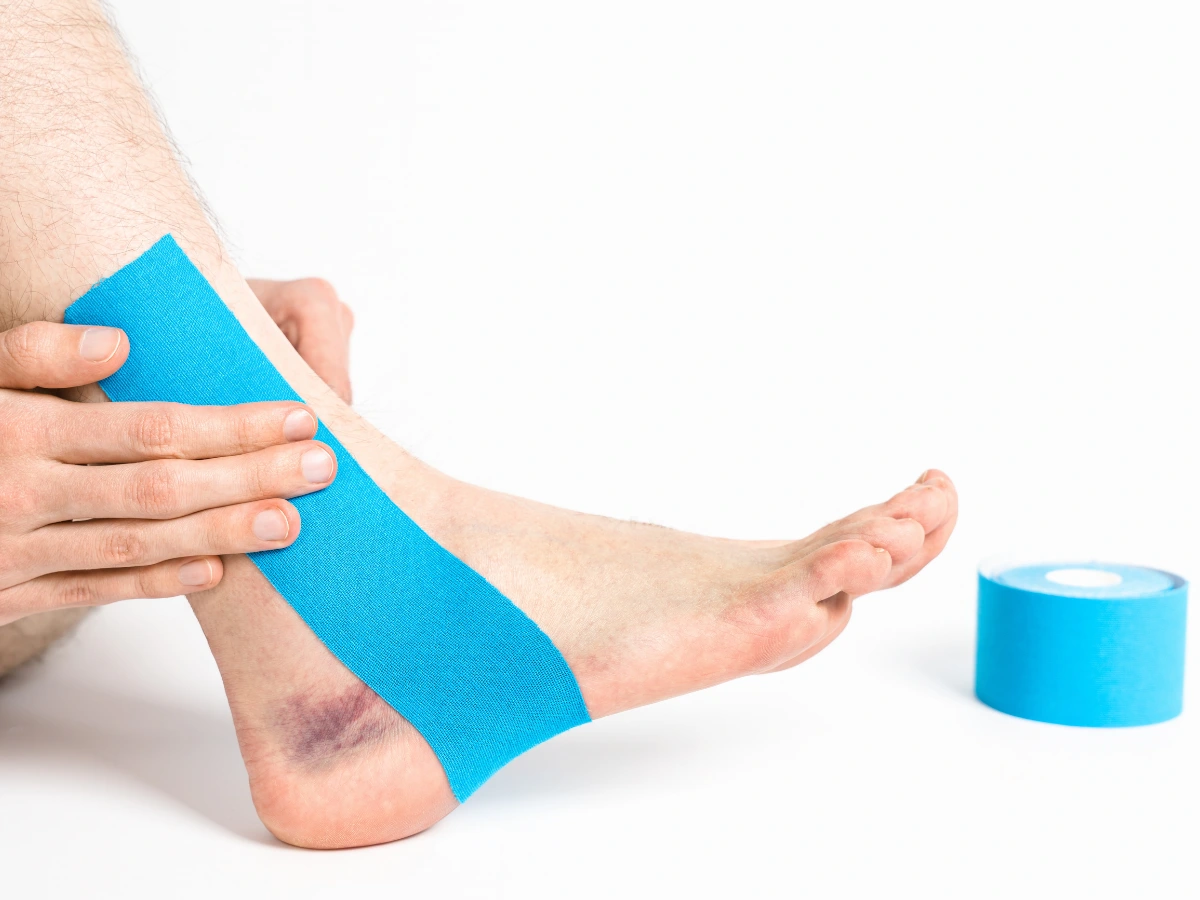
How to Fix Puffy Ankles: Simple, Safe At-Home Relief
If your swelling is mild and you don’t have red-flag symptoms, these steps can help reduce swelling and improve circulation.
1) Elevate (the fastest basic reset)
Raise your legs on pillows or a chair so your ankles are above heart level for 15–20 minutes.
2) Walk it out (gentle movement works)
A short walk is one of the best ways to stimulate blood flow and help fluid drain.
3) Wear compression socks (when appropriate)
Compression socks can help manage swelling related to circulation and prolonged standing/sitting.
Choose a comfortable, properly fitting pair
Avoid overly tight socks that leave deep marks
If you have severe pain, numbness, or known circulation disease, ask a clinician first
Check our picks for comfortable and effective compression options designed specifically for travel Flight socks we love. These socks provide gentle support to improve circulation during long flights, helping to reduce the risk of puffy ankles and keep your legs feeling fresh.
4) Reduce salt for 48 hours
You don’t need to be perfect—just cut obvious high-sodium triggers:
Fast food, chips, packaged soups
Deli meats
Sauces and dressings
Following a low salt diet can help manage swelling and reduce fluid retention in puffy ankles.
5) Hydrate (yes, it matters)
If you’re mildly dehydrated, your body can hold onto fluid. Aim for steady water intake throughout the day.
6) Cold compress if you feel heat or soreness
If your ankles feel warm, sore, or irritated, an ice pack wrapped in a towel for 10–15 minutes can calm symptoms.
6 “De-Puff Moves” You Can Do Anywhere (2–3 Minutes)
These are gentle, low-impact moves to stimulate circulation. Do them once or twice daily, especially after sitting.
Toe wiggles (30 seconds)
Spread toes wide → relax → repeat.Ankle pumps (30–45 seconds)
Pull toes toward you → point away. Keep the knee relaxed.Ankle circles (30 seconds each direction)
Slow circles—think “smooth,” not “fast.”Calf raises (10–15 reps)
Stand tall, lift heels, lower slowly. Hold a wall or chair for support.March in place (30–45 seconds)
Gentle marching helps the calf pump move fluid upward.Seated knee extensions (10 reps each leg)
Straighten knee, flex foot slightly, then lower. Great for desk breaks.
Bonus: A warm cup of green tea can support hydration habits and may help some people feel less “puffy,” especially when swelling is lifestyle-driven. (It’s not a cure—but it’s a useful swap if you’re reaching for salty snacks or sugary drinks.)
Puffy Ankles From Flights: What to Do Before, During, and After
Swelling on travel days is common because of long sitting, cabin pressure, and reduced calf pump activity.
Before your flight:
Hydrate steadily
Skip very salty meals
Wear compression socks (see: Flight socks)
During the flight:
Do ankle pumps and circles every 30–60 minutes
Walk the aisle when possible
After landing:
Take a 10–15 minute walk
Elevate legs later that day
If you frequently swell on flights or notice one-sided swelling, get evaluated.

Puffy Ankles and Falls: An Overlooked Connection
Swelling can reduce ankle mobility and make shoes fit poorly, which can subtly impact balance—especially in older adults or anyone already unsteady.
If you or a loved one is experiencing swelling along with balance concerns, it’s important to be aware of how puffy ankles can affect stability and increase fall risk.
Understanding this can help you take proactive steps to stay safe. For more information and practical strategies, check out this detailed guide on Fall Risk Assessment. Addressing both swelling and balance issues together can make a significant difference in maintaining mobility and confidence.
Evolve Health: Our Approach to “Daily Puff” and Persistent Swelling
At Evolve Health, we take puffy ankles seriously without jumping to worst-case scenarios. Many patients come in with daily ankle swelling caused by travel, standing jobs, circulation changes, or medications. Others need a deeper workup to rule out conditions like chronic venous insufficiency, joint problems, or systemic contributors.
If your swelling is persistent, recurring, or affecting comfort and mobility, consider a quick professional evaluation. In some cases, a personalized treatment plan may be needed to address persistent or severe swelling and ensure the best possible outcome.
FAQs:
What are the most common puffy ankles causes?
The most common causes of swollen ankles include prolonged sitting or standing, heat, high salt intake, travel (especially flights), hormonal changes, mild injury, and certain medicines. These causes of swollen ankles can also be related to circulation issues, underlying medical conditions, pregnancy, aging, or medication side effects.
How can I fix puffy ankles fast at home?
Start with elevation, gentle walking, ankle pumps/circles, salt reduction for 1–2 days, and compression socks if appropriate. If swelling persists, get evaluated.
When should I worry about ankle swelling?
Seek urgent care if swelling is sudden and severe, happens in one leg without injury, is red/hot/painful, or comes with chest pain or shortness of breath. Persistent swelling over a few days also deserves medical attention.
Do compression socks help puffy ankles?
They often help when swelling is related to circulation, travel, or prolonged standing/sitting. Make sure they fit properly and ask a clinician first if you have known circulation problems.
Why do my ankles swell more at night?
Swelling often worsens through the day because gravity pulls fluid into the lower legs while you’re upright. Elevation and movement breaks can help.
Conclusion
Puffy ankles are often harmless, especially after a long day, salty meals, heat, or flights—but they can also be a sign of something that needs attention. To get Get Rid of Swollen Ankles, use the home steps and de-puff moves to reduce swelling, and watch for red flags like one-sided swelling, severe pain, redness, or symptoms like chest pain or shortness of breath. If the swelling keeps coming back, don’t guess—get a quick evaluation and a clear plan.