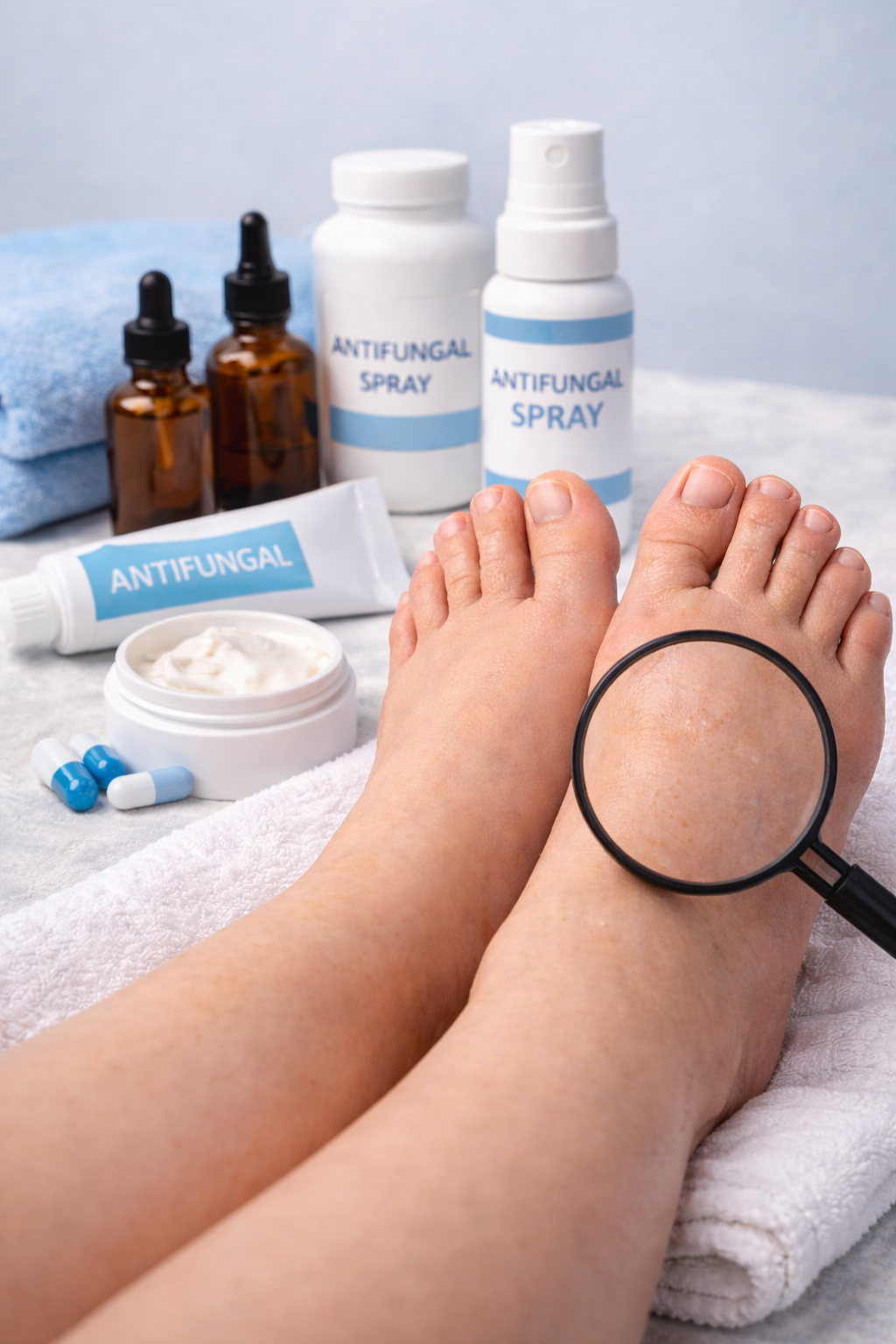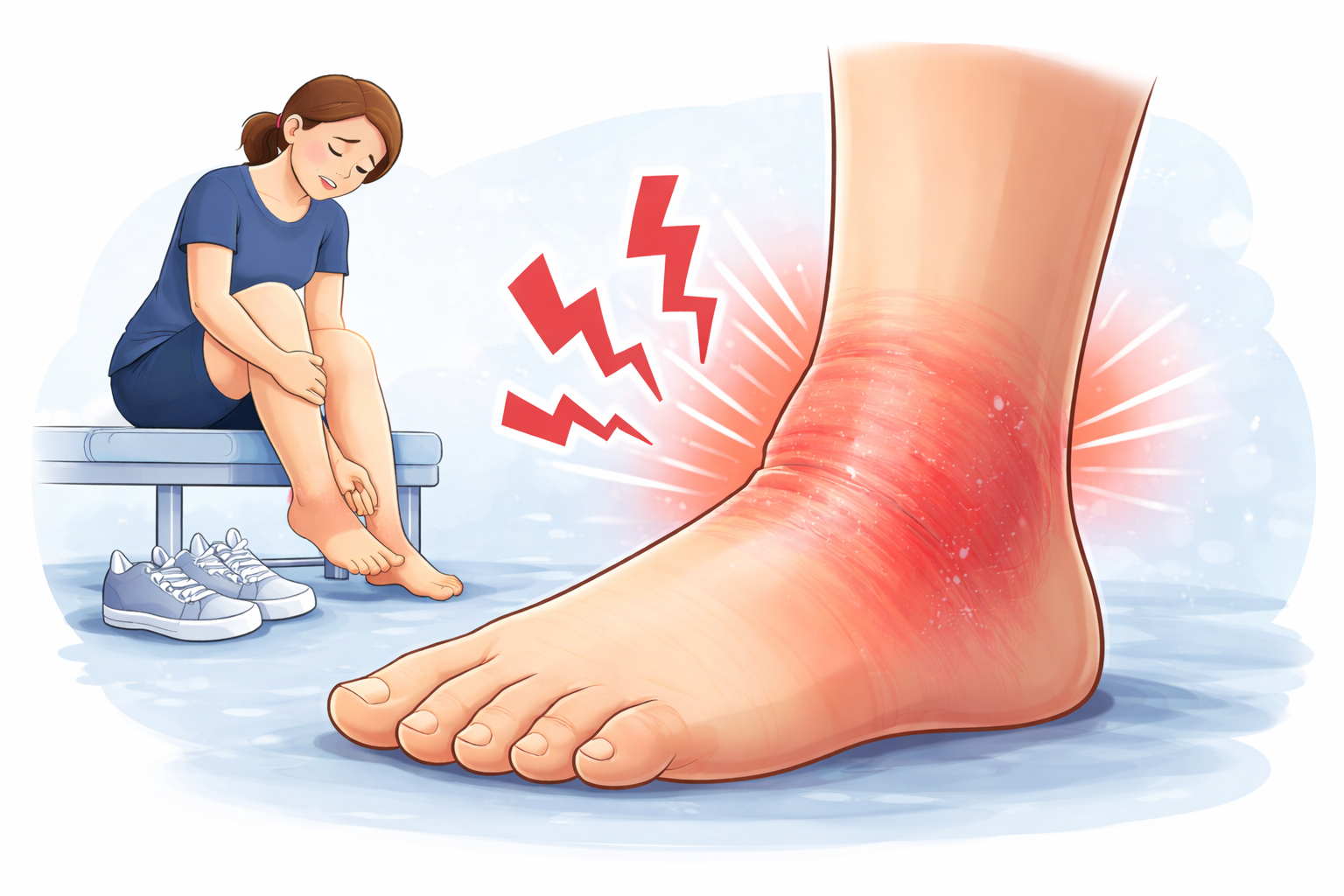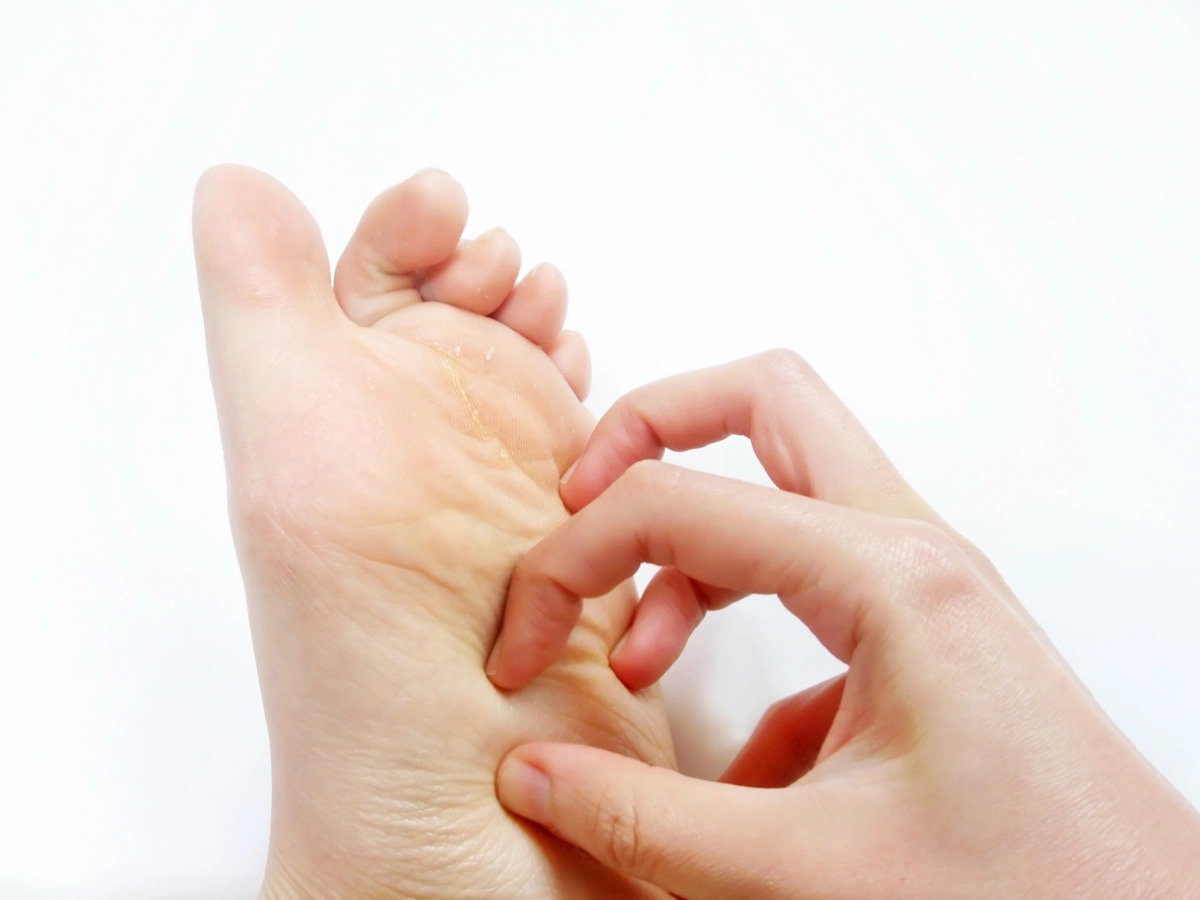
Red flags that should prompt a podiatrist Palm Harbor arch pain evaluation:
Arch pain with swelling lasting more than 7–10 days despite rest and icing
Sharp heel pain or pain in the arch with your first step in the morning that doesn’t improve within a few minutes
Limping or difficulty walking by the end of the day
Sudden intense pain after a misstep, twist, or fall
Visible bruising, warmth, or redness over the arch or ankle (possible signs of fracture, infection, or gout)
Numbness, tingling, or burning sensations suggesting nerve involvement like tarsal tunnel syndrome
Fever accompanying foot swelling
Inability to bear weight on the affected foot
The most common causes behind these symptoms include overpronation-related arch strain, plantar fasciitis, posterior tibial tendon dysfunction, and arthritis. These conditions are evaluated regularly during Palm Harbor evaluations, where a thorough physical examination can pinpoint exactly what’s causing your discomfort.
Don’t wait for the pain to sideline you. Schedule a same-week appointment through our Palm Harbor evaluations page to get answers and start feeling better.
Early treatment keeps you active in Palm Harbor bay-area activities like beach walks, pickleball, and golf without risking long-term damage to your feet.
How Your Foot Arch Works (and Why It Swells When It’s Stressed)
The medial longitudinal arch runs from your heel bone to the ball of the foot, functioning as both a shock absorber and a spring that stores energy with every step you take. When this system works well, you can walk miles on a beach or play three sets of tennis without a second thought about your feet.
Here’s what makes up this remarkable structure:
Plantar fascia: A thick band of tissue stretching from the heel to the base of your toes. It acts as the primary static support for your arch and absorbs ground forces during walking and running.
Posterior tibial tendon: Runs behind the inside ankle bone and inserts into the midfoot. This tendon is a critical dynamic supporter of the arch, actively lifting and stabilizing it during movement.
Intrinsic foot muscles: Small muscles within the foot that provide fine-tuned support, especially under repetitive loading during running, jumping, or standing for long periods. Standing for long periods can increase the risk of arch pain and swelling.
Bone alignment: The calcaneus (heel bone), talus, navicular, cuneiforms, and metatarsals form the skeletal framework that gives the arch its shape.
Normal pronation is a healthy, tri-planar motion where your foot rolls slightly inward to adapt to the ground and absorb shock. Problems start with overpronation, where your foot rolls inward excessively or stays rolled in too long during your stride. This forces the arch to collapse further than it should, placing extra stress on the plantar fascia and posterior tibial tendon.
Walking on uneven beach sand, spending long days at Busch Gardens, or running local 5K races around Palm Harbor bay-area activities all increase repetitive load on the arch. When that load exceeds what your tissues can handle, the result is inflammation, microtears, and swelling.

Common Causes of Arch Pain and Swelling
Multiple overlapping conditions can produce similar arch symptoms, which is why self-diagnosis often misses the mark. What feels like simple overuse might actually be a tendon problem, and what seems like muscle fatigue could be early arthritis.
Major causes of arch pain and swelling include:
Condition | How It Feels | Where Swelling Shows | Who’s Most Affected |
|---|---|---|---|
Plantar fasciitis | Stabbing pain, worst with first morning steps | Near heel/arch junction | Runners, walkers, those on feet all day |
Overpronation strain | Aching fatigue in arch, worse late in day | Inside arch and ankle | Flat-footed individuals, overpronators |
Flat feet (pes planus) | Generalized arch tiredness, cramping | Diffuse inner foot | Inherited trait, worsens with age/weight |
Posterior tibial tendon dysfunction | Pain inside ankle, difficulty with single-leg heel raise | Along inner ankle and arch | Middle-aged adults, especially women |
Stress fracture | Deep aching, worse with activity, better with rest | Localized over bone | Runners increasing mileage, osteoporosis |
Inflammatory arthritis | Stiffness, warmth, bilateral symptoms | Multiple joints, both feet | Those with autoimmune conditions |
Tarsal tunnel syndrome | Burning, tingling, numbness | May feel swollen but isn’t visible | Anyone with ankle injury history |
Cavus foot (high arches) | Aching under arch, instability | Less common | Inherited, neurological conditions |
Plantar fasciitis can be caused by overuse, especially in runners, and by being overweight.
Factors that increase your risk include weight gain, pregnancy, and long shifts on hard floors. Excess body weight increases stress on the feet and can contribute to the development and severity of arch-related problems. Nurses, teachers, hospitality workers, and retail employees in Palm Harbor often feel pain in the arch after extended periods of standing and walking.
For a deeper dive into generalized foot swelling beyond just the arch, check out our guide on Why Do My Feet Swell. It covers systemic causes like venous insufficiency, heart and kidney issues, and medication side effects.
During a podiatrist Palm Harbor arch pain assessment, your healthcare provider reviews your medical history, current medications (some cause fluid retention), and screens for systemic issues if swelling appears in both feet or extends beyond the arch area.
Plantar Fasciitis and Overpronation-Related Arch Strain
Plantar fasciitis is the single most common cause of foot arch pain and morning stiffness in active adults around Palm Harbor bay-area activities. It is a common cause of heel and arch pain called plantar fasciitis, which occurs when the plantar fascia—a fibrous ligament on the bottom of the foot—becomes irritated and swollen. It’s so prevalent that some estimates suggest it affects up to 10% of the general population at some point in their lives.
Here’s what happens: overpronation overstretches the plantar fascia with each step, causing microscopic tears at its attachment point on the heel bone and along the medial slip running through the arch. Over time, this leads to chronic heel pain, thickening of the fascia, and persistent inflammation.
Key symptoms of plantar fasciitis:
First-step pain in the morning that feels like stepping on a nail or shard of glass
Foot pain that returns after driving or sitting at work for prolonged periods
Tenderness when pressing along the inside arch
Swelling near the heel attachment, sometimes visible as puffiness
Individuals with plantar fasciitis often notice the worst pain in the morning or after long periods of inactivity. The pain from plantar fasciitis is very localized to the arch and is typically worse in the morning when getting out of bed. Women tend to get plantar fasciitis more than men.
Worn-out running shoes or flexible flip-flops, which are everywhere on Florida beaches, dramatically worsen arch strain from overpronation. These shoes provide virtually no arch support and allow the foot to collapse with every step.
Treatment focuses on three pillars: reducing inflammation through icing and nonsteroidal anti inflammatory drugs, correcting biomechanics with supportive shoes and orthotics, and restoring tissue strength through targeted stretching and strengthening exercises.
Flat Feet, High Arches, and Structural Causes
Flat feet, sometimes called fallen arches, allow the entire midfoot to touch the ground when standing. This overloads ligaments and tendons, often causing arch fatigue, cramping, and swelling by late afternoon.
Adult-acquired flatfoot frequently stems from posterior tibial tendon dysfunction, where the tendon gradually weakens or tears. Symptoms include pain and puffiness inside the ankle and arch, plus difficulty standing on tiptoes on one leg.
High arches (cavus foot) create the opposite problem: pressure concentrates on the heel and ball of the foot, leading to aching or burning under the arch, recurrent calluses, and instability on uneven ground.
Both extremes, very flat or very high arches, are common findings during Palm Harbor evaluations and often respond remarkably well to custom orthotics designed to redistribute pressure.
Structural issues are usually inherited but can worsen with age, weight gain, or injury.
Overuse Injuries, Tendinitis, and Arthritis
Rapid mileage increases before a race, new fitness challenges, or sudden spikes in step counts can cause arch muscle strain or stress reactions in the small bones of the midfoot.
Tendinitis of the posterior tibial or flexor tendons presents as localized tenderness, swelling along the tendon course, and pain that worsens with pushing off or climbing stairs.
Midfoot arthritis from old sprains or fractures causes deep, aching discomfort, swelling after walking, and stiffness that improves slightly with gentle movement but flares after extended activity.
A podiatrist Palm Harbor arch pain visit often includes X-rays or advanced imaging like ultrasound or MRI to distinguish between soft-tissue inflammation and degenerative joint disease.
Runners over 40 and those with prior ankle sprains are particularly susceptible to these overuse and arthritic conditions.
If you’re experiencing swelling that extends beyond your arch, our guide on Why Do My Feet Swell can help you understand whether it’s inflammatory, mechanical, or something requiring more urgent attention.
Posterior Tibial Tendon Dysfunction: The Overlooked Cause
Posterior tibial tendon dysfunction (PTTD) is a frequently overlooked source of persistent arch and heel pain, especially in adults over 40. Unlike plantar fasciitis, which causes stabbing pain under the heel, PTTD often starts as a dull ache or swelling along the inside of the ankle and arch. Over time, the posterior tibial tendon—a key structure that supports the arch of the foot—can weaken or tear, leading to progressive flattening of the arch, difficulty walking, and even visible foot deformity.
Risk Factors for Arch Pain and Swelling
Certain factors can make you more likely to develop arch pain, plantar fasciitis, and swelling in the foot. Understanding your personal risk profile can help you take steps to prevent arch pain before it sidelines your favorite activities.
Self-Check: Is Your Arch Swelling From Overpronation Strain?
Simple home observations can hint at overpronation-related arch strain, though they don’t replace a proper Palm Harbor evaluation with gait analysis and professional assessment.
Try these quick self-checks:
Examine your shoe soles: Heavy wear on the inner edge of the heel and forefoot points toward overpronation. Compare your everyday sneakers from the past year or two and look for asymmetric wear patterns.
Wet-foot test: Step on a piece of cardboard with a wet foot and examine your footprint. A nearly complete imprint with little waist (arch area) visible suggests flat, overpronated feet. A very narrow waist or incomplete print suggests high arches.
Single-leg stand test: Stand on one foot and watch your arch in a mirror. If it visibly collapses or your ankle rolls inward significantly, overpronation is likely contributing to your symptoms.
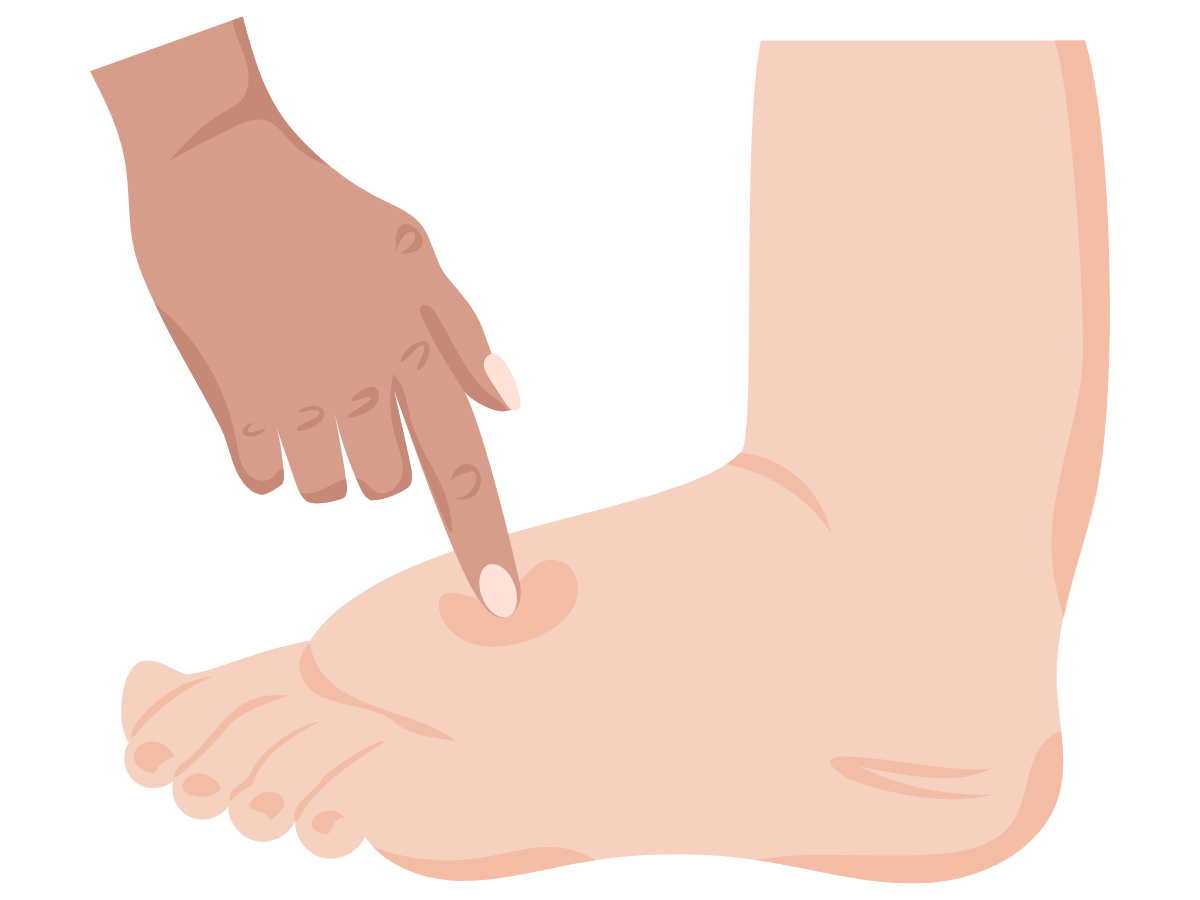
Palpation: Persistent tenderness when pressing along the inside arch or behind the inner ankle bone often indicates strain on the plantar fascia or posterior tibial tendon.
If you notice that you “roll in” while walking on the Clearwater Beach promenade or during other Palm Harbor bay-area activities, supportive footwear and a professional podiatry assessment should be on your radar.
Ready to get a definitive answer? Schedule Palm Harbor evaluations for a complete gait analysis and personalized recommendations.
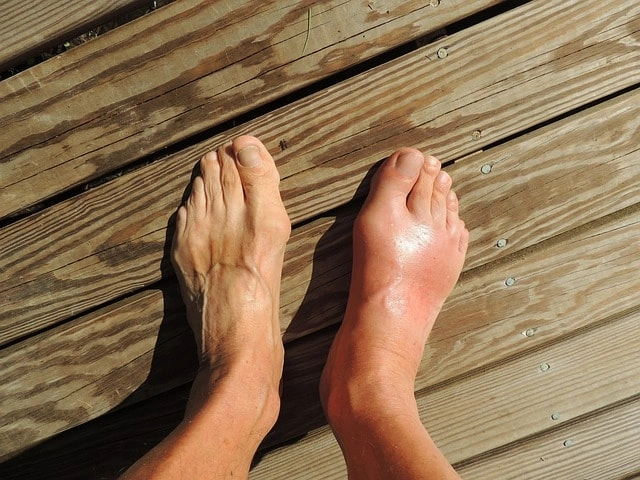
Immediate Home Relief for Arch Pain and Swelling
Short-term home care can quickly decrease pain and reduce swelling, but it works best when combined with a plan to address the underlying cause. Think of home remedies as the bridge to proper treatment, not a permanent fix.
The RICE approach for arch pain:
Step | How to Apply It for Arch Pain |
|---|---|
Rest | Reduce walking and standing; avoid activities that worsen pain |
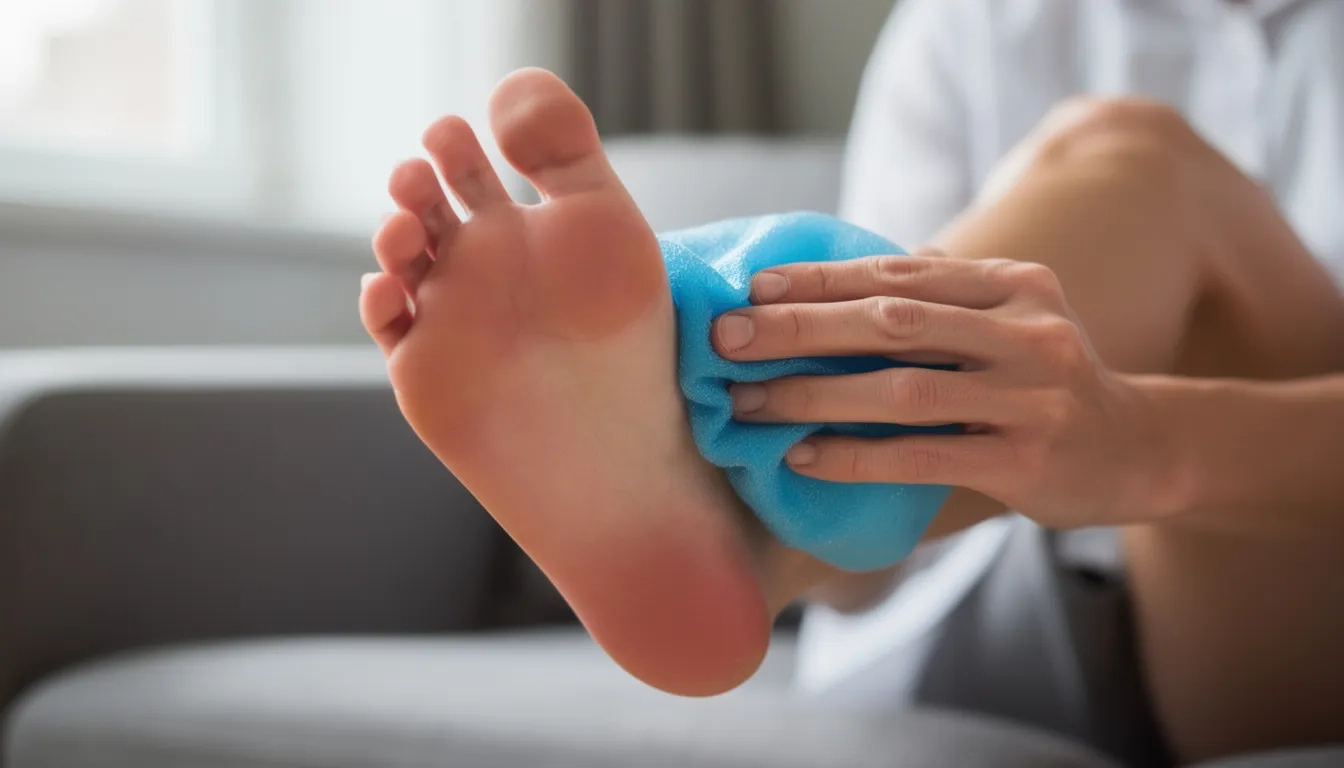
Ice | Apply ice packs or frozen water bottle under arch 15–20 minutes, 2–4 times daily to reduce pain and inflammation |
Compression | Wear snug (not tight) arch support wrap or compression sock |
Elevation | Prop feet above heart level when resting to reduce inflammation |
Specific icing instructions:
Roll a frozen water bottle under your arch for 15–20 minutes, applying gentle pressure
Alternatively, wrap an ice pack in a thin towel and hold it against the tender area
Applying ice packs to the arch or heel for 15–20 minutes several times a day helps reduce inflammation.
Avoid direct ice-to-skin contact to prevent frostbite
Ice after activity and before bed for best results
Over-the-counter nonsteroidal anti inflammatory drugs like ibuprofen or naproxen can provide temporary relief from pain and inflammation. Follow label directions and check with your physician if you have kidney, heart, or stomach concerns.
Immediate footwear changes:
Switch from unsupportive shoes to sturdy walking shoes with built-in arch support
Look for shoes with a firm heel counter that doesn’t collapse when squeezed
Wear supportive shoes even indoors instead of going barefoot
Avoid flat sandals and flip-flops until symptoms resolve
If pain remains above 5/10 after one week of consistent RICE and footwear changes, a podiatrist Palm Harbor arch pain evaluation is your next step.
Arch-Friendly Stretching for Overpronation and Plantar Fasciitis
Gentle stretching reduces tension on the plantar fascia and calf muscles, directly easing arch strain from overpronation. Consistency matters more than intensity here.
Key stretches to practice daily:
Calf wall stretch: Face a wall with one foot back, heel on the ground, knee straight. Lean forward until you feel a stretch in the calf. Hold 30 seconds, repeat 3 times per side. This targets the gastrocnemius muscle.
Bent-knee calf stretch: Same position, but bend the back knee slightly while keeping the heel down. This targets the deeper soleus muscle. Hold 30 seconds, repeat 3 times.
Seated towel stretch: Sit with your leg extended, loop a towel around the ball of your foot, and gently pull your toes toward you while keeping your knee straight. Hold 30 seconds, repeat 3 times. This directly stretches the plantar fascia.
Arch roller: Roll your arch over a tennis ball, frozen water bottle, or massage ball for 2–3 minutes. Apply moderate pressure but stop if pain increases.
Toe extension stretch: While seated, cross one ankle over the opposite knee and use your hand to pull your toes back toward your shin. Hold 30 seconds.
When to stretch:
Before stepping out of bed each morning, perform gentle stretching the plantar fascia and calves
After long drives back from Palm Harbor bay-area activities
Before and after exercise
Avoid aggressive bouncing or high-impact plyometrics during a flare, as these can cause further microtearing. A podiatrist or physical therapy specialist can progress you from simple stretches to strengthening exercises for long-term arch stability.
Bracing and Walking Boots: When Extra Support is Needed
For some cases of arch pain—especially those involving significant tendon injury, severe plantar fasciitis, or posterior tibial tendon dysfunction—temporary immobilization with a brace or walking boot may be recommended. These devices provide additional support, reduce strain on the injured structures, and give your foot the rest it needs to heal.
When Home Care Isn’t Enough
Persistent swelling, increasing pain, or new visible deformity despite 2–3 weeks of consistent home care suggests a deeper problem. You might be dealing with a tendon tear, stress fracture, or arthritis flare that won’t respond to ice packs and stretching alone.
Stop self-treatment and book Palm Harbor evaluations if you experience:
Pain that wakes you at night
Visible arch collapse or progressive flattening of your foot
History of diabetes, neuropathy, or poor circulation
Chronic heel pain that hasn’t improved despite 4–6 weeks of conservative care
Swelling, redness, or warmth suggesting possible infection
Any sudden injury with inability to bear weight
Early professional care often prevents the need for more invasive treatments such as cortisone injections or foot surgery down the road. Most arch conditions, when caught early, respond well to conservative treatment.
Supportive Footwear and Orthotics: Core Tools for Arch Strain Relief
The right shoes and shoe inserts are often the first and most important treatment for arch strain from overpronation and plantar fasciitis. What you put on your feet matters more than almost any other intervention.
Must-have footwear features:
Firm midsole that doesn’t easily bend in half (the “twist test”)
Supportive arch contour that matches your foot shape
Cushioned heel with good shock absorption
Wide stable base for balance
Secure lacing or straps to prevent slipping
Wide toe box to avoid crowding toes
Wearing shoes that are appropriate for your activity
Over-the-counter arch supports vs. custom orthotics:
Feature | OTC Arch Supports | Custom Orthotics |
|---|---|---|
Cost | $20–$60 | $200–$500+ |
Fit | Generic sizes | Molded to your foot |
Condition severity | Mild to moderate | Moderate to severe |
Customization | Limited | Precise biomechanical control |
Availability | Immediate | 2–4 weeks fabrication |
Many Palm Harbor patients with mild to moderate arch pain improve considerably with high-quality prefabricated inserts selected by a podiatrist. These provide additional support without the cost of full custom devices.
Custom orthotics are molded to your foot during Palm Harbor evaluations using foam impressions or digital scanning. They correct excess pronation, distribute pressure evenly, and reduce inflammation triggers at the source. For people with posterior tibial tendon dysfunction or significant overpronation, custom orthotics are often essential.
Practical footwear tips:
Replace running or walking shoes every 300–500 miles, or roughly every 9–12 months for frequent Palm Harbor bay-area activities participants
Don’t rely on worn sneakers for support, even if they still “look fine”
Bring your work shoes and exercise shoes to your podiatrist Palm Harbor arch pain visit so wear patterns and support levels can be assessed
Consider keeping supportive indoor shoes or sandals with good arch support for home use
Active Lifestyle Tips: Protecting Your Arches in Palm Harbor Bay-Area Activities
Many Palm Harbor residents want to stay active with walking clubs, tennis, pickleball, golf, and beach outings despite dealing with arch pain. The good news is that complete rest isn’t usually necessary or even helpful.
Smart activity modification strategies:
Shorten walking routes temporarily while your arch calms down
Swap concrete sidewalks for softer trails or grass when possible
Reduce hill work and inclines that increase calf and arch load
Schedule rest days after long weekends of physical activities
Include a recovery routine of stretching and icing after each outing
Cross-training options that protect your arches:
Deep-water running or pool jogging (eliminates impact entirely)
Cycling on flat terrain
Swimming laps
Elliptical trainer with proper footwear
Gentle yoga focusing on foot and calf stretches
Pre-activity warm-up for your feet:
Toe curls: Scrunch a towel with your toes, 10–15 repetitions
Ankle circles: 10 clockwise, 10 counterclockwise per foot
Gentle calf raises: 10 slow repetitions before walking
After sports, cool down with a plantar fascia stretch and 15 minutes of icing if your arch feels fatigued.
A podiatrist can create sport-specific shoe and orthotic plans for golfers, runners, and court-sport athletes. Tennis and pickleball players, for example, need lateral stability features that differ from a distance runner’s cushioning requirements.

Complications of Untreated Arch Pain
Ignoring persistent arch pain or swelling can lead to much more than temporary discomfort. Without proper treatment, the underlying cause—whether it’s plantar fasciitis, posterior tibial tendon dysfunction, or another condition—can progress, resulting in chronic heel pain, permanent changes to the arch of the foot, and even difficulty walking.
Professional Treatments a Podiatrist in Palm Harbor Can Offer
When self-care and basic supports plateau, a podiatrist Palm Harbor arch pain workup opens the door to targeted solutions that can accelerate your recovery. Most patients see significant improvement without ever needing surgery.
What to expect during your evaluation:
Detailed history: When did symptoms start? What shoes do you wear? Which activities make it worse?
Physical examination of the arch, ankle, and entire lower leg
Gait analysis to observe your walking pattern and identify overpronation
Imaging when indicated: X-ray for bone issues, ultrasound or MRI for soft tissue problems like plantar fascia tears or tendon damage
In-office treatment options:
Custom orthotics designed for your specific foot type and activity level
Taping or bracing to control overpronation and reduce strain during healing
Guided cortisone injections for severe cases of plantar fasciitis that haven’t responded to conservative care
Prescription anti-inflammatory medications or neuropathic pain medications for nerve-related conditions
Night splints to maintain plantar fascia stretch overnight and reduce morning pain
Advanced therapies (when conservative care isn’t sufficient):
Extracorporeal shockwave therapy to stimulate healing in chronic plantar fasciitis
Regenerative options like platelet-rich plasma injections
Physical therapy referral for structured strengthening and gait retraining
Most arch-strain cases, including stubborn plantar fasciitis, improve without surgery when addressed early. Book your Palm Harbor evaluations to get started on the right treatment plan.
Foot issues are often interconnected. For example, patients who come in for ingrown toenail treatment from a podiatrist frequently benefit from a simultaneous arch assessment, especially if tight or poor footwear contributed to both problems.
Coordinating Care With Insurance and United Healthcare
Many patients hesitate to see a podiatrist for arch pain and swelling because they’re unsure how to navigate insurance benefits or worried about unexpected costs.
If you have United Healthcare or another major insurance plan, our guide Need a United Healthcare Podiatrist walks you through checking coverage and streamlining the scheduling process without the hassle.
Before your Palm Harbor evaluations:
Verify whether you need a referral from your primary care physician
Check your copay and deductible status for specialist visits
Confirm the practice is in-network for your plan
Properly documented arch pain, plantar fasciitis, and tendon disorders are typically recognized as medically necessary conditions, not cosmetic issues. This means your insurance should cover diagnostic evaluation and treatment.
Our Brand’s Approach to Arch Pain and Swelling in Palm Harbor
At Health Evolves Podiatry, our focus is getting Palm Harbor residents back to walking, working, and enjoying bay-area activities with as little downtime as possible. We understand that foot pain affects everything from your job performance to your weekend plans.
Our typical workflow:
Comprehensive initial exam: We assess your arch structure, flexibility, strength, and pain patterns
Diagnostic imaging: X-rays, ultrasound, or MRI when needed to identify the underlying cause
Gait and shoe evaluation: We examine how you walk and assess your current footwear
Written treatment roadmap: A personalized plan tailored to your activity goals, whether that’s returning to running 5Ks or simply walking pain-free at work
Our philosophy:
We take an evidence-based, conservative-first approach. That means optimizing stretching protocols, icing routines, footwear changes, and orthotic support before considering injections or surgery. For many patients, these foundational treatments resolve even severe cases of arch pain.
The same team that handles ingrown toenail treatment from a podiatrist is experienced in managing complex arch problems, swelling, and biomechanical issues. We see the whole foot, not just isolated symptoms.
Results we help patients achieve:
Workers returning to full shifts pain-free after weeks of limping through their days
Runners completing local charity 5Ks without the stabbing morning pain
Older adults regaining confidence walking on uneven surfaces and beach sand
Athletes getting back to pickleball, tennis, and golf with proper arch support
Ready to create your custom arch-care plan? Visit our Palm Harbor evaluations page to request an appointment and start your recovery.

FAQs
What are the most common causes of arch pain and swelling?
The most common causes include plantar fasciitis (the leading diagnosis), overpronation-related arch strain, posterior tibial tendon dysfunction, flat feet, stress fractures, and arthritis. Overuse injuries from rapid increases in activity are also frequent culprits, especially among active adults in Palm Harbor bay-area activities like running, walking, and court sports.
How do I know if my arch pain is from plantar fasciitis or something more serious like a stress fracture?
Plantar fasciitis typically causes pain with your first steps in the morning that improves after walking around, while stress fractures tend to hurt during activity and improve with rest. Night pain that wakes you up, focal tenderness over a specific bone, and swelling that doesn’t respond to icing may indicate a stress fracture. A podiatrist can order X-rays or an MRI to confirm the diagnosis and create the right treatment plan.
Can overpronation really cause arch swelling, and can orthotics fix it?
Yes, overpronation places repeated abnormal strain on the plantar fascia and posterior tibial tendon with every step. This strain causes microtears and inflammation, which leads to both pain and localized swelling. Orthotics, whether prefabricated or custom, reduce inflammation by controlling excess pronation and redistributing pressure across the foot. Many patients experience significant relief within weeks of wearing proper orthotics consistently.
How long does it take for arch pain from overuse to heal?
Most cases of arch strain and plantar fasciitis improve within 4–12 weeks with consistent conservative treatment. Factors that speed recovery include daily stretching, consistent orthotic use, wearing supportive shoes, avoiding aggravating activities, and maintaining a healthy weight. Cases involving tendon tears or stress fractures may take longer and require more intensive intervention.
Should I stop walking or running if my arch is swollen?
Complete rest usually isn’t necessary or beneficial. Instead, modify your activities: shorten your walks, avoid hard surfaces, and substitute low-impact alternatives like cycling or swimming. Listen to your body. If a specific activity causes increased pain or swelling, reduce it. For Palm Harbor bay-area activities, consider pool walking or deep-water running while your arch heals.
When should I see a podiatrist in Palm Harbor for arch pain?
See a podiatrist if your symptoms last beyond 2–3 weeks despite home care, if pain disrupts your work or sleep, if swelling is persistent or worsening, or if you notice visible changes in your arch shape. Other red flags include inability to bear weight, bruising, redness, warmth, or numbness.
Can other foot issues like ingrown toenails or ankle problems affect my arch?
Absolutely. Foot problems are interconnected through the kinetic chain. An ingrown toenail can alter your gait to avoid pain, placing unusual stress on your arch. Ankle instability or old sprains can change how forces travel through your foot, contributing to arch overload. That’s why comprehensive care matters.
Is arch pain covered by insurance?
Most insurance plans, including United Healthcare, recognize arch pain, plantar fasciitis, and tendon disorders as medical conditions requiring treatment. Coverage typically includes evaluation, diagnostic imaging, and conservative treatments like orthotics. Check your specific plan details and referral requirements before your appointment.
Conclusion: Take Charge of Your Arch Health Today
Arch pain and swelling are common yet manageable conditions that can significantly impact your daily life and active pursuits. Whether caused by overpronation, plantar fasciitis, posterior tibial tendon dysfunction, or structural foot issues like flat feet and high arches, understanding the root cause is essential for effective treatment and lasting relief.
Early recognition and intervention are key to preventing chronic heel pain, difficulty walking, and long-term foot problems. Incorporating gentle stretching, icing, wearing supportive shoes with good arch support, and using custom orthotics can dramatically reduce pain and inflammation while promoting healing. Maintaining a healthy weight and choosing proper footwear tailored to your foot’s needs further help prevent arch strain and swelling.
If your arch pain and swelling persist beyond 10 to 14 days, worsen, or interfere with your daily activities, don’t hesitate to seek a comprehensive evaluation from a podiatrist. A thorough physical examination, gait analysis, and imaging when necessary will identify the underlying cause and guide a personalized treatment plan designed to restore your foot health and keep you moving comfortably.
Your feet support every step you take—give them the care and attention they deserve. Schedule your Palm Harbor evaluations today and take the first step toward pain-free arches and an active lifestyle.
Remember, arch pain and swelling are common symptoms that can be effectively treated with the right approach. Don’t wait for discomfort to hold you back—act now to protect your foot health and enjoy every step with confidence.