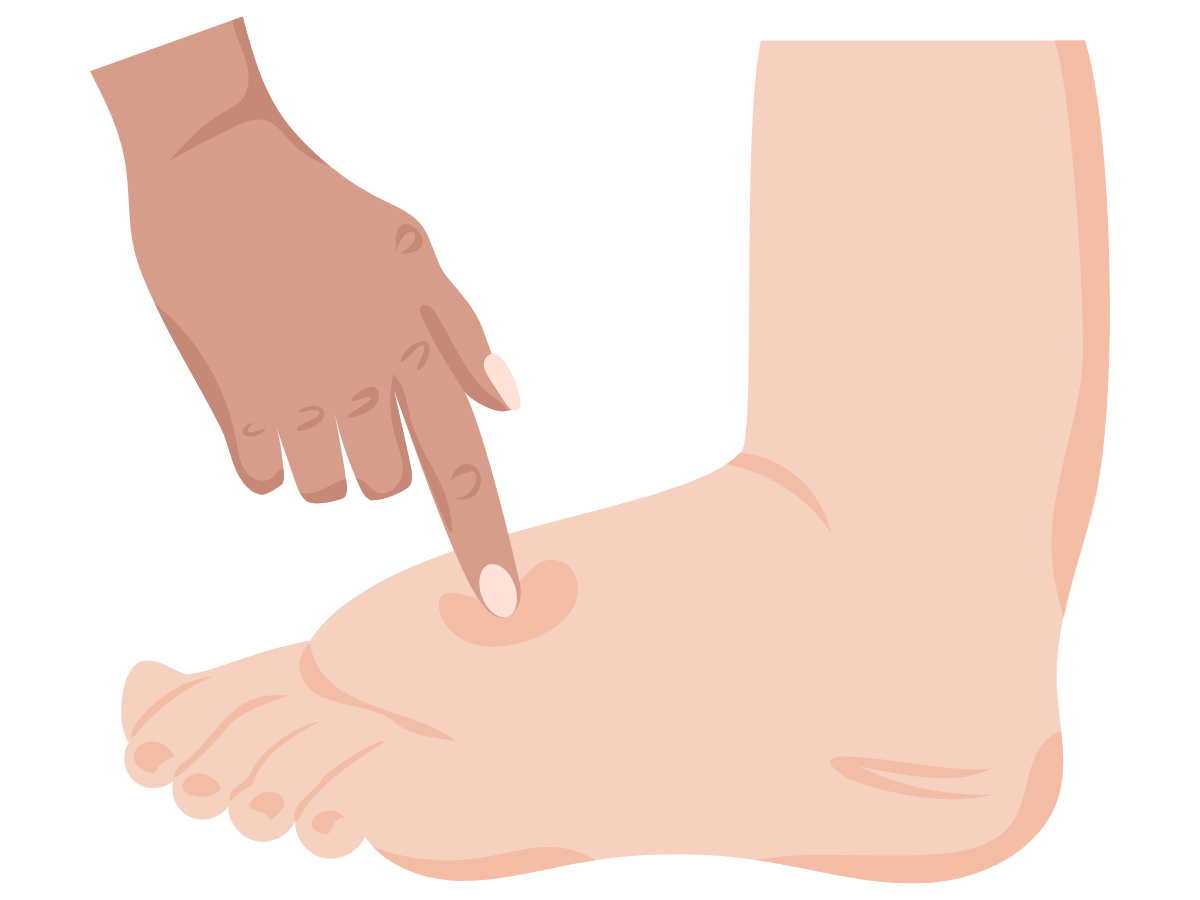
The statistics surrounding charcot foot are sobering. While it affects approximately 0.1% to 0.4% of all diabetic patients, the prevalence rises dramatically to about 13% among diabetic patients with peripheral neuropathy.
The american diabetes association emphasizes that early recognition and treatment are crucial, as delayed intervention can result in irreversible deformity and significantly increased risk of amputation.
What Causes Charcot Foot?

The primary cause of charcot foot is diabetic neuropathy, a condition where prolonged high blood sugar levels damage the peripheral nerves responsible for sensation in the feet. This nerve damage creates a dangerous cycle that leads to foot collapse and severe deformity.
When diabetic neuropathy develops, patients lose their protective sensation—the ability to feel pain, pressure, and temperature changes in their feet. This loss of feeling means that small fractures, sprains, or other injuries go completely unnoticed.
Acute fractures can also occur in the early stages of Charcot foot and may require timely intervention, including surgery if offloading is insufficient, to prevent further progression. Instead of resting an injured foot as a person with normal sensation would naturally do, individuals with neuropathy patients continue walking and bearing weight on the damaged structures.
High blood sugar levels contribute to this process in multiple ways. Uncontrolled diabetes not only accelerates nerve damage but also affects blood flow to the foot and ankle joints. Poor circulation compromises the body’s ability to heal minor injuries and can lead to weakened bones with poor bone quality.
Several other risk factors can increase the likelihood of developing diabetic charcot foot:
Tight achilles tendon, which increases pressure on the foot and ankle joints
Previous foot trauma or surgery
Long-standing diabetes with poor glycemic control
History of foot ulcers or infections
Certain medical conditions affecting the spinal cord or nervous system
The inflammatory process that triggers Charcot joints involves complex changes in bone metabolism. When microtrauma occurs, the body’s inflammatory response actually accelerates bone destruction rather than promoting healing.
This creates a cascade of joint damage and foot deformity that can progress rapidly if not interrupted through proper medical treatment.
Recognizing Charcot Foot Symptoms
Early recognition of charcot foot symptoms is critical for preventing permanent deformity and preserving foot function. The challenge lies in the fact that many patients with diabetic neuropathy cannot feel pain despite having significant structural damage to their feet.
The earliest warning signs of acute Charcot include:
Sudden onset of swelling: The affected foot typically becomes noticeably swollen compared to the other foot, often without any obvious cause or remembered injury.
Redness and warmth: The foot may appear red and feel significantly warmer than the unaffected foot. Healthcare providers often check for temperature differences greater than 2°C between feet as a diagnostic indicator.
Absence of significant pain: Unlike typical foot injuries, patients with charcot foot often report minimal discomfort despite visible swelling and inflammation. This lack of pain is due to the underlying neuropathy and is actually a warning sign rather than a reassuring symptom.

As the condition progresses, additional symptoms may develop:
Visible foot instability when walking
Changes in foot shape or arch height
Difficulty fitting into regular shoes
Development of bony prominences that create pressure points
Skin temperature changes that patients may notice when touching their feet
In severe cases, a foot break may occur, where bones break and displace, leading to further deformation of the foot or ankle and increasing the risk of complications such as pressure sores and ulcers
It’s crucial to understand that charcot foot symptoms can mimic other serious conditions, particularly bone infection (osteomyelitis) or severe cellulitis. Both conditions can present with similar redness, swelling, and warmth. However, the key difference is that patients with charcot foot typically have reduced sensation and may not experience the severe pain that would normally accompany such inflammation.
The Evolve Health Clinic emphasizes that any diabetic patient with neuropathy who develops sudden foot swelling, redness, or warmth should seek immediate medical attention, even in the absence of pain.
Early intervention during the acute stages can often prevent the devastating joint destruction and foot collapse that characterizes advanced charcot deformity. Without prompt treatment, Charcot arthropathy can result in significant deformity and disability.
How Doctors Diagnose Charcot Foot
Diagnosing charcot foot requires a comprehensive approach that combines clinical assessment, imaging tests, and careful evaluation of the patient’s medical history. The challenge for healthcare providers lies in identifying the condition early, when intervention can be most effective.
The diagnostic process typically begins with a thorough physical exam. Your healthcare provider will assess several key factors:
Medical history review
Doctors will examine your diabetes control history, duration of disease, and any previous foot problems. They’ll also assess your current medications and recent changes in activity level that might have triggered the condition.
Clinical assessment of protective sensation
Using specialized tools like monofilaments, providers test whether you can feel light pressure on various parts of your feet. Loss of protective sensation is a critical risk factor for charcot foot development.
Physical examination
The provider will carefully examine both feet, comparing temperature, appearance, and structural integrity. They’ll assess for skin temperature changes, swelling patterns, and any visible deformity.

Imaging tests play a crucial role in confirming the diagnosis and assessing the extent of damage:
X-ray imaging: Plain radiographs are typically the first imaging study performed. In early stages, Foot X-rays may show only soft tissue swelling, but as the condition progresses, they reveal characteristic patterns of bone fragmentation, joint destruction, and structural collapse.
Magnetic resonance imaging (MRI): MRI provides detailed images of soft tissues, bones, and joints. This advanced imaging helps differentiate charcot foot from bone infection and can detect early bone changes that might not be visible on standard X-rays.
Bone scan: Nuclear medicine bone scans can detect increased bone metabolism associated with charcot foot. These tests are particularly helpful in early diagnosis when other imaging may appear normal.
CT scans: Computed tomography provides detailed views of bone structure and can help with surgical planning if intervention becomes necessary.
One of the most significant diagnostic challenges is distinguishing acute charcot from bone infection, as both conditions can present with remarkably similar symptoms.
Treatment Options for Diabetic Charcot Foot
Treating charcot foot requires an aggressive, multidisciplinary approach focused on preventing further joint destruction and preserving foot function. The treatment strategy depends on the stage of the condition and the extent of deformity present.
Nonsurgical Treatment
The cornerstone of conservative charcot foot treatment is immediate immobilization and offloading of the affected foot. This approach is most effective when initiated during the acute stages of the condition.
Total contact cast: The gold standard for treating charcot foot is the total contact cast, which provides complete immobilization while distributing weight evenly across the foot surface. This specialized casting technique requires expertise to apply properly and typically needs replacement every 1-2 weeks initially to accommodate changes in swelling.

Non-weight bearing protocols: Patients are typically instructed to avoid putting weight on the affected foot entirely during the acute phase. This may require the use of assistive devices like wheelchairs, knee scooters, or crutches for several months.
Duration of immobilization: The acute phase of charcot foot can last anywhere from 3-6 months or longer. Treatment continues until clinical signs of inflammation resolve and X-rays show evidence of bone healing and stability.
Long-term management: Once the acute phase resolves, patients transition to custom diabetic shoes with specialized shoe inserts or prescription shoes designed to accommodate any residual foot deformity. Some patients may require custom braces or specialized orthotic devices for lifelong foot protection.
When Surgery Is Necessary
Surgical correction becomes necessary when conservative treatment fails to control the condition or when significant foot deformity creates ongoing problems with ulceration and instability.
Indications for surgery include:
Severe deformity that cannot be accommodated with bracing or specialized footwear
Recurrent foot ulcers over bony prominences
Foot instability that prevents effective walking
Failed conservative management with ongoing joint destruction
Types of surgical procedures:
Exostectomy: Removal of bony prominences that create pressure points and lead to ulceration.
Joint fusion: Surgical fusion of unstable joints to create a stable, plantigrade foot that can be fitted with appropriate footwear.
Reconstructive surgery: Complex procedures aimed at restoring normal foot alignment and function.
Internal fixation: Use of screws, plates, or external devices to stabilize fractures and joint disruption.
Surgery for charcot foot carries significant risks, particularly in diabetic patients who may have compromised healing ability and increased susceptibility to infection. The decision to proceed with surgical intervention requires careful consideration of the potential benefits against these elevated risks.
Recovery and Rehabilitation After Charcot Foot
Recovery and rehabilitation following a diagnosis of Charcot foot are essential steps toward regaining stability and function in the affected foot and ankle joints. The primary focus during recovery is to protect the injured foot from further damage, prevent joint dislocation, and support the healing process.
Immobilization, often with a total contact cast or a removable walking cast, is a key part of treatment. This approach helps offload pressure from the foot and ankle, allowing weakened bones and soft tissues to heal properly.
As healing progresses, a carefully designed rehabilitation program becomes crucial. Physical therapy can help restore mobility, improve strength, and increase the range of motion in the foot and ankle. Therapists may introduce gentle exercises tailored to your specific needs, always taking into account any risk factors such as poor bone quality or underlying vascular disease that could affect recovery.
Neuropathic patients, in particular, benefit from a multidisciplinary approach. Working closely with your healthcare team—including podiatrists, physical therapists, and diabetes specialists—ensures that your rehabilitation plan addresses all aspects of your health. This team will monitor for signs of severe deformity, joint dislocation, or other complications, adjusting your care as needed to promote optimal healing.
Throughout recovery, it’s important to follow all medical advice regarding weight-bearing restrictions and use of assistive devices. Adhering to these guidelines helps prevent further injury and supports the long-term stability of the foot and ankle joints.
Key points to focus on during recovery and rehabilitation include:
Immobilization with a total contact cast or removable walking cast to offload pressure
Gradual introduction of physical therapy exercises to restore mobility and strength
Multidisciplinary care involving podiatrists, physical therapists, and diabetes specialists
Close monitoring for signs of deformity or joint dislocation
Strict adherence to weight-bearing restrictions and use of assistive devices
Consideration of individual risk factors such as poor bone quality and vascular disease
With dedicated care and rehabilitation, many individuals with Charcot foot can reduce the risk of severe deformity and regain a higher level of independence and quality of life.
Lifestyle Changes for Living with Charcot Foot

Adapting to life with Charcot foot means making meaningful lifestyle changes to protect the affected foot and prevent further complications. For diabetic patients, maintaining strict blood sugar control is essential—not only does this slow the progression of neuropathic damage, but it also supports healing and reduces the risk of additional foot problems.
1. Blood Sugar Management
Maintaining optimal blood sugar levels is critical. Good glycemic control helps slow neuropathic damage progression, supports healing, and reduces the risk of further complications in the foot.
2. Minimizing Repetitive Trauma
Minimizing repetitive trauma to the affected foot is critical. This may involve using assistive devices such as crutches, walkers, or a wheelchair to limit weight-bearing activities, especially during the healing phase.
3. Footwear and Pressure Redistribution
Wearing prescription shoes or custom shoes with specialized shoe inserts helps redistribute pressure, reducing the risk of developing foot ulcers and protecting against joint destruction.
4. Exercise and Mobility
Incorporating gentle exercise, such as stretching and strengthening routines recommended by your healthcare team, can help maintain mobility and support the health of your foot and ankle joints.
5. Managing Other Medical Conditions
It’s also important to manage other medical conditions, such as vascular disease, which can impact blood flow and healing in the foot.
6. Weight Management and Lifestyle Habits
Maintaining a healthy weight reduces stress on the foot and ankle, while quitting smoking and following your prescribed treatment plan further support overall foot health.
7. Regular Follow-Up Care
Regular follow-up appointments with your healthcare providers ensure that any changes in your condition are addressed promptly, helping to prevent severe deformity and other complications. For expert care and specialized treatment, consider visiting Evolve Health clinics, where a multidisciplinary team is dedicated to managing Charcot foot and other diabetic foot problems.
By embracing these lifestyle changes and working closely with your medical team, you can take proactive steps to protect your feet, maintain your independence, and improve your quality of life while living with Charcot foot.
Complications and Long-Term Outlook
The long-term outlook for patients with Charcot foot depends greatly on how quickly the condition is diagnosed and treated. Understanding potential complications helps patients prepare for challenges ahead.
Foot ulcers and infections are the most common and serious complications. The altered foot shape creates abnormal pressure points, causing repeated skin breakdown. These ulcers can be difficult to heal and may lead to deeper soft tissue or bone infections.
The rocker bottom foot deformity results from midfoot collapse due to neuropathic changes, increasing ulcer and amputation risks. Early management is crucial to prevent severe disability.
Amputation risk remains significant, with studies showing up to 36% of patients may require some level of amputation, especially when chronic ulceration or infection occurs.
Mobility and quality of life can be greatly affected. Many patients experience permanent changes in walking ability, require assistive devices, and need to modify daily activities.
Prognosis improves with early diagnosis and treatment. Key factors for success include:
Early recognition and treatment
Compliance with non-weight-bearing restrictions
Effective diabetes and blood sugar control
Access to specialized diabetic foot care
Prevention of secondary complications like ulcers
Research shows 5-year mortality rates after major lower limb amputation can exceed 50%, highlighting the importance of early intervention and ongoing care.
Preventing Charcot Foot
Prevention of charcot foot centers on maintaining optimal diabetes control and implementing comprehensive foot care strategies. For diabetic patients, particularly those with peripheral neuropathy, prevention efforts can be lifesaving.
Blood sugar control forms the foundation of all prevention efforts. Maintaining target blood sugar levels as recommended by your healthcare team helps slow the progression of diabetic neuropathy and reduces the risk of developing charcot foot. The american diabetes association recommends regular monitoring and adjustment of diabetes medications to achieve optimal glycemic control.
Daily foot inspection is crucial for early detection of problems. Patients should examine their feet daily, looking for:
Changes in skin color or temperature
Swelling or unusual warmth
Cuts, blisters, or other skin breakdown
Changes in foot shape or structure

Proper diabetic footwear plays a critical role in prevention. Key features of appropriate diabetic shoes include:
Adequate depth to accommodate any foot deformity
Soft, seamless interior construction
Firm heel counter for stability
Appropriate width to prevent pressure points
Custom shoe inserts when indicated
Regular podiatric care is essential for all diabetic patients, particularly those with neuropathy. Routine visits to a foot specialist allow for:
Professional assessment of foot health and risk factors
Early detection of developing problems
Proper nail care and callus management
Adjustment of footwear and orthotics as needed
Lifestyle modifications that reduce foot trauma risk include:
Never walking barefoot, even indoors
Checking shoes for foreign objects before wearing
Avoiding extreme temperatures that could cause burns
Protecting feet from injury during activities
Maintaining a healthy weight to reduce pressure on the foot and ankle joints
The repetitive trauma that leads to charcot foot is entirely preventable in many cases through consistent implementation of these protective strategies and maintaining awareness of foot health as an integral part of diabetes management.
Expert Charcot Foot Care at Evolve Health
At Evolve Health, we understand that charcot foot represents one of the most challenging complications diabetic patients can face. Our comprehensive approach to charcot foot diagnosis and treatment combines advanced diagnostic capabilities with a multidisciplinary team of specialists dedicated to preserving your mobility and independence.
Our team comprises fellowship-trained foot and ankle surgeons who specialize in complex diabetic foot problems, collaborating with endocrinologists, wound care specialists, and certified diabetes educators to deliver coordinated care throughout your treatment journey. We utilize state-of-the-art imaging technology, including advanced MRI and CT scanning, to ensure accurate early diagnosis when intervention can be most effective.
For patients requiring conservative management, our facility offers expertise in total contact casting, custom orthotic fabrication, and specialized diabetic footwear fitting. When surgical intervention becomes necessary, our surgeons are experienced in the latest techniques for charcot foot reconstruction and stabilization, with access to advanced internal fixation systems and external bracing options.
Contact Evolve Health today to schedule a comprehensive diabetic foot evaluation and learn more about our specialized Charcot foot treatment programs.
Frequently Asked Questions
How long does Charcot foot take to heal?
Healing usually takes several months. The acute phase, requiring complete immobilization, lasts about 3-6 months but can be longer depending on severity. Full recovery and stabilization may take 12-18 months or more, with some patients needing lifelong monitoring and foot care.
Can I still walk with Charcot foot?
During the acute phase, walking on the affected foot is not allowed to prevent worsening damage. Assistive devices like wheelchairs or crutches are used. After healing, many patients can walk again with custom shoes or braces to support the foot.
Is Charcot foot the same as diabetic foot ulcers?
No. Charcot foot affects bones and joints, causing deformity, while diabetic foot ulcers are open wounds due to pressure and poor circulation. Charcot deformity can increase ulcer risk, and ulcers can complicate Charcot foot.
What shoes should I wear if I have Charcot foot?
Custom diabetic shoes with extra depth, seamless interiors, and custom inserts are recommended to accommodate deformities and prevent pressure sores. Regular shoes usually aren’t suitable for significant Charcot deformity.
Can Charcot foot affect both feet at the same time?
It usually affects one foot at a time, but patients with Charcot foot in one foot are at higher risk of developing it in the other. Lifelong monitoring of both feet is important.
Conclusion
Charcot foot is a serious complication for diabetic patients, but early recognition and treatment can prevent devastating outcomes. Key warning signs include sudden swelling, redness, and warmth in a neuropathic foot, even without pain. This absence of pain is a warning that requires urgent medical evaluation.
Early intervention with total contact casting and strict non-weight bearing can stop joint destruction and severe deformity. For diabetic patients, maintaining blood sugar control, daily foot checks, proper footwear, and regular podiatric care are vital to prevent this limb-threatening condition.
If you have diabetes and neuropathy, proactive foot care and monitoring are essential to protect your mobility and independence. Schedule your comprehensive diabetic foot evaluation at Contact Evolve Health today to get expert care and prevention strategies against Charcot foot and other diabetic complications.