
Understanding Athlete's Foot and Its Symptoms
What is Athlete’s Foot?
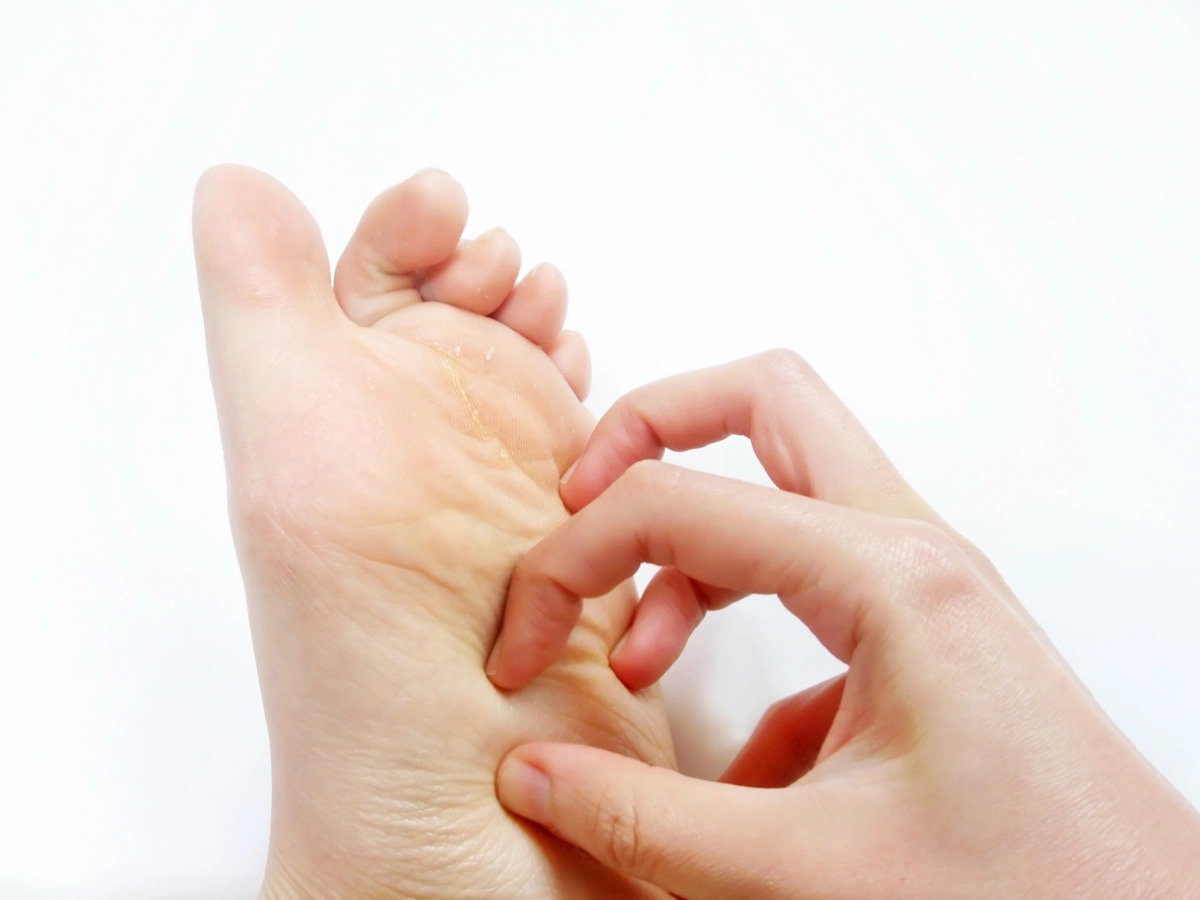
Athlete’s foot, or tinea pedis, is a contagious fungal infection characterized by itchy, flaky skin, typically between the toes and on the soles of the feet. While it’s commonly associated with athletes, anyone can develop this condition, especially those who frequent moist environments like locker rooms and swimming pools.
Identifying Symptoms
Recognizing the symptoms is crucial for prompt treatment. Common signs of athlete’s foot include:
• Itching, stinging, or burning sensations between the toes or on the soles
• Blisters on the feet
• Cracking or peeling skin, particularly between the toes
• Dry skin on the soles or sides of the feet
• Discolored, thick, or crumbly toenails
If you experience these symptoms, it’s important to act quickly to avoid complications.
The Cause of Athlete’s Foot
The culprit behind athlete’s foot is a group of fungi called dermatophytes. These fungi thrive in warm, damp environments like sweaty shoes or wet locker room floors. They feed on keratin, a protein found in skin, nails, and hair. Athlete’s foot can be transmitted through direct contact with an infected person or by touching contaminated surfaces.
Selecting the Right Treatment for Athlete's Foot
Choosing an Antifungal Cream
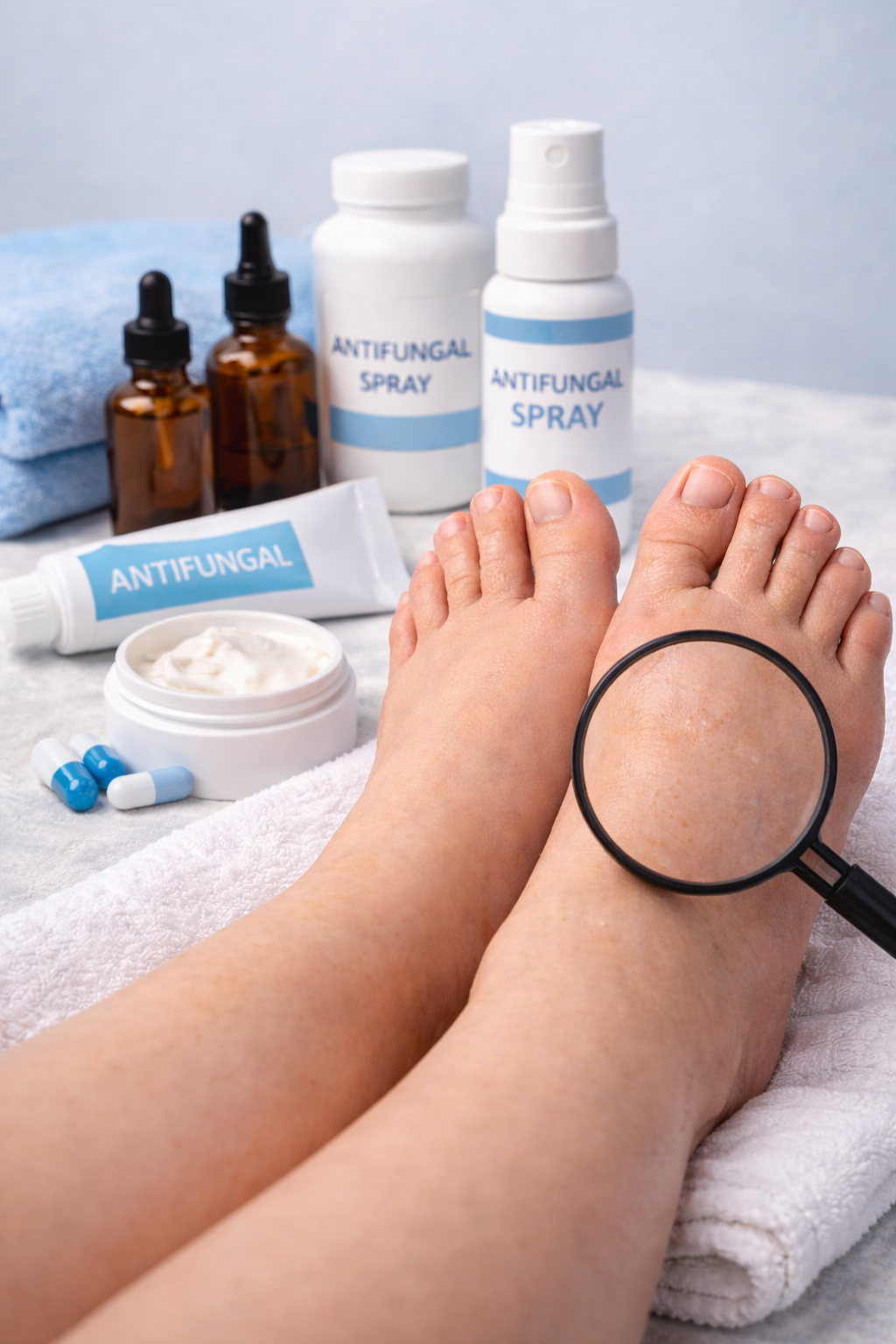
Selecting the appropriate athlete’s foot cream is a key step in treatment. Over-the-counter antifungal creams are designed to tackle the underlying cause of the infection and have been proven effective. Key ingredients to look for include:
• Clotrimazole
• Miconazole
• Terbinafine
• Fluconazole
• Ketoconazole
• Nystatin
These active ingredients work to inhibit fungal growth and alleviate symptoms, typically providing relief within a few weeks of consistent use.
Over-the-Counter vs. Prescription Options
While many cases of athlete’s foot can be effectively treated with over-the-counter creams, prescription options may be necessary for more severe cases or if over-the-counter treatments fail. Prescription creams include:
• Ertaczo (sertaconazole)
• Exelderm (sulconazole)
• Lamisil (terbinafine)
• Lotrimin (clotrimazole)
Consult a healthcare professional to determine the best course of action based on the severity of your condition.
Application Techniques for Best Results
Preparing the Affected Area
Before applying antifungal cream, it’s crucial to prepare the affected area. Start by washing your feet with antibacterial soap and drying them thoroughly, especially between the toes. Consider soaking your feet in warm water to soften the skin, allowing for better absorption of the cream.
Application Tips
Once your feet are clean and dry, apply a thin layer of antifungal cream to the affected area and gently massage it into the skin. Follow the instructions on the product label for frequency, typically 1-2 times daily. Remember to wash your hands after applying the cream to avoid spreading the infection.
Supporting Treatment with Home Remedies
In addition to antifungal creams, consider natural remedies and lifestyle changes to support treatment and prevent recurrence. Some options include:
• Vinegar
• Hydrogen peroxide
• Tea tree oil
• Garlic extract
• Cornstarch
• Sea salt
• Green tea
While these remedies may provide symptom relief, they should not replace professional medical treatment.
When to Seek Professional Help
Signs You Need Professional Care
While many athlete’s foot cases can be managed at home, there are situations where you should consult a specialist. Seek medical attention if:
• Symptoms persist despite treatment
• You experience intense itching after removing your shoes
• You notice scaly, peeling, or cracked skin
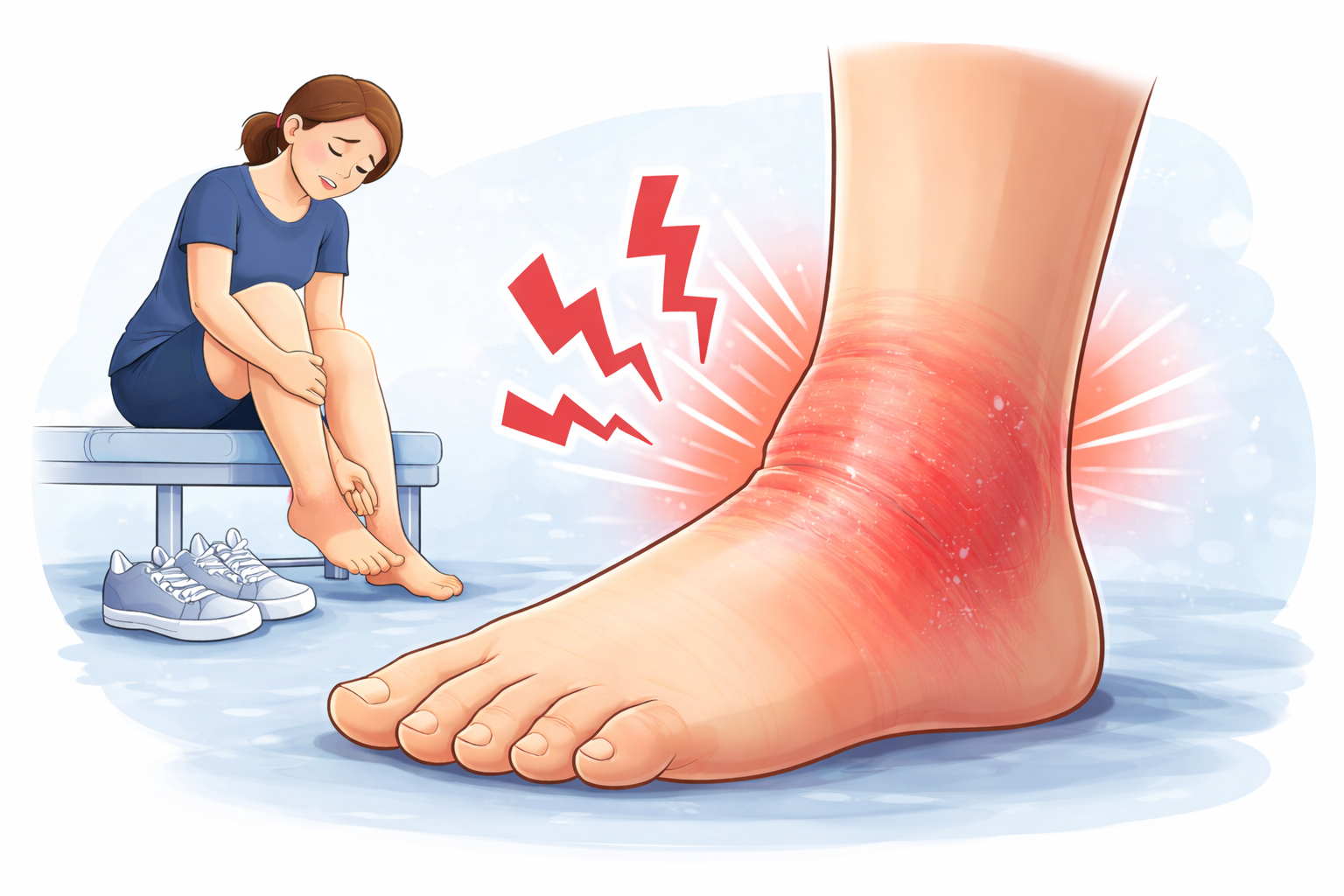
• There is redness, swelling, or pain in the affected area
The Role of Podiatrists
Podiatrists specialize in diagnosing and treating foot conditions, including athlete’s foot. They can provide comprehensive care, recommend effective treatments, and guide you in preventing future infections. They may conduct a visual examination or perform a skin scraping to confirm the diagnosis and recommend appropriate treatment options.
Understanding Risks and Side Effects
While antifungal treatments are generally safe, they can cause side effects such as burning, irritation, or, in rare cases, severe allergic reactions. If you experience any concerning symptoms, discontinue use and consult a healthcare professional.
Common Questions About Athlete Foot Cream
What is the best cream for an athlete's foot?
For athlete’s foot, try applying an antifungal product such as terbinafine (Lamisil AT) or clotrimazole (Lotrimin AF). Experiment to find the product and formulation that works best for you.
How do I cure my athlete's foot naturally?
I treated my athlete’s foot by using home remedies such as tea tree oil, garlic, hydrogen peroxide, rubbing alcohol, and sea salt baths. I also used over-the-counter treatments, neem oil, talcum powder, and baking soda.
Does Vicks Vapor Rub cure athlete's foot?
While Vicks VapoRub has antifungal properties, it should not be relied on alone to cure athlete’s foot. It is best to take preventative steps such as keeping the feet dry and changing socks regularly.
What are common signs of athlete's foot?
Common signs of athlete’s foot include itching, burning, blisters, cracking/peeling skin, dry skin, discolored toenails, and toenails that pull away from the nail bed.
What are the active ingredients in antifungal creams?
Common active ingredients in antifungal creams are clotrimazole, miconazole, terbinafine, fluconazole, ketoconazole, and nystatin.