Introduction to Ankle Injuries
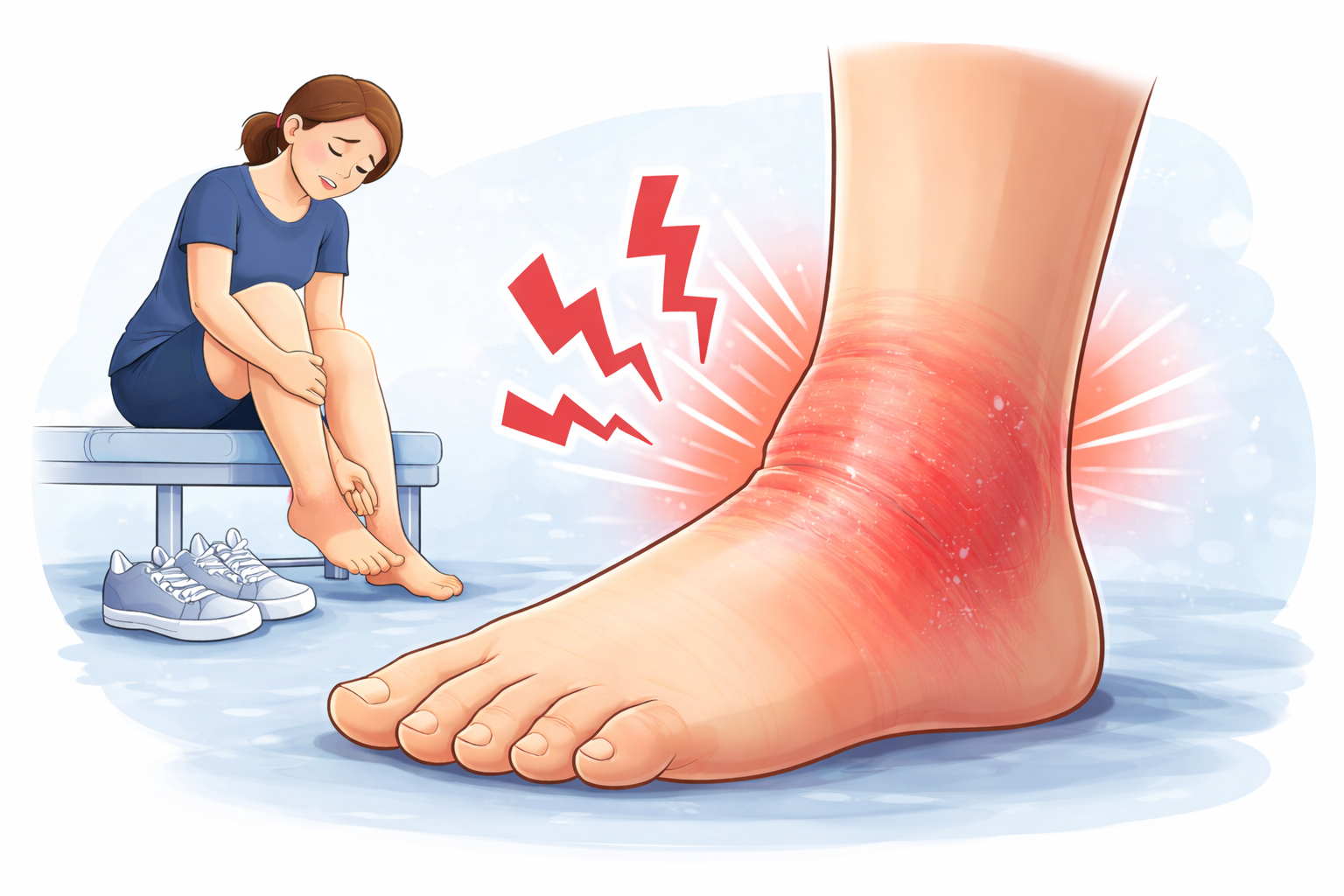
Ankle injuries are among the most common musculoskeletal problems, affecting people of all ages and activity levels. Whether you’re an athlete sprinting down the basketball court or simply stepping off a curb, a sudden twist can lead to an ankle sprain.
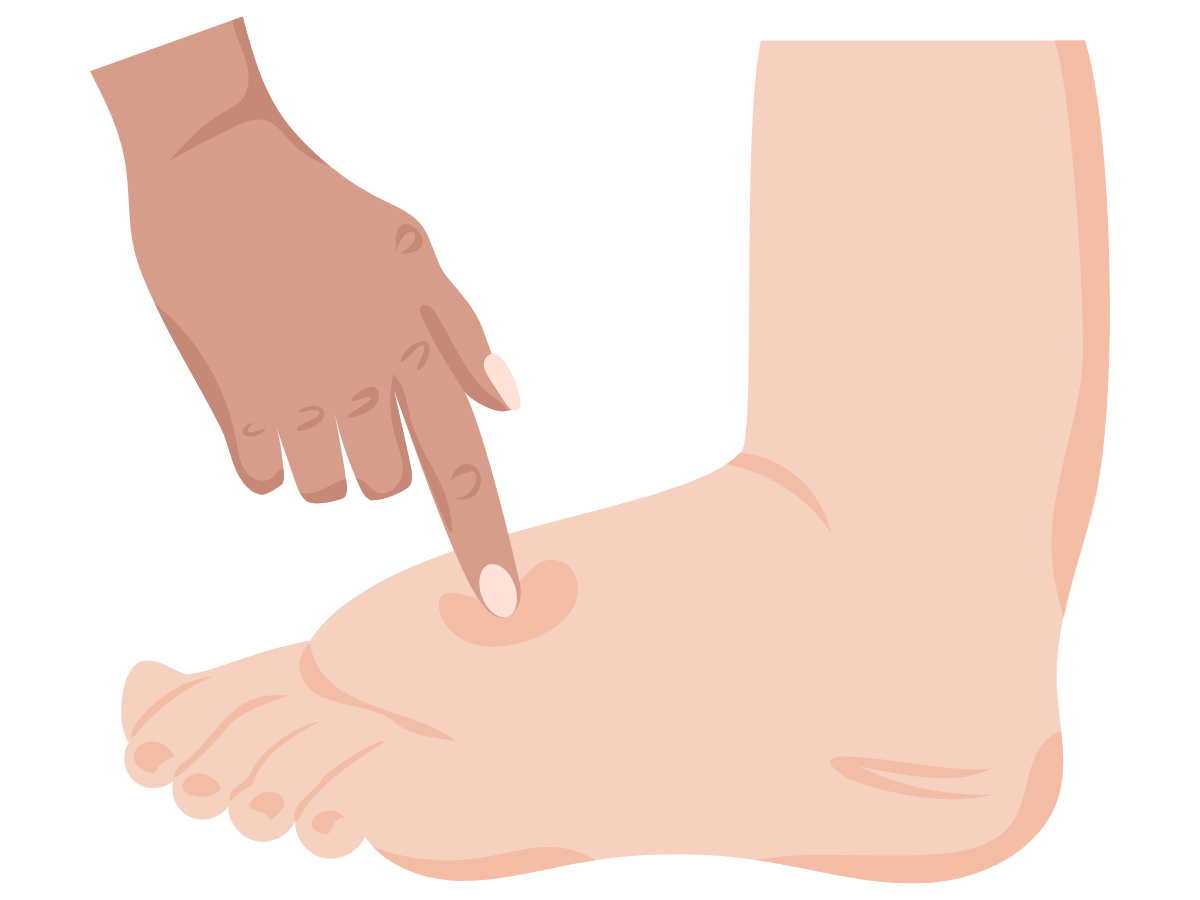
This happens when the ligaments that stabilize the ankle joint are stretched or torn, resulting in ankle pain, swelling, and sometimes a feeling of instability. Even mild sprains can disrupt your daily routine, while more severe injuries may put you at higher risk for chronic ankle problems.
Providing the right ankle support during recovery is crucial. Soft ankle braces are a popular choice for managing mild sprains—they help reduce swelling, offer mild support, and can make walking more comfortable as you heal. Research shows that wearing an ankle brace not only speeds up recovery but also lowers the risk of future sprains, especially for athletes in high-impact sports like volleyball, basketball, and tennis.
No matter your activity level, the right brace can make a significant difference in your recovery and help you get back to your routine with less pain and more confidence.
Ankle Joint Anatomy (Why Your Ankle Needs Support)
The ankle joint is a remarkable structure, designed to balance strength and flexibility so you can walk, run, and jump with ease. It’s made up of three main bones—the tibia, fibula, and talus—held together by a network of ligaments, tendons, and muscles. Ligaments like the anterior talofibular and calcaneofibular are especially important for keeping the ankle stable during movement.
When you experience an ankle sprain, these ligaments can become overstretched or even torn, leading to ankle pain, swelling, and a loss of stability. That’s why ankle support is so important after an injury. Braces such as hinged braces or lace-up designs provide extra support to the ankle joint, helping to protect the ligaments as they heal and reducing the risk of further injury.
These braces also offer compression, which helps reduce swelling and promotes faster recovery. By supporting the muscles and tendons around the ankle, a well-chosen brace can restore stability and allow you to move with less pain as you recover.
How Ankle Braces Work (In Plain English)
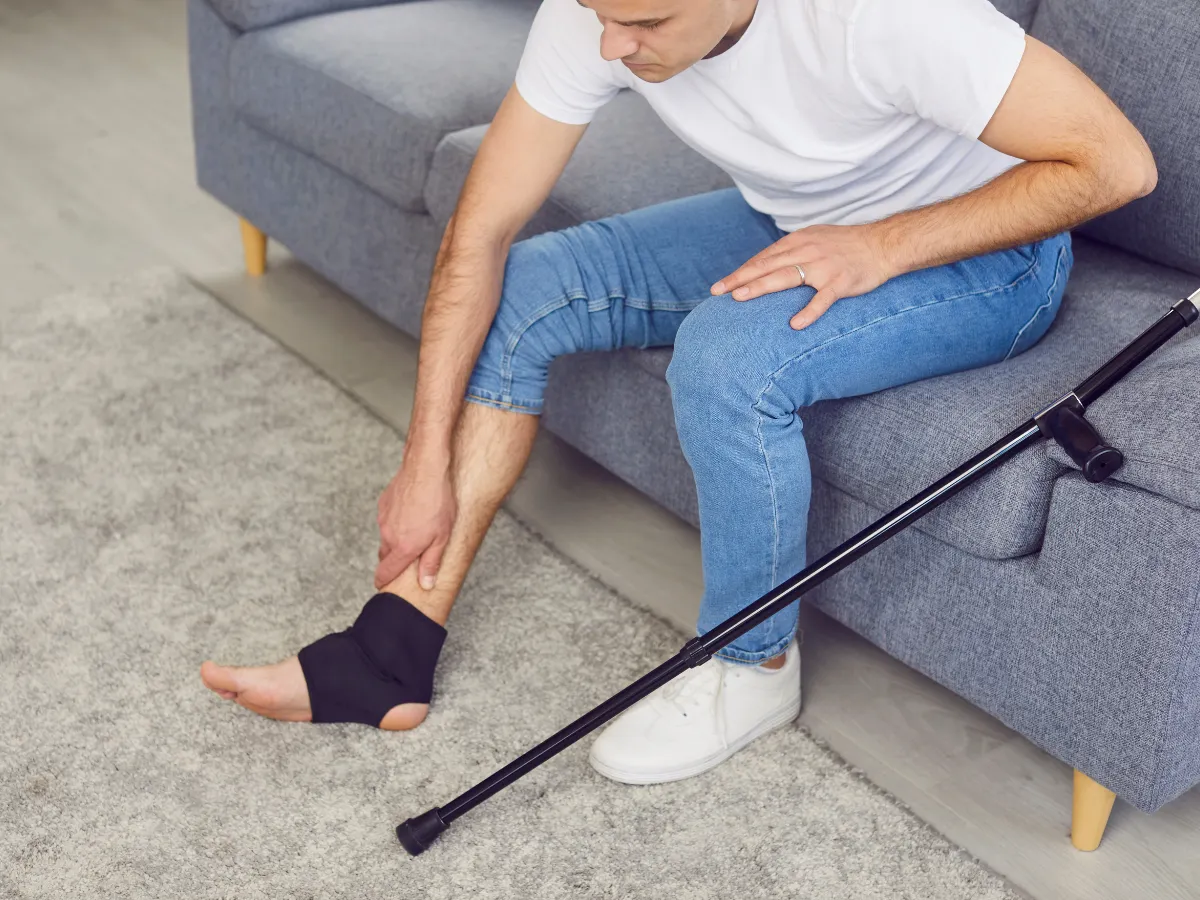
Your ankle is stabilized by bones, muscles, and a network of ligaments and tendons. These structures work together to stabilize the joints, providing essential support for movement and balance. When you sprain an ankle, one or more ligaments (often on the outer/lateral side) are stretched or torn.
That makes the ankle joint more vulnerable to the exact motion that caused the injury—usually plantar flexion plus inward rolling. Ankle braces help support the joints during recovery by providing external stability.
An ankle brace acts like an external support system:
It limits risky movement (especially side-to-side rolling)
It adds compression to help reduce swelling
It improves awareness of ankle position (proprioception), which supports balance and stability
Rehab still matters. If someone keeps bracing but skips strength and balance work, the ankle may feel “dependent” because the root issue wasn’t trained—your muscles and neuromuscular control are still behind.
Ankle braces are just one part of a comprehensive treatment plan for ankle injuries, which should also include rehabilitation and, when needed, medical consultation.
First: Understand Your Sprain Severity (Grade 1–3)
Not sure what grade you have? A quick medical assessment is worth it when swelling is big, pain is severe, or you can’t walk normally. It’s important to consult a doctor to determine the severity of your ankle injury and the most appropriate treatment.
Grade 1 (Mild)
Ligament stretched, minimal tearing
Mild swelling and soreness
You can usually walk (maybe with a limp)
For mild sprains, compression sleeves or strap braces are recommended for comfort and light support. Strap braces use adjustable straps that wrap around the ankle to provide additional stability, especially helpful for those needing a bit more control during daily activities.
Grade 2 (Moderate)
Partial ligament tear
More swelling/bruising
Pain with walking and instability
Grade 3 (Severe)
Complete tear or major instability
Significant swelling/bruising
Hard to bear weight
Sometimes associated with fracture risk
If you’re uncertain about the injury or worried it’s more than a sprain, it helps to know what a medical visit includes—this guide explains the process in a patient-friendly way: what to expect from a podiatrist appointment after a foot injury.
Types of Ankle Braces (And What They’re Actually For)
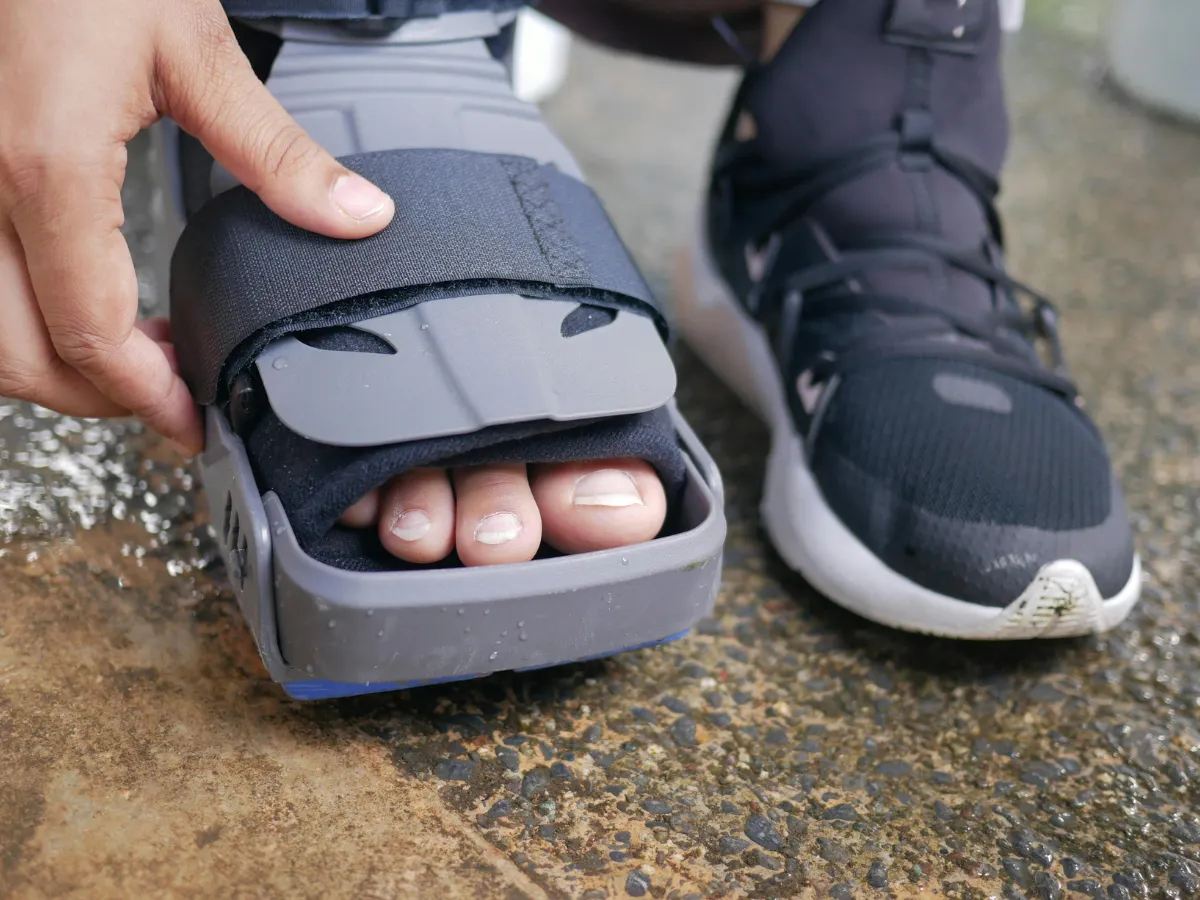
There are four main categories. The best choice depends on your sprain grade and what you’re doing day-to-day. Ankle braces vary in type from soft compression sleeves for mild support to rigid boots for severe injuries, and each type limits motion differently. For both lateral and medial ankle sprains, the type of brace chosen should provide appropriate support for the specific ligaments involved.
1) Compression Sleeve (Soft Ankle Brace)
Best for: Grade 1 sprains, mild ankle pain, swelling control, everyday walking
Support level: Mild
Pros: Low profile, easy to wear, fits most shoes, warmth + compression
Cons: Doesn’t strongly stop rolling—may feel “too weak” for moderate sprains
A compression sleeve is useful when your biggest issue is swelling and mild discomfort, not instability. It’s also a great transition option when you’re weaning off a more supportive brace.
2) Lace-Up Brace (Semi-Rigid Support)
Best for: Grade 2 sprains, return to sports, recurring sprains
Support level: Moderate to high
Pros: Adjustable fit, limits side-to-side motion, fits many athletic shoes
Cons: Takes longer to put on, can feel tight if sizing is off
A lace up brace is a top choice for “I can walk but I don’t trust my ankle yet.” The combination of laces and straps helps stabilize the ankle joint without fully immobilizing it. Lace-up or strap braces provide moderate support and stability for sprains, are adjustable for fit, and are generally used in most shoes.
Straps are a key component, wrapping around the ankle to enhance stability, especially for high-risk or high-energy sports activities. High-impact sports require lace-up or hinged braces for superior stability to prevent ankle rolling.
3) Hinged Braces (Semi-Rigid, Sport-Friendly)
Best for: Moderate sprains, athletes who want flexibility with stability
Support level: Moderate to high
Pros: Limits rolling while allowing more natural up/down movement
Cons: Some models are bulkier and may not fit narrow shoes
A hinged brace is designed to stop the ankle from “giving way” laterally while preserving functional motion. This is often ideal for court sports like basketball or volleyball.
4) Rigid Braces / Walking Boot (Maximum Protection)
Best for: Grade 3 sprains, suspected fracture, severe instability
Support level: Maximum effectiveness
Pros: Strong protection, reduces motion, helps early-phase healing
Cons: Bulky, may not fit in shoes, not intended for long-term use
Rigid support is usually temporary. Once pain and swelling settle and your provider clears you, you’ll often transition into a lace-up brace to regain mobility safely.
Ankle Brace Features (What to Look For)
Choosing the right ankle brace can make a big difference in your recovery and comfort. To ensure maximum effectiveness, look for a brace that offers both support and compression to help reduce swelling and stabilize the ankle joint.
Features like a semi-rigid or ultra-zoom design provide more support and stability, especially if you’re returning to sports or need extra protection during daily activities. A compression sleeve is ideal for mild support and managing swelling, while a bilateral design ensures both sides of your ankle are protected.
Comfort is key—make sure the brace fits well, allows for natural movement like plantar flexion, and doesn’t restrict your circulation. Adjustable straps or laces can help you get a snug fit without being too tight. Research shows that wearing an ankle brace with these features can significantly reduce the risk of sprains and speed up recovery.
Whether you need mild support for everyday tasks or extra support for sports, selecting a brace with the right features will help you stay active and protect your ankle as it heals.

The Best Ankle Brace for Sprain Recovery (By Grade)
Here’s the simplest, patient-friendly rule:
Grade 1: Compression sleeve or light brace for daily tasks
Grade 2: Lace-up or hinged brace for stable walking and return to activity
Grade 3: Rigid brace/boot early → transition to lace-up when healing progresses
If you’ve been compensating and now feel pain elsewhere—especially through the arch—don’t ignore it. A sprain can change how you load the foot, triggering strain in the inner arch. This resource explains common patterns and fixes Inner Arch Foot pain—take a look to understand more about the causes and solutions.
Quick Sizing Chart (Simple Table Google Loves)
Measure around the ankle at the narrowest point (above the ankle bone). If you’re between sizes or swelling is significant, size up.
Ankle Circumference | Typical Brace Size | Best Fit Notes |
|---|---|---|
7–8 in (18–20 cm) | Small | Best for low-profile braces; avoid over-tight straps |
8–9 in (20–23 cm) | Medium | Most common; good for lace-up + daily shoes |
9–10.5 in (23–27 cm) | Large | Choose adjustable straps if swelling fluctuates |
10.5+ in (27+ cm) | XL/XXL | Prioritize comfort + width, especially for hinged designs |
Tip: Wear a sock under the brace to prevent rubbing, and make sure it fits the shoe you’ll actually wear during activity. The best brace is the one you’ll keep on.
“Will Wearing an Ankle Brace Make My Ankle Weak?”
Not if you use it correctly.
Bracing doesn’t automatically weaken the ankle. The problem happens when people use a brace as a replacement for rehab, instead of a tool that lets them move safely while healing.
To avoid long-term weakness:
Use the brace for protection during higher-risk movement (walking outside, sports)
Continue ankle exercises for strength, balance, and stability
Wean off the brace as you regain control and confidence
Think of it like crutches: helpful early, but not the end goal.
How Long Should You Wear an Ankle Brace?
A practical timeline (varies by person):
Grade 1: 3–10 days (until walking is comfortable and swelling improves)
Grade 2: 3–6 weeks (with gradual reduction as function returns)
Grade 3: 4–8+ weeks (often boot early, then lace-up)
It’s important to allow enough time for healing and recovery before discontinuing your ankle brace. The need for an ankle brace usually diminishes as your injury recovers.
If swelling increases, your ankle injury feels unstable, or you can’t bear weight without pain, get evaluated.
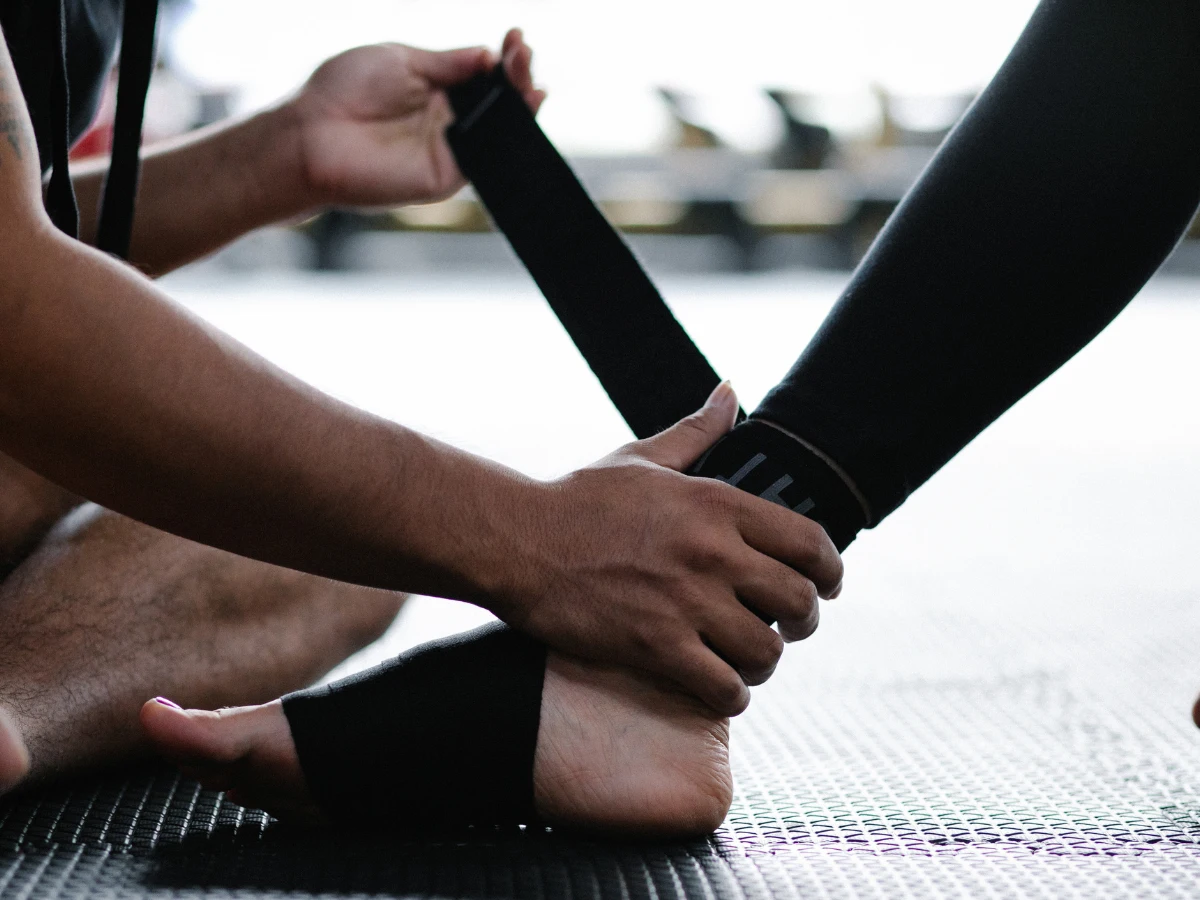
How to Wear an Ankle Brace Correctly (So It Actually Works)
Use these quick checks:
Start with a sock (reduces rubbing and blisters)
Heels seated properly (your heel should be fully back in the brace)
Snug—not numb (tight enough for support, not so tight it causes tingling)
Test a few steps (walk, turn, and do a light heel raise)
Check circulation (toes should stay warm and normal color)
Then air dry the brace after use (especially lace-up styles) to prevent odor and material breakdown.
Braces We Keep Stocked in Evolve Health Clinic
When patients ask us for simple, reliable options, we focus on braces that combine real stability with comfort and shoe compatibility. In clinic, we typically lean toward:
Lace-up braces for most Grade 2 sprains
Semi-rigid/hinged braces for athletes returning to sport
Rigid options early for serious instability
If you want to browse what we recommend most often, you can shop the braces we trust most. For more details on what to expect from a podiatrist appointment after a foot injury.
Brace vs Wrap vs Tape: What’s Best?
Wraps/sleeves: Best for light support and swelling control
Tape: Can work well but loosens with sweat and time, and takes skill to apply
Braces: Most consistent support, easy to re-tighten, cost-effective long-term
If you’re active, braces usually win for convenience and reliable stability.
When You Should See a Foot Specialist
Get medical help if:
You can’t walk 4 steps without severe pain
Swelling or bruising is rapid and intense
The ankle looks deformed
You have numbness, cold toes, or severe calf pain
Pain persists longer than expected for the grade
And if you notice changes in the foot or black spot on toenails after trauma—like discoloration that looks like a bruise but won’t grow out—this guide may help you decide what’s normal vs what needs attention.
Evolve Health Takeaway: Bracing + Rehab Wins
At Evolve Health, we see the same pattern again and again: the fastest recoveries come from the right brace plus the right plan. Bracing provides stability when your ligaments are vulnerable, and rehab rebuilds the strength and control that prevents re-injury.
If you’re stuck in a cycle of “I keep rolling my ankle,” it’s not just about buying a stronger brace—it’s about rebuilding balance, strength, and confidence step by step.
Conclusion
Choosing the right ankle brace after a sprain is key to a smooth and speedy recovery. Whether you need mild support from a compression sleeve or maximum protection from a rigid brace, matching the brace to your injury severity and activity level helps reduce pain, swelling, and the risk of future sprains.
Remember, ankle braces work best when combined with proper rehabilitation exercises to rebuild strength and stability. With the right support and care, you can get back on your feet confidently and safely.
FAQs: Ankle Braces After a Sprain
What is the best ankle brace for sprain recovery?
For most moderate sprains (Grade 2), a lace-up brace offers the best mix of support and shoe compatibility. Severe sprains may need rigid support early.
Can I walk with a sprained ankle if I’m wearing an ankle brace?
Often yes—if pain is manageable and the brace provides stability. If you can’t bear weight, or pain worsens, get evaluated.
Should I sleep in an ankle brace?
Generally no, especially after the first day or two. Once swelling is controlled, it’s usually better to remove it for sleep unless your clinician advises otherwise.
Do ankle braces prevent future sprains?
They can reduce the risk, especially during sports or uneven terrain—but they work best when combined with rehab exercises.
How tight should my ankle brace be?
Snug enough to support the ankle without numbness, tingling, or discoloration in the toes. Comfort matters—if it’s too tight, you won’t wear it consistently.