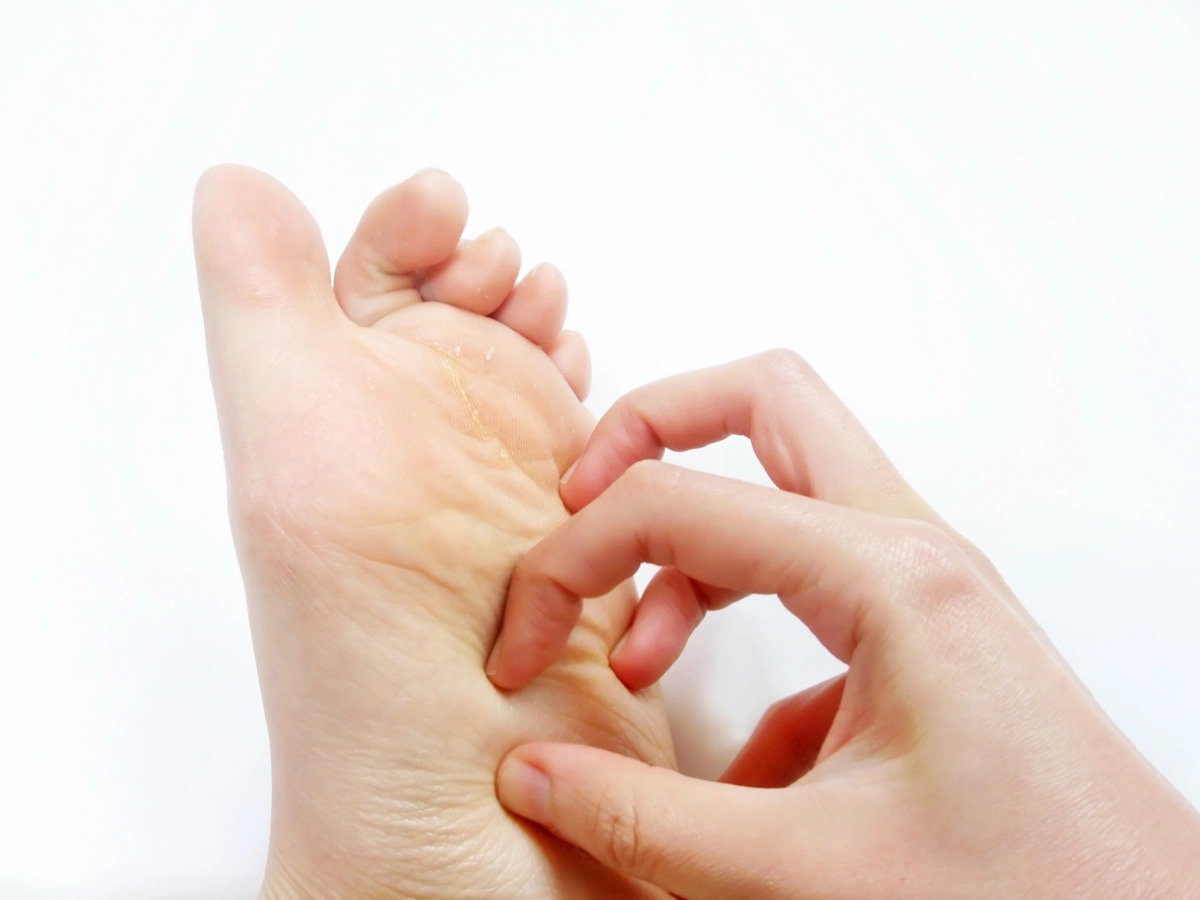

Understanding Pitted Keratolysis
What is Pitted Keratolysis?
Pitted keratolysis is a superficial skin condition caused by bacteria that break down the outer layer of the skin, known as the stratum corneum. This bacterial infection often occurs in humid environments and thrives in areas where the skin is exposed to excessive moisture. The bacteria responsible, including Corynebacteria and Kytococcus sedentarius, produce enzymes that lead to the formation of small pits on the soles of the feet, creating an unpleasant odor.
Common Symptoms of Pitted Keratolysis
The most recognizable symptom of pitted keratolysis is the appearance of small, crater-like pits on the pressure points of the feet. These pits are often accompanied by a distinct, foul odor due to the bacterial activity. While the condition is generally painless, the cosmetic and social impact can be significant, particularly for individuals who are frequently on their feet or live in warm, humid climates.
Risk Factors for Pitted Keratolysis
Certain lifestyles and occupations make people more prone to developing pitted keratolysis. Those who work in environments that promote sweating and moisture, such as industrial workers, athletes, or military personnel, are at a higher risk. Additionally, individuals with hyperhidrosis (excessive sweating) or those who frequently wear tight, non-breathable footwear are more susceptible to the infection.
How Pitted Keratolysis Develops
Pitted keratolysis is primarily triggered by prolonged exposure to moisture. When the skin remains damp for extended periods, the protective barrier weakens, allowing bacteria to thrive. This is why the condition is prevalent in people who live in tropical climates, work in wet environments, or wear closed shoes for long hours without allowing their feet to breathe.
Diagnosing Pitted Keratolysis
Identifying the Condition
Diagnosing pitted keratolysis is often straightforward based on the visual signs, including the characteristic pits and the unpleasant odor. In some cases, additional tests may be performed to confirm the diagnosis. For example, a Wood’s lamp examination may be used to identify the coral-red fluorescence that the bacteria emit. Skin scrapings can also help rule out fungal infections, which may present similar symptoms.
Is Pitted Keratolysis Contagious?
Fortunately, pitted keratolysis is not contagious. The bacteria responsible for the condition do not spread from person to person. This means you don’t have to worry about passing the infection on to others through casual contact, although the foot odor can be a source of embarrassment in social situations.
Importance of Early Detection
Early detection is key to managing pitted keratolysis effectively. While the condition is not life-threatening, allowing it to persist without treatment can lead to more severe discomfort, increased bacterial activity, and the worsening of symptoms. The sooner it is recognized, the easier it is to treat.
When to See a Specialist
If home remedies and over-the-counter treatments do not resolve the condition, it’s advisable to consult a healthcare provider. Medical professionals can offer targeted treatments that address both the bacterial infection and any underlying factors, such as excessive sweating. Seeing a specialist is especially important if the condition is causing emotional distress or impacting your quality of life.
Treatment Options for Pitted Keratolysis
Topical Antibiotics
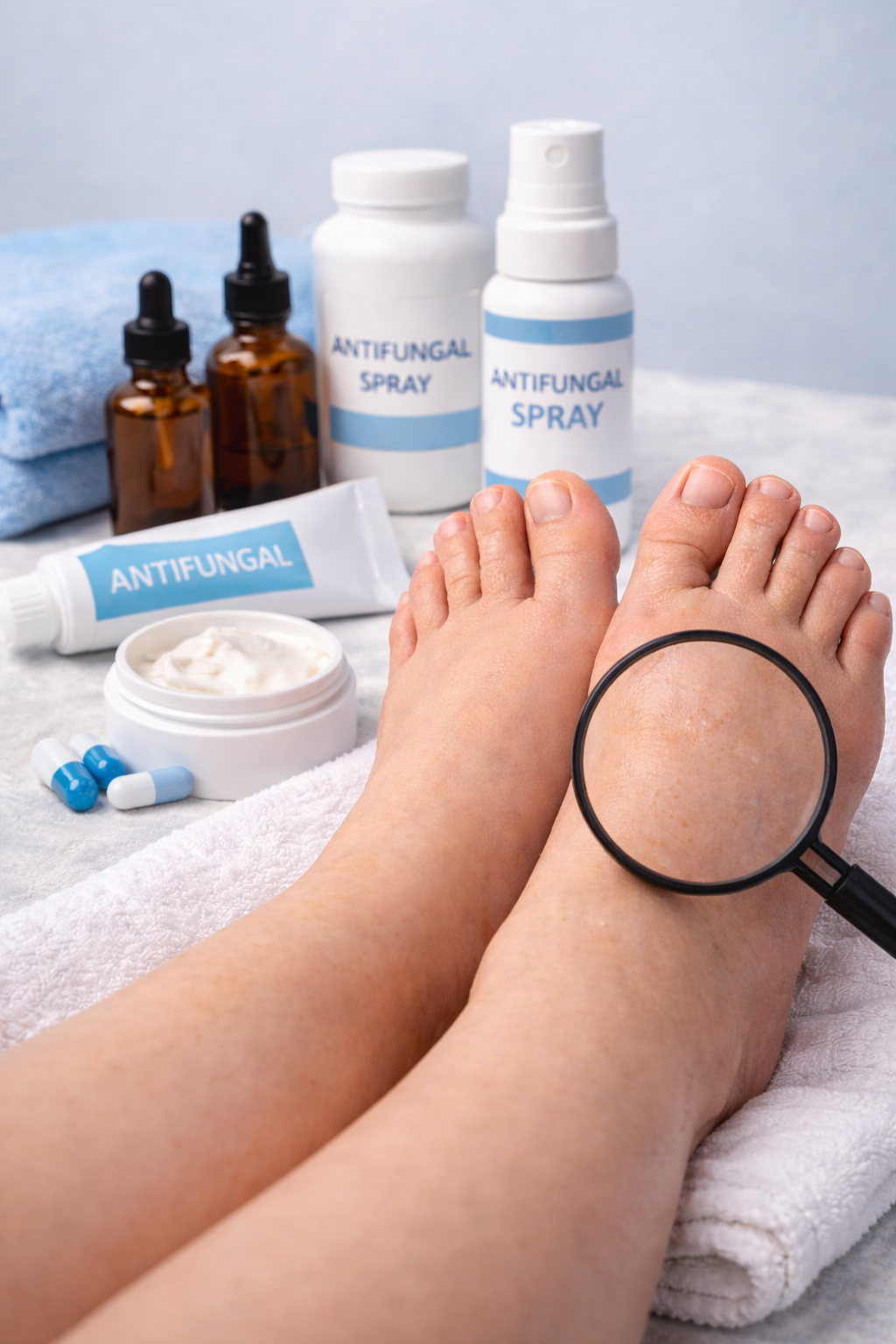
The most effective treatment for pitted keratolysis typically involves topical antibiotics, such as erythromycin or clindamycin. These medications work by eliminating the bacteria responsible for the condition and preventing further breakdown of the skin. A healthcare provider may recommend applying these antibiotics directly to the affected areas for a prescribed period.
Managing Excessive Sweating
In addition to treating the bacterial infection, managing excessive sweating is crucial for preventing the recurrence of pitted keratolysis. Aluminum chloride-based antiperspirants are often recommended to reduce sweating and keep the feet dry. In more severe cases, iontophoresis or Botox injections may be suggested as long-term solutions for hyperhidrosis.
Home Remedies and Foot Care
For mild cases of pitted keratolysis, home care can be an effective part of the treatment plan. Washing the feet regularly with antibacterial soap, using antiseptic foot powders, and changing socks frequently can help control moisture and bacteria. Soaking the feet in diluted vinegar or bleach solutions may also assist in reducing bacterial activity. However, it’s important to follow a healthcare provider’s guidance to avoid causing skin irritation.
Proper Footwear and Hygiene
Preventing pitted keratolysis is largely dependent on maintaining proper foot hygiene and choosing the right footwear. Breathable shoes made from natural materials, such as leather or canvas, can help reduce moisture buildup. Wearing moisture-wicking socks made from cotton or wool will further support dry, healthy feet. Regular exfoliation and keeping the feet clean and dry are essential for preventing the bacteria from taking hold.
Preventing Pitted Keratolysis
Lifestyle Adjustments for Prevention
Making small changes to your daily routine can go a long way in preventing pitted keratolysis from developing or recurring. Ensuring that your feet stay dry throughout the day is the most important step. This might mean taking breaks to remove shoes and socks, drying your feet after exercise, or switching to more breathable footwear.
Footwear Choices
One of the most effective ways to prevent pitted keratolysis is by wearing shoes that allow air circulation. Avoid tight, non-breathable shoes, especially in warm or humid environments. Instead, opt for shoes made of breathable materials, and rotate your footwear regularly to give each pair time to air out.
Importance of Foot Hygiene
Maintaining good foot hygiene is crucial in preventing bacterial infections like pitted keratolysis. Wash your feet daily with antibacterial soap, and be sure to dry them thoroughly, especially between the toes. Changing socks whenever they become damp can also help reduce moisture and prevent the bacteria from thriving.
When to Seek Professional Help
If you notice persistent symptoms of pitted keratolysis despite implementing preventive measures, it’s important to seek professional help. A healthcare provider can offer personalized advice and prescribe stronger treatments if necessary. Don’t hesitate to consult a dermatologist or podiatrist if the condition is affecting your well-being or self-confidence.