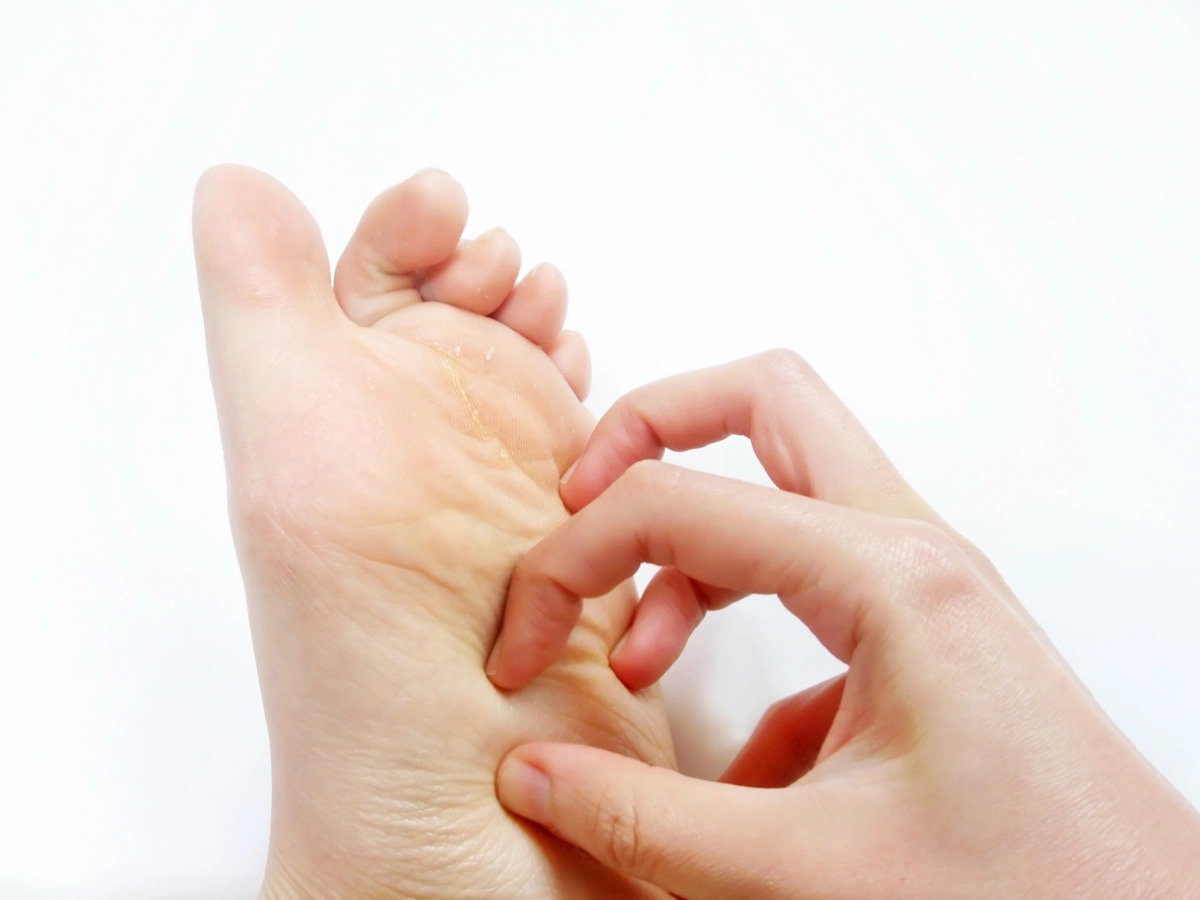
What Are Compression Socks for Swelling?
Compression socks are specialized hosiery designed to apply gentle, graduated pressure to your legs and feet, helping to reduce swelling, improve circulation, and alleviate foot pain. They come in various compression levels, styles, and features tailored to different needs and conditions.
While compression socks may look similar to other socks, they are specifically designed for therapeutic benefits and may require different care and fitting compared to regular socks.
Open-Toe vs. Closed-Toe Compression Socks
Compression socks come in two main toe designs, each offering unique benefits:
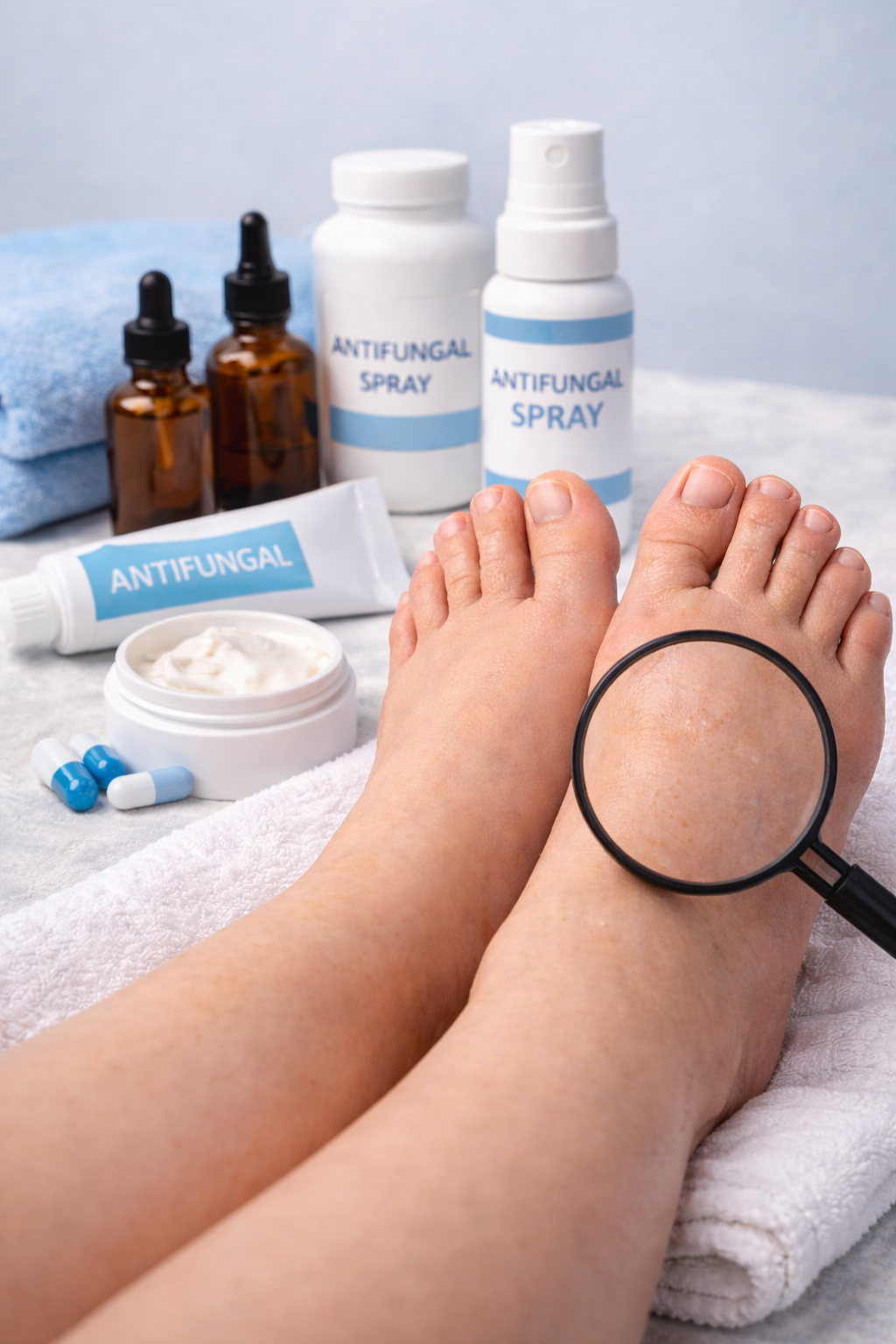
Open-Toe Socks: These allow toes to remain uncovered, which can improve breathability and comfort, especially in warmer climates or for people with toe issues like fungal infections or swelling. Open-toe designs also make it easier to monitor toe color and circulation, which is important for people with diabetes or circulation concerns.
Closed-Toe Socks: These provide full coverage and are often preferred for added warmth and protection. Closed-toe socks are suitable for everyday wear and activities where foot protection is desired.
Toe Separator Socks: These are designed to align and separate toes, providing relief from conditions like bunions and hammertoes while improving overall foot comfort.
How Compression Socks Reduce Swelling and Foot Pain
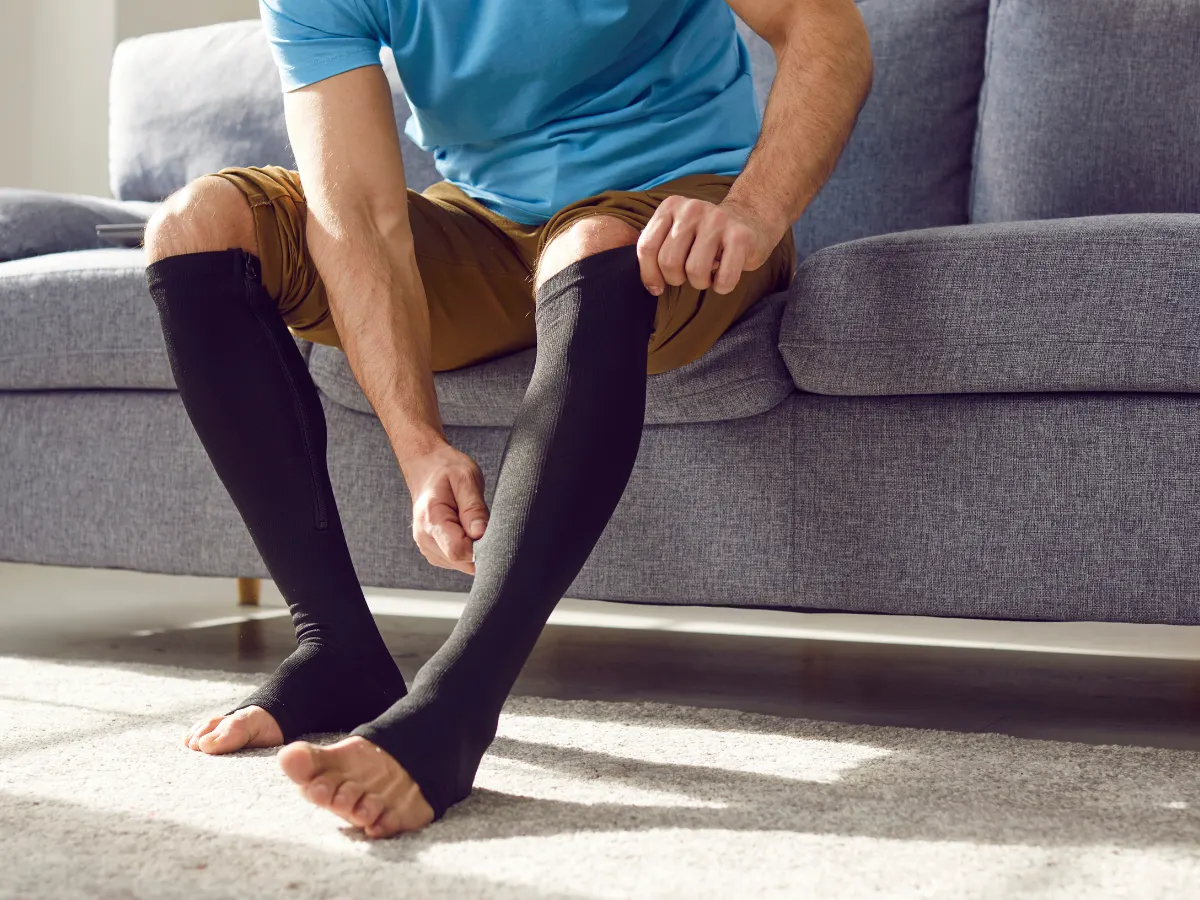
Compression socks are engineered to provide gentle pressure that mimics the natural muscle contractions your legs use to pump blood back to your heart. This graduated compression design applies the strongest pressure at the ankle and gradually decreases as it moves up your leg, creating an optimal pressure gradient for circulation improvement.
Compression socks are specifically designed to be tighter at the ankle and gradually loosen up the leg, ensuring effective support and comfort.
When you wear compression socks, several beneficial mechanisms work together to reduce swelling and alleviate foot pain. Additionally, compression socks can help reduce foot fatigue and mitigate pain, promoting recovery after surgery or strenuous activities.
Enhanced Blood Flow and Circulation
The primary way compression socks reduce swelling is by improving venous return – the process of blood flowing back from your feet and legs to your heart. Poor circulation often leads to blood pooling in your lower extremities, causing swelling, aching, and discomfort.
By applying graduated compression, these socks help counteract gravity’s effects and promote circulation, reducing the risk of blood clots and improving overall leg health.
Reduced Fluid Accumulation
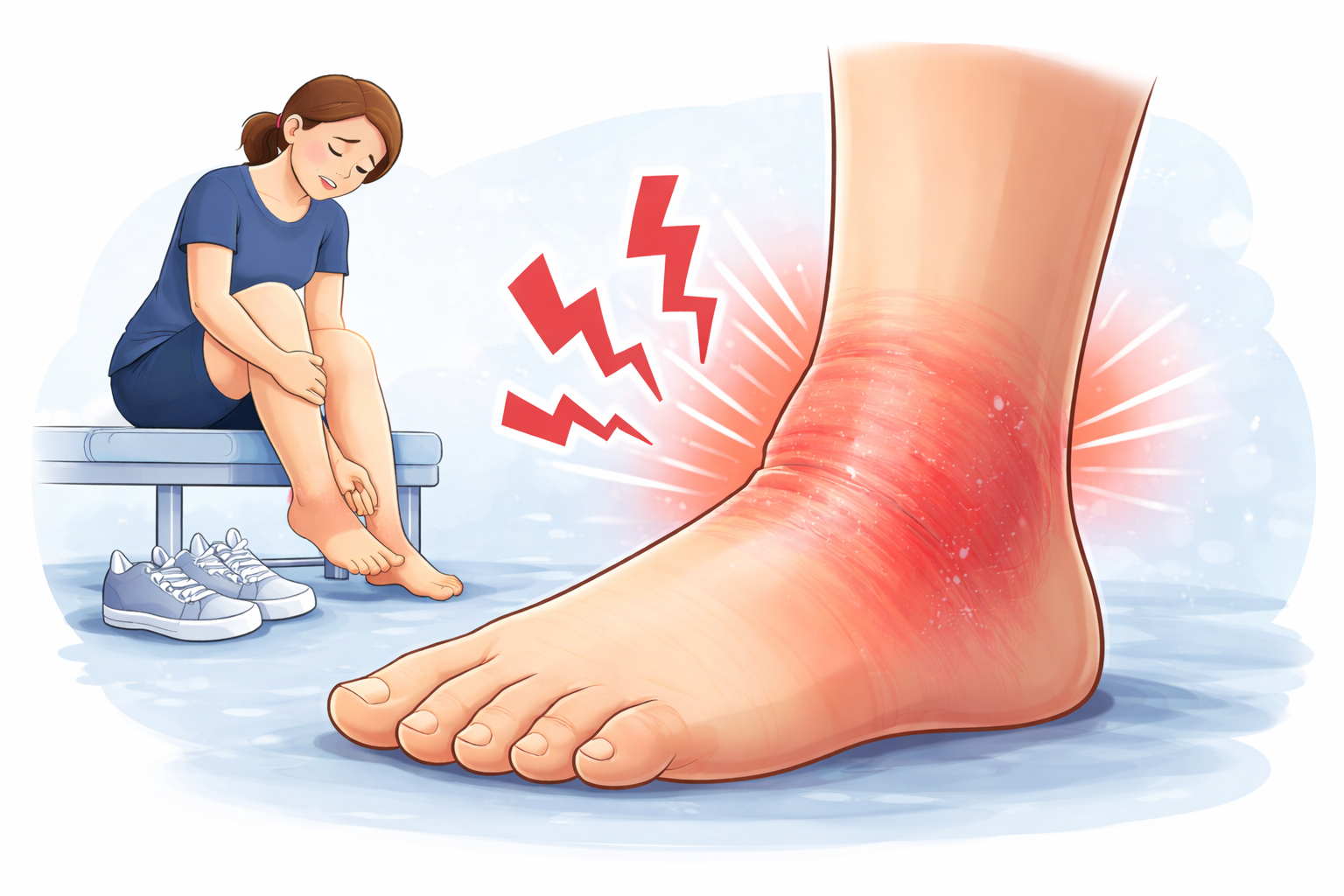
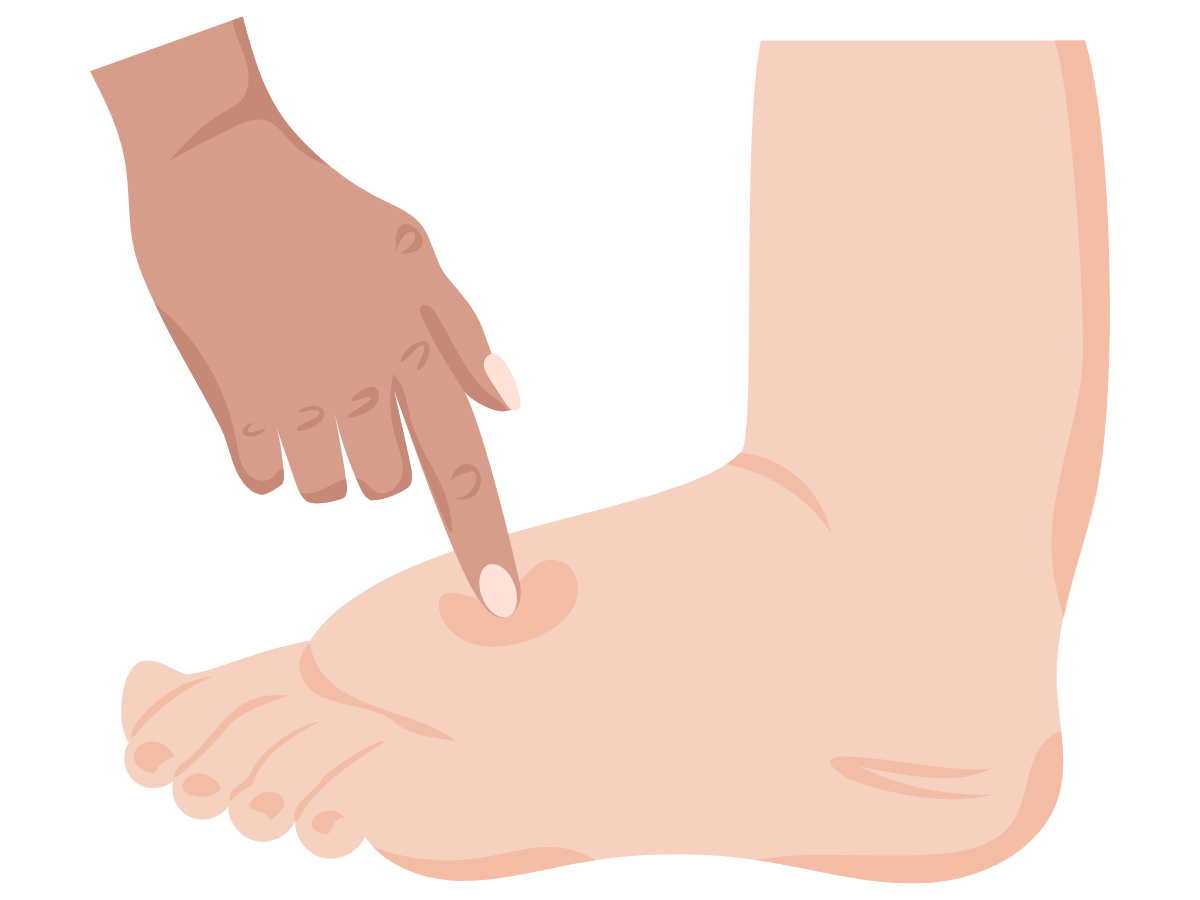
Swelling occurs when excess fluid accumulates in your tissues, a condition called edema. Compression therapy helps push this trapped fluid out of your tissues and back into your circulatory system.
By decreasing excess fluid buildup, compression socks also help reduce inflammation, which further alleviates swelling and pain. Studies show that compression socks can reduce swelling by up to 40% in people with chronic venous insufficiency when worn consistently.
Support for Muscles and Ligaments
Beyond circulation benefits, compression socks provide additional support to the muscles, tendons, and ligaments in your feet and lower legs. This extra support is particularly beneficial for conditions like plantar fasciitis, where inflammation of the plantar fascia ligament causes heel and arch pain. Research indicates that wearing 15-20 mmHg compression socks for a week can decrease morning heel stiffness by 30-50% in plantar fasciitis patients.
The compression level, measured in millimeters of mercury (mmHg), determines how much pressure the sock applies. Most compression socks for everyday wear range from 8-30 mmHg, with higher levels reserved for more severe medical conditions requiring medical supervision.
Understanding Compression Levels for Swelling Relief
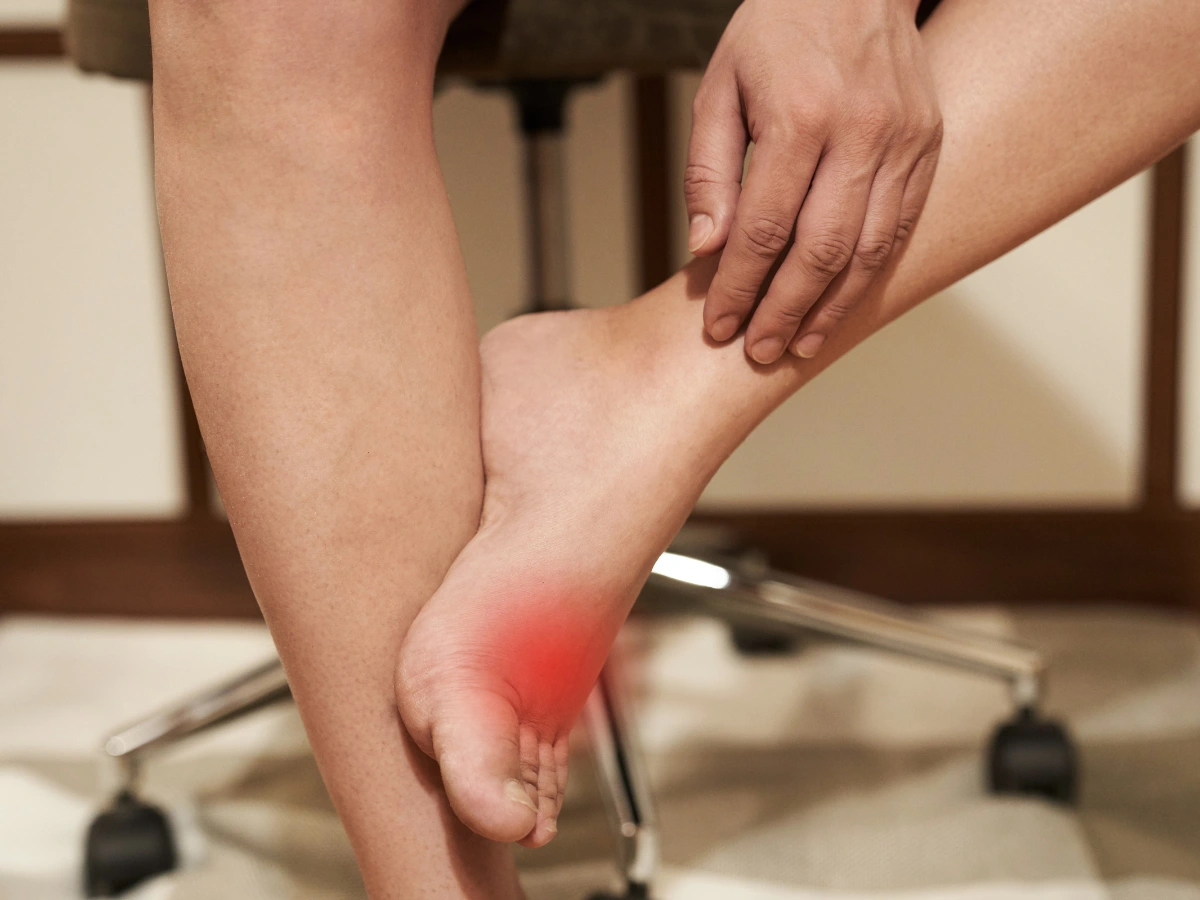
Choosing the right compression level is crucial for getting the maximum benefit from your socks while avoiding discomfort. Different compression levels serve different purposes and are appropriate for varying degrees of swelling and health conditions.
Mild Compression (8-15 mmHg)
Light compression socks are ideal for everyday wear and prevention. This gentle pressure level is perfect if you experience minor swelling, tired legs, or want to prevent circulation problems during long periods of sitting or standing. Many people choose mild compression for:
Daily wear during work or travel
Prevention of minor swelling
Relief from tired, achy legs
First-time compression sock users
Most compression socks at this level feel snug but comfortable, similar to well-fitted athletic socks. They’re easy to put on and remove, making them suitable for anyone who wants to boost circulation without the tightness of higher compression levels.
Moderate Compression (15-20 mmHg)
Medium compression is the most popular choice for people dealing with noticeable swelling, varicose veins, or those who spend prolonged periods on their feet. This compression level provides more therapeutic benefit than mild compression while remaining comfortable for daily wear.
Medium firm compression is effective for:
Moderate leg swelling
Varicose vein treatment and prevention
Long flights or car trips
Pregnancy-related leg swelling
Post-workout recovery
Healthcare providers often recommend this compression level as a starting point for people with circulation issues, as it provides meaningful therapeutic benefits without requiring a prescription.
Firm Compression (20-30 mmHg)
Firm compression socks are typically recommended for more significant swelling, medical conditions, or specific therapeutic needs. This higher pressure level requires more effort to put on but provides substantial circulation improvement and swelling reduction.
High compression socks are commonly prescribed for:
Severe swelling (lymphedema)
Deep vein thrombosis prevention
Post-surgical recovery
Chronic venous insufficiency
Severe varicose veins
Many people find that firm compression socks provide relief when lower compression levels haven’t been sufficient. However, it’s important to ensure proper fit, as incorrectly sized high compression socks can cause discomfort or skin irritation.
Medical Grade Compression (30+ mmHg)
The highest compression levels require a prescription from a healthcare provider and are used for serious medical conditions. These medical compression stockings are typically custom-fitted and monitored by healthcare professionals to ensure safety and effectiveness.
Anti embolism stockings are a specific type of medical-grade compression used primarily in post-surgical care or for bedridden patients to prevent blood clots, maintain circulation, and reduce the risk of deep vein thrombosis (DVT).
Top Compression Socks for Swelling and Pain Relief
With numerous brands and styles available, choosing the best compression socks can feel overwhelming. We’ve researched and tested various options to bring you the top-performing compression socks for different needs and budgets.
1. OrthoSleeve Bunion Relief Socks
OrthoSleeve Bunion Relief Socks are designed to provide effective daily comfort and support for bunion pain without the bulk of traditional braces. Their patented split-toe design gently separates the big toe to reduce friction and ease discomfort, while built-in cushioning protects the toe joint from soreness and calluses.
Made from moisture-wicking material with zones of medical-grade compression, these socks improve circulation, reduce irritation, and keep feet dry and comfortable. The ergonomic Y-gore heel ensures a secure fit, and their slim, breathable profile fits easily into most shoes for everyday use. You can purchase here: OrthoSleeve Bunion Relief Socks.
Key features:
Patented split-toe design to separate the big toe and reduce friction
Targeted cushioning around the bunion area for protection and comfort
Four zones of medical-grade compression to boost circulation and reduce irritation
Moisture-wicking fabric to keep feet dry and reduce odor
Ergonomic Y-gore heel for a secure, comfortable fit
Slim, lightweight, and breathable for easy wear in any shoe
NEENCA Medical Compression Socks (20-30 mmHg)
Amazon’s bestselling compression socks, with over 900 pairs sold monthly, these firm compression stockings provide serious therapeutic benefits. The graduated compression design and medical-grade construction make them suitable for people with moderate to severe swelling or medical reasons requiring higher compression.
Key features:
True graduated compression from ankle to calf
Reinforced heel and toe for durability
Moisture-wicking synthetic blend
Wide size range including options for wider calves
Excellent value for medical-grade compression
Perfect for travelers and people with wide feet, Comrad socks offer a comfortable fit with their innovative recycling cotton blend. The company’s 30-day exchange policy ensures you get the right fit, making them a low-risk option for first-time compression sock buyers. These socks provide moderate compression and are particularly suitable for travelers and those who stand for long periods, offering both comfort and therapeutic benefits.
Perfect for travelers and people with wide feet, Comrad socks offer a comfortable fit with their innovative recycling cotton blend. The company’s 30-day exchange policy ensures you get the right fit, making them a low-risk option for first-time compression sock buyers. The Go2Socks Compression Socks are noted for their affordability and effectiveness, offering firm compression at a lower price point.
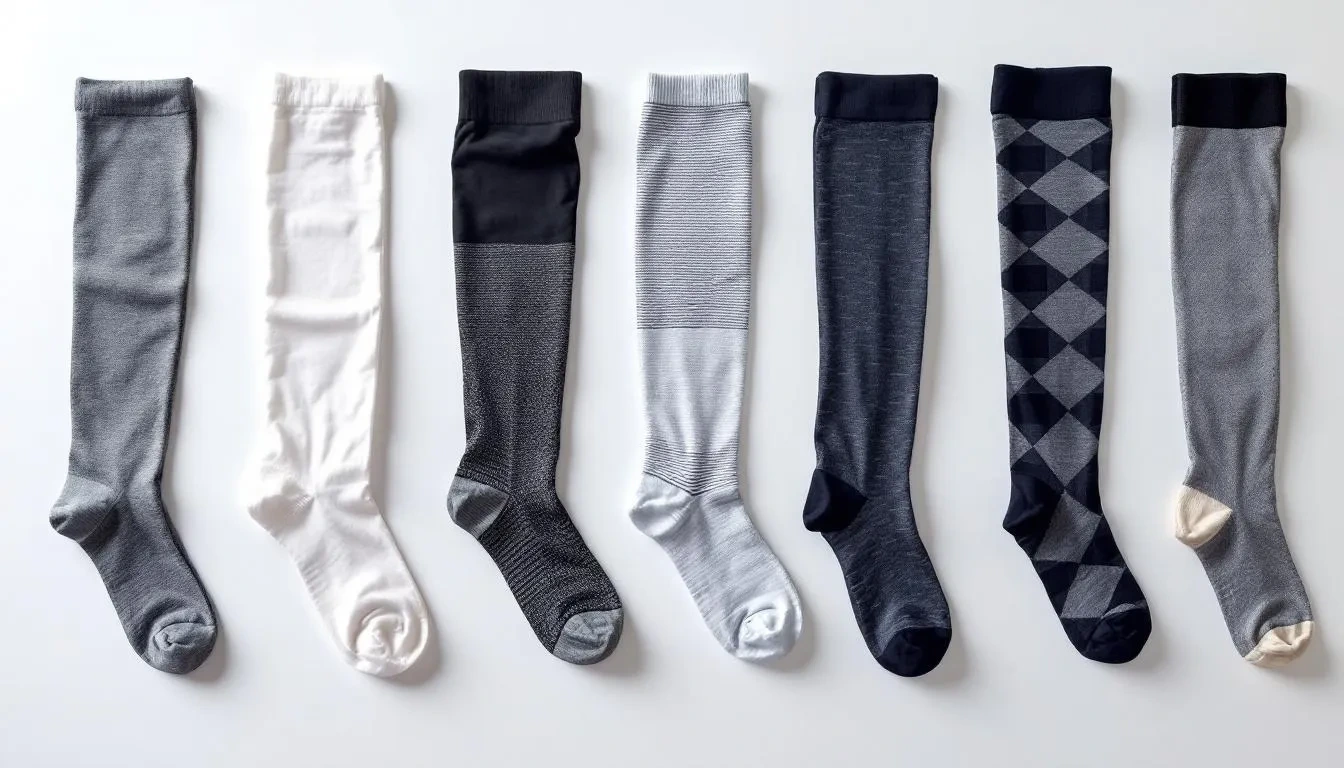
Who Benefits from Compression Socks
Compression socks provide benefits for a wide range of people, from healthy individuals looking to prevent circulation problems to those managing chronic health conditions.
Understanding whether you fall into a group that commonly benefits from compression therapy can help you decide if these specialized socks are right for you.
Cushioned socks, for example, offer extra padding for comfort and shock absorption, making them particularly beneficial for prolonged standing or walking.
People Who Stand or Sit for Long Periods
Healthcare workers, teachers, retail employees, and office workers are among the most common users of compression socks. Standing or sitting for prolonged periods significantly impacts circulation, leading to blood pooling in the lower extremities and subsequent swelling and discomfort.
Nurses, who often work 12-hour shifts predominantly on their feet, frequently wear compression stockings to prevent leg fatigue and reduce swelling. Similarly, office workers who sit for few hours at a time benefit from the circulation improvement that compression provides, especially when combined with regular movement breaks.
Diabetic individuals often experience circulation problems and swelling. Open-toe compression socks are commonly recommended to allow for better toe monitoring and reduce the risk of irritation. Additionally, diabetic socks are non-binding at the top and feature seamless construction to avoid irritation, ensuring maximum comfort and safety for sensitive feet. It’s essential for diabetics to consult their healthcare provider before using compression therapy.
Frequent Travelers
Long-distance travel, particularly flights lasting more than four hours, significantly increases the risk of deep vein thrombosis (DVT) and leg swelling. The combination of prolonged sitting, cabin pressure, and dehydration creates ideal conditions for circulation problems. Research shows that wearing properly fitted compression stockings can reduce DVT risk by up to 60% in long-haul travelers. Compression socks are also effective in controlling post-surgery swelling, making them a versatile tool for maintaining circulation and reducing discomfort.
Research shows that wearing properly fitted compression stockings can reduce DVT risk by up to 60% in long-haul travelers. Many frequent flyers make compression socks a standard part of their travel gear, wearing them throughout their journey to maintain circulation and arrive feeling more comfortable.
Pregnant Women
Pregnancy brings numerous changes that affect circulation, particularly during the second and third trimesters. Hormonal changes, increased blood volume, and the growing baby’s pressure on pelvic blood vessels all contribute to leg swelling and discomfort.
Many pregnant women find relief by wearing compression socks, especially during the later stages of pregnancy when swelling becomes more pronounced. The gentle pressure helps manage pregnancy-related edema while providing additional support for tired, aching legs.
Athletes and Active Individuals
Athletes use compression socks both during training and recovery to enhance performance and reduce muscle soreness. The improved blood flow helps deliver oxygen to working muscles more efficiently and speeds the removal of metabolic waste products that contribute to fatigue and soreness. Smartwool Women’s Run compression socks provide firm compression and are ideal for athletes recovering from intense exercise.
Post-workout compression therapy has gained popularity among runners, cyclists, and other endurance athletes. Many report faster recovery times and reduced muscle stiffness when they wear compression socks for a few hours after intense physical activity.
Physical therapy professionals often study and recommend compression therapy as part of comprehensive treatment plans for swelling and pain. Consulting a physical therapy expert can help determine the most effective use of compression socks for your specific needs.
Several medical conditions benefit significantly from compression therapy: * Varicose veins: Compression helps reduce the appearance and symptoms of varicose veins by improving circulation and reducing blood pooling * Diabetes: People with diabetes often experience circulation problems and may benefit from compression therapy under healthcare provider guidance * Chronic venous insufficiency: This condition, where leg veins struggle to return blood to the heart, often improves with regular compression sock use * Lymphedema: Chronic swelling due to lymphatic system problems typically requires medical compression as part of a comprehensive treatment plan. Arthritis socks offer warmth and compression for comfort and mobility.
Several medical conditions benefit significantly from compression therapy:
Varicose veins: Compression helps reduce the appearance and symptoms of varicose veins by improving circulation and reducing blood pooling
Diabetes: People with diabetes often experience circulation problems and may benefit from compression therapy under healthcare provider guidance
Chronic venous insufficiency: This condition, where leg veins struggle to return blood to the heart, often improves with regular compression sock use
Lymphedema: Chronic swelling due to lymphatic system problems typically requires medical compression as part of a comprehensive treatment plan
It’s important to note that people with certain health conditions, including peripheral artery disease or severe heart problems, should consult their healthcare provider before using compression socks, as the additional pressure may not be appropriate for their situation.
Key Features to Look for in Swelling Relief Socks
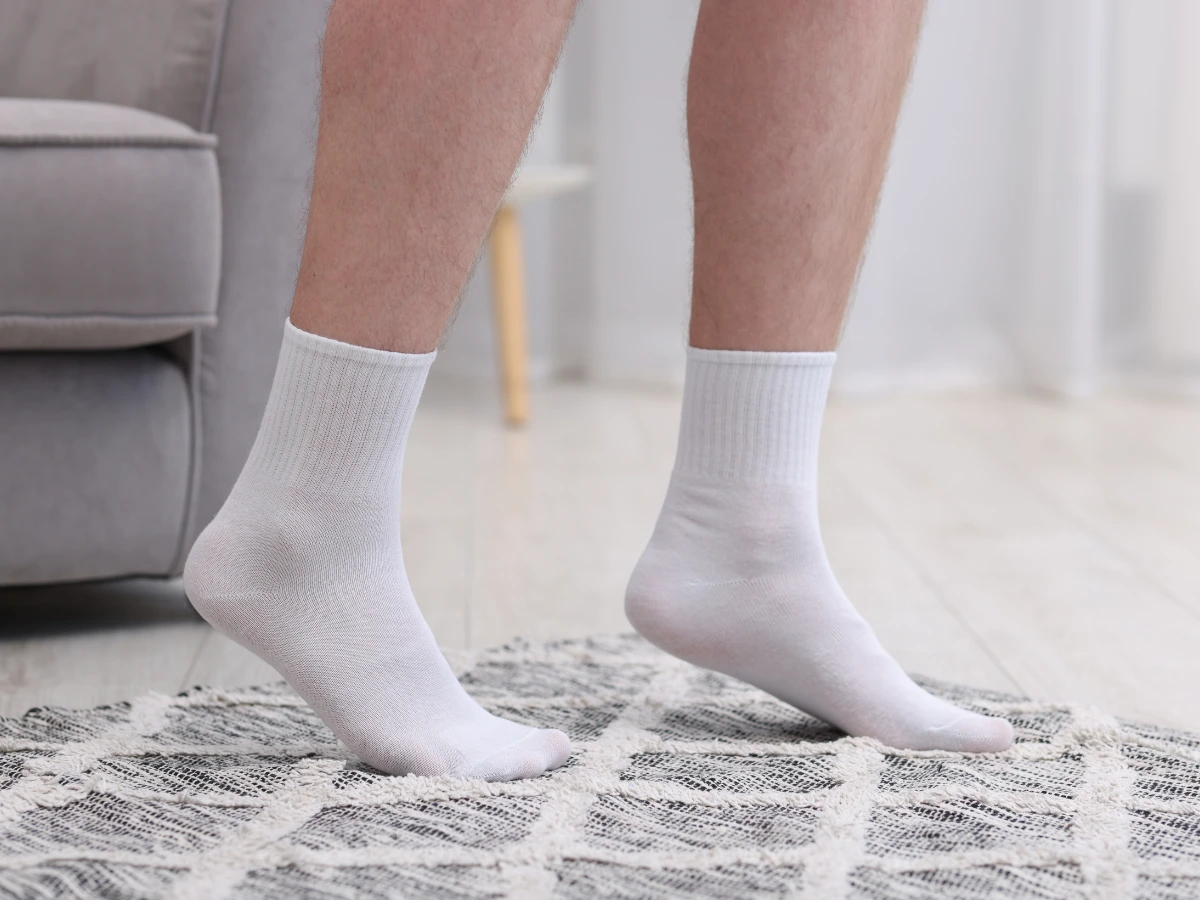
Not all compression socks are created equal, and understanding the key features that contribute to effectiveness and comfort will help you make the best choice for your needs. Here are the essential characteristics to consider when selecting socks for swelling and foot pain relief.
Graduated Compression Design
True graduated compression stockings provide the highest pressure at the ankle and gradually decrease pressure as they move up the leg. This design is crucial for optimal circulation improvement and swelling reduction. Some lower-quality compression socks provide uniform pressure throughout, which is less effective for promoting blood flow.
Look for socks that specifically mention graduated compression and include the mmHg rating appropriate for your needs. The compression level should fit properly around your ankle, as this is where the maximum pressure is applied.
Moisture-Wicking Materials
Since you’ll likely wear compression socks for extended periods, moisture management becomes crucial for comfort and foot health. Quality compression socks incorporate moisture-wicking fibers that pull sweat away from your skin and allow it to evaporate, keeping your feet cool and dry.
Avoid compression socks made entirely of non-breathable synthetic materials, as these can trap moisture and lead to skin irritation or bacterial growth. Instead, look for blends that include moisture-wicking properties while maintaining the elastic fibers necessary for effective compression.
Reinforced Construction
The heel and toe areas of compression socks experience the most wear during daily use. High-quality socks feature reinforced construction in these areas to prevent premature wear and holes. Reinforced heels and toes also provide additional comfort and cushioning where your foot experiences the most pressure.
Seamless toe construction is another valuable feature, particularly for people with sensitive feet or those prone to blisters. Seamless toes reduce friction and pressure points that can cause discomfort during long periods of wear.
Proper Sizing and Fit
Compression socks that don’t fit properly can be ineffective or even harmful. Too loose, and they won’t provide adequate compression; too tight, and they can restrict circulation or cause pain. Most manufacturers provide detailed sizing charts based on ankle circumference, calf circumference, and shoe sizes.
For people with wide feet or wider calves, look for brands that offer extended sizing options. Some companies specialize in compression socks for people who have difficulty finding properly fitting compression garments in standard sizes.
Wide Calf Options
Many people struggle to find compression socks that fit comfortably around larger calves. Standard compression socks may feel too tight around the calf while being too loose around the ankle, compromising both comfort and effectiveness.
Quality brands offer wide calf options with modified compression gradients that accommodate larger calf circumferences (often up to 22 inches or more) while maintaining proper compression at the ankle. The Wellow Wide Calf Compression Socks offer a wide calf circumference and are suitable for various needs, including pregnancy and travel. These specialized fits ensure that people with wider calves can still benefit from effective compression therapy.
Material Considerations
The specific materials used in compression sock construction significantly impact comfort, durability, and therapeutic effectiveness. Trtl’s Compression Socks are created with a blend of Coolmax and Lycra, preventing overheating. Understanding these material choices will help you select socks that meet your specific needs and preferences.
1. Copper-Infused Fabric
Copper-infused compression socks incorporate copper fibers woven into the fabric, providing natural antimicrobial and anti-inflammatory properties. The copper ions help reduce odor-causing bacteria and may provide additional anti-inflammatory benefits beyond the compression itself.
These socks are particularly appealing for people who wear compression socks daily or for extended periods, as the antimicrobial properties help maintain freshness and hygiene. However, copper-infused fabrics may be slightly more expensive than standard compression sock materials.
2. Merino Wool Blends
Merino wool offers excellent temperature regulation, naturally wicking moisture while providing insulation when needed. Merino wool compression socks maintain comfortable foot temperature in various environmental conditions and offer natural odor resistance. Material choices like merino wool and bamboo help with moisture management and temperature control.
The softness of merino wool makes these socks particularly comfortable for people with sensitive skin. Additionally, merino wool maintains its beneficial properties through multiple wash cycles, making these socks a durable choice for long-term use.
Bamboo fibers, another excellent material choice, provide natural antibacterial properties, exceptional softness, and effective moisture management, making them ideal for sensitive skin and temperature control.
3. Bamboo Blends
Bamboo fibers provide natural antibacterial properties and exceptional softness, making bamboo-blend compression socks an excellent choice for people with sensitive skin or those prone to allergic reactions. Bamboo is also naturally moisture-wicking and provides good temperature regulation.
The smooth bamboo fibers create a silky feel that many users find more comfortable than traditional synthetic compression sock materials. Bamboo is also a sustainable choice for environmentally conscious consumers.
4. Nylon-Spandex Combinations
The most common compression sock materials, nylon and spandex combinations provide the elastic properties necessary for effective compression while maintaining durability and easy care. High-quality nylon-spandex blends retain their compression properties through numerous wash cycles.
These synthetic materials dry quickly and are generally easy to care for, making them practical for daily wear. Advanced synthetic blends often incorporate moisture-wicking treatments and may include additional features like anti-odor technology.
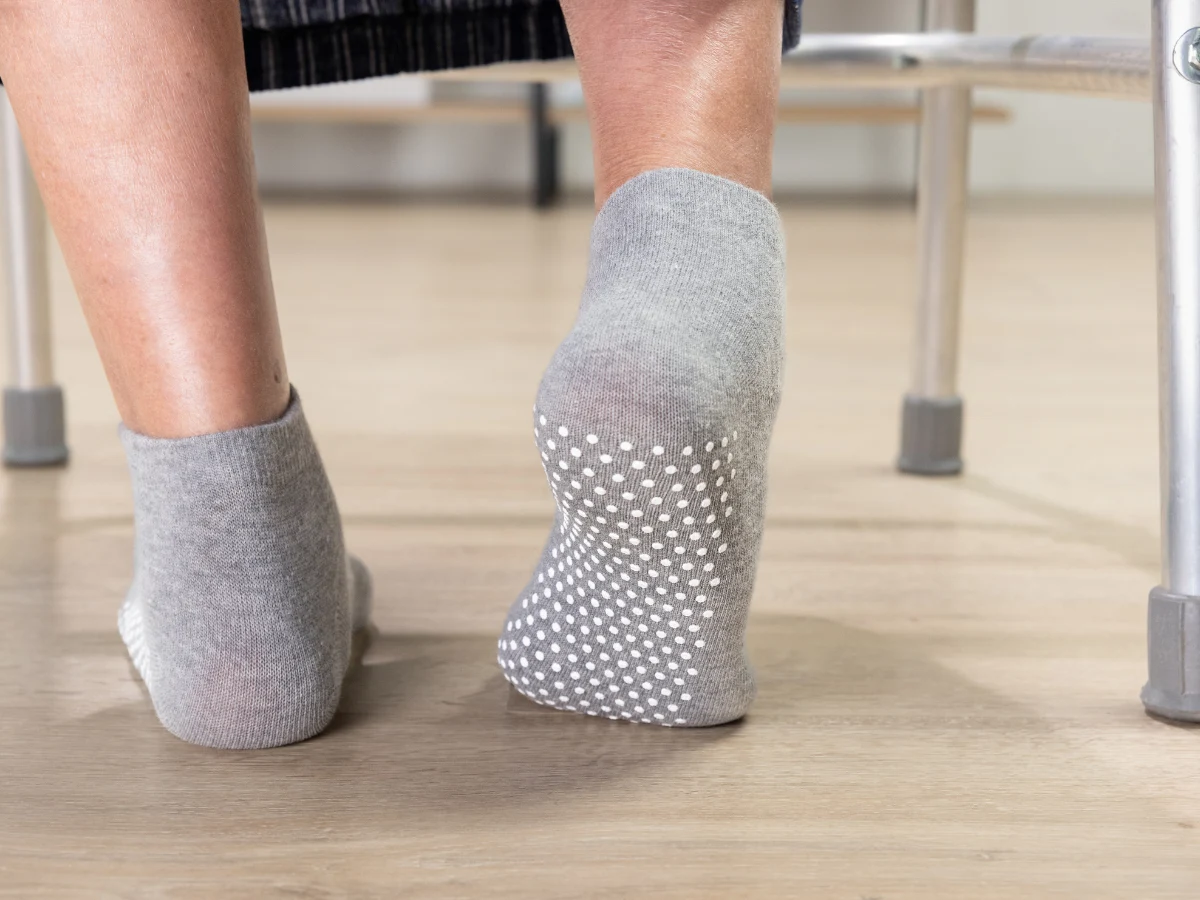
How to Wear Compression Socks Properly
Proper application and wear of compression socks is essential for achieving maximum therapeutic benefits while avoiding discomfort or potential complications. Many people make common mistakes that reduce effectiveness or cause unnecessary discomfort. For more options and trusted choices, check the compression socks we stock and swear by.
Timing Is Everything
The best time to put on compression socks is first thing in the morning before your feet and legs have had a chance to swell. When you sleep with your legs elevated, fluid that has accumulated in your lower extremities during the day drains back toward your heart. This makes morning the optimal time for application when swelling is at its minimum.
If you need to put compression socks on later in the day when some swelling is already present, elevate your legs for 10-15 minutes before application. This allows some of the accumulated fluid to drain, making the socks easier to put on and more effective once worn.
Step-by-Step Application Process
Putting on compression socks requires a specific technique to avoid damaging the fabric and ensure proper fit. How you wear socks—including making sure they fit correctly and are applied smoothly—is crucial for achieving the intended health benefits:
Prepare the sock: Turn the sock inside out down to the heel, creating a pocket for your foot
Insert your foot: Place your foot into the sock pocket, ensuring the heel is properly positioned
Gradually roll up: Slowly roll the sock up your leg, smoothing out any wrinkles or bunching as you go
Check the fit: Ensure the sock reaches the recommended height and provides even compression without tight bands
For added ease, you can use rubber kitchen gloves to help grip the sock material and pull it up more smoothly. This simple tool can make the process significantly easier, especially for higher compression levels.
Prepare the sock: Turn the sock inside out down to the heel, creating a pocket for your foot
Insert your foot: Place your foot into the sock pocket, ensuring the heel is properly positioned
Gradually roll up: Slowly roll the sock up your leg, smoothing out any wrinkles or bunching as you go
Check the fit: Ensure the sock reaches the recommended height and provides even compression without tight bands
Application Tips for Easier Use
Many people find compression socks challenging to put on, especially higher compression levels or if they have limited mobility. These tips can make the process easier:
Use rubber gloves: Clean rubber gloves provide better grip on the sock material and make it easier to pull the sock up your leg
Apply talcum powder: A light dusting of talcum powder on your legs can help the sock slide on more easily
Use a sock aid: For people with limited mobility, sock aids or compression sock applicators can make the process much easier
Take your time: Rushing the application process often leads to runs in the fabric or improper fit
Duration and Removal Guidelines
Most people wear compression socks throughout their waking hours and remove them before sleeping, unless specifically instructed otherwise by their healthcare provider. The typical wearing schedule includes:
Put on: First thing in the morning
Wear: Throughout the day during normal activities
Remove: Before bathing and before going to bed
When removing compression socks, roll them down gradually rather than pulling them off quickly. This gentle removal process helps preserve the elastic fibers and extends the life of your compression socks.
Some people benefit from wearing compression socks during specific activities rather than all day. For example, athletes might wear compression during workouts and for a few hours afterward, while travelers might wear them only during long flights.
Signs of Proper Fit
Well-fitting compression socks should feel snug but not painful. Here’s what to expect with properly fitted compression socks:
Comfortable tightness: The sock should feel snug around your foot and leg without causing pain or numbness
Even pressure: You shouldn’t feel tight bands or areas where the sock bunches up
Proper height: The sock should reach the recommended height (calf or knee) without rolling down
No skin indentation: While the sock will leave some marks on your skin, there shouldn’t be deep indentations that persist for more than a few minutes after removal
If you experience pain, numbness, tingling, or skin discoloration while wearing compression socks, remove them immediately and consult your healthcare provider if symptoms persist.
Care and Maintenance Guidelines
Proper care and maintenance of compression socks is crucial for preserving their therapeutic effectiveness and extending their lifespan. The elastic fibers that provide compression are delicate and can be damaged by improper washing, drying, or storage.
Washing Instructions
Most compression socks can be machine washed, but specific care requirements help maintain their compression properties:
Hand Washing (Recommended)
Use lukewarm water and mild detergent
Gently massage the socks to remove dirt and oils
Rinse thoroughly with clean water
Gently squeeze out excess water without wringing
Machine Washing
Use a gentle or delicate cycle with cool water
Wash compression socks separately or with similar items
Use mild detergent without fabric softeners or bleach
Place socks in a mesh laundry bag to prevent stretching
Avoid fabric softeners, as they can break down the elastic fibers and reduce compression effectiveness. Similarly, bleach and harsh detergents can damage the specialized materials used in compression sock construction.
Drying and Storage
Heat is the enemy of compression sock elasticity. Always air dry your compression socks rather than using a dryer:
Air drying: Lay socks flat on a towel or hang them to dry away from direct sunlight or heat sources
Avoid wringing: Don’t twist or wring out compression socks, as this can damage the elastic fibers
Complete drying: Ensure socks are completely dry before storing to prevent bacterial growth
Storage: Store clean, dry compression socks in a cool, dry place
Replacement Schedule
Even with proper care, compression socks gradually lose their elasticity and effectiveness over time. Most compression socks should be replaced every 3-6 months with regular use, depending on the quality of construction and frequency of wear. To maintain optimal support and therapeutic benefit, it is important to replace old socks with new stockings every 3-6 months.
Signs it’s time to replace your compression socks include:
Lost elasticity: The sock no longer feels as snug as when new
Visible wear: Holes, runs, or thinning areas in the fabric
Reduced comfort: The sock no longer feels comfortable or causes skin irritation
Poor fit: The sock no longer stays in place or rolls down during wear
Maintaining Multiple Pairs
Owning at least two pairs of compression socks allows you to wear one pair while washing and drying the other. This rotation system ensures you can wear compression socks daily while properly caring for each pair.
Some people prefer to have different compression levels or styles for different activities – lighter compression for daily wear and firmer compression for travel or specific medical needs. Having multiple options allows you to choose the most appropriate compression level for each situation.
Quality Indicators
Higher-quality compression socks typically last longer and maintain their compression properties better than cheaper alternatives. When investing in compression socks, look for:
Brand reputation: Established medical or athletic brands often provide better quality and durability
Construction quality: Well-constructed socks with reinforced heels and toes last longer
Material quality: Premium materials like merino wool or high-grade synthetic blends maintain their properties longer
Warranty or guarantee: Some manufacturers offer satisfaction guarantees or replacement warranties
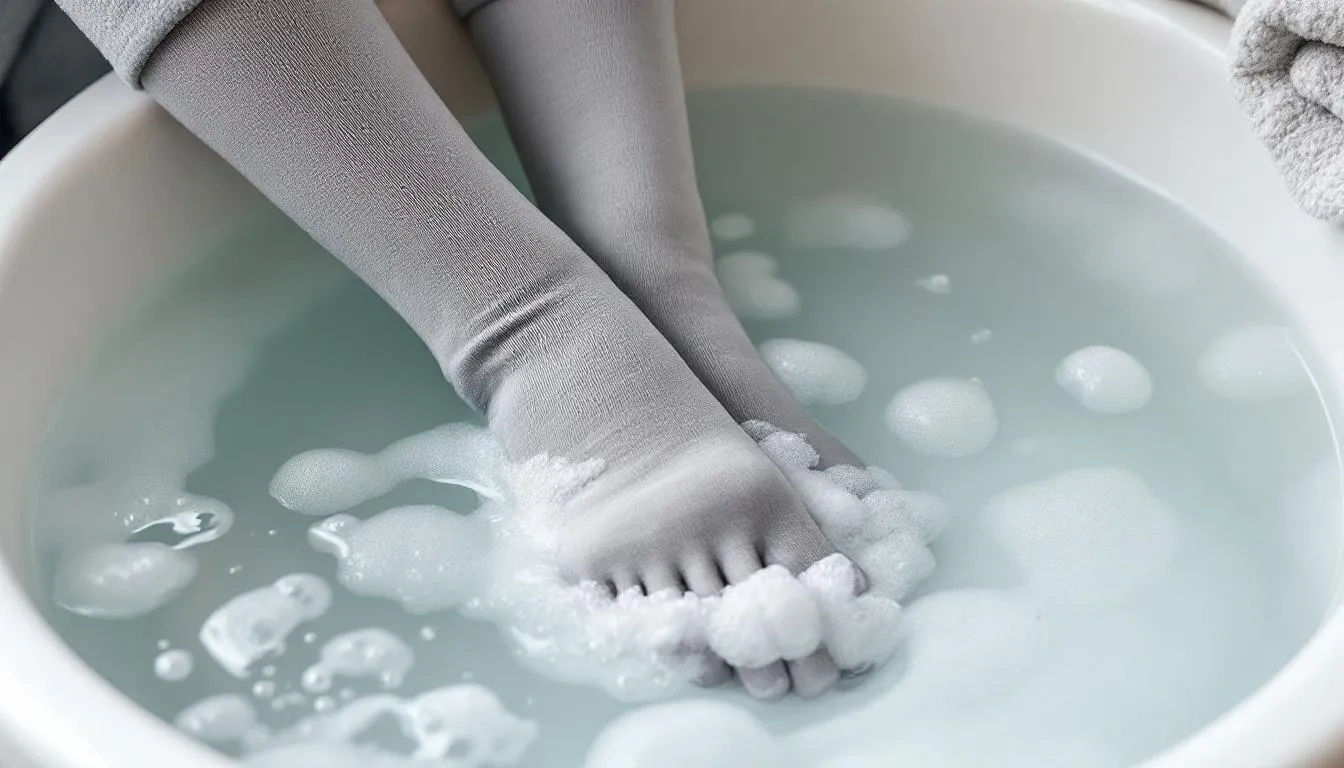
When to Consult a Healthcare Provider
While compression socks are generally safe and beneficial, certain situations require medical evaluation and guidance to ensure proper use and avoid complications. You should consult your healthcare provider if swelling, foot pain, or circulation issues persist or worsen after 1-2 weeks of consistent use.
People with underlying medical conditions such as diabetes, peripheral artery disease (PAD), heart conditions, or nerve disorders should seek professional advice before using compression socks, as these conditions may affect safety and effectiveness.
Additionally, prescription-strength compression (above 20-30 mmHg) requires professional fitting and monitoring. For more information on related health specialties, visit Evolve Health Services for relief in your foot pain.
Post-Surgical or Wound Care Situations
If you’re recovering from surgery, particularly procedures involving your legs or circulation system, your healthcare provider should guide compression sock use. Post-surgical swelling may require specific compression levels or special timing of compression therapy.
Similarly, if you have open wounds, ulcers, or skin infections on your legs or feet, compression therapy may need to be modified or temporarily avoided until healing occurs.
Severe or Sudden Onset Symptoms
Seek immediate medical attention if you experience:
Sudden, severe swelling in one or both legs
Pain, redness, or warmth that could indicate blood clots
Skin changes like discoloration, ulcers, or persistent irritation
Numbness or tingling that doesn’t resolve when compression socks are removed
Shortness of breath or chest pain, which could indicate serious circulation problems
Professional Fitting and Assessment
Many medical supply stores and specialty retailers offer professional compression sock fitting services. These assessments can ensure you’re getting the right size, compression level, and style for your specific needs.
Professional fitting is particularly valuable for people with unique sizing needs, those requiring prescription-strength compression, or individuals who have had difficulty finding properly fitting compression socks on their own.
Common Mistakes to Avoid with Compression Socks
Wearing compression socks can make a world of difference for swelling, foot pain, and circulation issues—but only if you use them correctly. Here are some of the most common mistakes people make with compression socks, and how to avoid them for the best results:
1. Skipping a Healthcare Provider Consultation
If you have health conditions like varicose veins, deep vein thrombosis, or plantar fasciitis, it’s essential to talk to your healthcare provider before choosing compression socks. They can recommend the right compression level—whether you need mild compression for everyday wear, medium compression for moderate swelling, or firm compression socks for more serious issues. This ensures you get the support you need without risking discomfort or complications.
2. Choosing the Wrong Size or Fit
Compression socks should feel snug and provide gentle pressure, but never be painfully tight or loose. Socks that are too tight can cause skin irritation or restrict blood flow, while loose socks won’t provide enough support to reduce swelling or foot pain. Always check sizing charts, considering both shoe sizes and calf circumference, to find a comfortable fit that stays in place throughout the day.
3. Incorrect Wearing Technique
Putting on compression socks the right way is key to their effectiveness. Always wear compression socks in the morning before swelling starts, and make sure the toe seam is facing upward to avoid pressure on your toes. Unless your healthcare provider advises otherwise, avoid wearing compression socks to bed—your skin needs time to breathe overnight.
4. Not Replacing Worn-Out Socks
Most compression socks lose their elasticity and effectiveness after 3-6 months of regular use. Wearing old or stretched-out socks can lead to reduced support, increased swelling, and even skin irritation. Watch for signs of wear, such as sagging, thinning fabric, or loss of gentle pressure, and replace your socks as needed to maintain optimal results.
5. Ignoring Activity Level When Selecting Socks
Your daily routine matters when choosing the best compression socks. If you’re active or on your feet for long periods, you may benefit from firm compression or socks designed for physical activity, which offer additional support and help promote circulation. For those who sit for long periods or need socks for everyday wear, mild or light compression may be more comfortable and effective.
6. Improper Care and Maintenance
To keep your compression socks working their best, follow the manufacturer’s care instructions. Wash them regularly in cool water, avoid bleach and fabric softeners, and always air dry them flat. Proper care helps preserve the gentle pressure and elasticity that make compression therapy effective.
By steering clear of these common mistakes, you’ll ensure your compression socks provide the support, comfort, and relief you need—whether you’re managing swelling, reducing foot pain, or supporting your legs during long periods of standing or sitting. The right pair of compression socks, worn and cared for properly, can make a significant difference in your daily comfort and overall well-being.
Conclusion:
Compression socks for swelling and foot pain offer a proven, non-pharmaceutical solution for improving circulation and reducing discomfort. Whether you’re dealing with chronic swelling, work-related leg fatigue, or specific medical conditions like plantar fasciitis or varicose veins, the right compression socks can provide significant relief and improve your quality of life.
The key to success with compression therapy lies in choosing the appropriate compression level for your needs, ensuring proper fit, and wearing the socks consistently. Start with moderate compression (15-20 mmHg) if you’re new to compression therapy, and don’t hesitate to consult your healthcare provider if you have underlying medical conditions or if symptoms persist despite compression sock use.
Remember that compression socks are an investment in your health and comfort. Quality socks that fit properly and provide the right level of compression will be more effective and last longer than cheaper alternatives. With proper care and the right selection, compression socks can become a valuable tool in managing swelling, reducing foot pain, and promoting better circulation for years to come.
FAQs
How do I choose the right compression level for my needs?
Compression levels are measured in millimeters of mercury (mmHg) and range from light (8-15 mmHg) to medical grade (30+ mmHg). Mild compression is suitable for everyday wear and minor swelling, moderate compression (15-20 mmHg) is ideal for travelers, pregnant women, and those on their feet for long periods, while firm compression (20-30 mmHg) is typically prescribed for more severe conditions like lymphedema or post-surgical recovery.
Can I wear compression socks all day and overnight?
Most people wear compression socks during the day and remove them before bed to allow the skin to breathe and prevent moisture buildup. However, if prescribed by a healthcare provider, medical-grade compression stockings may be worn overnight for specific conditions. Always follow your healthcare provider’s advice regarding duration.
Are compression socks suitable for people with diabetes?
Yes, but with caution. People with diabetes often have circulation and nerve sensitivity issues, so it’s important to consult a healthcare provider before using compression socks. Open-toe designs are often recommended to allow for better monitoring of toe health and to reduce the risk of irritation.
How do I properly put on compression socks to avoid damage and ensure effectiveness?
Put on compression socks first thing in the morning before swelling starts. Turn the sock inside out to the heel, place your foot inside, and gently roll the sock up your leg, smoothing out wrinkles. Using rubber gloves or a sock aid can help. Avoid tugging or pulling forcefully to prevent fabric damage.
Can compression socks help with conditions like varicose veins and plantar fasciitis?
Yes. Compression socks improve circulation, which can reduce the appearance and discomfort of varicose veins. For plantar fasciitis, compression socks provide supportive pressure to the foot’s arch and heel, reducing inflammation and pain associated with the condition.
Can I use compression socks during physical activity or exercise?
Yes, many athletes wear compression socks during and after exercise to promote circulation, reduce muscle fatigue, and enhance recovery. However, it’s important to choose socks designed for physical activity with appropriate cushioning and breathability.