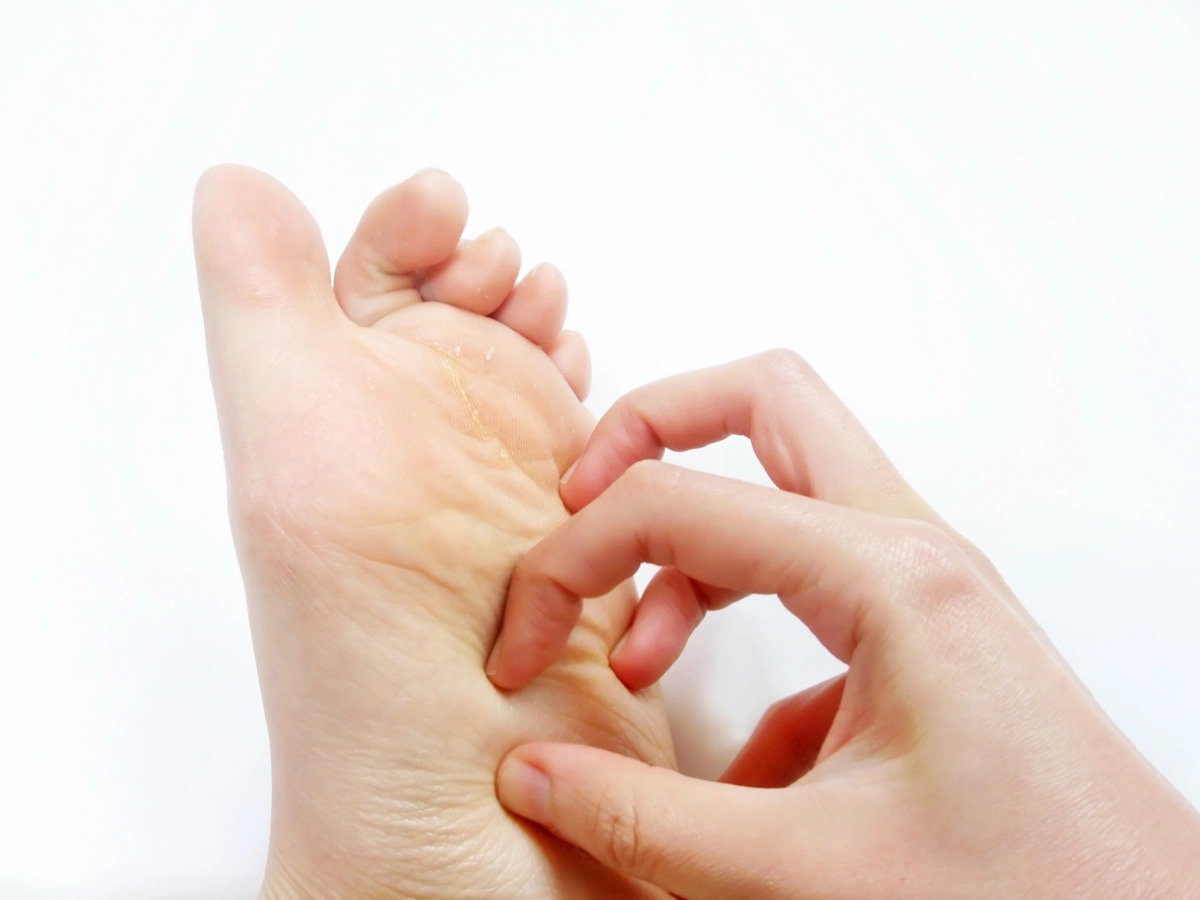
Anatomy of the Foot Arch
Structure of the Foot Arch
The human foot comprises a complex arrangement of bones, ligaments, and tendons that support body weight and enable movement. The foot arch is crucial for maintaining proper foot function, as it distributes weight evenly, absorbs shock, and provides stability.
There are two primary arches in the foot:
Longitudinal Arch: Running along the foot’s length, this arch is vital for shock absorption.
Transverse Arch: Spanning the width of the foot, it helps with balance and weight distribution.
Function of the Foot Arch
Proper foot arch function is critical for various activities such as walking, running, jumping, and dancing. When the arches function effectively, they help regulate forces transmitted through the legs during movement. However, issues such as flat feet or structural abnormalities can lead to significant discomfort and pain. Inadequate footwear can exacerbate these issues, leading to further complications.
Importance of Foot Arch Support
Supportive footwear is essential for maintaining foot arch function. Shoes that lack proper arch support can contribute to inner arch pain and discomfort. Understanding the significance of the foot arch and addressing potential issues allows you to take preventative measures against pain.
Common Causes of Inner Arch Foot Pain
Plantar Fasciitis
One of the leading causes of inner arch foot pain is plantar fasciitis, which involves inflammation of the plantar fascia—a thick band of tissue connecting the heel to the toes. This condition often manifests as sharp pain in the arch or heel, particularly after long periods of inactivity.
Overpronation
Overpronation occurs when the foot rolls inward excessively during walking or running. This biomechanical issue can flatten the arch, straining the supportive muscles and ligaments. Treatment may include targeted stretches, physical therapy, and custom orthotics to correct the alignment.
Flat Feet
Flat feet, or fallen arches, occur when the arch collapses, resulting in the entire foot contacting the ground. Symptoms include fatigue, arch pain, and discomfort in the knees and back. Firm arch supports, orthotic inserts, and maintaining a healthy weight can help alleviate these symptoms.
Posterior Tibial Tendon Dysfunction (PTTD)
PTTD is characterized by inflammation or tearing of the tendon supporting the arch, leading to pain and instability. Symptoms may include pain along the inner ankle and calf. Treatment options can range from physical therapy to custom orthotics, and in severe cases, surgery may be required.
Treatment Options for Inner Arch Foot Pain
Home Remedies
Several home remedies can help alleviate inner arch foot pain:
Rest: Allowing the affected area to heal is crucial.
Ice Therapy: Applying ice reduces swelling and offers temporary pain relief.
Stretching Exercises: Stretching the calves can relieve tightness in the arches.
Supportive Footwear: Using arch supports and wearing properly fitted shoes can significantly alleviate discomfort.
Physical Therapy
Physical therapy is an effective treatment for inner arch foot pain, involving targeted exercises to improve foot function and strength. A physical therapist can create a personalized exercise plan addressing your specific pain causes, enhancing overall foot health.
Custom Orthotics
For many, custom orthotics provide significant relief. These devices offer cushioning and support, redistributing pressure and reducing strain on the arch. Consulting with a healthcare professional is essential to determine if custom orthotics are appropriate for your condition.
Medical Interventions
In some cases, medical interventions may be necessary. If conservative treatments fail, options such as injections or surgery may be considered, particularly for severe conditions or unresponsive pain.
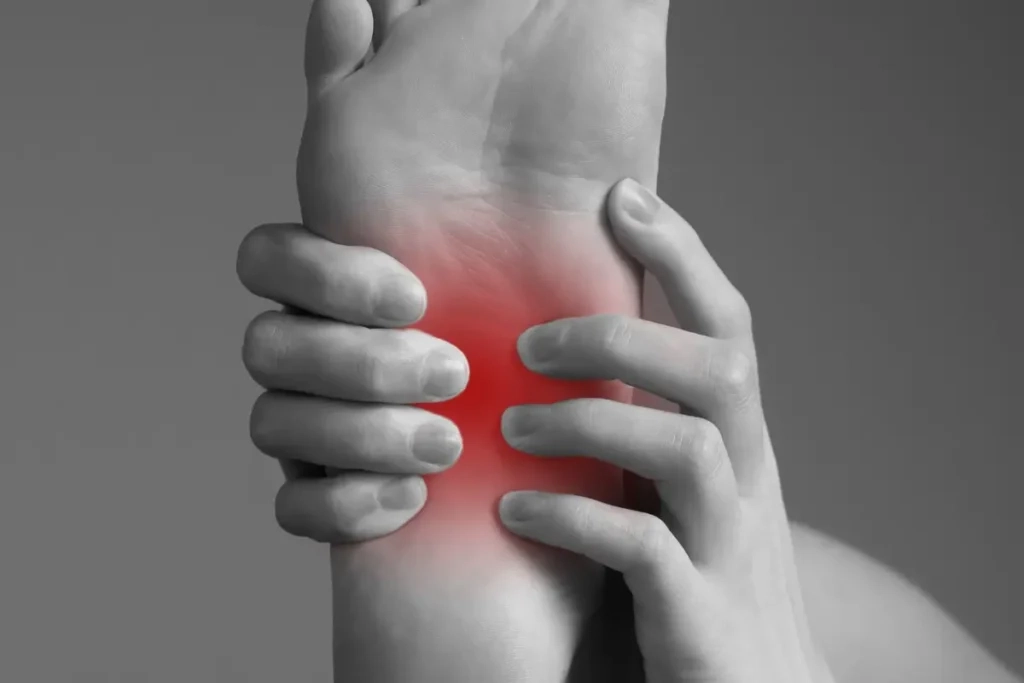
Prevention Strategies for Inner Arch Foot Pain
Proper Footwear Choices
Choosing the right footwear is crucial in preventing inner arch foot pain. Look for shoes that provide:
Supportive Design: Ensures the arch is adequately supported.
Comfortable Fit: A snug but not tight fit is essential.
Adequate Arch Support: Shoes should offer sufficient support to avoid strain.
Cushioning: Adequate shock absorption is vital for comfort during activities.
Regular Foot Care
Regular foot care can help maintain foot health. Stretching the feet and ankles, taking breaks from prolonged standing, and avoiding walking barefoot can all contribute to preventing inner arch pain.
Weight Management
Maintaining a healthy weight reduces strain on the feet, particularly the arches. Regular physical activity can also strengthen the muscles supporting the arch.
When to Seek Professional Help
If your inner arch foot pain persists despite home remedies, or if you experience additional symptoms like swelling or numbness, it’s crucial to consult a podiatrist. A foot specialist can accurately diagnose the underlying cause and recommend suitable treatment options tailored to your specific needs.
Common Questions About Inner Arch Foot Pain
How do you treat inner arch foot pain?
Treatments for arch foot pain may include strapping, orthotics, changing footwear, shock wave therapy, stretching, and immobilization. Speak to your doctor or physiotherapist to determine the most suitable option for you.
Why does the inside curve of my foot hurt?
Pain in the inside curve of the foot is often caused by injury, overuse or structural issues such as high or low arches, Plantar fasciitis or a strain of the abductor hallucis muscle. It may also be aggravated due to aging, stress, weight gain, or neurological conditions.
What is commonly mistaken for plantar fasciitis?
Medial Calcaneal Nerve Entrapment, an inflammation of the fascia, and tarsal tunnel syndrome are commonly mistaken for plantar fasciitis.
What is the primary function of the foot arch?
The primary function of the foot arch is to provide support and regulate the forces transferred up and down the leg during activities such as walking and running.
What treatment options are available for inner arch foot pain?
Treatment options for inner arch foot pain include home remedies, physical therapy, orthotics, and injections.