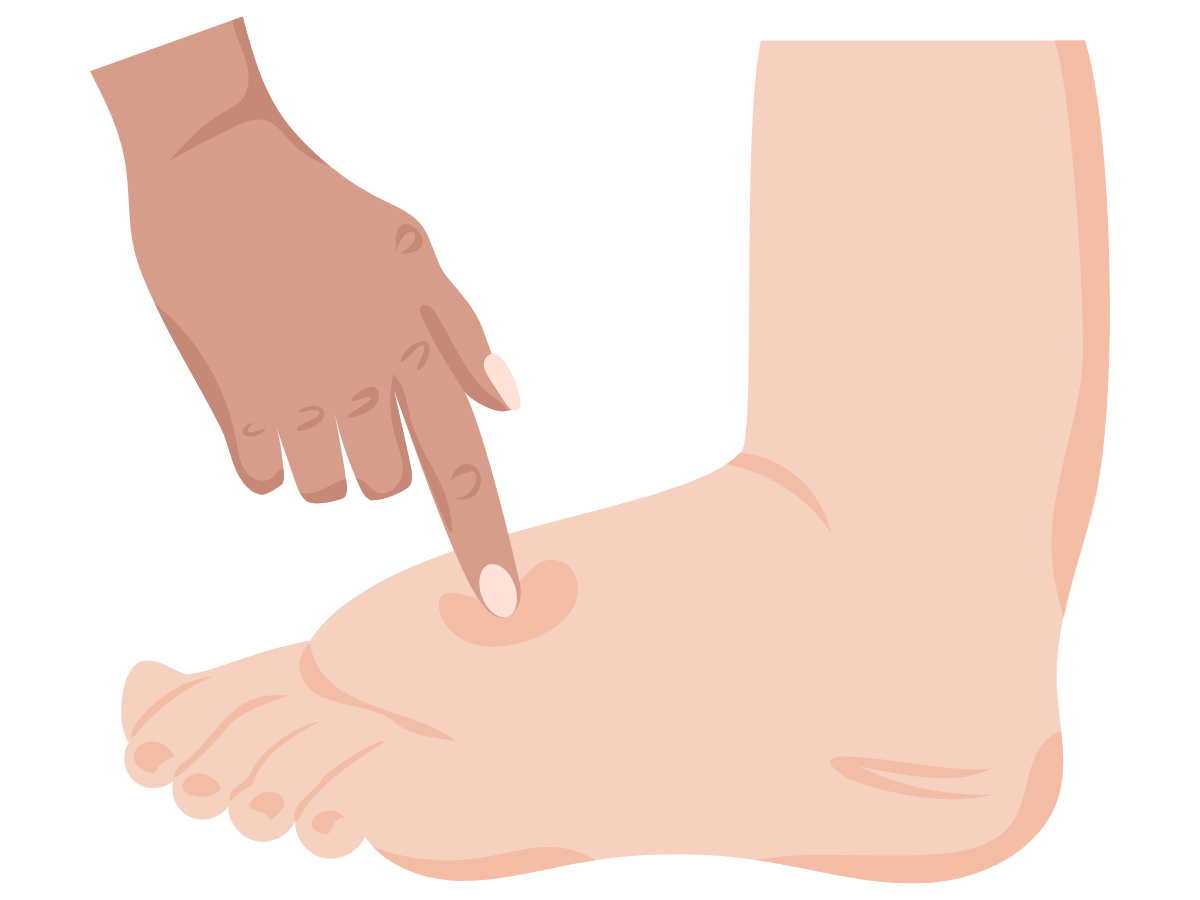
Understanding Diabetic Foot Problems
The consequences of untreated diabetic foot ulcers can be severe. They can result in infections, amputations, and high hospitalization rates, imposing a heavy financial burden on patients. High blood glucose levels contribute to these issues by damaging nerves and blood vessels, increasing the risk of ulceration, infection, and diabetes related complications.
There are two main types of diabetic foot ulcers: neuropathic, which result from nerve damage, and neuroischemic, which involve both nerve and blood vessel damage. Understanding these distinctions is crucial for appropriate treatment and prevention strategies. Without preventive foot care, diabetic patients can suffer injuries in areas lacking feeling, leading to further complications.
Importance of Routine Diabetic Foot Exams

Routine diabetic foot exams are a cornerstone of diabetes management. These exams are vital for early detection of risk factors that can lead to diabetic foot ulcers and other complications. Regular foot examinations help identify issues like dry skin, structural deformities, and poor blood flow before they become severe.
A comprehensive foot exam includes assessments of skin, vascular health, and neurological function. This holistic approach ensures that all potential issues are addressed, reducing the risk of severe complications. Diabetic neuropathy can mask foot injuries, making routine check-ups essential for maintaining foot health.
Evolve Health Podiatrists recommend more frequent foot checks for patients who struggle with blood sugar or blood pressure management. These regular assessments can prevent or mitigate complications, ensuring that patients with diabetes receive the necessary care to maintain healthy feet.
Key Components of a Diabetic Foot Exam
A comprehensive diabetic foot exam involves multiple components to ensure thorough evaluation. The patient’s medical history is reviewed, focusing on diabetes management and any symptoms related to foot health. This initial step helps tailor the exam to the patient’s specific needs.
The physical examination includes checking pulses, sensitivity, foot structure, and nail health. The skin is inspected for dryness, cracking, and any abnormal areas, while structural deformities are identified through careful inspection. Neurological tests, like the monofilament test, assess nerve sensitivity and detect any loss of sensation, which is crucial for preventing unnoticed injuries.
Vascular assessments are also a key part of the exam, involving foot pulse palpation and blood pressure comparisons between the arms and ankles to ensure proper blood flow. Musculoskeletal evaluations check for problems in muscles and bones, such as bunions or Charcot foot shape, which can further complicate diabetic foot health.
Specialized Diabetic Footwear
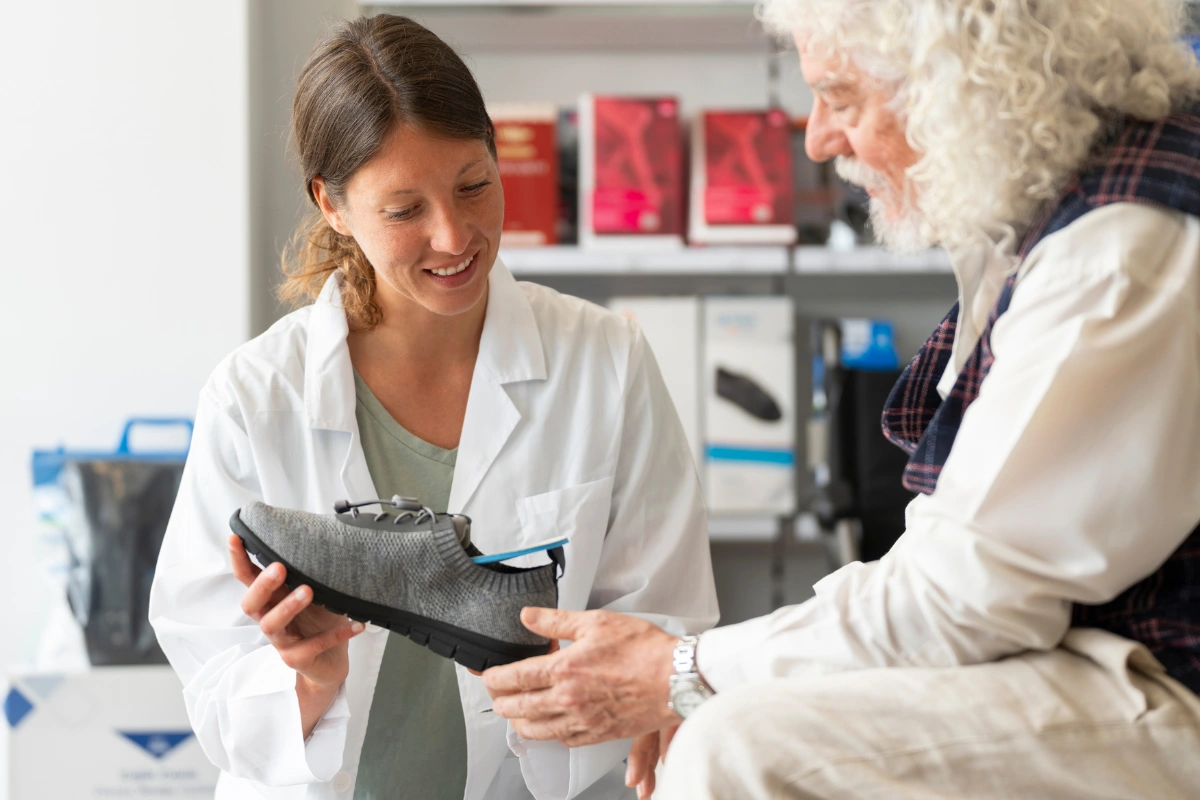
Specialized diabetic footwear is a crucial preventive measure for individuals with diabetes. These therapeutic footwear shoes are designed to redistribute pressure away from high-risk areas, significantly lowering the chances of developing diabetic foot ulcers compared to regular shoes. A systematic review indicated that such footwear could reduce the incidence of foot ulcers by nearly half in at-risk patients.
Continuous wear of these protective shoes, both indoors and outdoors, helps mitigate abnormal pressures on the foot. However, the effectiveness of specialized footwear may diminish over time, so proper maintenance and timely replacement are essential.
Investing in well-fitting shoes can help prevent foot injuries and complications, ensuring better foot health for diabetics.
Popular brands offering specialized diabetic footwear include New Balance, and OOFOS. These brands provide options that combine comfort, support, and pressure redistribution to aid in diabetic foot care.
Identifying Early Signs of Diabetic Foot Issues
Early recognition of diabetic foot issues can prevent severe complications. Common signs include:
Tingling
Numbness
Redness
New foot pain
Changes in shape
Swelling
These symptoms often indicate underlying problems that need immediate attention. Motor neuropathy, cheiro-arthropathy, and altered gait pressures contribute to high-risk peripheral neuropathy foot deformities in diabetes mellitus.
Plantar callus formation, often caused by dry skin, insensitivity, and repetitive stress, can lead to foot ulceration in the insensate foot. Patients should be vigilant in monitoring their feet for such signs and seek medical advice promptly. Early diagnosis and intervention can prevent the progression of diabetic foot complications.
Managing Diabetic Foot Ulcers
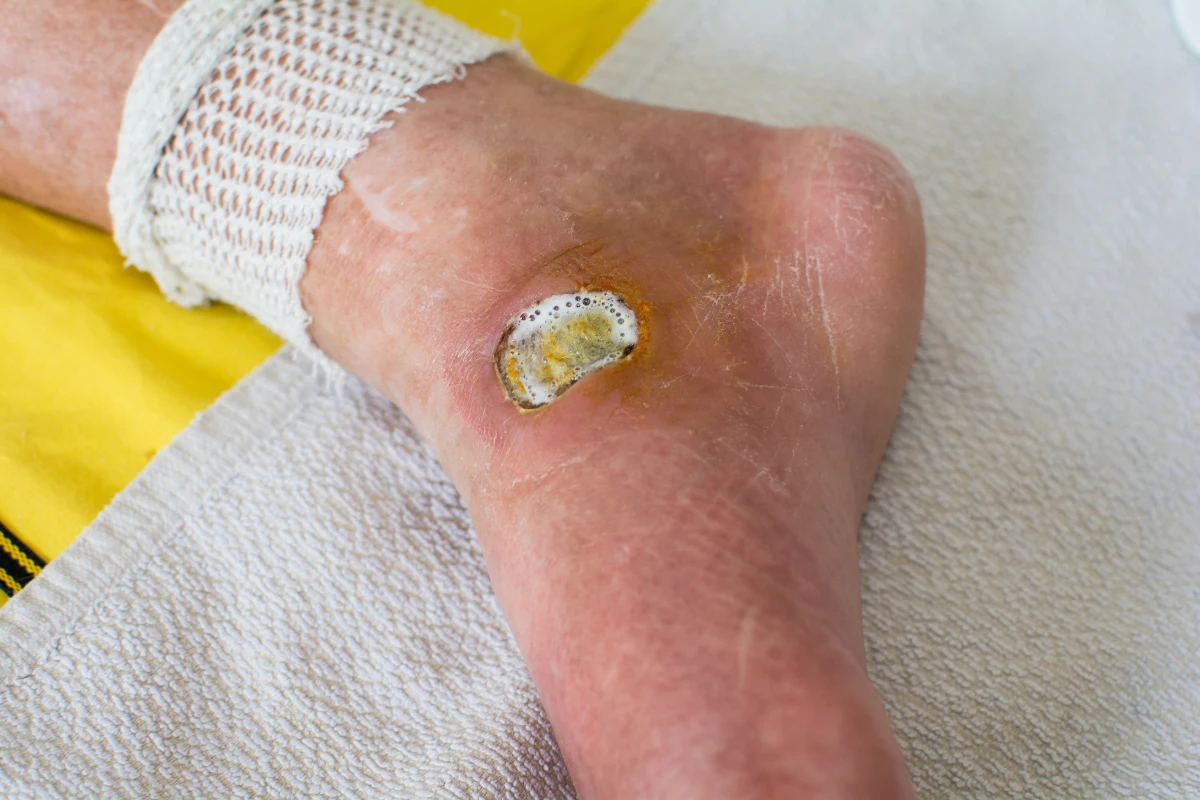
Managing diabetic foot ulcers involves several critical steps:
Debridement is essential to remove dead tissue and promote healing.
Advanced wound care products, such as bioengineered skin substitutes, can be beneficial in ulcer management.
Maintaining a moist environment helps ulcers heal faster and reduces foot infection risks.
Offloading the foot wound is crucial for proper healing. The use of total-contact casts is a highly effective method for relieving pressure from ulcers. Infection control often requires broad-spectrum antibiotics, as infections can spread rapidly due to the complex anatomical structure of the foot.
Effective management of diabetic foot ulcers, including infection control and advanced treatments, can substantially reduce morbidity and prevent ulcers lower extremity amputations. By following these steps, patients can ensure better outcomes and avoid severe complications.
Preventive Foot Care Tips
Preventive foot care is essential for avoiding diabetic foot complications. Key practices include:
Daily foot hygiene, including washing with warm, soapy water and moisturizing
Avoiding the area between the toes to prevent fungal infections
Wearing appropriate footwear, including socks, to protect against injury and maintain foot health.
Regular physical activity can enhance blood circulation in the feet, which is vital for diabetic foot health and can help prevent poor circulation. Keeping toenails trimmed short and straight prevents ingrown nails, reducing the risk of sores and reduced blood flow, with blood flowing more freely.
Adhering to these practical tips allows patients to proactively manage their foot health and prevent infection complications.
Role of Podiatrists in Diabetes Care
Podiatrists play a key role in managing diabetes-related foot issues. They are essential in spotting and addressing problems related to nerve, joint, and blood vessel damage. Effective management of diabetic foot requires a multidisciplinary approach, ensuring comprehensive care for patients.
Regular follow-up with podiatry for patients with elevated risk factors or pedal deformities is crucial for optimal management. The primary objectives of interprofessional care for diabetic foot issues include optimizing comorbidities, preventing complications, and managing pedal pathology.
Collaboration among healthcare professionals ensures that patients receive the best possible medical care.
Advanced Treatments for Diabetic Foot Complications

Advanced treatment options for diabetic foot complications include hyperbaric oxygen therapy and negative pressure wound therapy. Hyperbaric oxygen therapy enhances oxygen delivery to wounds, promoting healing in hypoxic tissues. This therapy is particularly recommended for diabetic foot ulcers classified as Wagner grade 3 or higher.
Negative pressure wound therapy utilizes suction to assist in wound healing by removing exudate and increasing blood flow to the area. These advanced treatments offer significant benefits for patients with severe diabetic foot complications, improving healing outcomes and reducing the risk of lower extremity amputations.
Charcot Foot: Recognition and Management
Charcot foot is a serious complication of diabetes that requires early recognition and management. Acute Charcot neuroarthropathy should be suspected in patients with known neuropathy and a warm, swollen foot of unknown cause. Common symptoms include painful and difficult-to-describe sensations in the affected foot.
Management of Charcot foot involves temperature differential management and casting, continuing until the temperature differential is down to approximately 1.5°C. MR scanning is the preferred imaging technique for demonstrating soft tissue and bone marrow edema in acute cases.
Early diagnosis and proper treatment are crucial for disease control to prevent further complications, as a delayed diagnosis can lead to more severe issues.
Check your Diabetic Foot with Evolve Health
Evolve Health specializes in personalized podiatric care, focusing on both common and complex foot conditions. The Evoleve Health clinics are equipped with modern technology to provide comprehensive diagnostic and treatment services for foot health. Tailored treatment plans at Evolve Health address individual patient needs, promoting optimal recovery.
The team at Evolve Health includes board-certified specialists who collaborate with other healthcare professionals to ensure comprehensive care. Patients are supported in understanding their conditions and empowered to make informed healthcare decisions.
Trusting your foot health to Evolve Health can make a significant difference in managing and preventing diabetic foot problems.
Lifestyle Changes to Support Foot Health

Lifestyle changes are crucial for supporting foot health in individuals with diabetes. Maintaining control over blood glucose, blood pressure, and cholesterol can reduce the risk of neuropathy and other complications. Consulting with a diabetes care team can provide guidance on managing blood sugar levels and making lifestyle adjustments that benefit foot health.
Regular physical activity enhances blood circulation, which is beneficial for foot health. Quitting smoking is also important, as it significantly improves circulation and overall foot health. Education on diabetic foot care empowers patients to proactively manage their foot health.
Key actions for improving foot health include:
Engaging in regular physical activity to enhance blood circulation
Quitting smoking to significantly improve circulation and overall foot health
Receiving education on diabetic foot care to empower proactive management of foot health
Implementing these lifestyle changes helps reduce the lifetime risk of diabetic foot complications and enhances overall well-being.
Frequently Asked Questions
Why are diabetic foot exams important?
Diabetic foot exams are essential for the early identification of risk factors, which helps prevent diabetic foot ulcers and other serious complications. Regular assessments can significantly improve the outcomes and quality of life for individuals with diabetes.
How does specialized diabetic footwear help?
Specialized diabetic footwear is essential as it redistributes pressure from high-risk areas, thereby significantly reducing the risk of developing foot ulcers. Ensuring proper footwear can lead to better foot health for individuals with diabetes.
What are the early signs of diabetic foot issues?
The early signs of diabetic foot issues include tingling, numbness, redness, new foot pain, changes in shape, and swelling. It is essential to monitor these symptoms closely to prevent further complications.
What advanced treatments are available for diabetic foot complications?
Advanced treatments for diabetic foot complications include hyperbaric oxygen therapy and negative pressure wound therapy, both of which promote healing and reduce the risk of infection. These therapies represent significant advancements in managing diabetic foot issues.
How can lifestyle changes support foot health in diabetes?
Lifestyle changes such as managing blood glucose levels, engaging in regular physical activity, and quitting smoking significantly support foot health in individuals with diabetes by reducing the risk of neuropathy. Implementing these changes is essential for maintaining optimal foot health.
Summary
In summary, effective diabetic foot care and prevention involve understanding the risks, recognizing early signs, and implementing preventive measures. Routine foot exams, specialized footwear, and advanced treatments play crucial roles in managing diabetic foot complications. Podiatrists and multidisciplinary care teams are essential in providing comprehensive care for patients with diabetes.
By adopting daily foot care routines and making lifestyle changes, individuals with diabetes can significantly reduce their risk of foot complications and improve their overall health. Taking proactive steps in diabetes management is key to maintaining foot health and preventing severe outcomes. Remember, your feet carry you through life—take care of them.