Morning Heel Pain: The Quick Explanation
The most common cause of morning heel pain is plantar fasciitis. The plantar fascia is a thick band of fibrous tissue that runs from the heel bone to the toes. It supports the foot’s arch, absorbs shock with each step, and stores energy. While you sleep, the band rests in a shortened position.
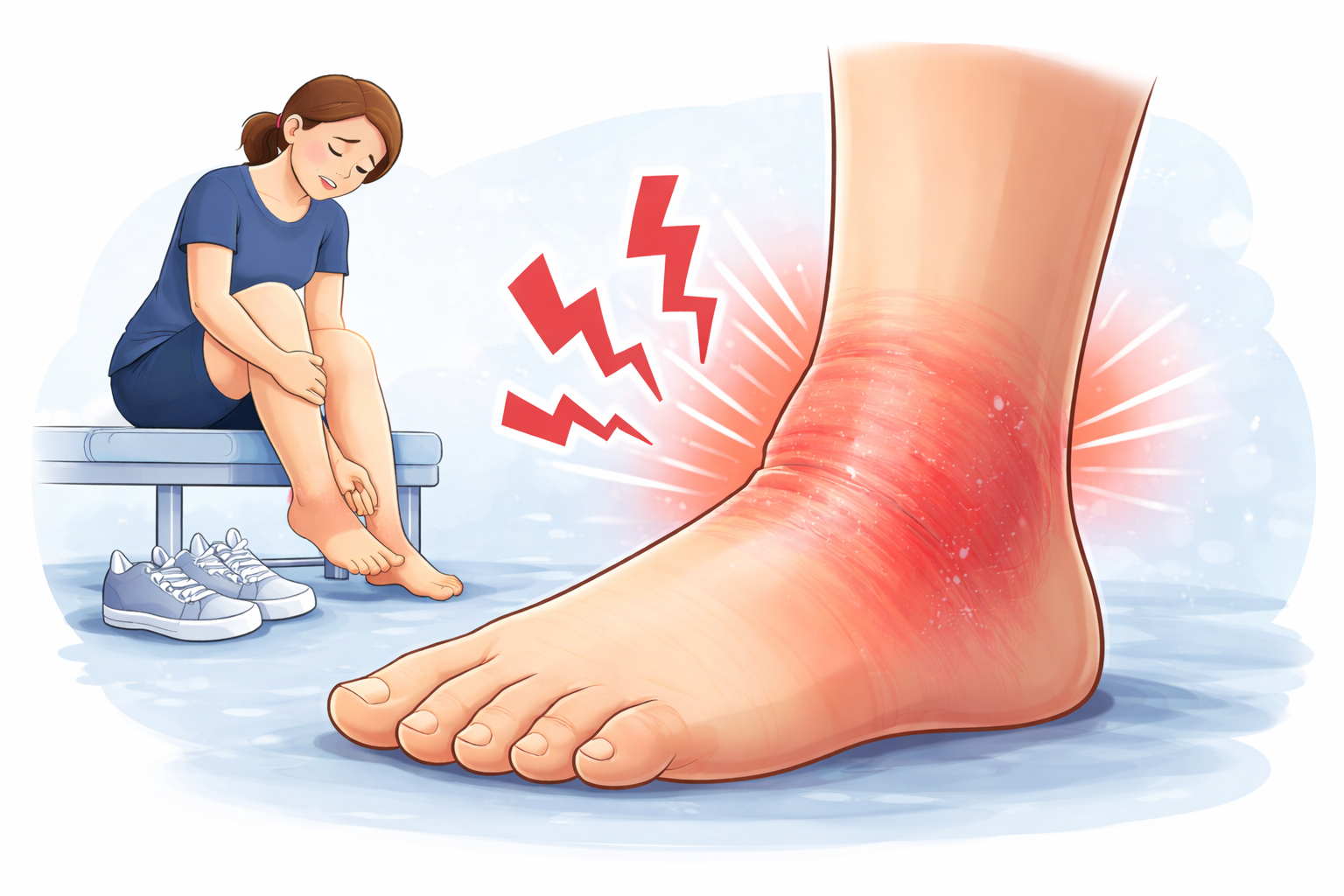
Your first steps in the morning apply sudden tension to tight tissue, which is a classic example of pain in the morning and how plantar fasciitis hurts are often most intense at this time, feeling like stabbing pain near the inside of the heel. Pain often eases as you move, then returns after sitting.
Another frequent source is the Achilles tendon. Tightness in the calf muscle increases pull on the tendon and the heel, which can irritate both the tendon and the fascia. Less common causes include a stress fracture, irritation from a heel spur, or a bony bump at the back of the heel called a pump bump.
Causes of heel pain when you wake up

Plantar fasciitis
Plantar fasciitis is inflammation and micro-strain of the plantar fascia where it attaches to the heel. It often develops with long hours on hard surfaces, standing barefoot at home, or training errors that outpace your tissues’ ability to adapt.
Flat feet and high arch shapes both raise risk because they change how force travels through the fascia. People describe plantar fasciitis pain as sharp with the first steps and sore after sitting. The tender point is usually at the inside front of the heel.
Common plantar fasciitis symptoms include heel pain, tenderness, and stiffness, which can significantly impact daily activities and require proper diagnosis and care.
Pain is often worse after periods of rest, such as in the morning. This is partly because reduced blood flow to the foot during sleep can contribute to increased morning pain and slow the healing process.
To help prevent plantar fasciitis, it is important to maintain foot flexibility, wear proper footwear, and use appropriate training techniques.
Achilles tendinitis and tendonitis
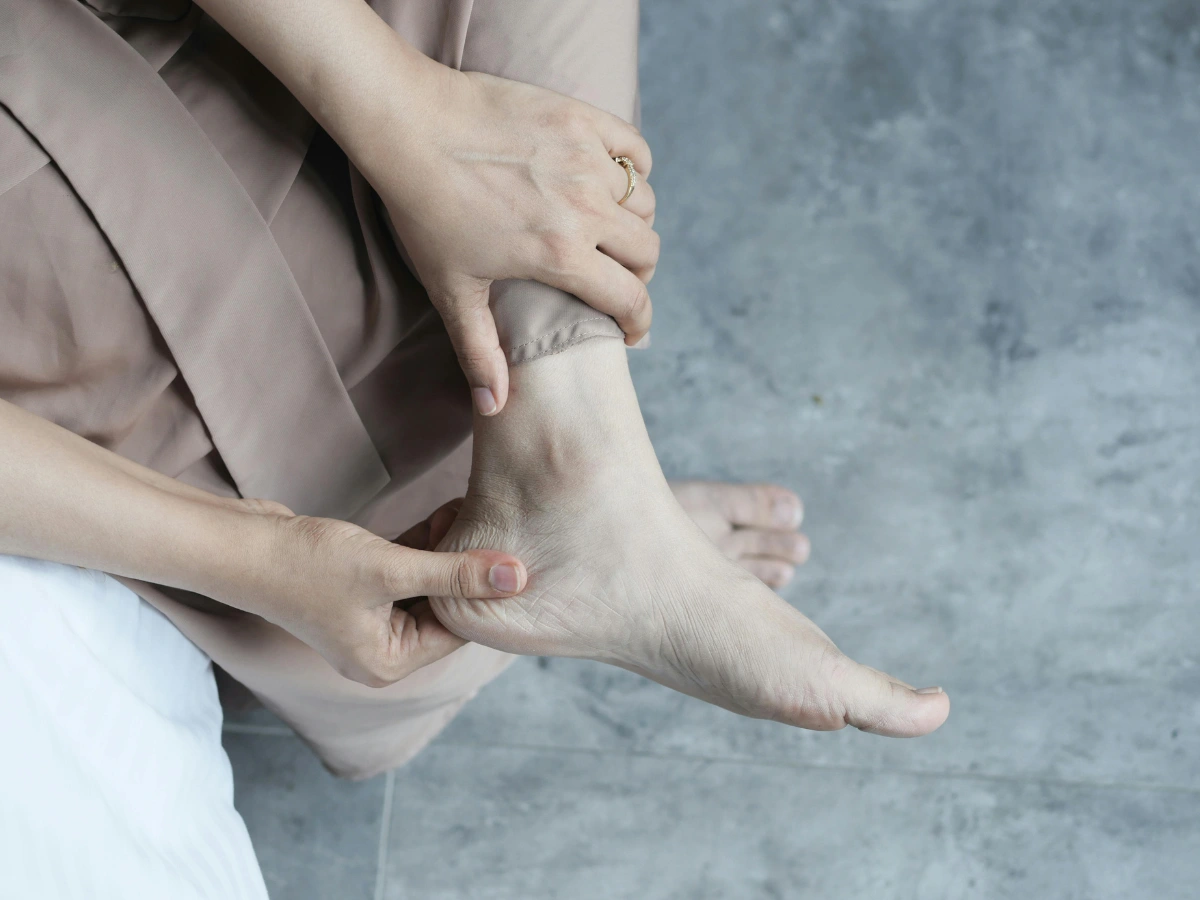
Both spellings are used—Achilles tendinitis and Achilles tendonitis refer to the same condition. The problem is irritation of the Achilles tendon or its insertion on the heel. People often feel pain in the back of the heel throughout the day, which can be persistent and uncomfortable.
It feels like stiffness or burning at the back of the heel that improves as you warm up. Tight calves, hills, speed work, and stiff heel counters can aggravate it.
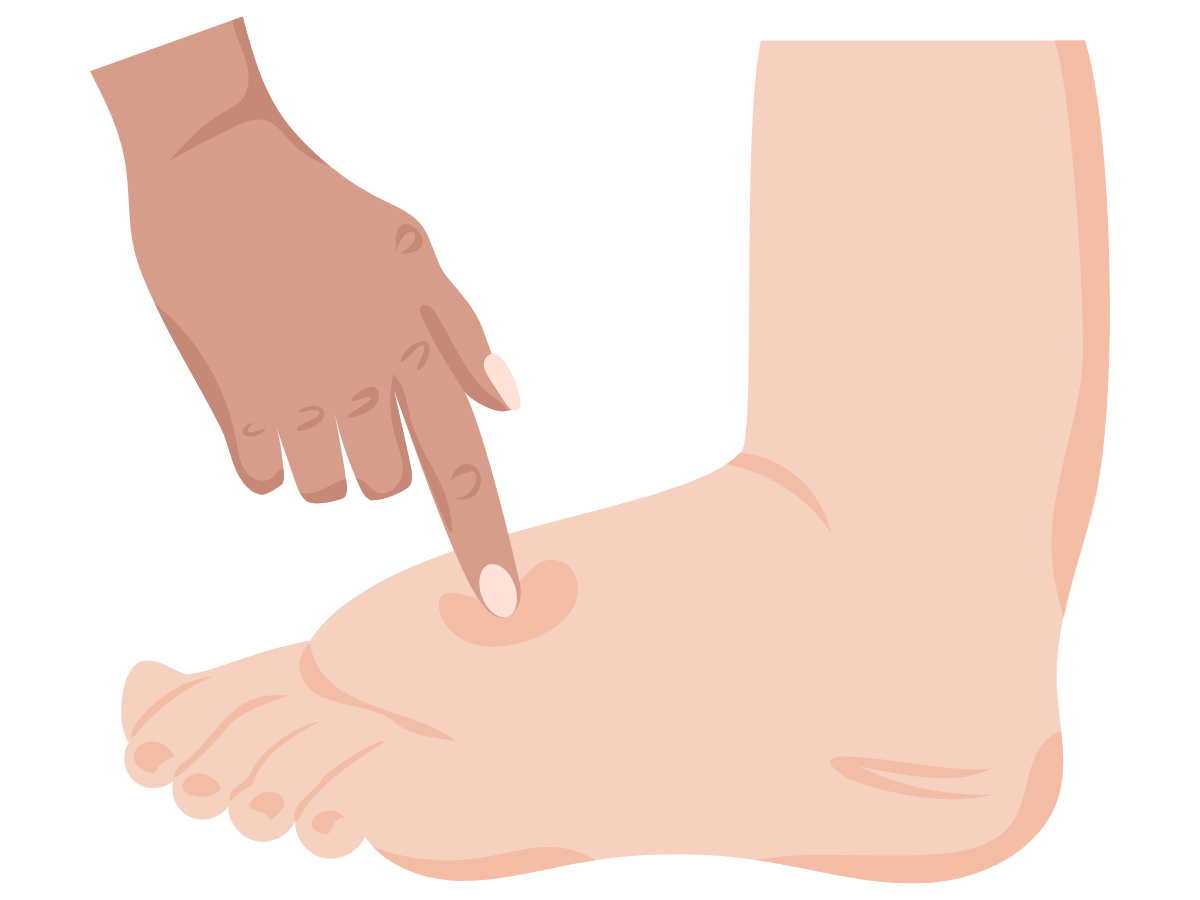
Overuse injuries from increased activity or repetitive strain often cause Achilles tendonitis. If the insertion is inflamed, even a gentle squeeze can make the heel hurt.
The best treatment for Achilles tendonitis includes rest, activity modification, and professional interventions such as physical therapy or, in severe cases, surgery.
Heel spurs and bone spurs
A heel spur is a bone spur near the fascia attachment or at the back of the heel. Spurs are often bystanders rather than the main cause of heel pain.
The soft tissues around them are usually the source of the painful condition. Treatment focuses on calming those tissues and improving load through the arch.
Calcaneal stress fracture
A stress fracture of the heel bone can cause a deep ache that worsens with impact and sometimes presents with heel swelling.
It often follows a sudden mileage jump or a change to harder terrain. Early X-rays may be normal, so your clinician may consider other imaging if the story fits.
Pump bump
Haglund deformity, or pump bump, is a bony prominence at the back of the heel that rubs against rigid shoes. It can inflame the nearby bursa and the Achilles insertion. People notice relief in softer heel counters and pain in dress shoes or certain boots.
How Specialists Diagnose Morning Heel Pain

A thorough physical exam answers most questions about the cause of your morning heel pain.
1. History and Location
Pain during your first steps under the heel typically points to plantar fasciitis. Stiffness or aching at the back of the heel suggests Achilles tendinitis. If the pain is more diffuse and worsens throughout the day, a stress fracture may be suspected.
2. Provocation Tests
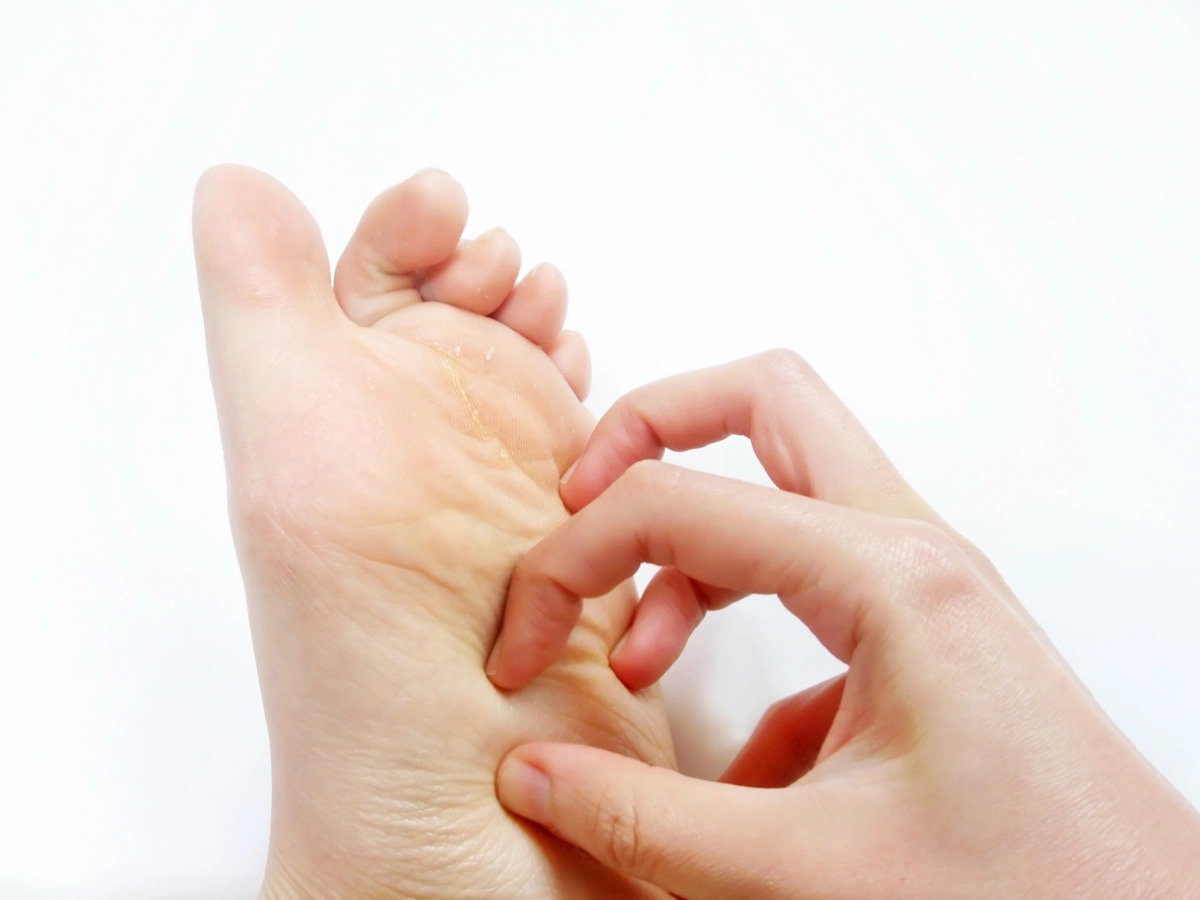
One common test involves gently pulling the big toe backward to stretch the plantar fascia. If this maneuver reproduces pain at the heel’s attachment point, it strongly supports a clinical diagnosis of plantar fasciitis.
Imaging When Needed
While most cases improve with conservative treatments and do not require imaging, X-rays can be helpful to identify a heel spur or rule out a fracture. Ultrasound may be used to confirm swelling or inflammation in the fascia or tendon. Imaging is used thoughtfully and typically reserved for cases where diagnosis is unclear or symptoms persist despite treatment.
If you suspect plantar fasciitis or another cause of heel pain, early diagnosis and a tailored treatment plan are essential. Our team at Foot & Ankle Services specializes in diagnosing and treating heel pain, providing comprehensive care to get you back on your feet comfortably.
Best Treatments for Heel Pain In The Morning

The goal is to treat heel pain by calming irritated tissue, improving foot mechanics, and protecting the foot’s arch while you heal. The aim is to help patients become pain free and return to normal activities.
Early and appropriate interventions are important to treat plantar fasciitis and prevent further complications.
Footwear and Inserts
Choose supportive shoes with a firm heel counter and stable midfoot. Avoid long days in flip flops or unsupportive house shoes. Well-fitted shoe inserts can offload the tender area and add cushion under the plantar calcaneus.
Stretching and Strength
Tight calves increase tension through the fascia and the Achilles tendon. Do wall stretches with knee straight and bent to reach both calf muscles. For the fascia, sit and pull the toes back until you feel a stretch in the arch.
Once pain calms, add light strengthening of the intrinsic foot muscles with towel curls and short-foot exercises.
Ice and Pain Relief
Use ice packs for ten to fifteen minutes after activity. Short courses of nonprescription pain relievers can help with inflammation. They are supportive, not a stand-alone fix.
Night Splints
Night splints keep the ankle gently flexed so the fascia does not shorten during sleep. Many people notice less morning pain after one to two weeks.
Physical Therapy
Physical therapy guides a safe progression from stretching to controlled loading of the plantar fascia and Achilles tendon. Soft tissue work and gait retraining help reduce recurrence. Therapy is especially useful for chronic heel pain.
Custom Orthotics
When mechanics or arch collapse drive symptoms, custom orthotics redistribute pressure and guide motion. Devices can be accommodative for cushion or functional for control.
Your clinician will match the device to your shoes and activity. For details about orthotic fitting and related care, see Foot & Ankle Services.
Advanced Treatments
For stubborn flares, steroid injections may provide short-term relief when used carefully. Other additional treatments can include shockwave therapy.
Surgery is rare. Options include a partial plantar fascia release or gastrocnemius recession when a tight calf is the barrier to recovery. Surgery is considered only after a complete nonoperative plan.
At Home Routine: A Two-Week Starter Plan For Foot Pain

Days 1 to 3
Switch to supportive footwear full time, even at home.
Ice after activity.
Do gentle calf and fascia stretches twice daily.
Days 4 to 10
Add a firm shoe insert for support.
Start a simple strengthening routine for the foot.
Use a night splint if first-step pain is strong.
Days 11 to 14
Increase walking time gradually.
If pain improves, continue the routine.
If foot pain persists or limits daily life, schedule a visit so we can tailor the plan.
Prevention: Keep Heel Pain From Coming Back
Build activity slowly so tissues adapt to new loads and help prevent overuse injuries such as plantar fasciitis and Achilles tendonitis.
Keep calves flexible to reduce pull on the fascia and tendon.
Rotate two pairs of supportive shoes and replace worn pairs before support collapses.
Mix softer paths into your routine when possible.
Use inserts on long-standing days.
Manage risk factors such as flat feet, high arch, new jobs on hard surfaces, or recent weight changes.
When to Seek Urgent Care
Call a clinician promptly if you cannot take four steps due to pain, if the heel becomes very swollen and warm, or if you feel a sudden pop behind the heel with sharp pain. These signs need timely evaluation to protect long-term foot health from Evolve Health.
FAQs
Why is heel pain worse with the first steps of the day?
During sleep, the fascia and tight tendons rest in a shortened position. Your first steps stretch the thick band and the Achilles tendon, which can trigger sharp pain at the heel.
Do I need imaging to diagnose plantar fasciitis?
Usually not. A detailed history and physical examination are enough to make the diagnosis. X rays are used to look for a stress fracture or heel spurs when signs point that way.
What are the best at-home treatments?
Supportive footwear, shoe inserts, daily stretching exercises, ice packs, and night splints help most people. Short courses of pain relievers can support recovery while you improve mechanics.
How long until heel pain improves?
Many people improve in six to twelve weeks with steady conservative treatments and time to adapt.
Can a heel spur be the main cause?
A heel spur can exist without pain. Soft tissue irritation is usually the driver, so treatment focuses on the fascia, tendon, and load through the arch.
Conclusion
If heel pain greets you each morning, it is your body’s way of asking for a more supportive plan. Identify the true source, protect the foot’s arch with the right shoes and inserts, and build flexibility and strength so the fascia and tendon can heal.
If home care has not helped, schedule a focused evaluation so we can align treatment with your goals and your daily footwear. To find a convenient clinic, visit Locations and book a time that works for you.