Understanding Swollen Ankles
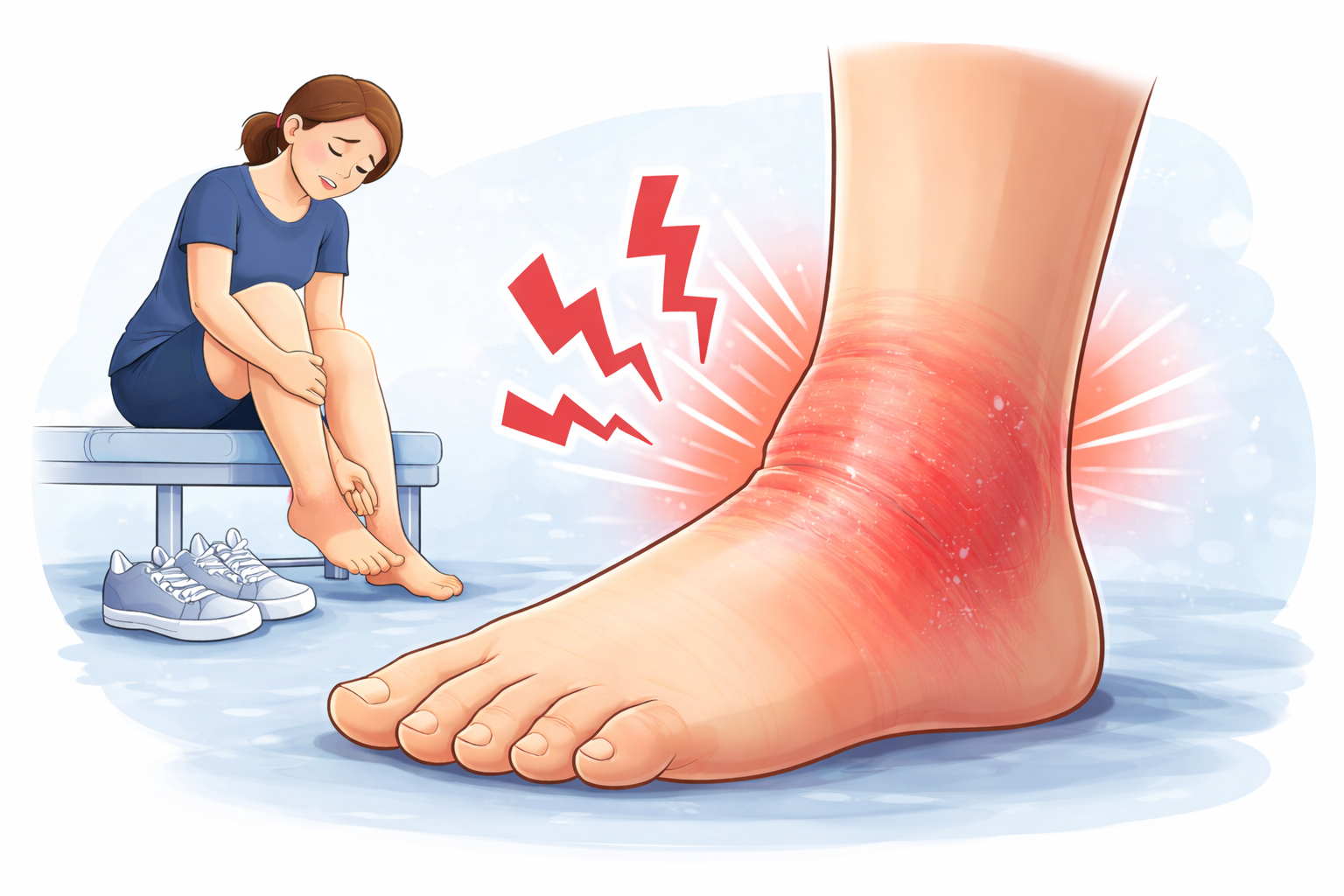
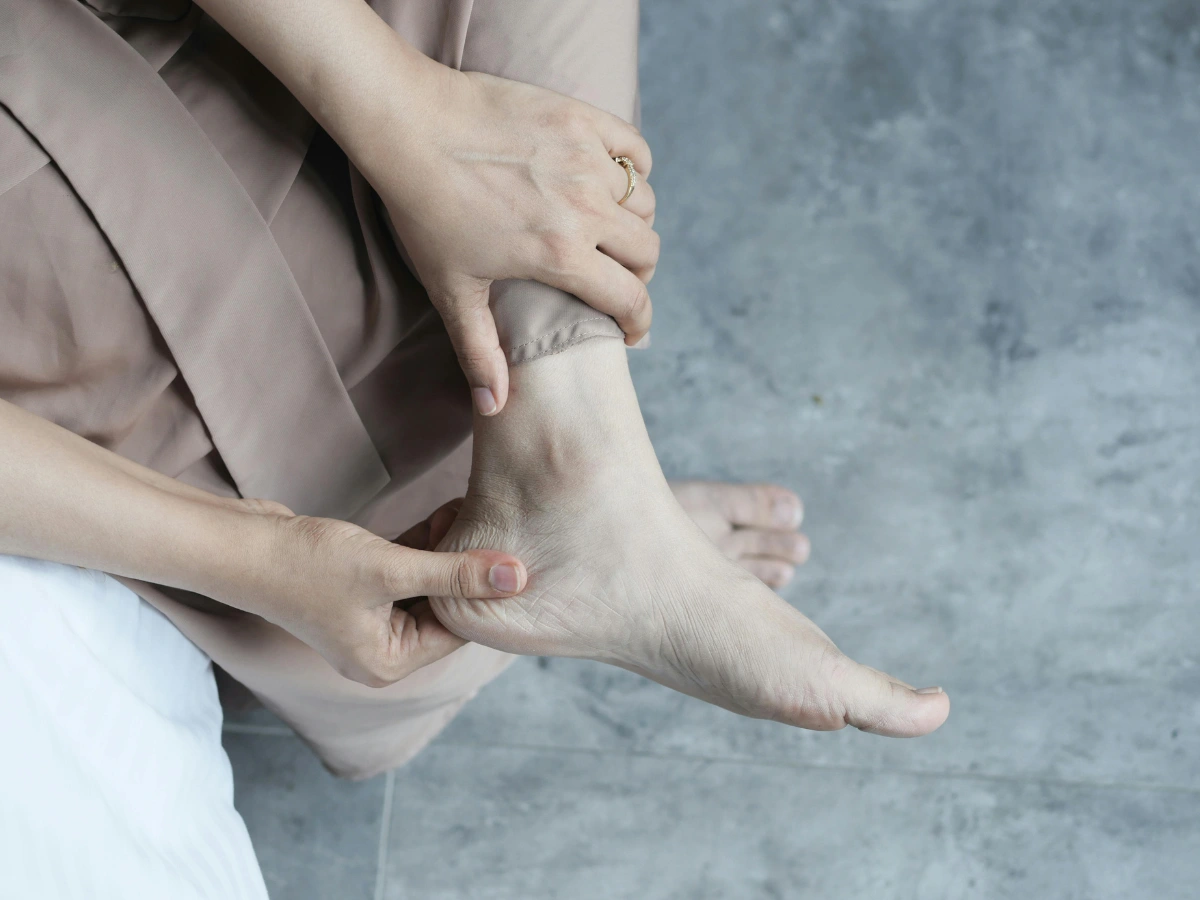
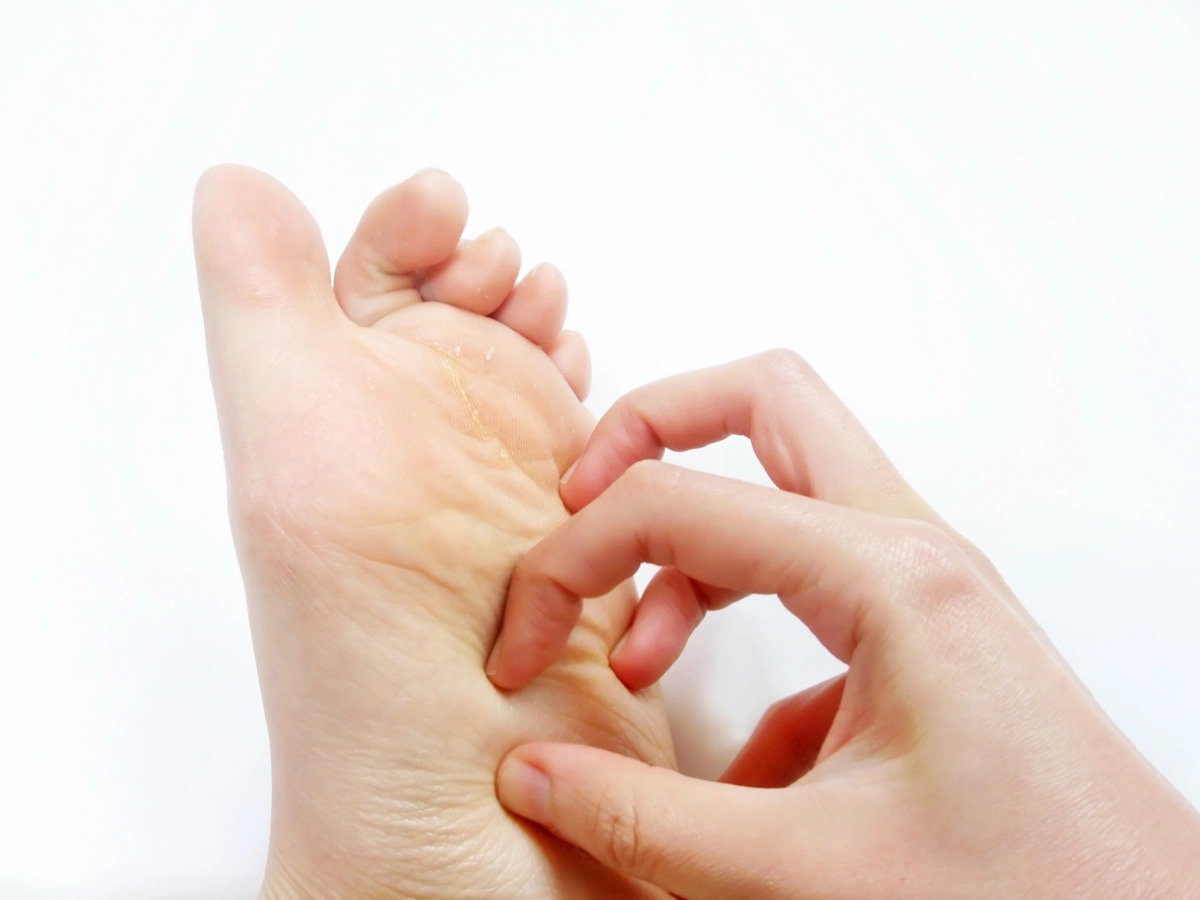
Swollen ankles are a common concern, especially for older adults, and often go hand-in-hand with swelling in the feet and lower legs. This condition, medically known as edema, happens when excess fluid accumulates in the body’s tissues, leading to noticeable swelling in the affected area. Recognizing the symptoms of swollen ankles—such as puffiness, tightness, or a feeling of heaviness—can help you take action early and prevent further discomfort.
There are several reasons why swelling in the ankles develops. Poor blood flow, venous insufficiency (when veins struggle to return blood to the heart), and high blood pressure are frequent culprits. These issues can cause fluid buildup, increasing pressure in the blood vessels of the legs and feet. Lifestyle factors, such as standing or sitting for long periods, can also contribute to swelling.
Managing swollen ankles starts with understanding the underlying causes and adopting strategies to reduce swelling. Elevating your legs, wearing compression socks, and keeping an eye on your sodium intake are all effective ways to support healthy blood flow and minimize fluid retention. By staying proactive and attentive to symptoms, you can help keep swelling in the ankles under control and maintain your overall comfort and mobility.
Causes of Swelling
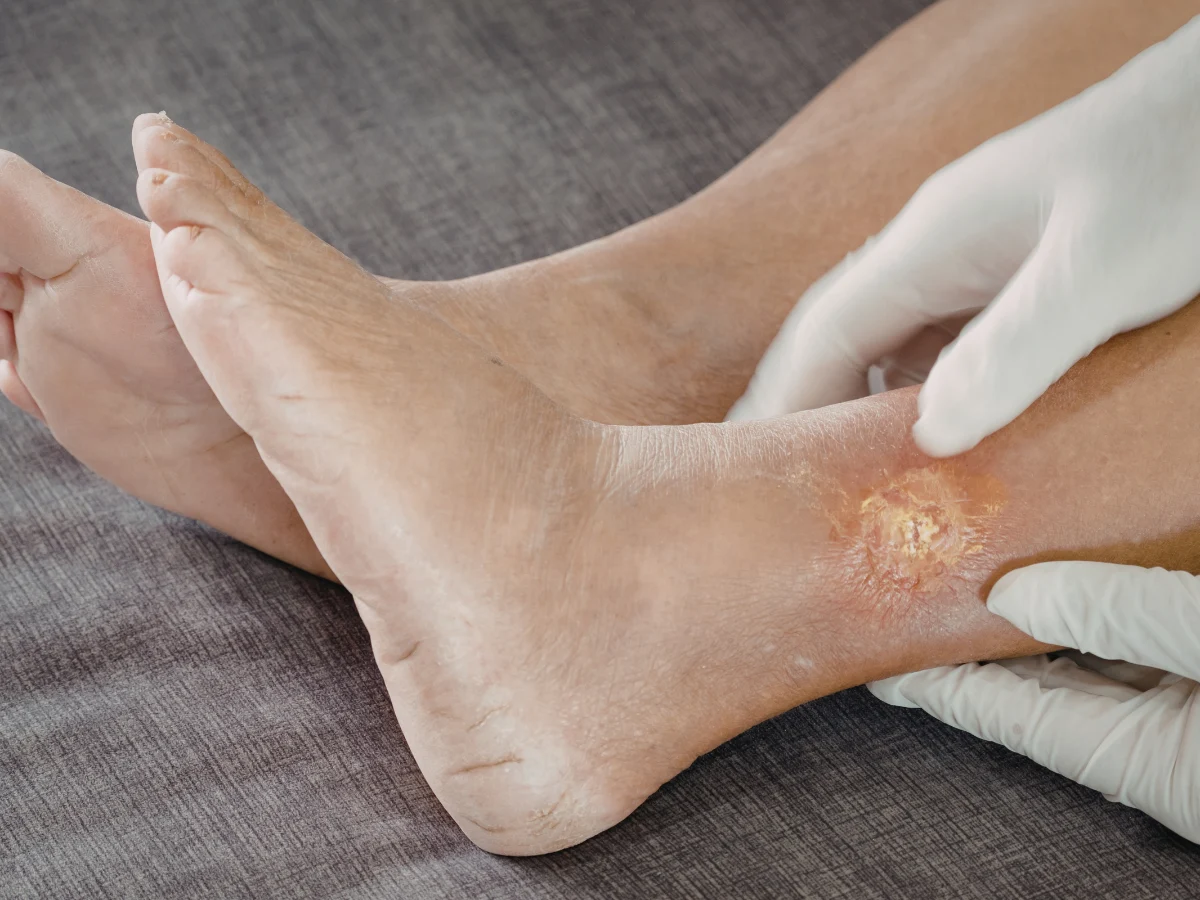
Swelling in the ankles, feet, and legs can result from a variety of factors, many of which are related to how the body manages fluid. One of the most common causes is excess sodium intake, which can lead to water retention and fluid buildup in the body’s tissues. Medical conditions such as kidney disease, heart failure, and venous insufficiency can also disrupt the body’s ability to regulate fluid, resulting in persistent swelling.
Certain medicines, especially blood pressure medicines, may contribute to swelling as a side effect. Prolonged periods of standing or sitting, pregnancy, and other underlying health conditions can further increase the risk of swelling in the ankles and feet. It’s important to pay attention to symptoms like persistent puffiness, tightness, or discomfort, as these may signal an underlying cause that needs to be addressed.
Identifying the root cause of swelling is essential for effective treatment. If you notice swelling that doesn’t improve, or if it’s accompanied by other symptoms such as pain, redness, or shortness of breath, it’s important to consult a healthcare provider. Persistent or severe swelling may indicate a more serious underlying health condition that requires medical attention and targeted treatment.
Immediate Relief Methods (15-Minute Solutions)
These quick-acting techniques work best for mild to moderate leg swelling caused by lifestyle factors rather than underlying medical conditions. Each method targets different mechanisms that contribute to fluid buildup—specifically, swelling occurs when there is too much fluid in the body’s tissues. Combining 2-3 approaches delivers faster results than using any single technique alone.
These interventions help drain fluid from the swollen area, promoting better circulation and reducing discomfort.
Elevation Technique
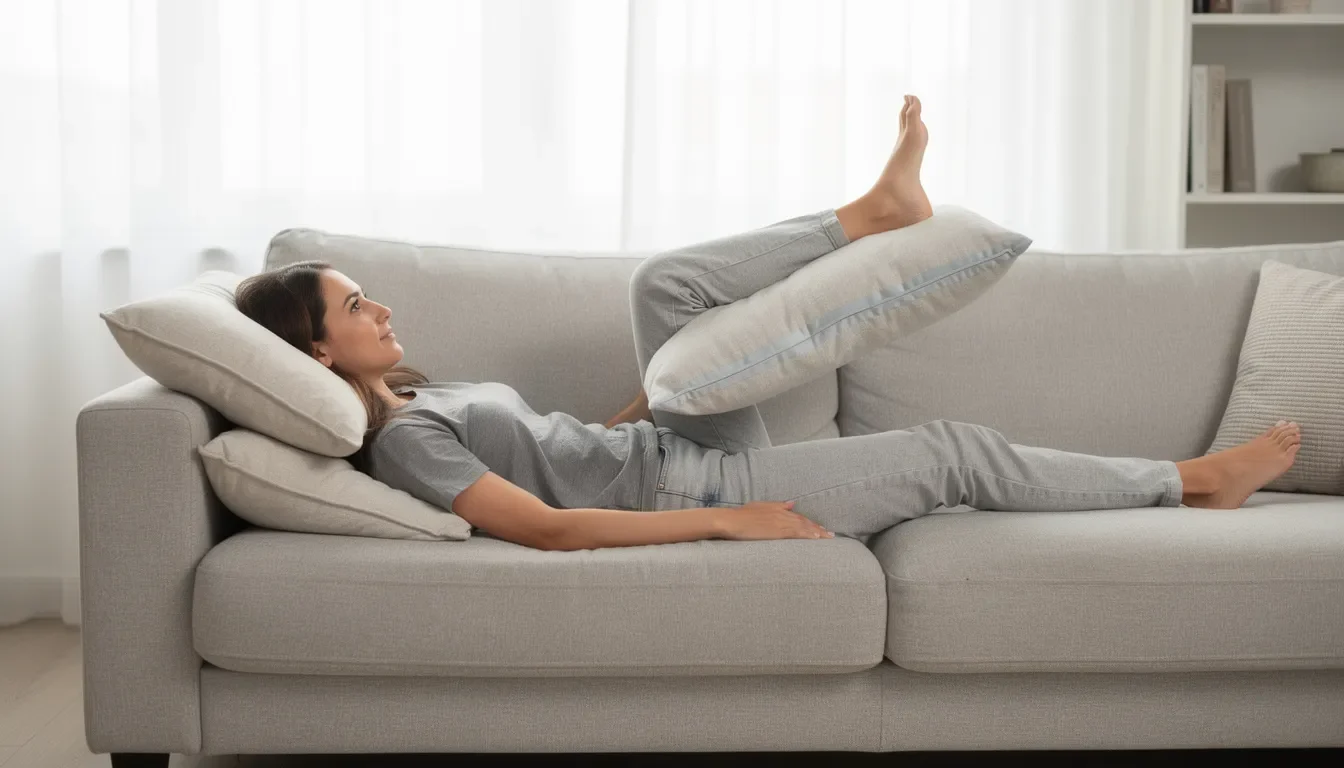
Proper elevation remains one of the most effective ways to relieve swelling quickly. Position your feet 6-12 inches above heart level using firm pillows or a chair, and maintain this position for 15-20 minutes. Gravity naturally helps drain excess fluid back toward your heart, reducing pressure in the blood vessels of your lower extremities. This technique is especially effective for reducing swelling in the swollen area.
The best times to practice elevation include immediately after work, during television watching, and before bed. For optimal results, elevate your ankles feet three times daily, especially when you first notice swelling in your feet beginning to develop.
Many people make the mistake of using soft cushions that don’t provide adequate support. Instead, use firm pillows or a footstool that keeps your feet elevated consistently throughout the session.
Contrast Bath Therapy
This powerful technique alternates between warm water (98-102°F) for 3 minutes and cold water (50-60°F) for 1 minute. Use two basins or buckets large enough for both feet, and repeat the cycle 3-4 times, always ending with cold water treatment.
The temperature changes stimulate circulation by causing blood vessels to alternately dilate and constrict. This pumping action helps move lymph fluid and improve blood flow, making contrast baths particularly effective for people who experience swelling after long periods of inactivity.
Fill one basin with comfortably warm water and another with cold water. Test temperatures with your wrist before immersing your feet. The contrast between temperatures should be noticeable but not painful—adjust accordingly if you have sensitive skin or circulation issues.
Ankle Circles and Pumps
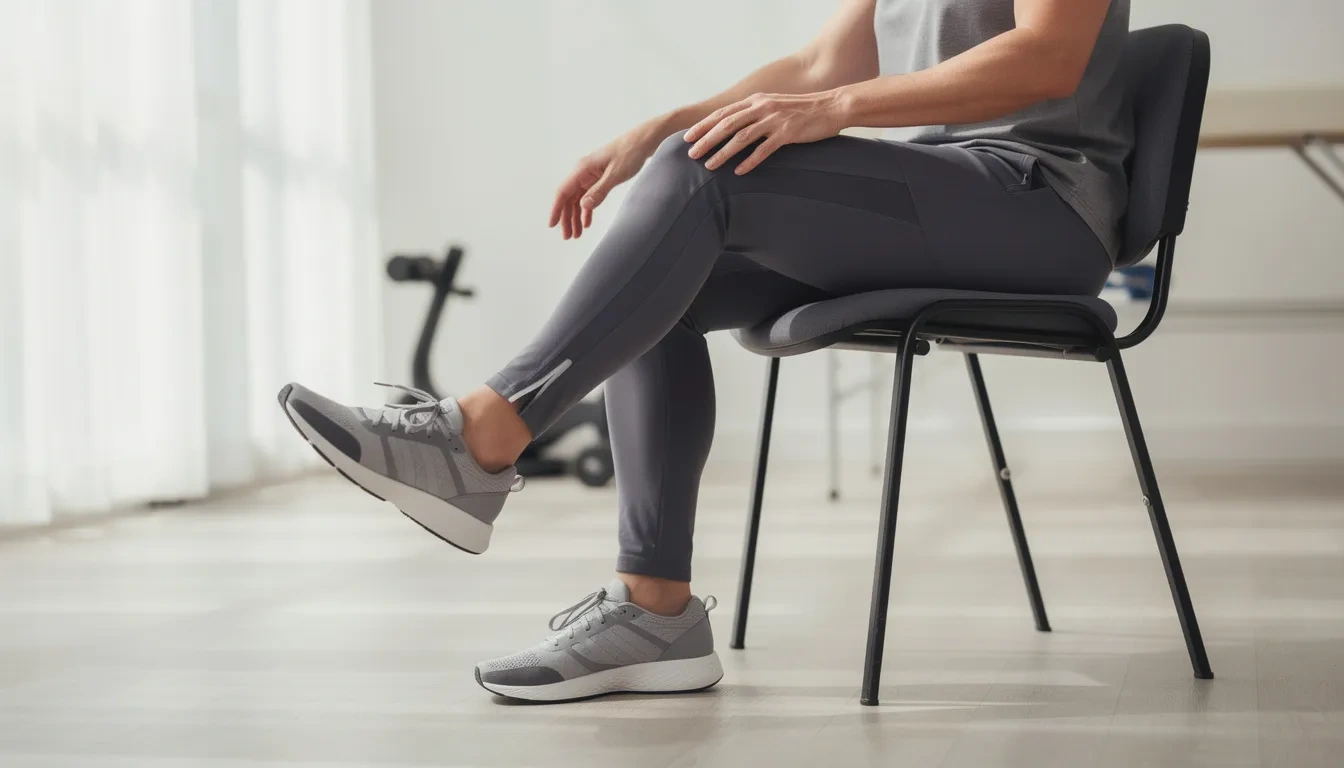
Simple ankle pumps and circles activate the muscle pump mechanism that helps push fluid back toward your heart. Perform 20 clockwise and 20 counterclockwise ankle circles per foot, followed by 30 ankle pumps where you point your toes up and down.
These exercises can be performed while sitting at your desk, watching television, or lying in bed. The muscle contractions compress veins and lymphatic vessels, forcing accumulated fluid upward and improving blood supply to the affected area.
Repeat this routine every 2-3 hours throughout the day for maximum benefit. The beauty of ankle pumps lies in their convenience—you can perform them almost anywhere without special equipment or changing clothes.
If swelling is not easing up, get evaluated by a healthcare professional. Book an appointment with Evolve Health for personalized care and treatment plans to address your swollen ankles effectively.
Quick Ankle Swelling Relief After Work
Create a systematic post-work routine that addresses multiple causes of swelling simultaneously. This targeted approach recognizes that workplace conditions—prolonged sitting, restrictive footwear, and limited movement—create ideal conditions for fluid accumulation.
Step 1: Immediate Shoe and Sock Removal
Remove restrictive footwear and tight socks immediately upon arriving home. Constricting clothing around your feet and ankles impedes circulation and contributes to fluid retention.
Step 2: Cold Compress Application
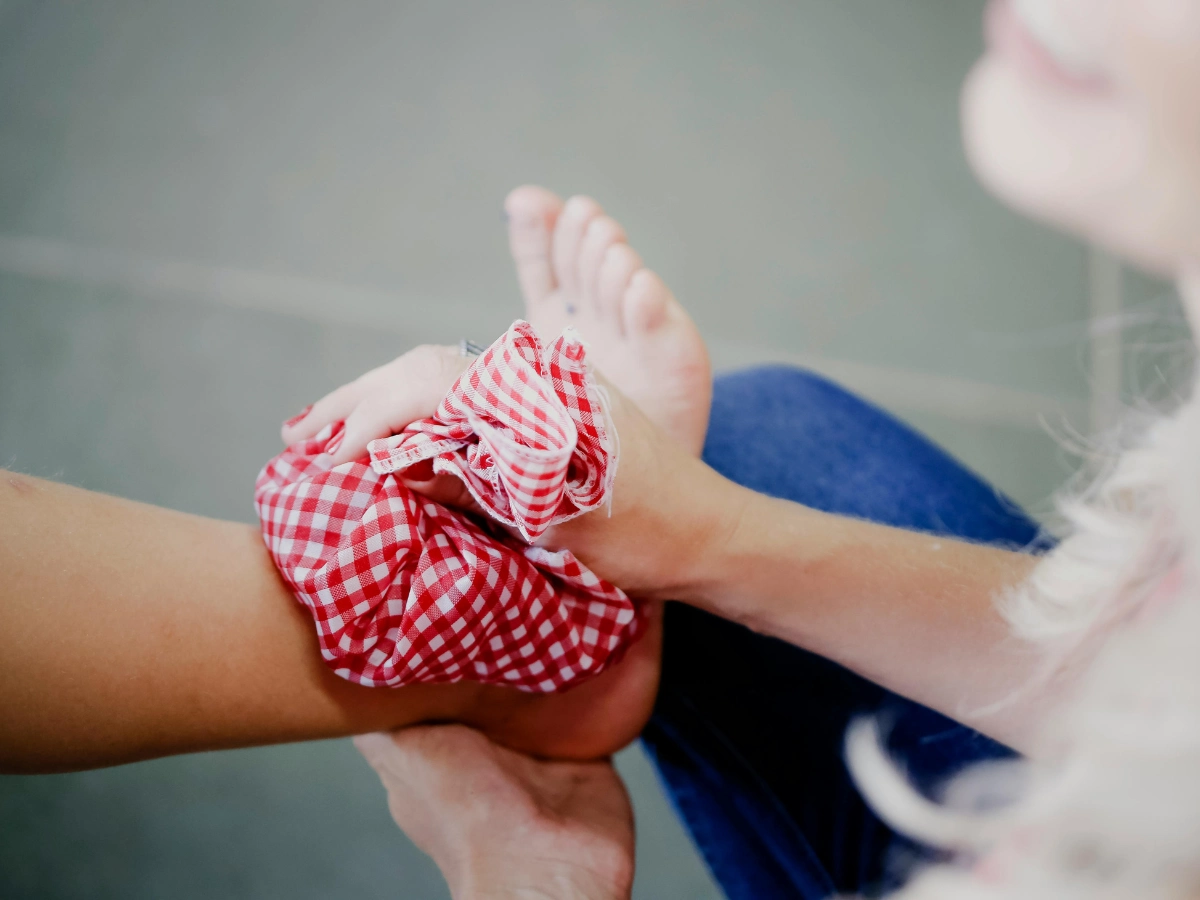
Apply a cold pack or ice pack wrapped in a thin towel to swollen areas for the first 10 minutes. The cold temperature reduces inflammation and helps constrict blood vessels, providing immediate relief from painful swelling.
Step 3: Elevation with Compression
Lie down and elevate your feet while applying gentle pressure with your hands. Use upward massage strokes from your toes toward your knees, encouraging fluid movement back toward your heart.
Step 4: Clothing Change
Change into loose, comfortable clothing that doesn’t restrict circulation around your waist, legs, or feet. Tight clothing can impede the return of blood and lymphatic fluid from your lower body.
Time this routine before dinner preparation so you can maintain elevation while planning your evening meal. This strategic timing maximizes the benefits of gravity-assisted drainage.
Overnight Fixes for Swollen Ankles
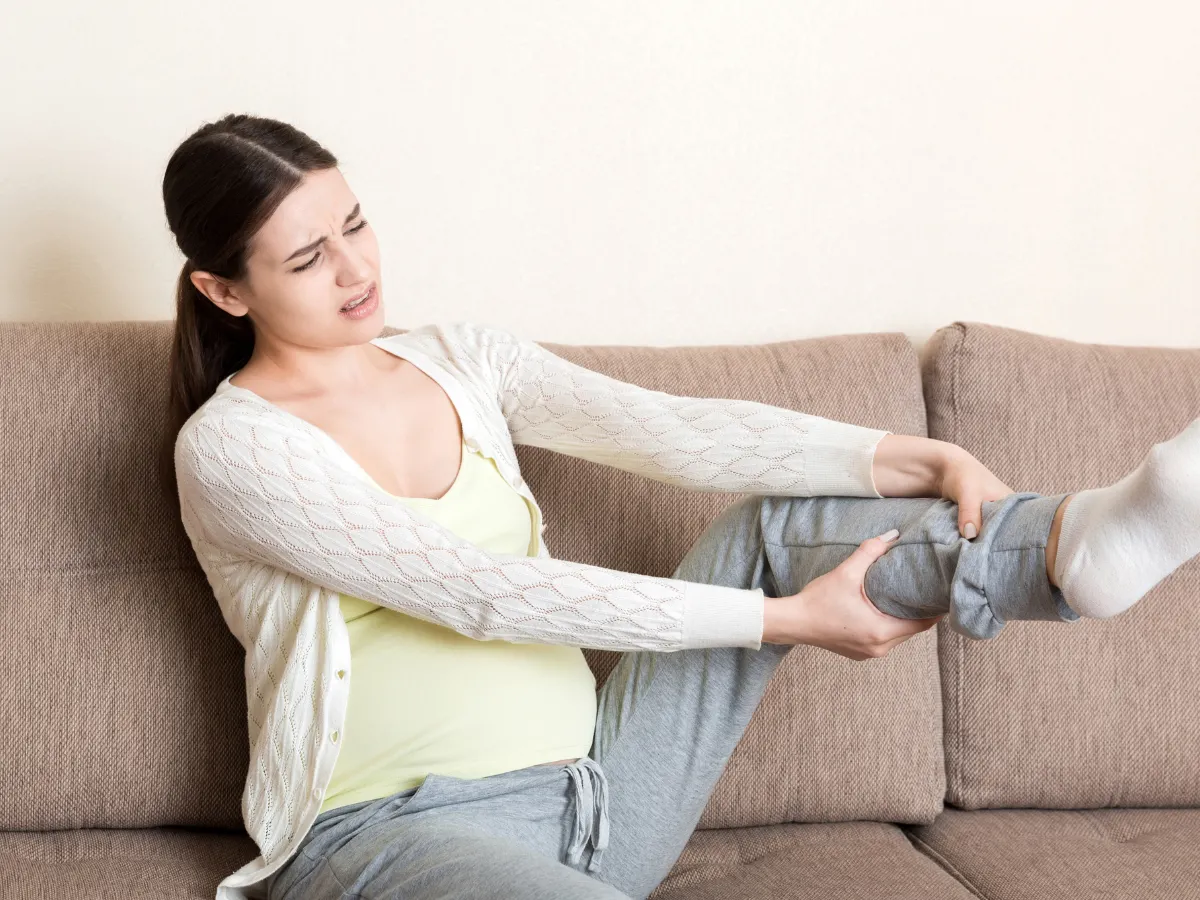
Sleep positioning provides 6-8 hours of continuous elevation, making it one of the most effective swollen ankles overnight fix strategies. Proper nighttime positioning can reduce morning swelling by 50-70%, giving you a fresh start each day.
Sleep Elevation Protocol Place 2-3 firm pillows under your feet throughout the night, ensuring your ankles remain elevated above heart level. Avoid sleeping on your stomach, which can worsen circulation and counteract the benefits of elevation.
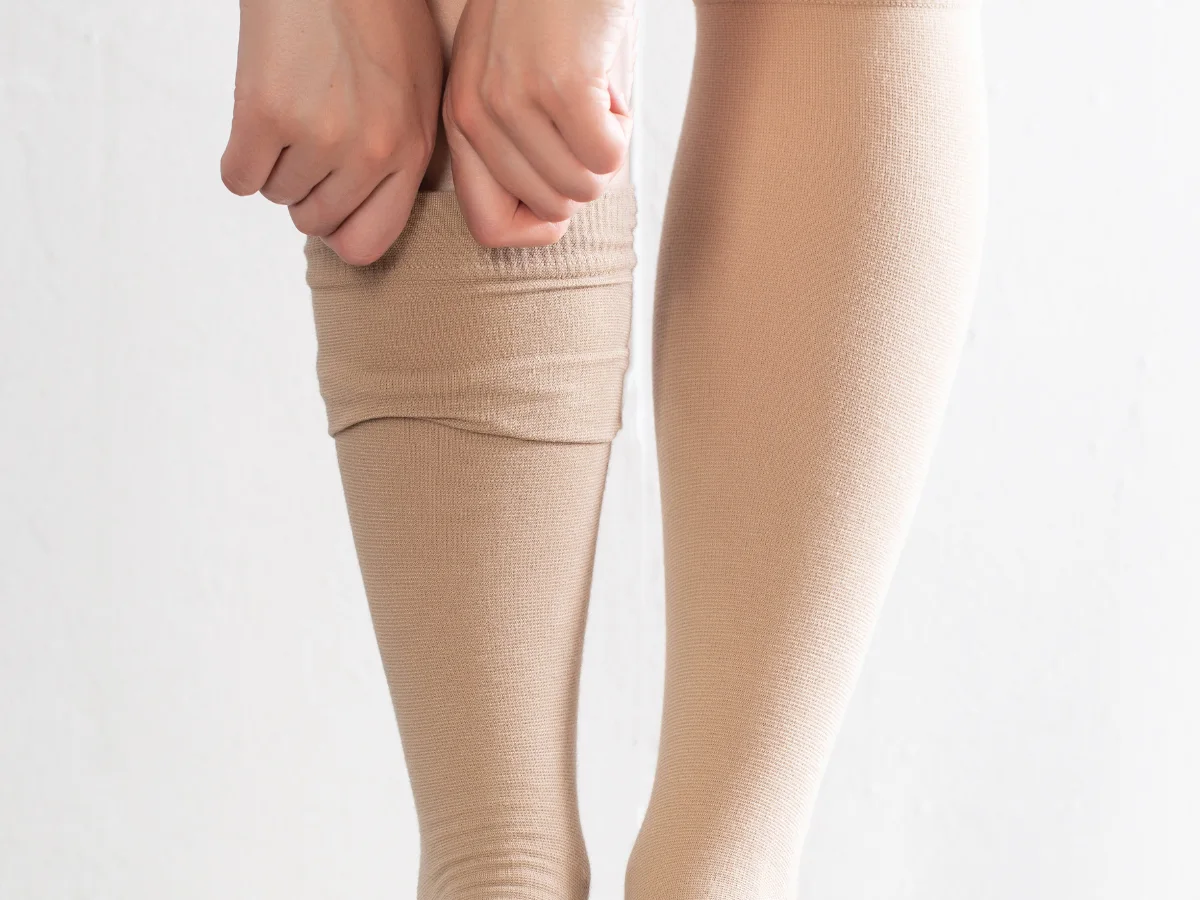
Compression Therapy Apply graduated compression socks (15-20 mmHg pressure) before bed, removing them upon waking. These specialized socks provide gentle, consistent pressure that prevents fluid from pooling overnight while you sleep.
Morning Activation Routine Before getting out of bed, perform gentle ankle pumps and circles to activate your muscle pump and improve circulation. This preparation helps prevent the sudden rush of fluid back into your feet when you stand up.
The combination of prolonged elevation and gentle compression creates optimal conditions for fluid drainage. Many people notice dramatically reduced swelling upon waking when they consistently follow this overnight protocol.
Salt-Cut Meals for Rapid Results
Dietary sodium directly affects water retention, making salt reduction one of the fastest ways to decrease swelling within 24-48 hours. Your kidneys regulate fluid balance, and excess sodium intake forces them to retain more water to maintain proper blood pressure and electrolyte balance.
1. Immediate Dietary Changes
Avoid processed foods containing over 400mg sodium per serving. Check nutrition labels carefully, as many seemingly healthy foods contain hidden sodium. Restaurant meals often contain 2-3 times the daily recommended sodium intake.
2. Natural Flavor Alternatives
Replace salt with herbs like parsley, cilantro, and dill, which act as natural diuretics and help reduce fluid buildup. These herbs not only enhance flavor but also provide compounds that support kidney function and fluid elimination.
3. Potassium-Rich Foods
Increase consumption of potassium-rich foods including bananas, spinach, avocados, and sweet potatoes. Potassium helps balance sodium levels and supports healthy blood pressure, reducing the tendency for water retention.
Losing weight can also help reduce pressure on the feet and lower extremities, improve circulation, and decrease swelling, especially if excess body weight is a contributing factor.
Sample One-Day Meal Plan:
Breakfast: Fresh fruit bowl with berries (50mg sodium)
Lunch: Grilled chicken salad with olive oil dressing (200mg sodium)
Dinner: Baked salmon with steamed vegetables (300mg sodium)
Total daily sodium: 550mg (well below the 2,300mg daily limit)
4. Hydration Protocol
Drink 8-10 glasses of water daily to help your kidneys flush excess sodium from your system. Paradoxically, adequate hydration helps reduce water retention by supporting optimal kidney function and preventing your body from holding onto excess fluid.
In some cases, if lifestyle changes are not enough to manage swelling, doctors may prescribe water pills (diuretics) to help eliminate excess fluid and reduce swelling, especially when fluid retention is caused by underlying health conditions.
Additional Fast-Acting Remedies
Several complementary approaches can enhance the effectiveness of primary treatment methods and provide additional pathways for reducing ankle swelling.
Epsom Salt Foot Soak Dissolve 1 cup of Epsom salt in warm water and soak your feet for 20 minutes. The magnesium in Epsom salt may help reduce inflammation and draw out excess fluid through the skin, though this mechanism works primarily for surface-level swelling.
Compression Therapy Wear compression socks with 15-20 mmHg pressure for mild cases of leg swelling. These specially designed socks provide graduated pressure that supports venous return and prevents fluid accumulation throughout the day.
Targeted Cold Application Apply cold packs for 10 minutes on, 10 minutes off, repeating the cycle 3 times. This intermittent cold therapy reduces inflammation while preventing tissue damage from prolonged cold exposure.
Lymphatic Drainage Massage Perform gentle upward strokes from your toes toward your knees for 5-10 minutes. Use light pressure and slow movements to encourage lymph fluid movement through your lymphatic system.
Anti-Inflammatory Nutrition Incorporate foods high in natural anti-inflammatory compounds, including cherries, berries, leafy greens, and fatty fish. These foods may help reduce overall inflammation that contributes to swelling.
Circulation-Friendly Habits Avoid tight shoes, restrictive socks, and clothing that binds around your legs or waist. These items can compress blood vessels and impede the natural flow of blood and lymphatic fluid.
Importance of Foot Care
Taking good care of your feet and ankles is a key step in reducing swelling and preventing future problems. Simple habits, like wearing comfortable shoes that don’t restrict blood flow and choosing socks that don’t leave marks on your skin, can make a big difference. Managing your sodium intake by avoiding foods high in salt and staying well-hydrated helps prevent water retention and fluid buildup.
Incorporating regular movement into your day—such as ankle pumps and gentle stretches—can stimulate blood flow and help decrease swelling. Elevating your legs and wearing compression socks are additional home remedies that support healthy circulation and relieve swelling in the lower extremities. Making these lifestyle changes not only helps reduce swelling but also supports your overall health.
For additional support, consider exploring recommended products that aid in managing swollen ankles and improving circulation. You can find a curated selection of effective compression socks, elevation aids, and other helpful tools on our Recommended Products for swollen ankles.
It’s also important to keep track of your symptoms and consult your healthcare provider for regular check-ups. They can help identify any underlying health conditions and recommend other treatments or diagnostic tests if needed. By staying proactive with foot care and making smart lifestyle choices, you can ease swelling, improve comfort, and protect your long-term well-being.
When Fast Relief Isn’t Enough
While home remedies work well for mild cases of ankle swelling, certain warning signs indicate the need for immediate medical attention. Understanding these red flags helps ensure your safety while pursuing quick relief methods.
Emergency Warning Signs
Contact a doctor immediately if you experience sudden swelling with chest pain, difficulty breathing, or shortness of breath. These symptoms may indicate heart failure, blood clots, or other serious medical conditions requiring urgent intervention.
Unilateral Swelling Concerns
When one ankle is significantly more swollen than the other, this pattern suggests possible deep vein thrombosis (DVT) or local injury rather than general fluid retention. DVT represents a serious condition that can be life-threatening if not treated promptly.
Infection Indicators
Swelling accompanied by redness, warmth, fever, or skin changes may indicate cellulitis or other bacterial infections. These conditions require antibiotic treatment and medical supervision.
Chronic Swelling Patterns
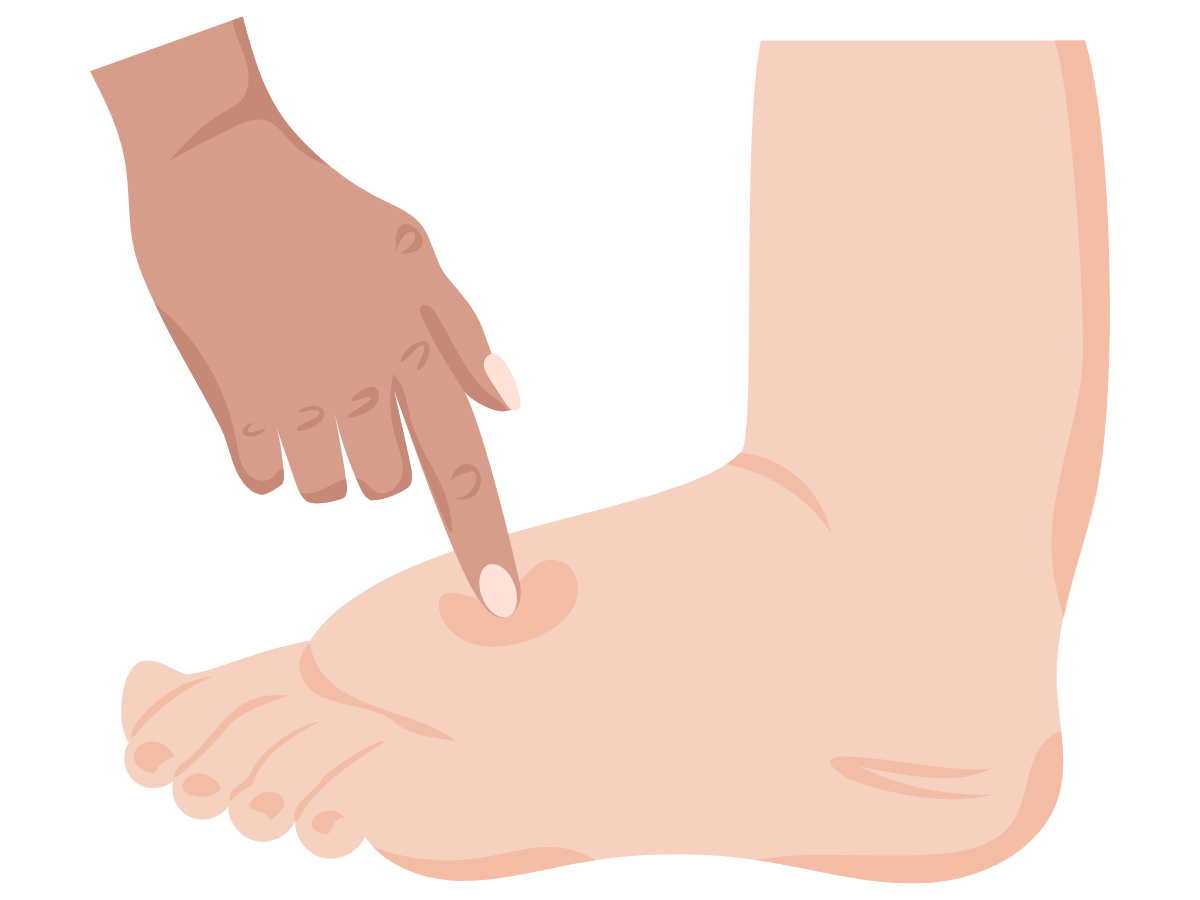
If your swelling doesn’t improve after 48 hours of consistent home treatment, or if it leaves deep indentations when pressed (pitting edema), consult your healthcare provider. These patterns may indicate underlying health conditions such as venous insufficiency, kidney disease, heart problems, or issues with certain medicines.
Medication-Related Swelling
People taking blood pressure medicines, especially calcium channel blockers, may develop medication-induced edema. If you suspect your prescribed medications are causing swelling, discuss alternatives with your doctor rather than discontinuing treatment independently.
High-Risk Populations
Pregnant women experiencing sudden increase in swelling should seek immediate medical evaluation, as this may indicate preeclampsia. Older adults and individuals with a medical history of heart, kidney, or liver disease should also maintain closer medical supervision when managing ankle swelling.
Your overall health and underlying cause of swelling determine whether home remedies provide appropriate treatment. While these fast-acting methods offer relief for many mild cases, they complement rather than replace professional medical care when serious conditions are suspected.
Remember that persistent swelling lasting more than one week, regardless of home treatment efforts, warrants professional medical evaluation. A physical examination, medical history review, blood tests, and possible diagnostic tests can identify any underlying medical conditions requiring specific treatment approaches.
Contact Evolve Health for Fast Swollen Ankles Relief
If you’re struggling with swollen ankles and seeking professional care, Evolve Health is here to help. Our experienced team provides personalized treatment plans tailored to your specific needs, addressing both the symptoms and underlying causes of ankle swelling. Whether your swelling is due to lifestyle factors, injury, or a medical condition, we offer comprehensive evaluation and effective therapies to restore your comfort and mobility.
Visit our locations in FL and TX to find a convenient Evolve Health clinic near you, or learn more about our services and approach by exploring our Evolve Health. Don’t let swollen ankles hold you back—contact Evolve Health today and take the first step toward relief and improved health.
Frequently Asked Questions
What causes swollen ankles and when should I see a doctor?
Swollen ankles often result from fluid buildup known as edema, caused by factors like prolonged standing, injury, pregnancy, or medical conditions such as heart, kidney, or liver disease. You should see a doctor if swelling is sudden, painful, affects only one leg, or is accompanied by other symptoms like redness, warmth, or shortness of breath, as these may indicate serious conditions like deep vein thrombosis or infection.
Can lifestyle changes really help reduce swollen ankles?
Yes, lifestyle changes such as reducing salt intake, maintaining a healthy weight, staying active with regular gentle exercise, elevating your legs, and wearing compression socks can significantly reduce swelling. These habits improve circulation and help your body manage fluid balance more effectively.
Are compression socks safe for everyone with swollen ankles?
Compression socks are beneficial for many people with swollen ankles as they improve blood flow and prevent fluid accumulation. However, individuals with peripheral artery disease or certain other circulatory problems should consult a healthcare provider before using compression therapy to avoid compromising blood supply.
How quickly can home remedies reduce swollen ankles?
Home remedies like elevation, cold compresses, ankle exercises, and contrast baths can start to reduce swelling within 15 to 30 minutes, especially when combined. For persistent or severe swelling, professional evaluation and treatment are recommended.
Can swollen ankles be a sign of pregnancy complications?
Mild swelling in the feet and ankles is common during pregnancy due to fluid retention and increased pressure on veins. However, sudden or severe swelling, particularly when accompanied by headaches, vision changes, or high blood pressure, may signal preeclampsia, a serious condition requiring immediate medical attention.
Conclusion
These evidence-based methods can provide significant relief from swollen ankles within 15-30 minutes, especially when you combine multiple approaches. Elevation, contrast baths, gentle exercise, and dietary modifications target different mechanisms causing fluid accumulation, creating a comprehensive approach to quick ankle swelling relief.
The most effective strategy involves implementing these techniques immediately when you notice swelling in the ankles beginning to develop. Whether you’re dealing with end-of-workday discomfort or morning puffiness, having a systematic approach ensures you can ease swelling quickly and return to your normal activities.
Start with the elevation and cold therapy combination for immediate results, then incorporate the dietary and exercise recommendations for sustained improvement. Remember that while these methods work well for lifestyle-related swelling, persistent or severe symptoms always warrant consultation with a healthcare provider to rule out serious underlying conditions.
Take action today by setting up your elevation station at home and trying the 15-minute post-work routine. Your ankles—and your comfort level—will thank you for the proactive approach to managing this common but manageable condition.