What is Plantar Warts?
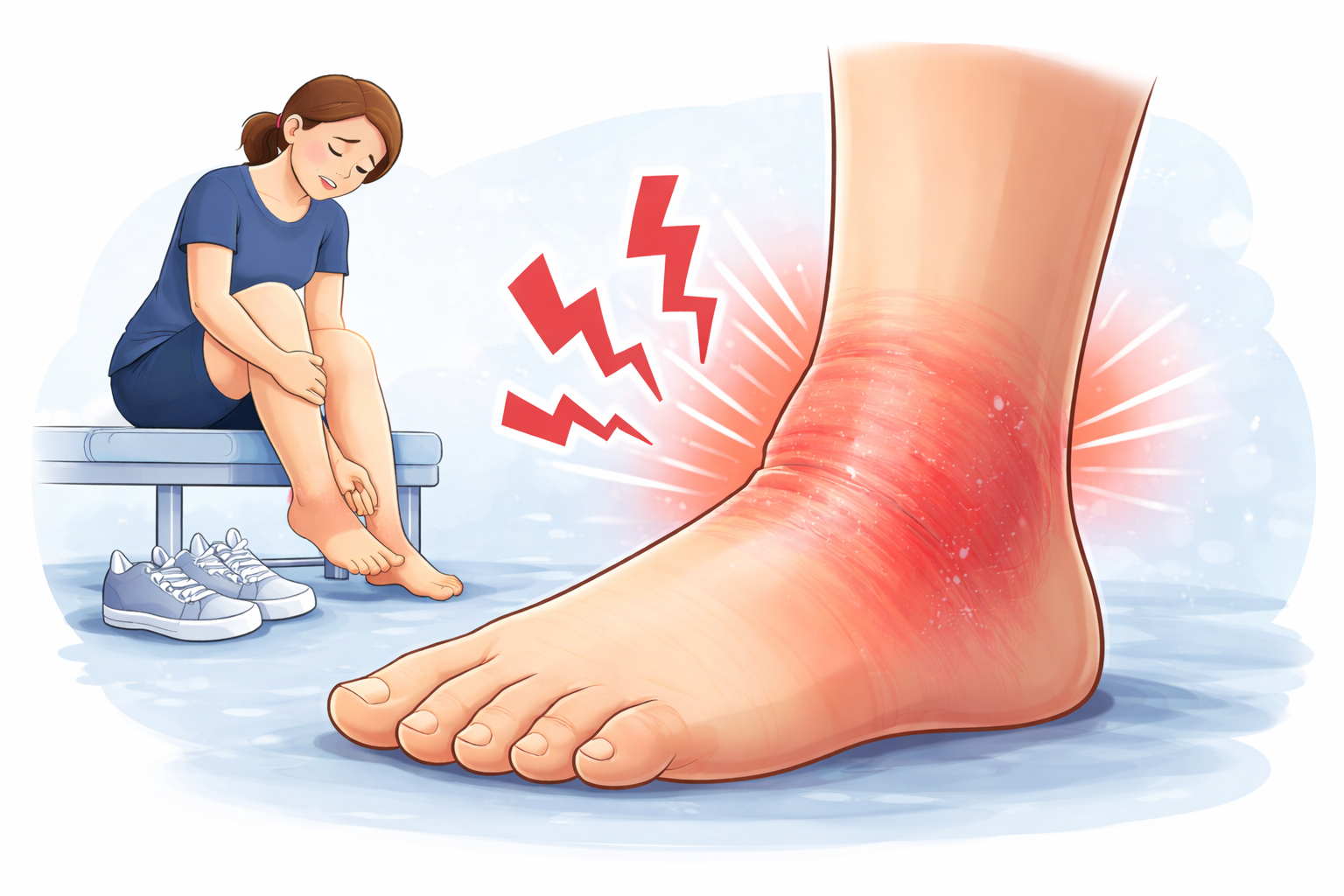
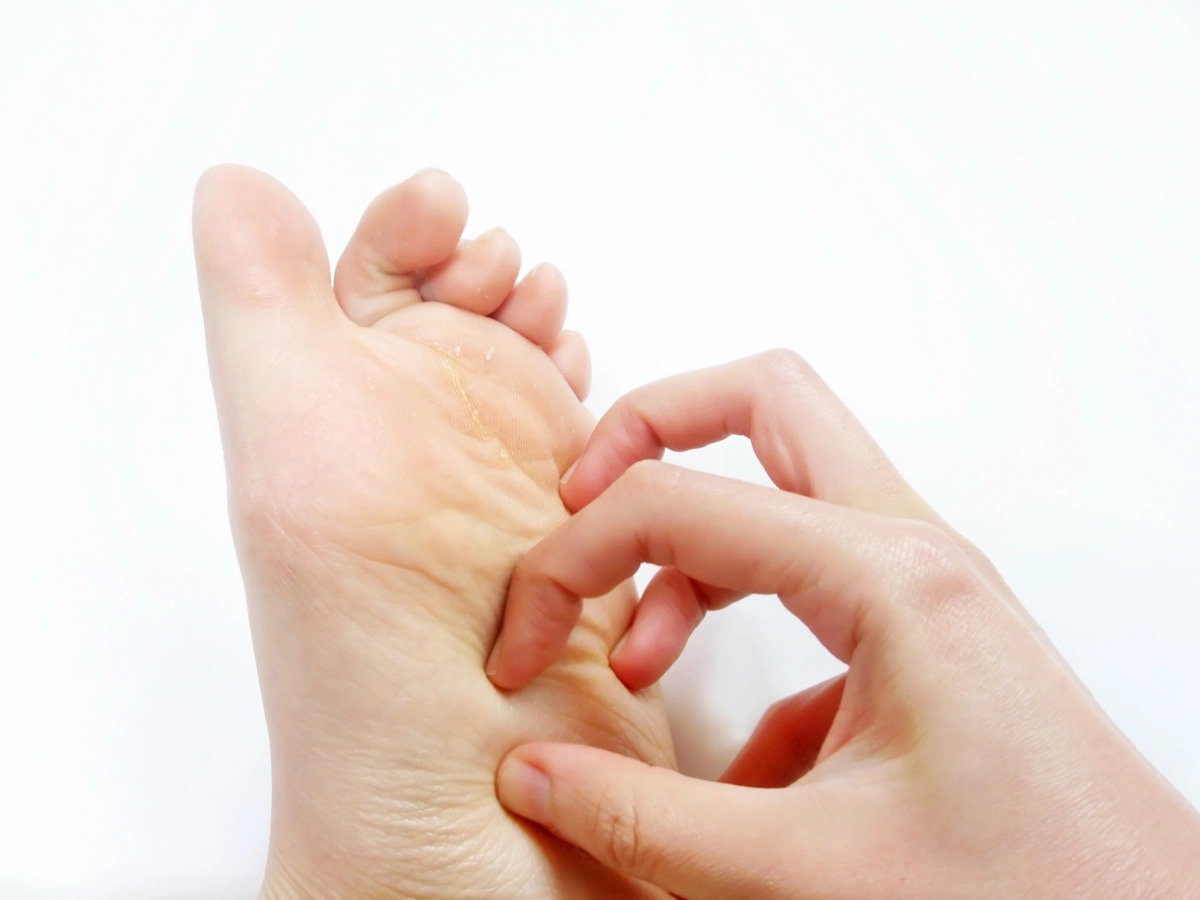
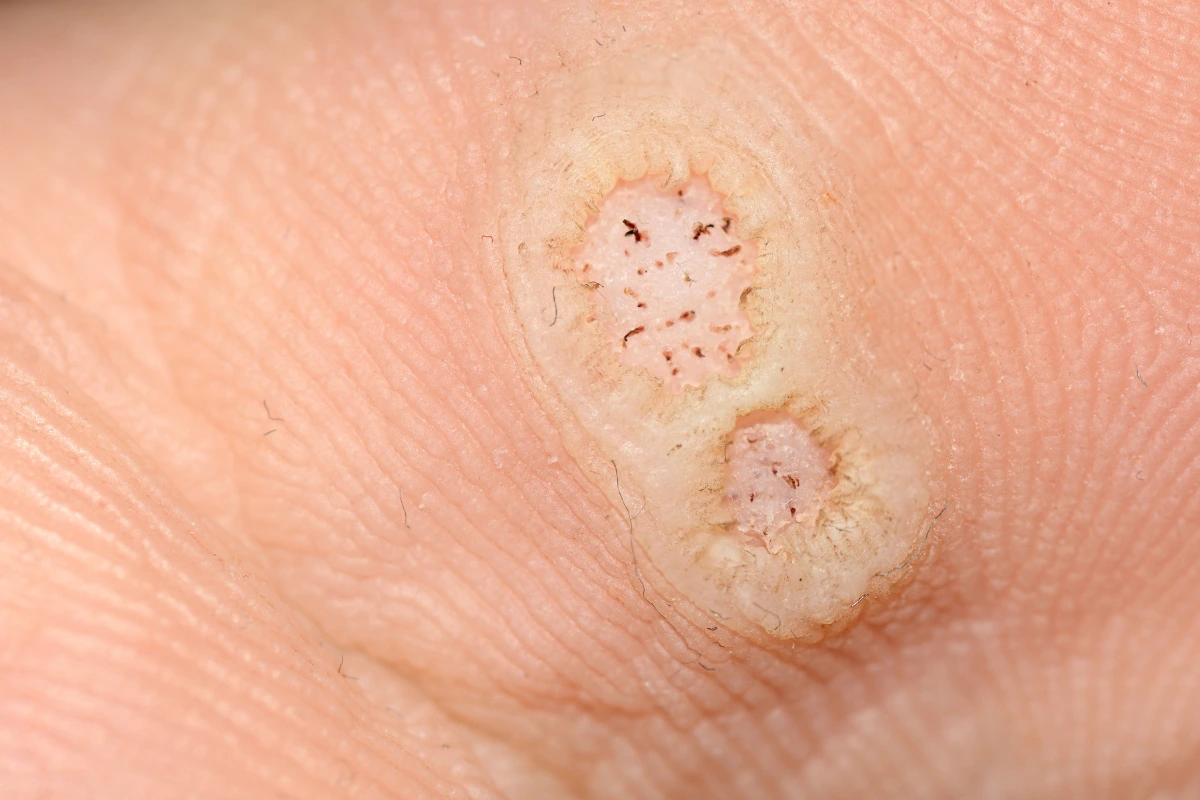
Plantar warts are noncancerous growths on the soles, heels, or balls of the feet caused by infection with certain strains of the human papillomavirus (HPV). They often appear as rough, grainy bumps with tiny black dots—clotted blood vessels—that can cause pain when standing or walking, especially in weight-bearing areas.
The virus enters through small cuts or weak spots in the skin and thrives in warm, moist environments. Plantar warts can vary in size and may occur singly or in clusters called mosaic warts. While some warts clear up naturally as the immune system fights the virus, many require treatment to relieve discomfort.
For those experiencing foot pain from other causes, such as nerve-related issues, you might also find helpful information on managing conditions like Morton’s Neuroma Pain in our comprehensive guides.
Causes of Plantar Warts
Plantar warts are caused by the human papillomavirus (HPV), which enters the skin through small cuts or weak areas on the soles of the feet. The virus thrives in warm, moist environments. Locker rooms and swimming pools are common sources of infection.
People with weakened immune systems, including those with autoimmune diseases such as diabetes, or those who walk barefoot in these areas, are at a higher risk of developing plantar warts. Children between the ages 12 and 16 are more frequently affected by plantar warts.
Although HPV strains causing plantar warts are not highly contagious, they can still spread through direct or indirect contact with infected surfaces.
This means that taking preventive measures, such as wearing protective footwear and keeping your feet clean and dry, can significantly reduce the risk of infection and help prevent plantar warts caused by the hpv virus.
Symptoms and Identification
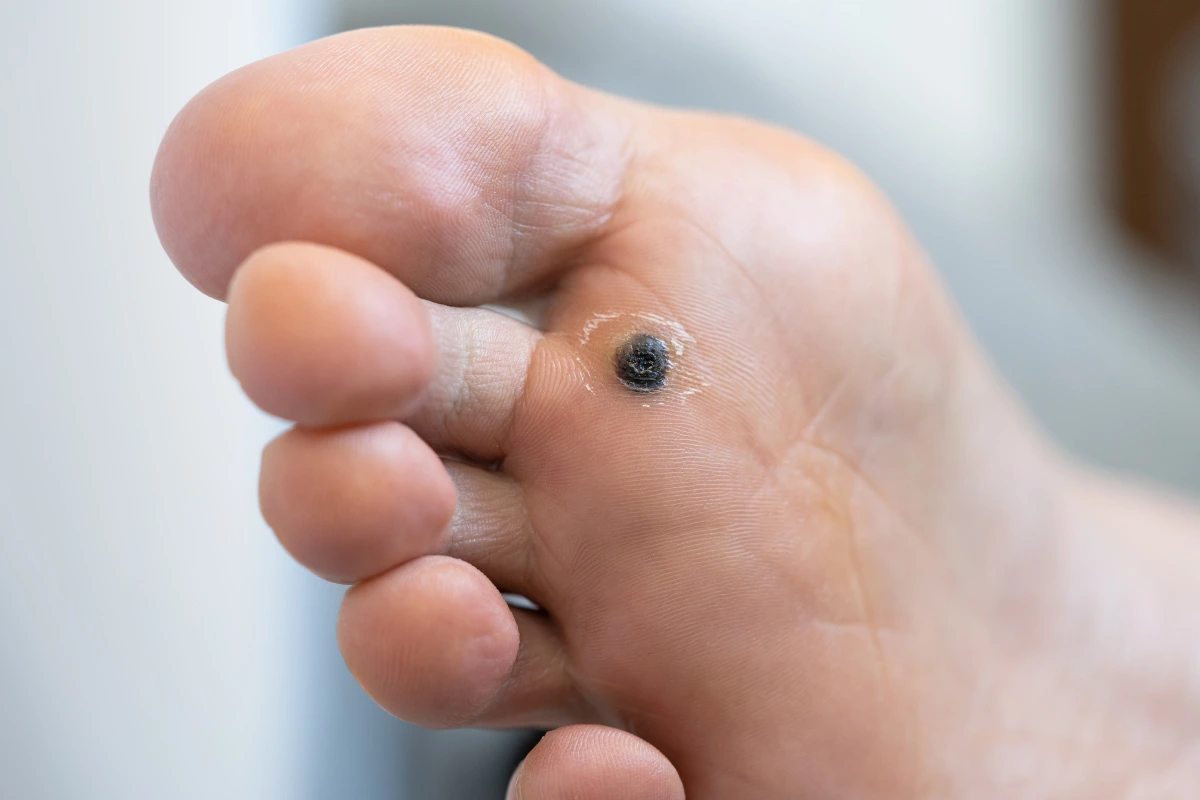
Identifying plantar warts can be straightforward if you know what to look for. Common plantar wart symptoms include:
A rough texture
Tiny black dots, which are actually clotted blood vessels
Varying sizes
Appearance as rough bumps on the soles of the feet
A rough bump on the sole of the foot
Plantar warts commonly develop in weight-bearing areas such as the heels and balls of the feet. They can vary in size, and some individuals may have just one wart, while others develop clusters known as mosaic warts.
Unlike corns or calluses, plantar warts typically have these distinctive black dots and can cause pain or tenderness, especially when pressure is applied, leading to more warts.
Differentiating plantar warts from other foot conditions is crucial for effective treatment. While corns and calluses are generally smooth and painless, corns are characterized by thickened skin, which is usually raised and yellow. Plantar warts are a type of skin growth that can be mistaken for corns or calluses.
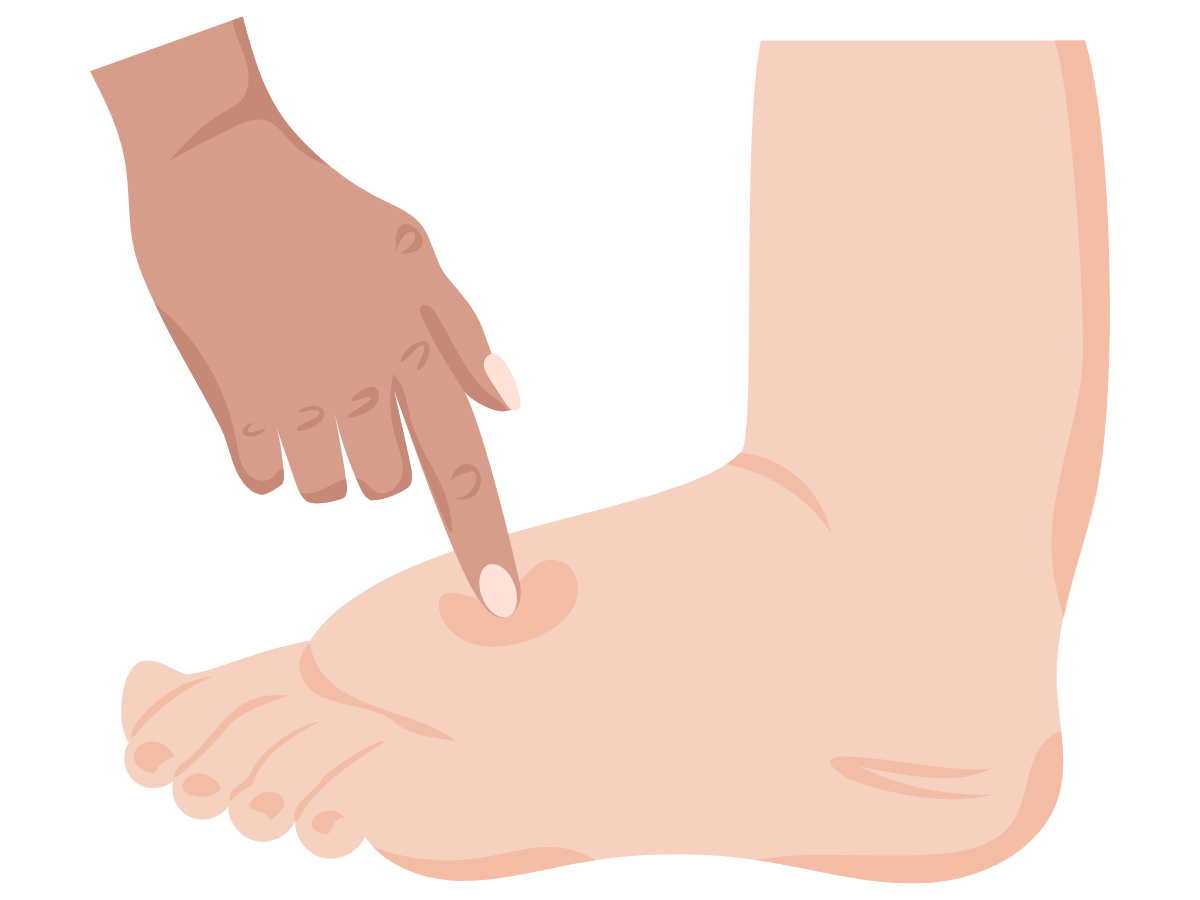
Plantar warts are rough and can be quite painful due to the pressure from body weight. A plantar wart is painful when squeezed from the sides, whereas a callus is not. If you notice these symptoms, it’s essential to seek a proper diagnosis to ensure appropriate treatment.
Diagnosis Methods
Diagnosing plantar warts typically involves a visual examination by a healthcare professional. This process may include using a scalpel to check for small clotted blood vessels, which are a key indicator of plantar warts. Another common method is the Squeeze Test, which helps distinguish between a plantar wart and a corn.
In some cases, a biopsy may be performed to confirm the diagnosis. This involves removing a small part of the wart for laboratory analysis. Accurate diagnosis is crucial for determining the most effective treatment plan and ensuring that you receive the appropriate care for your condition.
If you are experiencing foot pain, it is also important to consider other conditions, such as plantar fasciitis, which can cause similar discomfort; you can learn more about this condition and its treatments at Plantar Fasciitis.
Home Treatments for Plantar Warts
While over-the-counter and home remedies for plantar warts are available, their effectiveness can vary widely. It is important to have your foot evaluated by a healthcare professional, such as a podiatrist, before starting any treatment to ensure proper diagnosis and the most effective care plan.
Medical Treatments for Plantar Warts

When home treatments fail to produce satisfactory results, medical treatments offer a more effective solution. These procedures are designed to remove the wart while preserving healthy skin, minimizing the risk of damaging surrounding tissue.
Common methods for treating plantar warts include non-invasive in-office topical treatments and minor surgery. In-office treatments, such as cryotherapy and chemical peels, may require multiple sessions for effective removal.
Immunotherapy stimulates the immune system to fight HPV and can have success rates from 60% to over 90%. At Evolve Health, we specialize in providing individualized care to ensure the best possible outcomes for our patients.
Among the various plantar wart treatment options, Swift® Microwave Therapy stands out for its high success rate. This innovative wart treatment has shown success rates ranging from 75-83%, making it a promising option for those struggling with persistent warts.
Swift Microwave Therapy uses low-power microwave energy to trigger an immune response. With proper treatment, the wart disappears over time as the infected tissue is destroyed and the body’s immune response eliminates the virus.
Cryotherapy
Cryotherapy is a popular method for freezing plantar warts using liquid nitrogen. This treatment:
Causes tissue death, leading the dead wart to fall off
Requires sessions typically every two to three weeks
The frequency depends on the size and duration of the wart
The effectiveness of cryotherapy can be as high as 49% after three months.
Causes tissue death, leading the dead wart to fall off
Requires sessions typically every two to three weeks
The frequency depends on the size and duration of the wart
To minimize pain during the procedure, the area is numbed before applying the liquid nitrogen. After treatment, a blister forms, and the dead tissue usually sloughs off within a week or two. While cryotherapy is effective, it may require several treatments to completely remove the wart.
Laser Treatment
Laser treatment for plantar warts uses laser light. This method works by:
Specifically targeting and burning the tiny blood vessels within the wart
Effectively cutting off the wart’s blood supply
Causing the wart to dry out, and eventually, the wart falls off naturally
Laser therapy targets the blood vessels inside the wart and is often effective in one to three treatments.
Laser treatments usually require repeat treatments every two to four weeks. This process continues until the wart is completely removed. While this method can be very effective, it’s essential to follow the treatment plan closely and attend all scheduled sessions for the best results.
Minor Surgery
The surgical procedure for plantar wart removal is known as surgical removal curettage. This method involves cutting away the wart and some of the surrounding skin to ensure complete removal. Curettage has a high success rate, ranging from 65-85%, making it a reliable option to remove warts for persistent warts.
Surgical removal is a last resort for plantar warts and can be highly effective with a cure rate of 60% to 95%. In severe or untreated cases, such as a mosaic wart, surgical intervention may be necessary to address the complication.
Most individuals can expect to walk normally within one to two weeks after the procedure. While minor surgery is more invasive than other treatments, it offers a quick and effective solution for those struggling with stubborn plantar warts in just a few weeks.
Microwave Therapy

Microwave therapy is an innovative plantar wart treatment that uses targeted microwave energy to heat and destroy wart tissue. Unlike traditional surgical removal, this method is minimally invasive and can be performed right in your healthcare provider’s office.
During the procedure, a specialized device delivers microwave energy directly to the plantar wart, raising the temperature of the infected tissue and effectively killing the virus-infected cells.
Most patients require several treatments, spaced a few weeks apart, to ensure complete wart removal. Microwave therapy is a promising option for those seeking a less invasive, relatively painless way to treat stubborn warts without the downtime associated with surgery.
What to Expect from Treatment
When starting plantar wart treatment, it’s important to have realistic expectations about the process and results. The time it takes to achieve complete plantar wart removal can vary based on the size and depth of the wart, the chosen treatment method, and your immune system’s response.
Plantar warts can last from a few months to several years, depending on the individual. Most treatments, whether at home or in a clinic, require multiple sessions over several weeks or even months. Some methods, like cryotherapy or laser wart removal, may cause temporary side effects such as redness, pain, or blistering.
Regular follow-up visits with your healthcare provider are essential to monitor your progress, adjust your treatment plan if needed, and help prevent recurrence. By staying informed and patient, you can increase your chances of successful wart removal and maintain healthy feet.
Benefits of Swift Treatment
Seeking prompt treatment for a plantar wart offers several important benefits. Early intervention can reduce discomfort and pain, lower the risk of complications, and help prevent the spread of warts to other areas of your foot or to other people.
Treating a plantar wart quickly also decreases the likelihood of developing mosaic warts—clusters of warts that are more difficult to treat and can cause greater discomfort.
By addressing warts early, you can minimize their impact on your daily activities and reduce the risk of secondary infections. Taking action at the first sign of a plantar wart is the best way to manage the condition and protect your overall foot health.
Preventing Plantar Warts
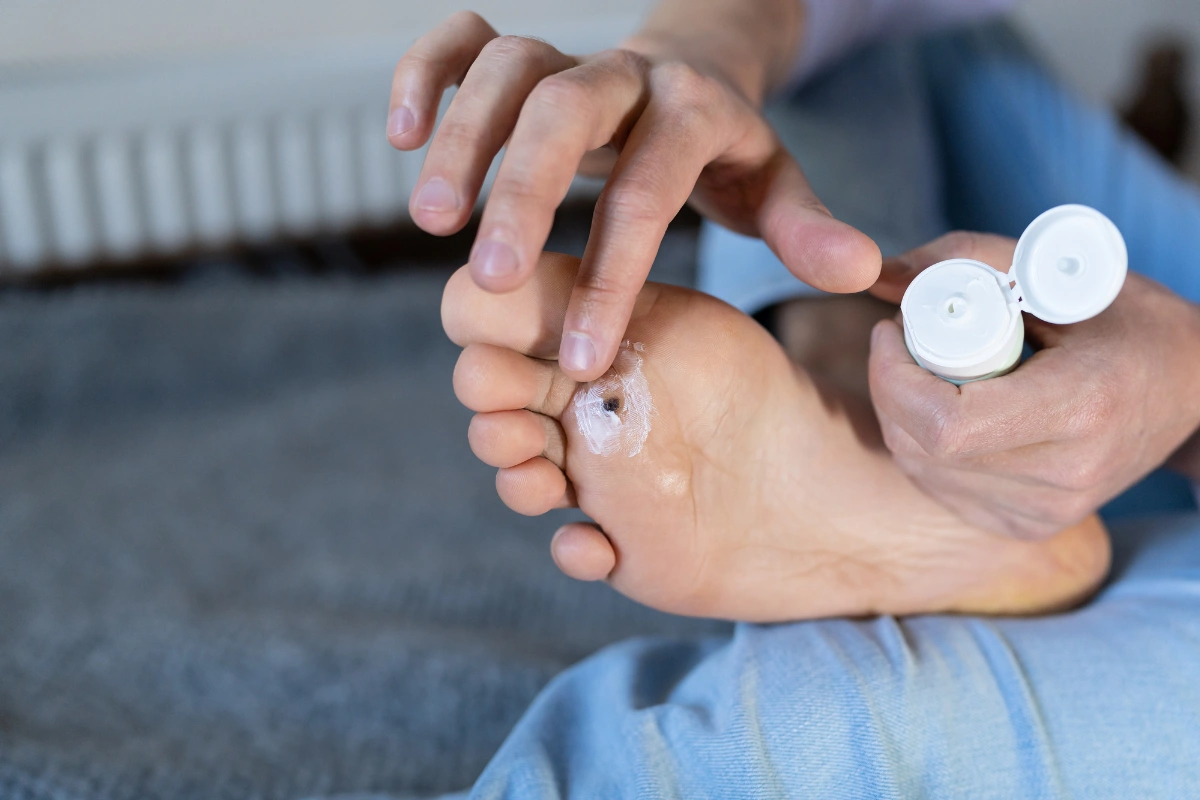
Preventing plantar warts begins with good foot hygiene and protective footwear. Taking these steps can help prevent warts from developing. Keeping your feet clean and dry can significantly reduce the risk of developing plantar warts.
Wearing sandals, flip-flops, or other foot protection in public areas like locker rooms and swimming pools can help avoid exposure to the virus that causes these warts. Avoid picking or scratching at warts to prevent irritation and spreading the virus to other areas.
Avoid walking barefoot in public places and maintain overall foot health. By taking these preventive measures, you can reduce the likelihood of developing plantar warts and ensure your feet remain healthy and pain-free. Using separate towels and not sharing shoes can help minimize the risk of contracting HPV.
Importance of Healthcare Providers
Consulting a healthcare provider is essential when managing plantar warts. Healthcare providers have the expertise to accurately diagnose warts, recommend the most effective treatment options, and monitor your progress to ensure successful removal.
They can also offer valuable advice on preventing future infections, such as avoiding direct contact with infected surfaces and practicing good foot hygiene.
If you have questions or concerns about your treatment, your healthcare provider can provide clear answers and guidance tailored to your needs.
By working closely with a healthcare provider, you benefit from professional support throughout your plantar wart treatment journey, increasing your chances of a positive outcome and reducing the risk of recurrence.
Why Choose Evolve Health for Plantar Wart Treatment
Evolve Health is dedicated to providing expert podiatry and multi-specialty care, ensuring that each patient receives the highest standard of treatment. Our patient-centered approach combines traditional podiatry with advanced medical services to create a comprehensive care plan tailored to your specific needs.
While we have clinics in Florida and Texas, our specialized plantar wart treatment services are available exclusively at our Lutz location. If you’re struggling with plantar warts, don’t wait—contact us today at our Lutz clinic to get personalized, effective care and take the first step toward healthier, pain-free feet.
Summary
In summary, plantar warts are a common but manageable foot condition. Understanding their causes, symptoms, and treatment options is crucial for effective management. From home remedies and over-the-counter treatments to advanced medical interventions like Swift Microwave Therapy, there are numerous ways to address plantar warts and alleviate discomfort.
Choosing a trusted healthcare provider like Evolve Health ensures you receive personalized care and effective treatment. Don’t let plantar warts hold you back—take the first step towards healthier feet today.
Frequently Asked Questions
What causes plantar warts?
Plantar warts are caused by the human papillomavirus (HPV) that penetrates the skin through small cuts or weak spots on the soles of the feet. It is essential to maintain foot hygiene and protect your feet to prevent HPV infection.
How can I identify a plantar wart?
To identify a plantar wart, look for a rough texture, tiny black dots that indicate clotted blood vessels, and tenderness or pain when pressure is applied.
What are some effective home treatments for plantar warts?
Salicylic acid patches or gels, along with duct tape therapy, are effective home treatments for plantar warts, although they may require several weeks to show results.
What medical treatments are available for plantar warts?
For plantar warts, medical treatments such as cryotherapy, laser treatment, minor surgery, and Swift® Microwave Therapy are effective options. Consulting with a healthcare provider can determine the most suitable treatment for your condition.
How can I prevent plantar warts?
To prevent plantar warts, maintain good foot hygiene, wear protective footwear in public spaces, and ensure your feet remain clean and dry. These practices can significantly lower your risk of developing these warts.