Identifying Sharp Foot Pain
Characteristics of Sharp Foot Pain
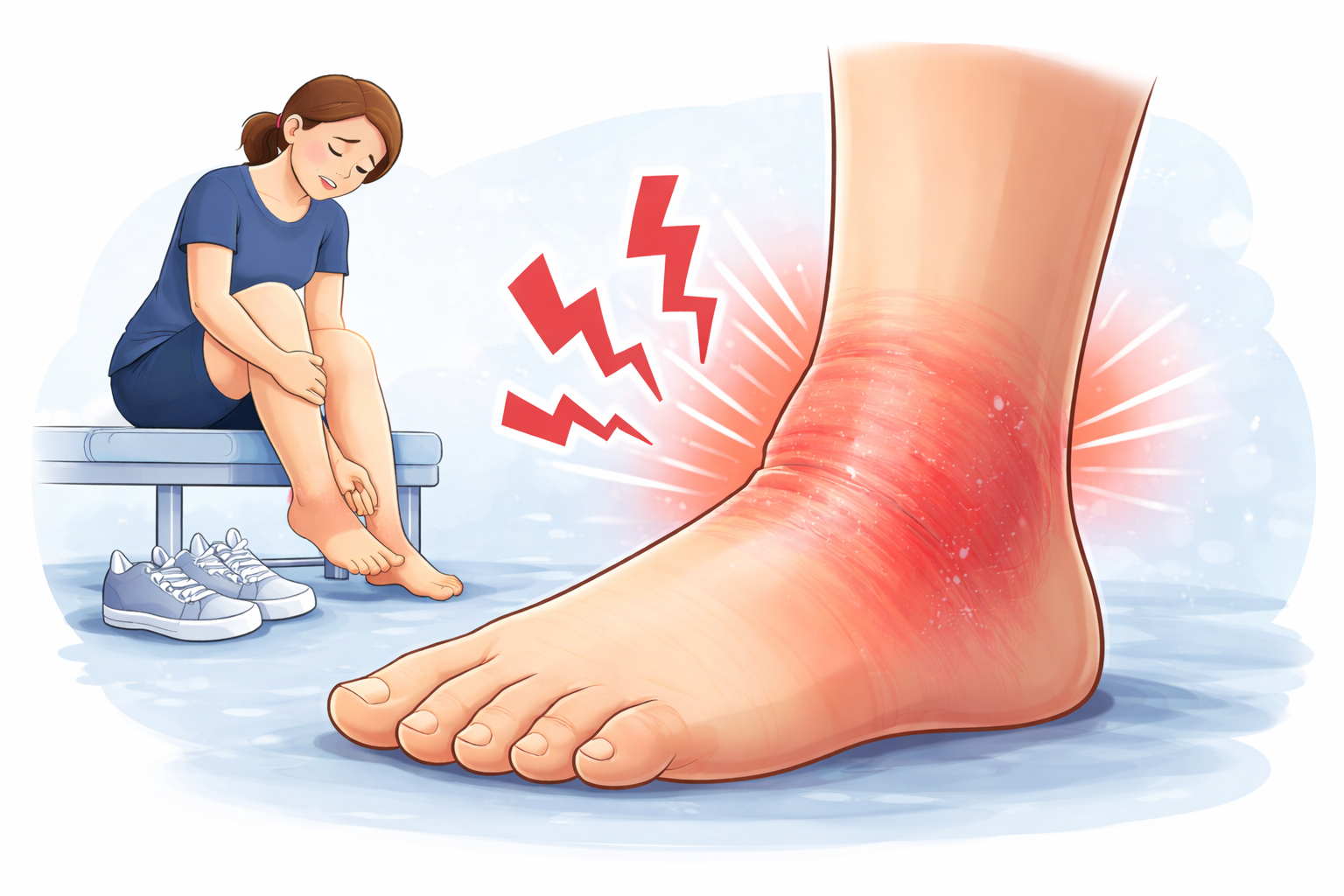
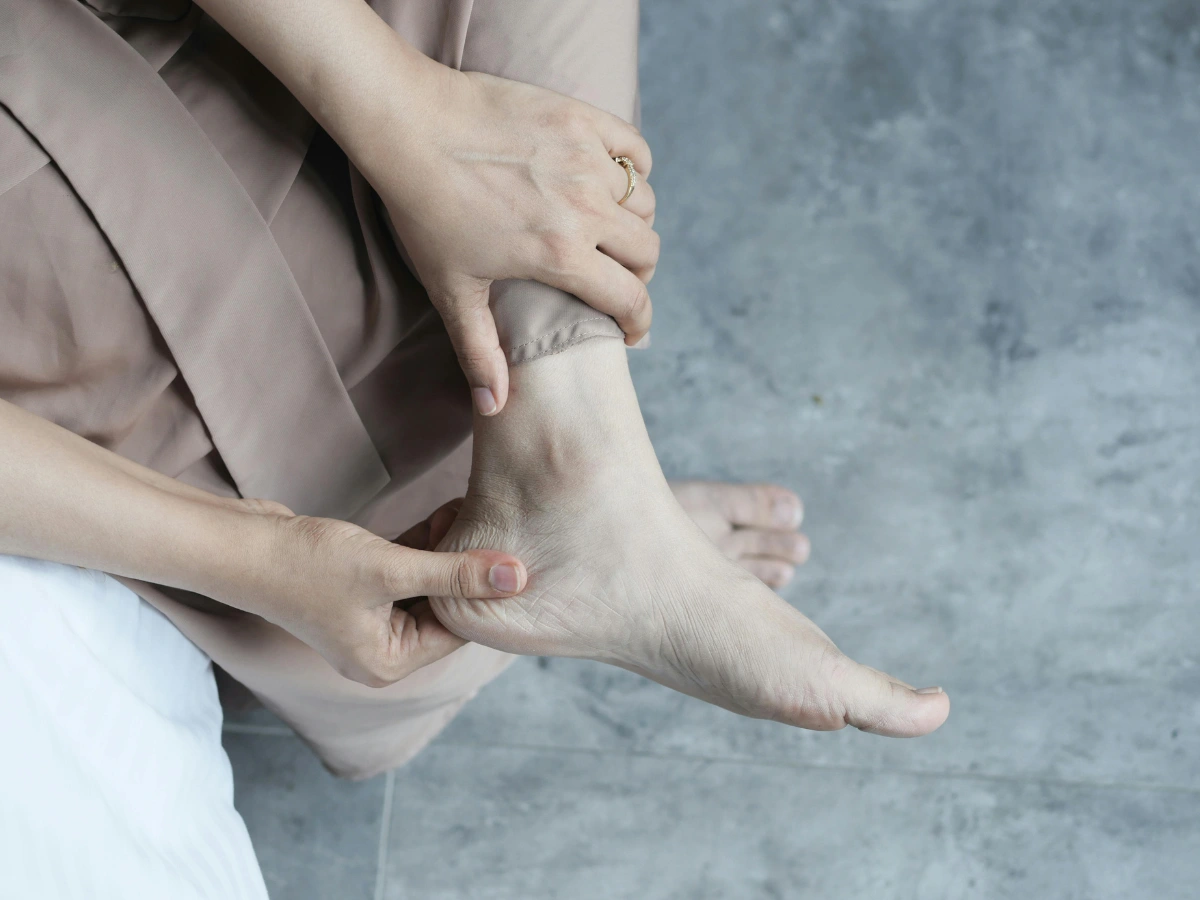
Sharp foot pain can present as a sudden, intense sensation, typically localized to a specific area. Common conditions associated with this type of pain include:
Plantar Fasciitis: Involves inflammation of the plantar fascia, causing heel pain, especially with the first steps in the morning.
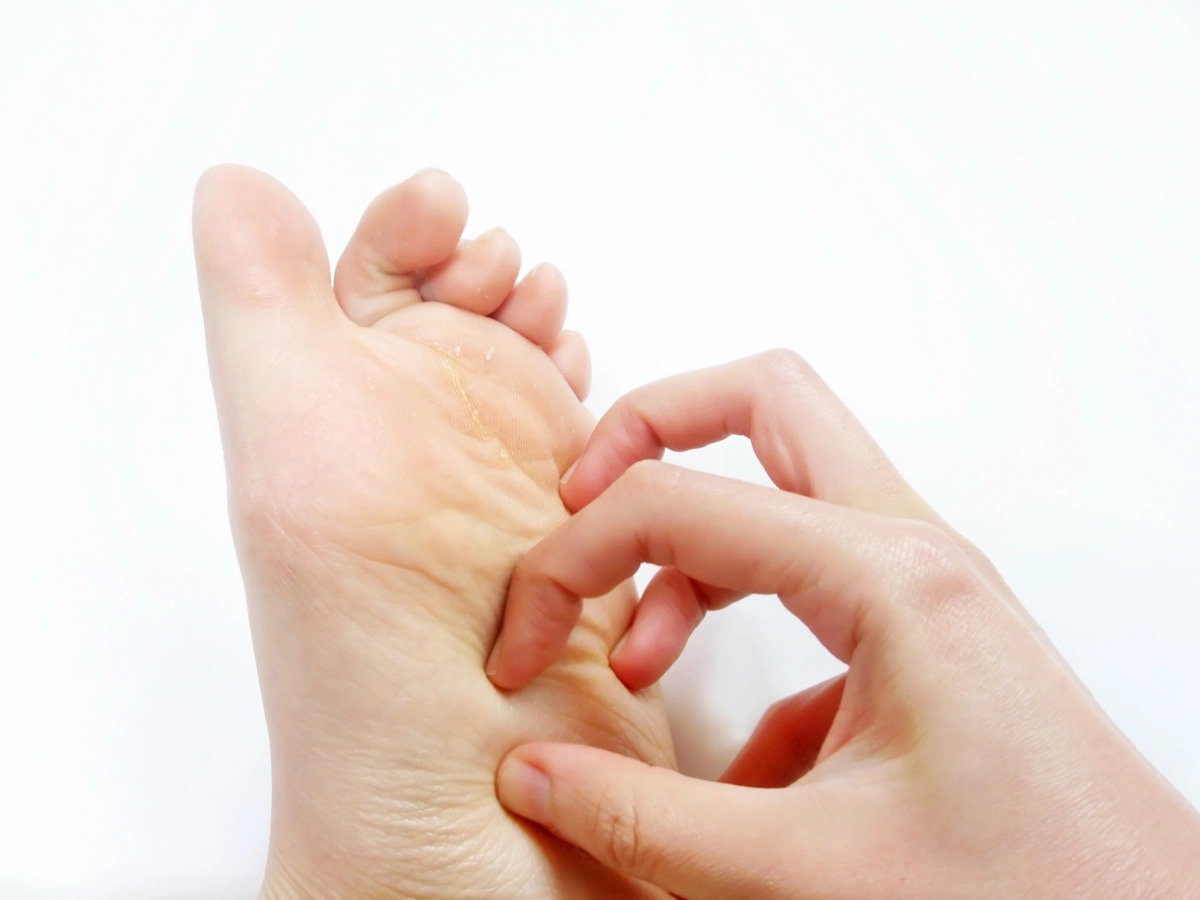
Morton’s Neuroma: A thickening of the tissue around a nerve in the foot, leading to sharp pain and tingling between the toes.
Hammer Toe: Characterized by a downward bend of the toe at the middle joint, resulting in discomfort in the metatarsal region.
Other signs may include numbness, tingling, or burning sensations, often linked to nerve issues or conditions like tarsal tunnel syndrome.
Triggers and Aggravating Factors
Various factors can trigger or worsen sharp foot pain, including:
Improper Footwear: Shoes that are too tight or lack proper support can exacerbate pain and lead to conditions like bunions or corns.
High-Impact Activities: Engaging in high-impact sports or going barefoot can strain the feet, worsening existing pain.
Underlying Medical Conditions: Health issues such as diabetes or heart disease can affect blood flow and nerve health in the feet.
Importance of Accurate Diagnosis
Getting an accurate diagnosis is crucial for effective treatment. A thorough examination by a podiatrist or healthcare professional can pinpoint the exact cause of your pain. For example, gout, characterized by uric acid crystal formation, requires specific treatment strategies. Misdiagnosis can lead to worsening symptoms or chronic pain, emphasizing the importance of professional evaluation.
Common Causes of Sharp Foot Pain
Plantar Fasciitis
Plantar fasciitis is a prevalent cause of sharp heel pain. The condition occurs due to inflammation of the plantar fascia, resulting in discomfort that is often most severe in the morning or after prolonged periods of inactivity. Risk factors include:
Running or other high-impact sports
Excess body weight
Inadequate footwear support
Treatment Options:
Rest and ice application
Over-the-counter pain relievers (e.g., ibuprofen)
Orthotic shoe inserts
Cortisone injections or surgery for severe cases
Morton’s Neuroma
Morton’s neuroma typically occurs between the third and fourth toes and is characterized by sharp, burning pain. Factors contributing to its development include:
Flat feet
Tight or narrow shoes
Treatment Options:
Avoidance of tight footwear
Ice and anti-inflammatory medications
Surgical options in severe cases, such as decompression surgery
Tarsal Tunnel Syndrome
Tarsal tunnel syndrome results from compression of the posterior tibial nerve, leading to burning, tingling, and numbness. This condition may stem from:
Overuse injuries
Swelling due to sprains
Abnormal growths like bone spurs
Treatment Options:
Rest and ice therapy
Anti-inflammatory medications
Physical therapy
Surgical release for severe cases
Less Common Causes of Sharp Foot Pain
Stress Fractures
Stress fractures are small cracks in bones due to repetitive stress or overuse, often arising from sudden increases in activity. Symptoms typically include localized pain, swelling, and tenderness.
Risk Factors:
Increased activity level
Bone insufficiency
Dietary deficiencies
Diagnosis and Treatment: Diagnosis may involve physical examination and imaging tests like MRI. Treatment often includes rest, ice, and gradual return to activity.
Nerve Damage
Nerve damage, often due to conditions like diabetes, can lead to symptoms such as numbness, tingling, and sharp pain. Early intervention is crucial to prevent complications.
Diagnosis and Treatment: Diagnosis typically involves a physical examination and blood tests. Treatment may include:
Pain relievers (both over-the-counter and prescription)
Physical therapy
Therapeutic footwear

Prevention and Self-Care Strategies
Proper Footwear
Choosing the right footwear is critical for preventing sharp foot pain. Consider these tips:
Look for shoes with good arch support and cushioning.
Avoid soft, flexible shoes that lack support.
Choose shoes with a roomy toe box to prevent pinching.
Stretching and Strengthening Exercises
Incorporating regular foot exercises can enhance flexibility and strength, reducing the risk of injuries. Effective stretches include:
Heel and toe stretches
Achilles tendon stretches
Toe curls and ankle circles
Aim to perform these exercises at least twice a day.
RICE Method
The RICE method—Rest, Ice, Compression, and Elevation—can be beneficial for managing acute foot pain. Follow these steps:
Rest the affected foot to prevent further injury.
Apply ice for 15-20 minutes every few hours.
Use compression with an elastic bandage.
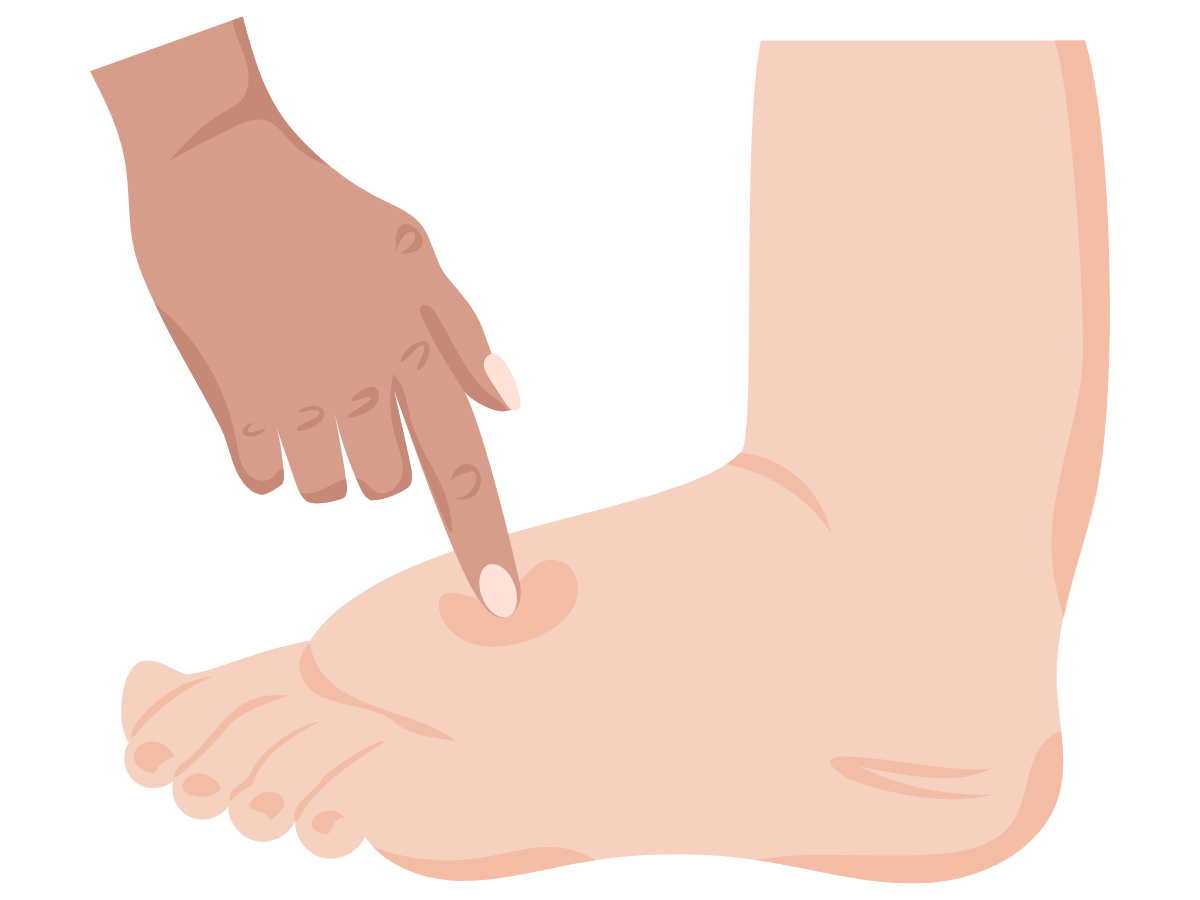
Elevate the foot above heart level to reduce swelling.
Common Questions About Sharp Pain in Foot
What causes sharp sudden stabbing pain in foot?
Sharp, sudden stabbing pain in the foot can be caused by various conditions including plantar fasciitis, nerve damage, stress fractures, ligament sprains, tarsal tunnel syndrome, and peripheral neuropathy. Treatment for the underlying cause should be sought to reduce symptoms and avoid further complications.
What causes sudden pain in the foot?
Pain in the top of the foot is commonly caused by exercise, tight-fitting shoes, arthritis, a broken bone, gout, tendinitis, and plantar fasciitis. As you age, your joints wear down and being overweight can add extra pressure to your feet, both of which can cause foot pain.
Does shooting pain in feet mean neuropathy?
Shooting pain in the feet can be a symptom of peripheral neuropathy, which can also cause numbness and tingling, loss of balance and coordination, and muscle weakness.
How do I stop stabbing nerve pain in my foot?
To stop stabbing nerve pain in the foot, try resting, wearing roomier shoes, taking anti-inflammatory medications, soaking in warm water and Epsom salts, using compression socks or neuropathy socks, icing the pain, avoiding alcohol, applying anesthetic lidocaine, and massaging your feet.
How can I prevent sharp foot pain?
Wearing proper footwear, doing regular stretching and strengthening exercises, and applying the RICE (Rest, Ice, Compression, Elevation) method are effective ways to prevent and treat sharp foot pain.