Formerly Modern Foot & Ankle – now Evolve Health. Your trusted doctors and clinics remain the same as we grow into a multi-specialty practice. Learn About the Rebrand →

Discover how shockwave therapy for foot pain (ESWT) relieves plantar fasciitis and Achilles issues.

Shockwave Therapy for Foot & Ankle Pain: Complete Treatment Guide

This guide is for informational purposes only. Some services may not be offered in our offices. Your doctor will guide you through your treatment options during your appointment.

This innovative, non-invasive treatment has revolutionized how we approach persistent foot and ankle conditions, providing an effective alternative to surgery for many patients.

Whether you’re dealing with heel pain that won’t go away, chronic plantar fasciitis, or other stubborn foot conditions, understanding shockwave therapy could be the key to finally finding relief.
In this comprehensive guide, we’ll explore everything you need to know about this advanced treatment option, from how it works to what you can expect during the healing process.

Table of Contents

What is Shockwave Therapy for Foot Pain?

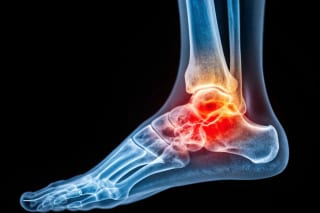
Shockwave therapy, clinically known as extracorporeal shockwave therapy (ESWT), represents a breakthrough in noninvasive treatment for chronic foot and ankle conditions. This FDA-approved procedure uses high-energy acoustic waves, or shock waves, delivered through the skin to stimulate healing in injured tissue and reduce pain without requiring surgery or prolonged downtime.

The term “extracorporeal” means outside the body, indicating that the shock waves are generated externally and focused on the specific treatment area. During treatment, a hand-held probe delivers controlled acoustic energy pulses to damaged tissues, initiating the body’s natural healing process at the cellular level.

Unlike traditional treatments that often mask symptoms temporarily, shockwave therapy addresses the root cause of chronic pain by promoting tissue regeneration and increased blood flow to the affected area. This makes it particularly effective for conditions that have failed to respond to conservative treatment options like physical therapy, anti-inflammatory medications, or steroid injections.

The treatment has an excellent safety profile, with minimal side effects and no risk of complications associated with surgical procedures. Most patients can return to normal activities immediately after treatment, making it an attractive option for professional athletes and active individuals who cannot afford extended recovery periods.

How Shockwave Therapy Works for Foot Conditions

The science behind how shockwave therapy works involves sophisticated acoustic wave technology that penetrates deep into soft tissue and bone structures.

When the shockwave device generates these high-energy sound waves, they travel through the skin and underlying tissues, creating controlled microtrauma that triggers the body’s natural healing mechanisms.

Two main types of shockwave therapy are focused shockwave therapy and radial shockwave therapy, differing in energy delivery.

This process stimulates several critical biological responses that promote healing:

Enhanced Blood Flow and Circulation

The acoustic waves cause vasodilation, significantly increasing blood flow to the treatment area. This increased blood flow delivers essential nutrients and oxygen to damaged tissues while removing metabolic waste products that can impede healing. The formation of new blood vessels (angiogenesis) further supports long-term tissue health and regeneration.

Cellular Regeneration and Growth Factor Release

Shockwave treatment activates the release of growth factors and healing proteins that accelerate tissue repair. These include vascular endothelial growth factor (VEGF) and bone morphogenetic protein-2 (BMP-2), which are essential for tissue regeneration and bone healing processes.

Breakdown of Scar Tissue and Calcifications

The mechanical energy from shock waves breaks down fibrous scar tissue and calcium deposits that often contribute to chronic pain and restricted movement. This is particularly beneficial for conditions like chronic heel pain associated with heel spurs or calcified plantar fascia.

Pain Reduction Through Nerve Stimulation

The therapy creates what researchers call “hyperstimulation analgesia,” where the intense stimulation of nerve fibers disrupts pain signal transmission to the brain. This effect can provide immediate pain relief that continues to improve over the following weeks as healing progresses.

Foot and Ankle Conditions Treated with Shockwave Therapy

During the Treatment Session

Each shockwave therapy session typically lasts 15-20 minutes, during which you’ll experience a rhythmic tapping or pulsing sensation as the shock waves are delivered to the target tissue. The intensity can be adjusted based on your comfort level and the specific condition being treated.

Most patients describe the sensation as tolerable, often comparing it to a rubber band snapping against the skin. There’s no need for anesthesia or pain medications, though some practitioners may apply topical numbing cream for particularly sensitive patients or when treating areas that require higher energy levels.

The number of shock waves delivered during each session varies depending on the condition and treatment protocol, typically ranging from 1,500 to 3,000 individual pulses. Your healthcare provider will monitor your response throughout the session and adjust the intensity as needed.

Treatment Schedule and Frequency

The standard treatment protocol involves 3-5 sessions scheduled 1-2 weeks apart. This spacing allows time for the healing process to begin between treatments while maintaining the therapeutic momentum. A successful shockwave therapy treatment may require 4 to 6 sessions placed 1 week apart.

Some patients begin experiencing pain relief after the first treatment, while others may not notice significant improvement until after the second or third session.

For more severe or chronic conditions, additional sessions may be recommended. Your healthcare provider will assess your progress throughout the treatment course and adjust the protocol as needed to optimize outcomes.

Key Points About Shockwave Therapy Treatment Protocol:

  • Typical treatment involves 3 to 6 sessions, spaced 1 to 2 weeks apart.

  • Sessions usually last 15-20 minutes each.

  • Pain relief may begin after the first or several treatments.

  • Treatment intensity is adjusted based on patient comfort and response.

  • Additional sessions can be recommended for chronic or severe cases.

  • Consistent attendance and adherence to the schedule improve outcomes.

  • The healing process continues for weeks to months after the final session.

What to Expect During Treatment

Understanding the sensations and experiences during shockwave therapy helps patients feel more prepared and comfortable throughout their treatment journey. The goal is to deliver therapeutic energy while maintaining patient comfort and safety.

Sensation and Comfort Management

During the procedure, patients experience a distinctive pulsing sensation as each shock wave is delivered. The intensity can range from mild to moderately uncomfortable, but should never be unbearable. Most patients adapt to the sensation within the first few minutes of treatment.

Communication with your healthcare provider is essential throughout the session. The energy level can be adjusted in real-time based on your feedback, ensuring you receive the maximum therapeutic benefit while remaining comfortable. Many patients find that they can tolerate higher intensities as the treatment progresses and their tissues begin to respond.

The rhythm of the shock waves is typically consistent, allowing patients to anticipate each pulse. Some patients find it helpful to practice breathing techniques or other relaxation methods during treatment to enhance comfort.

Real-Time Treatment Adjustments

Modern shockwave devices allow for precise control of energy output, pulse frequency, and focal depth. Your healthcare provider will make adjustments based on your responses, the specific tissues being treated, and the phase of your healing process.

If you experience excessive discomfort, the intensity can be reduced immediately without compromising treatment effectiveness. Conversely, as your tissues adapt and healing progresses, energy levels may be gradually increased to maintain optimal therapeutic impact.

Post-Treatment Care and Recovery

The immediate period following shockwave therapy is crucial for maximizing treatment benefits and minimizing any temporary side effects. Understanding proper post-treatment care helps ensure optimal healing and reduces the risk of complications.

Immediate Aftercare Instructions

For the first 24-48 hours after treatment, you may experience some redness, mild swelling, or tenderness in the treated area. These are normal responses indicating that the healing process has been activated.

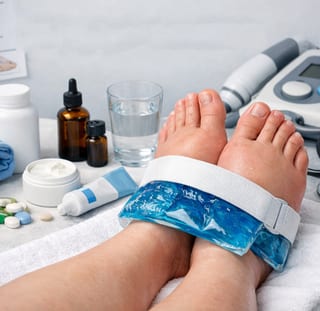
Redness and swelling at the treatment site are common after shockwave therapy, but these usually subside within a few hours. Applying ice for 10-15 minutes several times during the first day can help manage any discomfort or swelling.

You should avoid intense physical activities or high-impact exercises for 48 hours following treatment. Recovery from shockwave therapy generally involves some rest for 24-48 hours, with specific avoidance of impact sports.

However, gentle walking and normal daily activities are encouraged to promote blood flow and prevent stiffness. Many patients can return to work immediately after treatment, particularly those with desk jobs or other low-impact occupations.

Activity Restrictions and Gradual Return to Function

While shockwave therapy requires minimal downtime compared to surgical interventions, a gradual return to full activity is recommended. For the first week following treatment, avoid activities that specifically stress the treated area. Athletes should refrain from high-intensity training or competition until cleared by their healthcare provider.

As healing progresses over the following weeks, activity levels can be gradually increased based on symptom improvement and provider recommendations. This progressive return to function helps prevent re-injury while allowing the newly stimulated tissues to strengthen and mature.

Signs of Proper Healing Response

Positive responses to shockwave therapy typically include gradual reduction in pain, improved mobility, and increased tolerance for activities that previously caused discomfort. The immediate post-procedure effect of shockwave therapy often includes a reduction in pain and improved range of motion. Some patients notice improvements within days of their first treatment, while others may require several sessions before experiencing significant relief.

It’s important to understand that healing is often not linear – you may experience good days and more challenging days as your tissues remodel and repair. Temporary increases in symptoms between treatments are not uncommon and don’t indicate treatment failure.

Treatment Outcomes and Success Rates

The effectiveness of shockwave therapy for foot and ankle conditions has been extensively studied, with consistently positive results across multiple research trials and clinical applications. Understanding these outcomes helps patients set realistic expectations and make informed decisions about their treatment options.

Clinical Success Rates by Condition

Research demonstrates impressive success rates for various foot and ankle conditions treated with shockwave therapy. For plantar fasciitis, the most extensively studied application, success rates consistently range from 75-90% when measured at 6-12 months post-treatment. These results compare favorably to surgical interventions while avoiding the risks and recovery time associated with invasive procedures.

Achilles tendinopathy shows similarly encouraging results, with studies reporting 70-85% of patients experiencing significant pain reduction and improved function. Stress fractures and delayed bone healing disorders respond well to treatment, with accelerated healing times and reduced pain scores in the majority of cases.

Timeline for Symptom Improvement

The timeline for improvement varies among individuals and depends on factors such as the severity and chronicity of the condition, overall health status, and adherence to post-treatment recommendations. A reduction in symptoms is often experienced after 2 treatments, but healing can continue for up to 3 months after the final session. Most patients begin experiencing some pain relief within 6-12 weeks of completing their treatment series.

Peak benefits typically occur 3-6 months after treatment completion, as the stimulated healing process continues to progress over time. Most patients report feeling 90%-100% improvement after three months post-treatment. This delayed response is normal and reflects the time required for tissue regeneration, remodeling of collagen structures, and resolution of chronic inflammation.

Some patients experience immediate pain relief following their first session, while others may not notice significant improvement until after their second or third treatment. This variability is normal and doesn’t predict final treatment outcomes.

Long-Term Pain Relief and Functional Restoration

One of the most significant advantages of shockwave therapy is the durability of treatment results. Studies following patients for 2-5 years after treatment consistently show maintained pain relief and functional improvement in the vast majority of successful cases.

Unlike some other treatment modalities that provide temporary symptom relief, shockwave therapy addresses underlying tissue pathology and promotes genuine healing. This leads to sustained improvements in pain, function, and quality of life that continue long after treatment completion.

Patients frequently report not only reduced pain but also improved ability to participate in activities they had been forced to avoid due to their foot or ankle condition. This functional restoration is particularly important for athletes, active individuals, and those whose occupations require prolonged standing or walking.

Comparison with Conventional Treatments and Surgery

When compared to conventional conservative treatments like physical therapy, medications, and injections, shockwave therapy demonstrates superior long-term outcomes for chronic conditions that have failed to respond to these approaches. While initial conservative measures remain the first-line treatment for most foot and ankle conditions, shockwave therapy provides an effective intervention for cases requiring additional therapeutic intervention.

Compared to surgical options, shockwave therapy offers several significant advantages. The procedure is performed in an outpatient setting without anesthesia, carries minimal risk of complications, and allows immediate return to most daily activities. Surgical interventions, while sometimes necessary, involve longer recovery periods, potential complications, and no guarantee of superior outcomes for many conditions.

Cost-effectiveness analyses consistently favor shockwave therapy over surgical interventions when considering both direct treatment costs and indirect costs related to lost productivity and extended recovery periods.

Safety Profile and Contraindications

The safety record of shockwave therapy for foot and ankle conditions is excellent, with serious adverse events being extremely rare. Understanding the safety profile and contraindications helps ensure appropriate patient selection and optimal treatment outcomes.

Comprehensive Safety Data

Extensive clinical experience with millions of treatments worldwide has established shockwave therapy as one of the safest interventions available for musculoskeletal conditions. The most common side effects are mild and temporary, including minor bruising, skin redness, and localized tenderness that typically resolves within 24-48 hours.

Serious complications are extraordinarily rare, with rates well below 1% in published studies. When adverse events do occur, they are typically minor and self-limiting. The non-invasive nature of the treatment eliminates risks associated with surgical procedures, such as infection, anesthetic complications, or permanent tissue damage.

Contraindications and Precautions

Shockwave therapy is safe for most, but certain conditions prevent its use:

  • Pregnancy

  • Malignant tumors in the treatment area

  • Active infections at the treatment site

  • Neuropathy

  • Blood clotting disorders or use of anticoagulants (requires evaluation)

  • Presence of cardiac pacemakers or implanted electronic devices near the treatment area (treatment of distant areas may be safe)

  • Recent steroid injections in the treatment area (should be avoided for at least 6 weeks before therapy)

Your healthcare provider will review your medical history and current medications to ensure a safe treatment plan.

Rare Complications and Prevention

While serious complications are extremely rare, awareness of potential issues helps both patients and providers maintain appropriate vigilance. Theoretical risks include temporary nerve irritation, which might cause temporary numbness or tingling in the treated area. These effects are typically mild and resolve spontaneously within hours to days.

Proper technique, appropriate energy settings, and careful patient selection effectively prevent most potential complications. Licensed healthcare providers trained in shockwave therapy techniques understand how to minimize risks while maximizing therapeutic benefits.

Ideal Candidates for Foot Shockwave Therapy

Not all patients with foot pain are appropriate candidates for shockwave therapy. Understanding the ideal candidate profile helps ensure optimal treatment outcomes and patient satisfaction.

Chronic Pain Duration and Conservative Treatment Failure

The best candidates for shockwave therapy are individuals with chronic foot or ankle pain that has persisted for at least six weeks despite appropriate conservative treatment. This timeframe allows sufficient opportunity for natural healing processes to occur and ensures that the condition truly requires additional intervention.

Patients who have tried and failed multiple conservative treatment approaches – including rest, physical therapy, orthotic devices, anti-inflammatory medications, and activity modification – are particularly good candidates. These individuals have demonstrated that their condition requires more aggressive intervention to achieve resolution.

Motivation for Non-Surgical Alternatives

Ideal candidates are typically seeking alternatives to surgical intervention or have been told that surgery is their only remaining option. These patients understand the limitations of their current treatments and are motivated to try innovative approaches that might help them avoid more invasive procedures.

Professional athletes and highly active individuals often make excellent candidates because they are motivated to pursue treatments that can restore function quickly while minimizing time away from their activities. However, the therapy is equally beneficial for less active individuals who simply want to return to comfortable daily functioning.

Realistic Expectations and Treatment Commitment

Successful outcomes require patients who understand that shockwave therapy stimulates healing processes that take time to produce maximum benefit. Ideal candidates are willing to complete the recommended treatment series and follow post-treatment guidelines to optimize their results.

Patients with realistic expectations about treatment timelines and outcomes tend to be more satisfied with their results. Those expecting immediate, complete pain relief may be disappointed, while patients who understand the gradual nature of tissue healing are typically very pleased with their outcomes.

Why Choose Evolve Health for Shockwave Therapy

When considering shockwave therapy for foot and ankle pain, selecting the right healthcare provider is crucial for achieving optimal outcomes. Evolve Health stands out as a leader in advanced foot and ankle care, offering state-of-the-art shockwave therapy at multiple convenient locations throughout Florida.

Advanced Technology and Equipment

Evolve Health utilizes the latest generation shockwave devices, ensuring patients receive the most effective and comfortable treatment possible. Our advanced equipment allows for precise energy delivery, real-time adjustments, and optimal tissue penetration to maximize therapeutic benefits while maintaining patient comfort.

The clinic’s investment in cutting-edge technology demonstrates our commitment to providing the most effective treatments available. Our shockwave devices represent the gold standard in the field, offering both focused and radial wave capabilities to address a wide range of foot and ankle conditions.

Board-Certified Specialists with Extensive Experience

Our team of board-certified foot and ankle specialists brings years of experience in treating complex musculoskeletal conditions with shockwave therapy. This expertise ensures accurate diagnosis, appropriate patient selection, and optimal treatment protocols tailored to each individual’s specific needs.

The providers at Evolve Health have completed specialized training in shockwave therapy techniques and stay current with the latest research and best practices in the field. This ongoing education ensures that patients receive the most advanced and effective care available.

Comprehensive Foot and Ankle Care

Beyond shockwave therapy, Evolve Health offers comprehensive care for all types of foot and ankle conditions. This integrated approach means that patients can receive complete evaluation and treatment under one roof, with seamless coordination between different therapeutic modalities when needed.

Our comprehensive care model includes advanced diagnostic imaging, custom orthotic fabrication, physical therapy coordination, and surgical options when necessary. This allows for truly personalized treatment plans that address each patient’s unique needs and goals.

Personalized Treatment Protocols

At Evolve Health, we understand that every patient is unique, and our treatment protocols reflect this philosophy. Rather than using a one-size-fits-all approach, our specialists develop individualized treatment plans based on specific diagnosis, symptom severity, activity level, and personal goals.

This personalized approach extends to shockwave therapy protocols, with energy levels, treatment frequency, and session duration optimized for each patient’s condition and response to treatment. Regular assessment and protocol adjustment ensure maximum benefit throughout the treatment course.

Multiple Convenient Locations

With more than 30 convenient locations across both states, Evolve Health is committed to providing accessible, advanced foot and ankle care to a wide patient base. However, our specialized shockwave therapy treatments are currently available exclusively at our Celebration, Westchase, and Sarasota offices.

Each of these locations is staffed with experienced specialists and equipped with state-of-the-art technology to ensure consistent, high-quality care for shockwave therapy patients. This focused availability allows us to maintain the highest standards of treatment while offering geographic accessibility to patients in central and southwest Florida.

Cost and Insurance Coverage At Evolve Health

Understanding the financial aspects of shockwave therapy helps patients make informed decisions about their treatment options. The cost-effectiveness of this treatment becomes apparent when comparing both direct costs and indirect benefits to alternative interventions.

Treatment Costs and Package Pricing

The cost of shockwave therapy varies depending on the specific condition being treated, the number of sessions required, and the complexity of the treatment protocol. Most patients require 3-5 treatment sessions, with package pricing often available to reduce the overall cost per session.

When compared to surgical alternatives, shockwave therapy represents significant cost savings. Surgery typically involves facility fees, anesthesia costs, surgical fees, and extended recovery periods that result in lost productivity. Shockwave therapy eliminates these additional costs while often providing equivalent or superior outcomes.

Insurance Coverage Considerations

Insurance coverage for shockwave therapy varies among providers and for specific conditions. Many Evolve health insurance plans now recognize the cost-effectiveness of this treatment and provide coverage for appropriate cases, particularly when conservative treatments have failed and surgical intervention is being considered. Shockwave therapy is not typically covered by insurance plans and may involve significant out-of-pocket costs.

Coverage is more likely for well-established indications such as plantar fasciitis and Achilles tendinopathy, especially when documented conservative treatment failure exists. Some plans require pre-authorization or specific documentation of failed conservative treatments before approving coverage.

Cost Comparison with Surgical Alternatives

When considering the total cost of treatment, including direct medical costs and indirect costs such as lost wages and extended recovery time, shockwave therapy often proves more cost-effective than surgical interventions. Surgery for foot and ankle conditions can cost several times more than a complete shockwave therapy treatment series.

Additionally, the shorter recovery time and immediate return to most activities mean patients lose less income and maintain a better quality of life during treatment. These factors contribute to the overall value proposition of shockwave therapy as a first-line interventional treatment.

Take the first step toward recovery today:

Please call our offices to schedule your consultation at the location that is most convenient for you.

What to bring to your consultation:

  • List of current medications and supplements

  • Previous imaging studies (X-rays, MRI, ultrasound)

  • Insurance information

  • Documentation of previous treatments attempted

Our friendly staff will work with your insurance provider to verify coverage and discuss all available payment options. We’re committed to making advanced foot and ankle care accessible to all patients who can benefit from our services.

Ready to take control of your foot pain? Contact Evolve Health today and discover how shockwave therapy can help you get back to the activities you love. Your journey to pain-free living starts with a simple phone call.

Schedule your consultation or call us at 844.663.3769 today to speak with one of our specialists about how shockwave therapy can transform your foot and ankle health.

Conclusion

Don’t let chronic foot pain limit your life any longer. If you’ve been struggling with persistent heel pain, plantar fasciitis, or other foot and ankle conditions that haven’t responded to conservative treatments, shockwave therapy may be the solution you’ve been seeking.

At Evolve Health, our experienced specialists are ready to evaluate your condition and determine if you’re a candidate for this innovative treatment. During your consultation, we’ll thoroughly assess your symptoms, review your treatment history, and develop a personalized plan to help you return to pain-free function.

Frequently Asked Questions

Is shockwave therapy painful?

Most patients describe the sensation during shockwave therapy as tolerable, often comparing it to rhythmic tapping or rubber band snaps against the skin. The intensity can be adjusted based on your comfort level, and no anesthesia is required. Any discomfort experienced during treatment is temporary and subsides immediately when the session ends.

How soon can I return to sports and work?

Most patients can return to work immediately after treatment, especially those with sedentary jobs. For sports and high-impact activities, we typically recommend avoiding intense exercise for 48 hours after each session, followed by a gradual return to full activity as symptoms improve. Patients should rest the treated area for about 24 hours after each shockwave therapy session and avoid impact sports for 48 hours. Your specific return-to-activity timeline will be personalized based on your condition and response to treatment.

Can shockwave therapy be combined with other treatments?

Yes, shockwave therapy can often be combined with other conservative treatments such as physical therapy, orthotic devices, and activity modification. In fact, combining treatments often enhances overall outcomes. However, we typically recommend avoiding anti-inflammatory medications around the time of treatment, as they can interfere with the healing response.

What if I don’t see improvement after treatment?

While the majority of patients experience significant improvement, response to treatment can vary. If initial improvement is minimal, additional sessions may be recommended, or alternative treatment approaches may be considered. Our comprehensive care model ensures that we have multiple options available to address persistent symptoms.

Are there any long-term risks?

Long-term risks from shockwave therapy are extremely rare. The treatment has an excellent safety profile with over two decades of clinical use worldwide. Unlike surgical interventions, there are no permanent alterations to tissue structure or function, and the body’s natural healing response is simply enhanced rather than artificially altered.

Plantar warts treatment shown on the heel of a foot to illustrate common symptoms

Plantar Warts: Why Swift Microwave Therapy Works For Pain Relief

Learn about plantar warts treatment, causes, and prevention.
Nurse conducting fall risk assessment for older adult patient wearing a mask

Fall Risk Assessment: Strategies for Prevention and Patient Safety

Learn how important a fall risk assessment is for older adults to prevent falls, improve balance, and staying independent.
erson elevating legs to reduce swelling during swollen feet treatment at home.

Why Do My Feet Swell? Common Causes and Effective Treatments

Learn about swollen feet treatment options, common causes, and prevention tips.
Medical illustration of Charcot foot showing midfoot bone collapse and inflammation, depicting diabetic neuropathy-related deformity without text.

Charcot Foot: Causes, Risks, and Effective Treatments for Diabetic Patients

Discover effective Charcot foot treatments and risk & how diabetic neuropathy can lead to bone collapse, & severe deformity if left untreated.
Person touching ankle due to Achilles tendinitis pain, illustrating heel and tendon discomfort

Achilles Tendinitis: Causes, Symptoms, and Effective Modern Treatment Options

Get lasting relief from Achilles tendinitis with expert diagnosis, advanced therapies, and personalized care.
Diabetic foot with ulcer requiring podiatrist evaluation and specialized diabetic shoes at Evolve Health.

Diabetic Foot Check-Ups & Shoes: Preventing Complications Before They Start

Prevent diabetic foot ulcers with check-ups & shoes designed for protection.