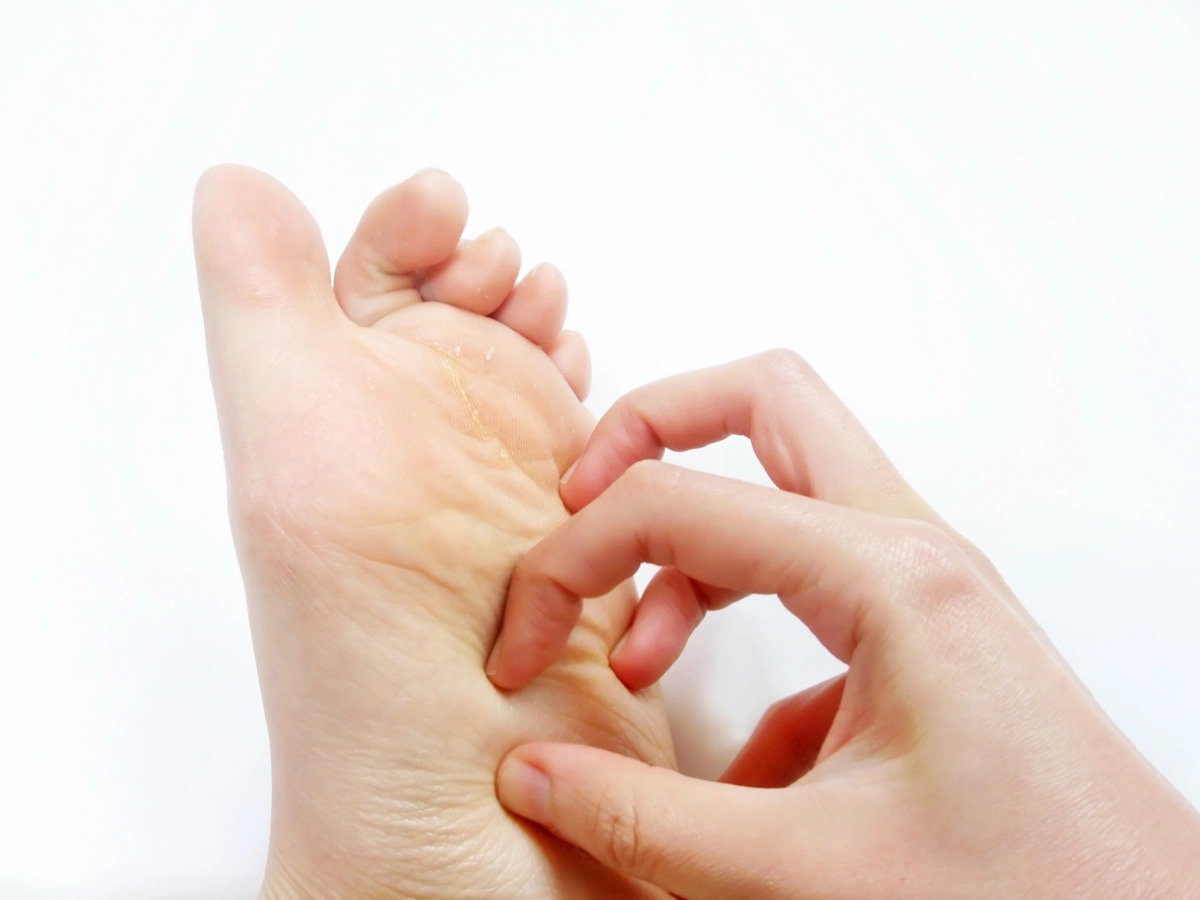
What is Plantar Fasciitis Pain?
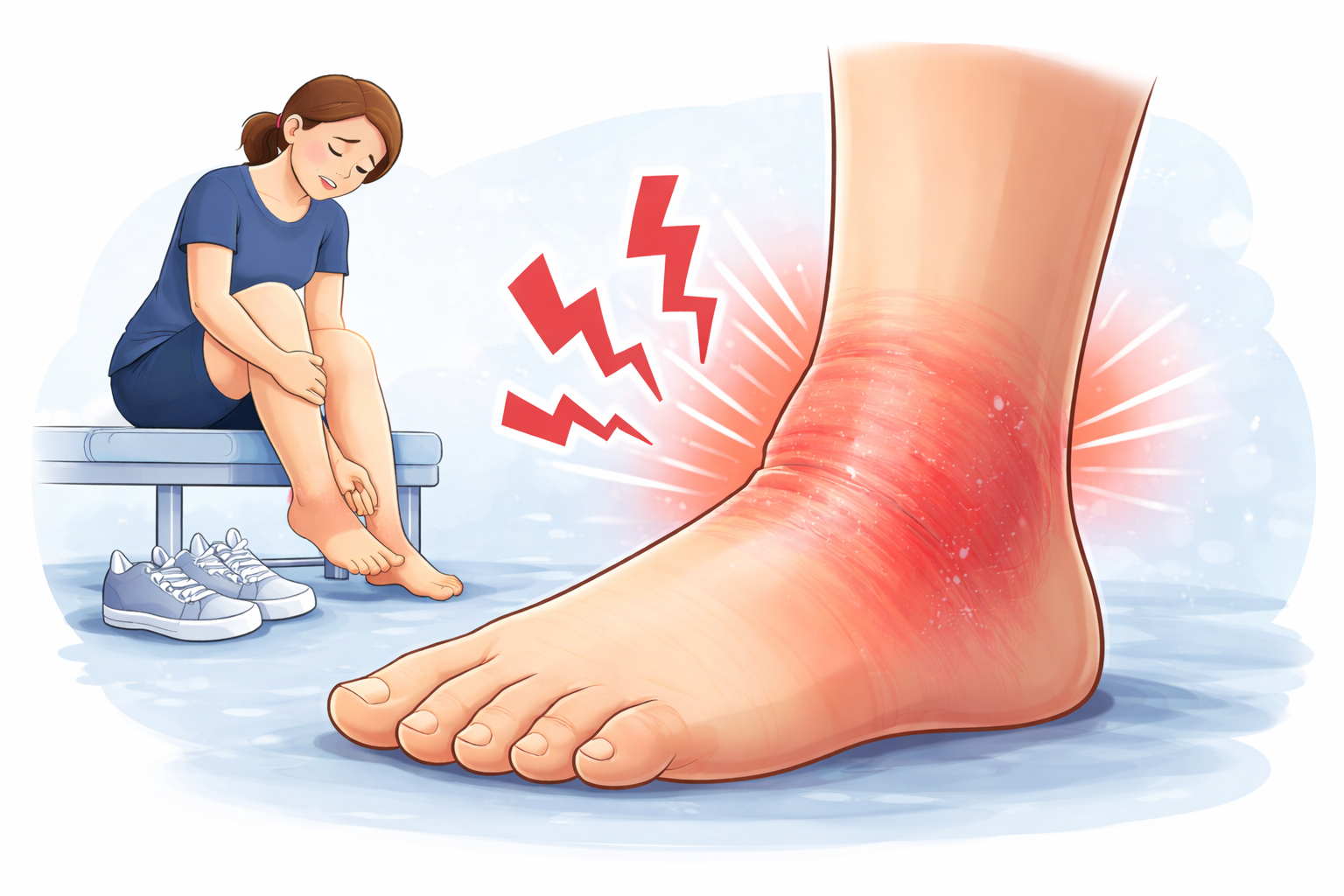
Plantar fasciitis is one of the most common causes of heel and foot pain, often making every step feel like a challenge. This condition occurs when the plantar fascia, a thick band of connective tissue running along the bottom of your foot, becomes inflamed or overstretched.
The result is a sharp stabbing pain, especially noticeable with your first steps in the morning or after long periods of standing or walking. Wearing the wrong shoes, particularly those lacking proper arch support and cushioning, can make the discomfort worse and even prolong recovery. A higher heel-to-toe drop shifts more weight from the heel to the forefoot, which can reduce heel pain.
A higher heel stack can also help reduce impact on the heel and provide additional cushioning for plantar fasciitis sufferers. That is why choosing the best walking shoes for plantar fasciitis is so important.
The right shoes for plantar fasciitis provide essential support, stability, and comfort, helping to reduce pain and keep you moving pain-free. In this article, we will break down the key features to look for in shoes and highlight top models that can help you walk with confidence and less discomfort.
Symptoms and Causes
Plantar fasciitis is one of the most common sources of heel pain and foot pain, and it often develops gradually. Recognizing the symptoms early and understanding what causes plantar fasciitis can help you take the right steps toward recovery.
Ignoring plantar fasciitis can lead to progression from acute to chronic pain and may cause pain in other body parts due to compensatory walking patterns. Additionally, conditions like neuropathy can further complicate foot pain and require special consideration when choosing footwear.
The condition typically starts with a sharp, stabbing pain in the heel, especially with your first steps in the morning. Other symptoms may include:
Aching arches after long periods of standing or walking
Tenderness or burning pain along the bottom of the foot
Stiffness in the heel or sole after exercise or rest
Discomfort that worsens when walking barefoot on hard surfaces
These symptoms are classic signs that the plantar fascia ligament is inflamed and under strain.
Structural Foot Causes
People with flat feet or high arches are more likely to develop plantar fasciitis. Both foot shapes place additional stress on the fascia and alter natural foot alignment, making the tissue more vulnerable to injury.
Overpronation and Movement Issues
Another common cause is overpronation, where the foot rolls inward too much during walking or running. This abnormal stride increases pressure on the fascia and connective tissue, leading to irritation and pain.
Footwear and Lifestyle Factors
Wearing the wrong shoes thin soles, a lack of arch support, or poor cushioning, can aggravate plantar fasciitis pain. Jobs or activities that require standing for hours, sudden increases in exercise, or weight-related pressure on the feet can also trigger inflammation.
Individuals with plantar fasciitis should stop repetitive motion with impact forces, such as walking on a treadmill, to avoid worsening their condition.
Why Shoes Matter for Plantar Fasciitis

When you wear the wrong shoes, such as thin soles, no arch support, or minimal cushioning, it increases pressure on the heel and arches.
Over time, this strain worsens foot pain, especially for people with flat feet, high arches, or those who spend hours standing or walking. Supportive shoes reduce stress on the fascia and help prevent long-term injuries.
Shoes with well-cushioned heels provide extra support and relief for plantar fasciitis by absorbing impact and alleviating heel and arch pain. The heel stack height should be at least 25 mm to provide adequate cushioning for plantar fasciitis.
The best walking shoes and running shoes for plantar fasciitis share three essentials: good shock absorption, a deep heel cup that stabilizes the heel, and built-in arch support to balance weight across the foot.
A stiff shoe or stiff components can also help control motion and reduce pain for plantar fasciitis patients. Shoes with these features allow for smoother heel-to-toe drop and more stable strides. Additionally, a heel counter must score at least 3 out of 5 in torsional rigidity tests to be suitable for plantar fasciitis.
Key Features to Look For in the Best Shoes
Podiatrists recommend looking beyond brand names and focusing on function. The key features of the best shoes for plantar fasciitis include:
Arch support: Keeps the plantar fascia from overstretching and helps maintain proper foot alignment.
Deep heel cup: Cradles the heel, absorbs pressure, and prevents slipping inside the shoe.
Shock absorption: Extra foam or gel in the midsole cushions every stride, reducing stress on inflamed tissue.
Wide, stable sole: Prevents wobbling and helps correct overpronation, especially in flat feet.
Heel-to-toe drop: A supportive drop reduces strain by shifting pressure away from the inflamed heel.
Roomy toe box: Allows toes to spread naturally, preventing added pressure on the forefoot.
Resistance to bend: Test the shoe by bending it at the forefoot. A shoe that bends too easily may lack support, while one that is too stiff can reduce comfort. The right balance of flexibility and resilience helps support the foot and relieve plantar fasciitis symptoms.
Removable insoles: Offer the option for using custom insoles or orthotics for plantar fasciitis if additional support is needed.
These features matter whether you prefer walking shoes, running shoes, or even certain supportive barefoot-style footwear. At Evolve Health services, we often match patients with shoes tailored to their arches, stride, and activity level.
Shoe Materials and Quality: What Makes a Difference?
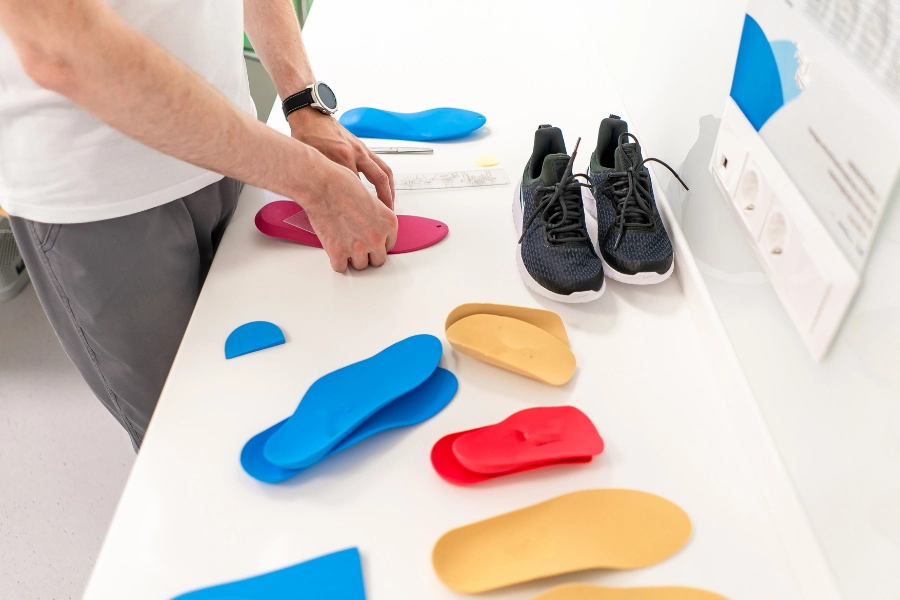
Choosing the right materials and quality in shoes is essential for managing plantar fasciitis effectively. The construction and components of your walking shoes can significantly impact comfort, support, and pain relief.
High-quality shoes designed with the needs of plantar fasciitis sufferers in mind help protect the plantar fascia ligament, reduce heel pain, and promote proper foot alignment for a smoother, pain-free walking experience.
1. Breathable and Lightweight Fabrics
Shoes made from breathable and lightweight materials keep your feet cool and dry, reducing inflammation and discomfort associated with plantar fasciitis.
2. Supportive Construction and Arch Support
A sturdy build with built-in arch support helps distribute pressure evenly, minimizing strain on the plantar fascia ligament and preventing further injury.
3. Advanced Cushioning Systems
Responsive foam or gel midsoles absorb shock effectively, protecting sensitive areas from impact and providing comfort during every step.
4. Durable Deep Heel Cup
A well-designed deep heel cup stabilizes the heel and maintains proper foot alignment, crucial for those with flat feet, high arches, or overpronation.
5. Importance of Quality Materials in Pain Management
Investing in shoes with high-quality materials and construction not only enhances comfort but also prevents worsening plantar fasciitis pain caused by inadequate footwear.
Comparison of Top Brands of Shoes for Plantar Fasciitis
When searching for the best walking shoes for plantar fasciitis, five models consistently rise above the rest. Each combines specialized design with podiatrist-recommended support to help reduce plantar fascia strain. Budget-friendly choices that still provide support and comfort are available for those dealing with plantar fasciitis.
1. Brooks Adrenaline GTS 24
What makes it excel: This model is a go-to recommendation for runners and walkers fighting plantar fasciitis, thanks in part to its GuideRails stability system, which keeps excessive inward rolling in check and aligns the foot throughout the gait cycle.
It features DNA Loft v3 foam, offering a firmer but responsive midsole for shock absorption. Also noteworthy is its comparatively high heel stack and firm base—ideal for heel strikers dealing with heel pain, and check the shoes now.
Pros:
Excellent stability for overpronation
Breathable upper with strong support
Durable, available in multiple widths
Comfortable cushioning while maintaining structure
Cons:
Firmer-than-expected midsole may feel too rigid for some
2. Asics Gel-Kayano 32
What makes it excellent: A favorite in podiatric circles, the Gel-Kayano utilizes GEL cushioning in both heel and forefoot to lessen shock and pressure on inflamed tissue. Its 4D Guidance System adapts to foot movement for dynamic arch support. Lab testing highlights the Asics Gel Kayano and its generous cushioning and midsole stability for plantar fasciitis relief.
Pros:
Superior shock absorption and arch support
Adaptive stability for controlled motion
Durable build with a broad midsole base
Cons:
Less breathable than some alternatives
3. Hoka Bondi 8
Why it stands out: Among the thickest, most cushioned shoes offered by Hoka, the Bondi 8 excels in plush comfort while maintaining a stable, supportive base—ideal for reducing heel and arch strain. Experts and users with plantar fascia relief needs consistently endorse it.
Explore the product here to discover one of the best-selling shoes for plantar fasciitis, known for providing excellent support and comfort to those suffering from foot pain.
Pros:
Maximal plush cushioning, ideal for long standing or walking
Wide base for traction and stability
Breathable upper with available wide/extra-wide sizing
Recognized by podiatrists for providing comfort and pain relief
Cons:
Bulky and heavier, which may not suit minimalist shoe enthusiasts
Lower heel-to-toe drop (5 mm in Bondi 9) may not offload heel pressure fully for severe cases
4. New Balance 990v6
Why it’s recommended: Built for versatility and toughness, the 990v6 offers a broad midsole and a firm structure that’s well-loved by users with chronic heel pain or flat feet. Its sturdy design provides consistent support and long-term durability.
Check the product here to find one of the best sellers among shoes for plantar fasciitis, offering excellent support and comfort for those dealing with foot pain.
Pros:
Excellent stability for flat-footed walkers
Firm yet comfortable cushioning for everyday wear
Long-lasting build quality
Cons:
Higher cost compared to entry-level supportive shoes
5. Orthofeet Coral
Why it helps: Specifically crafted for foot health issues, the Coral includes a spacious toe box, a padded upper, and a deep heel cup, enhancing comfort, especially for sensitive or inflamed areas.
It also accommodates orthotics and is great for individuals with comorbid foot conditions like bunions or neuropathy. Check the Othofee Coral Now.
Pros:
Generous room in the toe box—ideal for custom orthotics and foot deformities
Soft cushioning with a supportive heel cup
Excellent for long-duration standing
Cons:
Less athletic in style—can feel casual or bulky for active users
Cushioning may be softer than desired for high-impact movement
Podiatrist-Recommended Shoes for Plantar Fasciitis
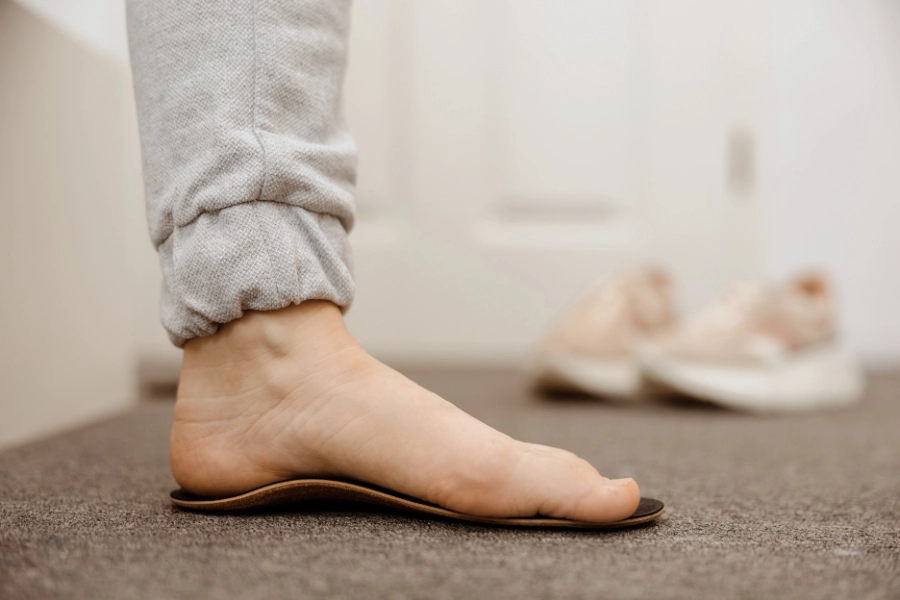
Patients often ask for specific shoe models. While personal preference matters, podiatrists frequently recommend options like the Brooks Adrenaline GTS, known for its built-in arch support and stability features. Brands such as Asics, New Balance, and Orthofeet also design pairs that provide a strong balance of cushion, support, and durability.
Whether you are choosing walking shoes for daily strolls or running shoes for exercise, the right pair should minimize inflammation, reduce discomfort, and help restore pain-free movement. Selecting a walking shoe with proper support, stability, and cushioning is especially important for alleviating plantar fasciitis pain and improving overall comfort.
Remember, what feels supportive for one person may not suit another, especially if you have narrow feet, high arches, or chronic plantar fasciitis.
Lifestyle and Shoe Tips for Managing Plantar Fasciitis
Footwear alone may not solve the problem, but it is a crucial part of recovery. Here are podiatrist-approved tips:
Replace worn-out shoes regularly since old shoes lose their support and cushion.
Use supportive insoles if your shoes do not have enough arch support.
Avoid walking barefoot on hard floors, which increases strain on the plantar fascia.
Choose shoes that fit properly. Shoes that are too tight lead to pressure, while loose shoes cause slipping and strain. Look for shoes with slip-resistant features to help prevent slips on wet or icy surfaces and ensure safety and stability.
Alternate pairs so that foam cushioning can rebound between wears.
Combined with stretching, weight management, and custom care from a podiatrist, the right shoes can drastically reduce heel pain and foot pain. Stretching of the plantar fascia and/or Achilles tendon is recommended as a low-cost and low-risk treatment for plantar fasciitis.
When Shoes Aren’t Enough: Getting Professional Help
If you have switched to supportive shoes but still feel stabbing pain in your heel, it may be time to consult a specialist. Evolve Health Professional, our podiatrists provide custom treatment plans, from shoe recommendations to orthotics and advanced therapies, ensuring patients find lasting relief.
Conclusion
Finding the best shoes for plantar fasciitis is not just about comfort; it is about protecting your feet from long-term strain and injuries.
By choosing footwear with strong arch support, cushioning, and stability, you can reduce pain, prevent flare-ups, and return to daily walks or workouts with confidence. And when in doubt, a podiatrist can guide you toward the right shoes and treatment for your unique foot type.
FAQs
What type of shoes are best for plantar fasciitis?
Shoes with strong arch support, a deep heel cup, and cushioning to absorb shock are the best options for reducing heel pain.
Can walking shoes help with plantar fasciitis pain?
Yes. The best walking shoes distribute pressure evenly across the foot, reducing strain on the plantar fascia ligament.
Are barefoot shoes good for plantar fasciitis?
While some people prefer them, most podiatrists recommend supportive shoes instead of barefoot shoes, especially during flare-ups.
How do I know if my shoes are causing plantar fasciitis?
If you feel increased stabbing pain or inflammation when wearing certain pairs, they may lack the support and cushioning needed to protect your feet.
Can the right shoes cure plantar fasciitis?
Shoes alone may not cure it, but they are essential for managing pain and preventing further damage when combined with podiatrist-directed care.