Understanding Toenail Removal and Aftercare
Reasons for Toenail Removal
Toenail removal is often necessary due to issues like painful ingrown toenails or severe infections. Surgical options include Wedge Resection, Toenail Removal, and Matrixectomy, depending on the severity of the condition. Common causes of ingrown toenails are trimming nails too short, wearing tight shoes, and sustaining trauma.
Surgical Procedure Overview
A qualified podiatrist performs toenail removal surgery using local anesthesia. The procedure generally involves:
Numbing the toe
Cutting away the ingrown portion of the nail
Possibly removing the entire nail
In some cases, medications may be used to inhibit nail regrowth. Understanding the reasons for your surgery and the procedure can help you make informed decisions about your aftercare.
Essential Post-Surgery Care
Dressing the Wound
After toenail removal, keeping the wound clean is crucial. Here are the steps to follow:
Clean the Area: Use warm, soapy water to gently cleanse the toe, then pat it dry.
Change the Dressing: Soak your foot in warm water to ease dressing removal, then change the dressing once or twice daily or as directed by your healthcare provider.
Keep it Covered: Maintain a dry dressing for the first week. You may leave it uncovered at night during the second week to promote airflow.
Foot Soaks and Epsom Salts
Soaking your foot in Epsom salt can provide numerous benefits, including pain relief and inflammation reduction. For optimal results:
Frequency: Soak 2 to 3 times daily as your toenail begins to regrow.
Post-Soak Care: After soaking, dry your foot thoroughly, apply antibiotic ointment, and redress the wound.
Pain Management Techniques
Managing post-surgery pain is vital for a comfortable recovery. Consider these strategies:
Over-the-Counter Pain Relievers: Medications like Tylenol, Motrin, or Ibuprofen can be effective.
Warm Water Soaks: Soaking your foot can alleviate soreness.
Icing: Apply ice to the area within the first 24 hours to reduce swelling and discomfort.
Footwear and Activity Modifications
Choosing the Right Footwear
Selecting suitable shoes significantly impacts your recovery. Follow these recommendations:
Initial Footwear: Wear open-toed or loose shoes for at least two weeks.
Avoid Tight Shoes: Choose sandals or soft shoes with ample room for your toes to heal.
Return to Normal Activities: Generally, you can resume regular activities within a few days but avoid strenuous activities until cleared by your podiatrist.
Monitoring for Signs of Infection
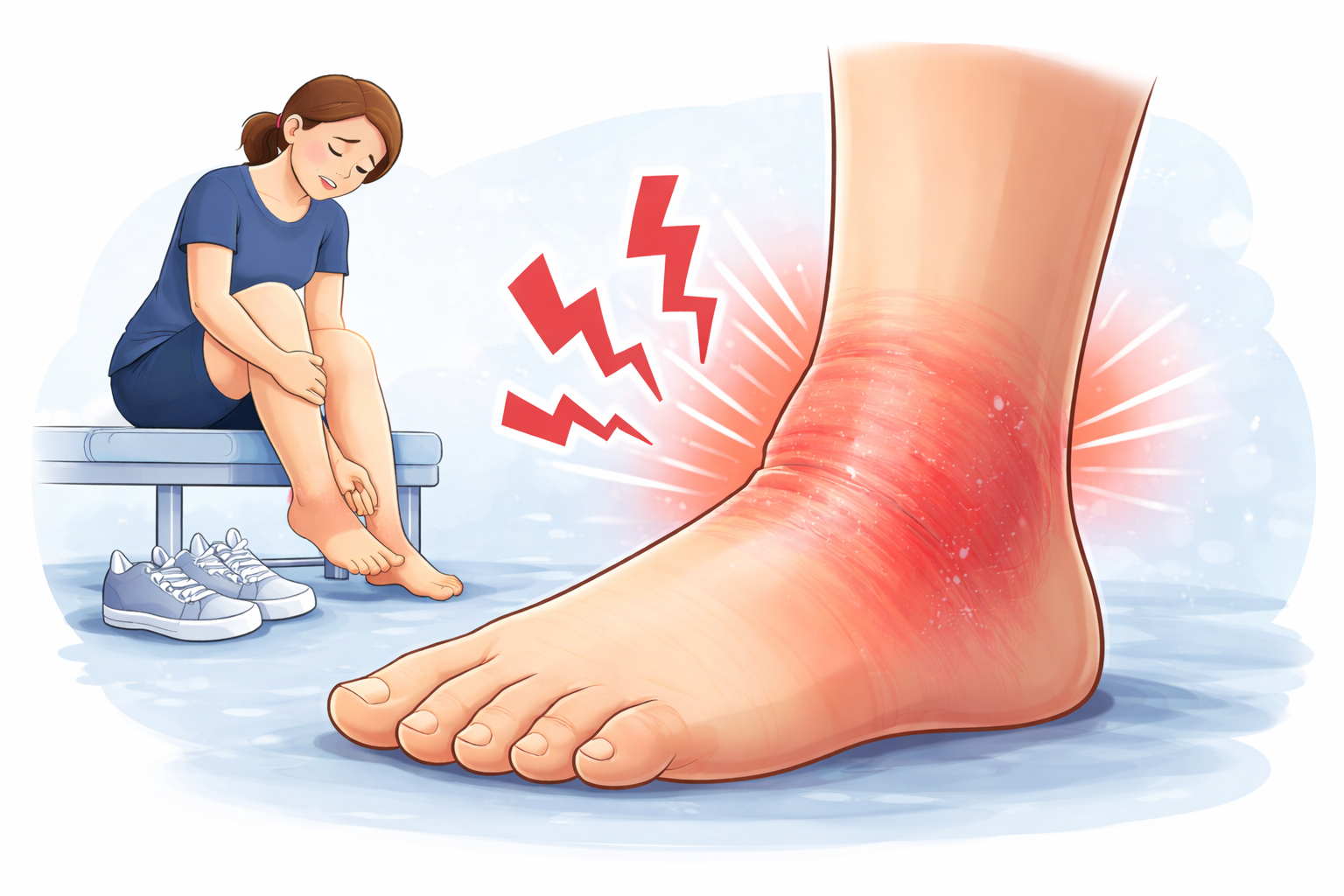
Being vigilant about signs of infection is essential. Contact your healthcare provider if you notice:
Increased redness, swelling, or pain after a few days
Pus or discharge from the wound
Fever or chills
Preventing Future Toenail Issues
Practicing Good Nail Care
To avoid future toenail problems, implement the following nail care practices:
Cut Straight Across: Avoid cutting nails too short or curving the edges.
Footwear Choices: Steer clear of tight, pointy shoes, and replace footwear every 8 to 12 months.
Moisturize: Keep your feet hydrated and avoid cutting the cuticles.
Importance of Follow-Up Care
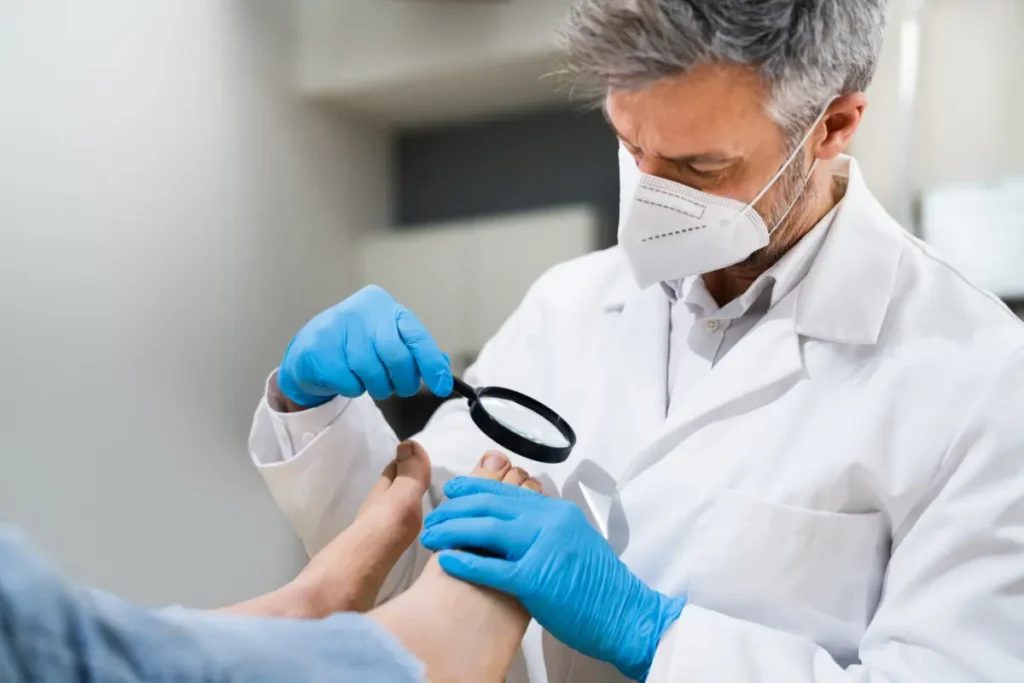
Schedule a follow-up visit with your podiatrist after toenail removal. During this appointment, your podiatrist can:
Assess the healing process
Check for signs of infection
Provide further treatment recommendations
Common Questions About Toenail Removal Aftercare
How long should I keep my toe covered after nail removal?
Keep your toe covered for the first week day and night, then you can leave it uncovered at night in the second week to aid the healing process.
What not to do after toenail removal?
To ensure proper healing after toenail removal, avoid smoking or drinking alcohol, keep the dressing dry, avoid swimming, and reduce strenuous sporting activities. It will usually take six to eight weeks for full healing.
How often should I change the dressing after toenail removal surgery?
Change your dressing once or twice daily after toenail removal surgery, or as advised by your healthcare provider.
How can I prevent future ingrown toenails?
To prevent future ingrown toenails, cut your nails straight across and avoid cutting them too short. Additionally, make sure to wear appropriate footwear for the best results.
How soon should I schedule a follow-up appointment with a podiatrist after toenail removal surgery?
It is recommended to schedule a follow-up appointment with a podiatrist one week after toenail removal surgery.