What Is Foot and Ankle Physical Therapy?
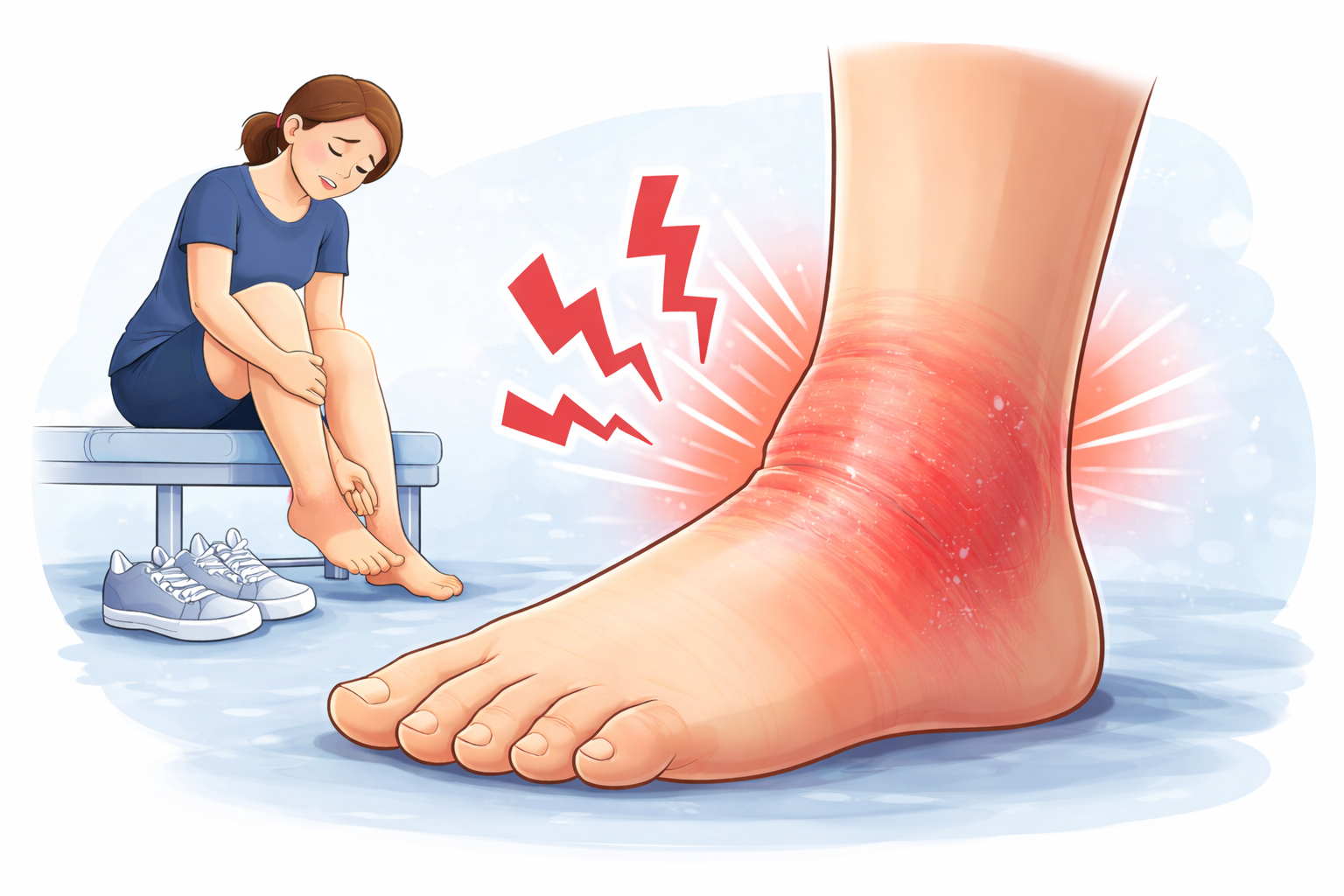
Foot and ankle physical therapy is a rehabilitation approach that combines guided movement, targeted strengthening exercises, hands-on techniques, and education to help your body heal and move normally again.
A physical therapist may help you:
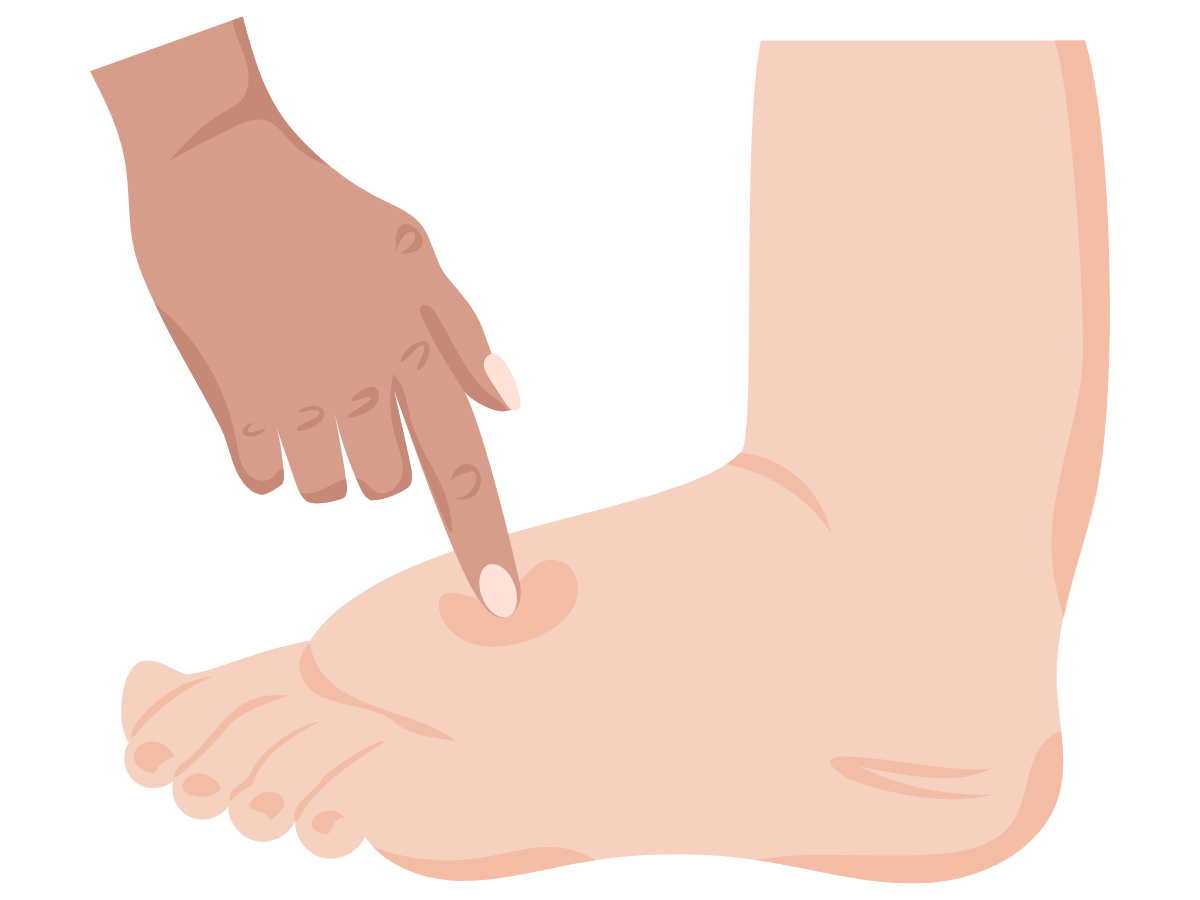
Reduce pain and swelling in your foot or ankle
Improve range of motion and joint motion
Strengthen key muscles in the lower leg, foot, and ankle
Improve balance and stability (especially after ankle sprains)
Build an exercise conditioning program you can follow at home
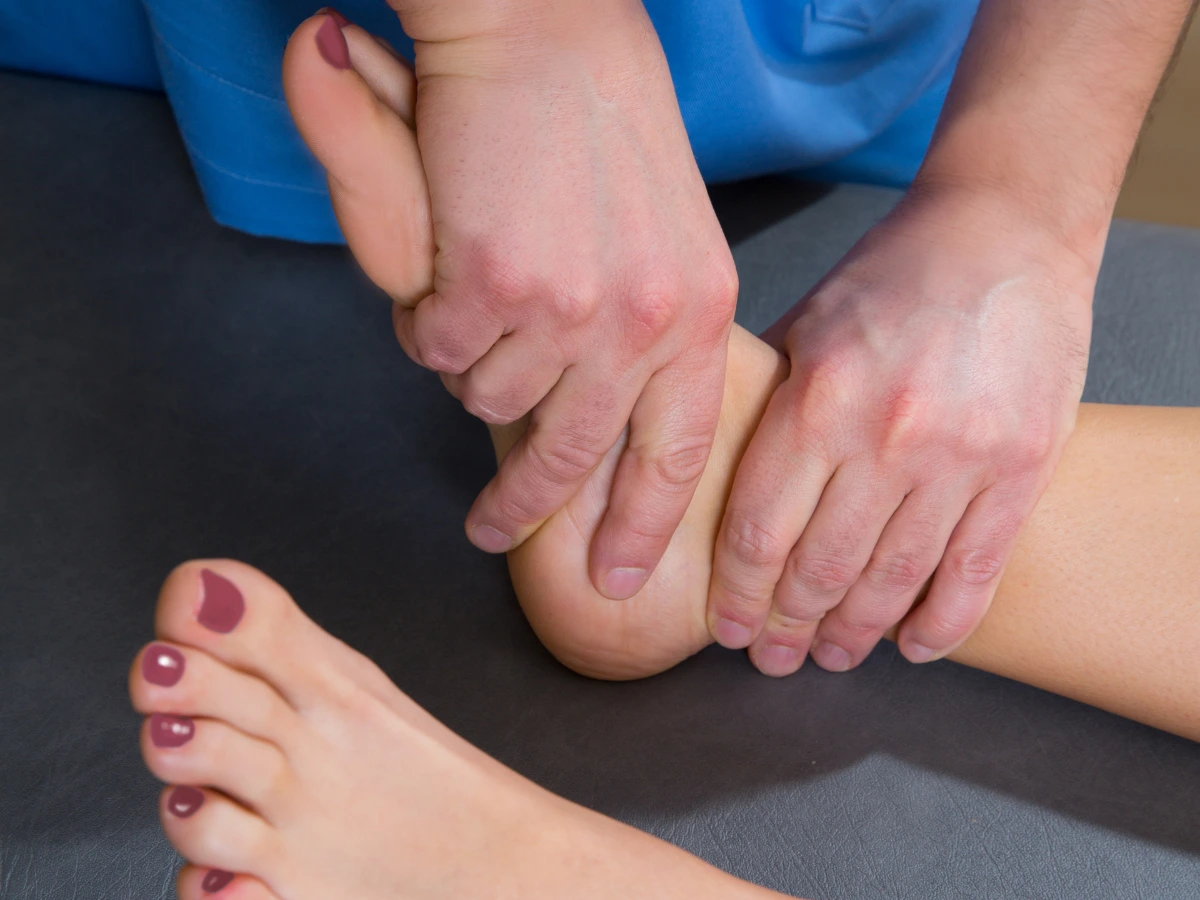
Physical therapists use specialized techniques and equipment to aid in the treatment of foot and ankle conditions.
A major benefit is that therapy doesn’t just focus on the painful spot—it also looks at how your hips, knees, and walking mechanics affect your foot and ankle function.
Foot and Ankle Anatomy (Simple, Useful Overview)
Your foot and ankle are complex systems made for both stability and movement:
Bones & joints create structure and absorb force
Ligaments provide stability (these often get injured during sprains)
Tendons transmit muscle power to move the foot and ankle
Muscles in the foot and lower leg, including the shin, support balance, ankle movement, and overall lower limb stability
The plantar fascia supports the arch and can become irritated with overuse
When one piece is weak or tight (like calves, arch muscles, or hip stabilizers), other structures absorb extra stress—leading to discomfort, stiffness, or recurring injury.
When Should You Start Physical Therapy?
The right start time depends on your injury and your doctor’s supervision, but a general rule is:
After a sprain or strain
Once swelling has improved and you can put some weight through the foot without sharp pain, therapy may begin with gentle movement. Early therapy often focuses on restoring range and preventing stiffness.
After surgery or a fracture
You should follow your surgeon’s plan closely. Therapy typically progresses from swelling control → range of motion → strengthening → balance → return to activity.
For chronic pain (like plantar fascia issues or stiffness)
You can begin anytime. In fact, earlier support often prevents months of compensation and recurring flare-ups.
If you’re unsure, start with an evaluation—your therapist can help you understand what’s safe and what needs medical clearance.
What a Physical Therapist Does (And Why It Helps)
A skilled therapist typically combines four pillars of care:
1) Pain & swelling support
You may use ice, compression, elevation, and gentle mobility work. Therapy should not push you into significant pain—mild effort is normal, sharp pain is not.
2) Restore range of motion
Stiffness can linger after injury, immobilization, or inflammation. Your therapist may use joint mobilization and stretching to restore movement.
3) Strengthening exercises
These rebuild the muscles that stabilize the ankle, arch, and lower leg—especially after ankle sprains.
4) Balance & control training
This is where many people level up. Balance work improves stability, coordination, and confidence in the injured leg—especially when you’re returning to sports or uneven surfaces.
The Most Common Foot and Ankle Injuries PT Treats
Physical therapy is often helpful for:
Foot and ankle sprains (including repeated or “chronic” sprains)
Overuse injuries (tendon irritation, stress reactions)
Heel pain, including plantar fascia irritation
Achilles tightness or tendinopathy
Post-boot stiffness and weakness
Post-surgery recovery programs
Balance issues and fall-risk concerns
A Well-Structured Conditioning Program (What It Usually Includes)
A great rehab plan is progressive. It starts easy and builds toward real-life movement.
Phase 1: Restore motion + calm symptoms
Gentle circles and pumps
Light stretching
Walking practice (as tolerated)
Low impact activity, such as gentle walking or riding a stationary bicycle, is recommended to safely prepare the body for more targeted rehabilitation exercises.
Phase 2: Build strength + stability
Resistance band work
Calf raises
Intrinsic foot strengthening
Hip and knee alignment work (yes, your hips matter)
Phase 3: Balance + return to function
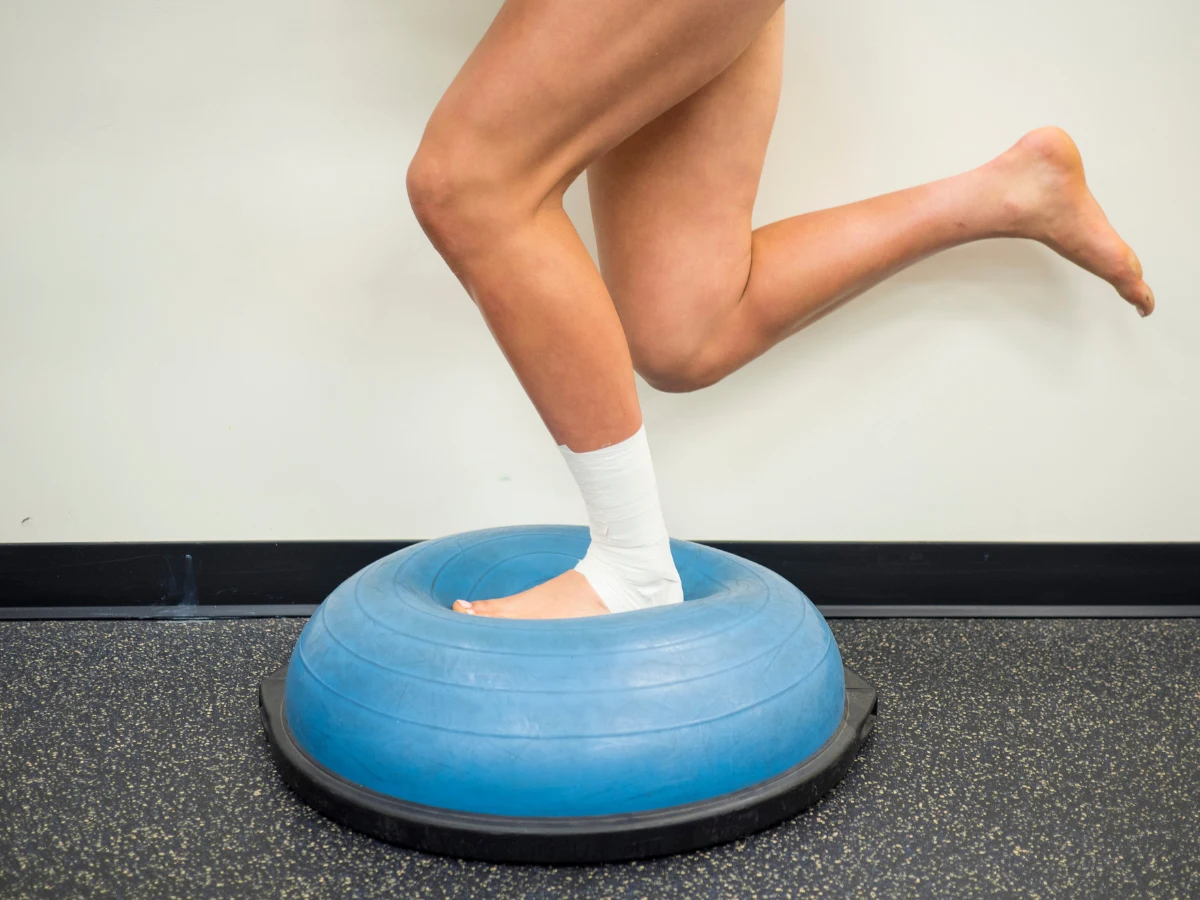
One leg balance drills
Step-downs and controlled squats
Low-impact conditioning (like stationary bicycle)
Phase 4: Return to sport or higher activity
Agility drills
Controlled hopping / landing work
Sport-specific direction changes
A therapist may guide you to slowly return to full activity based on your rehabilitation goals—not a random timeline. And if insurance is your concern, here’s a practical resource: Need a United Healthcare Podiatrist.
Foot and Ankle Exercises Patients Commonly Use
These are common PT-style movements. Always do them with your therapist’s guidance if you’re newly injured. Exercises should be performed under professional guidance and in a structured manner to ensure safety and effectiveness.
Single leg exercises allow you to get more power and force out of each leg, resulting in increased performance.
Range of motion (great early-stage options)
Ankle circles: move the ankle slowly in both directions
Ankle pumps: pull toes up, then point down
Toe stretches to improve flexibility
Strengthening exercises (core rehab moves)
Calf raises (start with both feet, progress to one foot)
Focus on lifting your heels off the ground to strengthen your lower legs and feet.
Keep knees straight for the first set
Progress slowly and control the lowering phase
Elastic band ankle work (4 directions)
Apply tension with the band to increase the effectiveness of the exercise and target muscles in your legs.
Great for rebuilding stability after ankle sprains
Towel curls for foot strength
Put a towel on the floor, curl toes to pull it toward you, and repeat the movement for several repetitions.
Big toe strengthening
Press big toe into the floor while keeping other toes relaxed
These exercises target the muscles in your legs, including the lower leg and foot. Stretching the muscles you strengthen is important for restoring range of motion and preventing injury.
Balance and stability drills
One leg stands (performed while standing, start near a wall or chair for support)
Progress to soft surfaces (like a folded towel)
Add head turns or gentle reaches when stable
Recovery tools that may help (simple and practical)
Roll foot on a tennis ball for light pressure
Use a frozen water bottle to massage and reduce soreness
Low-impact conditioning: walking, pool work, or riding a stationary bike—these low impact activities are ideal for maintaining mobility and supporting recovery without putting excessive strain on the foot and ankle
Seated exercises: Sit on a chair with your feet flat on the floor and perform ankle pumps or toe curls to gently strengthen and mobilize the foot and ankle
Tip: Stop if you feel sharp pain, numbness, or worsening swelling.
Preventing Future Sprains and Flare-Ups
Prevention usually comes down to consistency and smart habits:
Do 5–10 minutes of ankle and foot work 3–4x/week
Warm up before sports
Build calf and hip strength (hips forward control matters for alignment)
Wear supportive shoes
Use braces only when needed (temporary support, not a long-term crutch)
Increase activity gradually to avoid overload
If you struggle with heel pain, supportive footwear can be a game changer. See our guide on Shoes for plantar fasciitis.

Evolve Health Approach Foot and Ankle Physical Therapy
At Evolve Health, we focus on practical recovery plans that fit real life. If you’re dealing with a physical therapy foot injury Palm Harbor patients commonly experience—like a sprain, heel pain, or post-boot weakness—our goal is to restore movement first, then rebuild strength and stability so you can confidently return to your routine.
If you’re local, explore our Palm Harbor location and ask about join Palm Harbor sessions—our team can help guide your rehab plan and connect you with the right next steps.
If you’re exploring surgical options for severe arthritis or instability, this guide may help you understand advanced care pathways: Total ankle replacement.
FAQs:
How long does foot and ankle physical therapy take?
It depends on the injury and your starting strength. Mild sprains may improve in a few weeks, while post-surgery or chronic issues often take longer. Progress is usually based on function—walking, balance, and strength—not just time.
What are the best ankle exercises for stability?
Common staples include resistance-band ankle work, calf raises, and single-leg balance drills. These are great exercise options for ankle and joint health. A physical therapist can choose the right level so you don’t overload the joint too soon.
Can physical therapy help plantar fascia pain?
Yes. Many plans include calf stretching, foot strengthening, and symptom relief tools like a tennis ball or frozen water bottle massage, plus guidance on supportive footwear and daily habits.
Should I push through pain during rehab?
No. Discomfort from effort is normal, but sharp pain or increasing swelling is a sign to stop and adjust. Therapy should build capacity without aggravating the injury.
Do I need surgery for repeated ankle sprains?
Not always. Many patients improve with balance training, strengthening, and a structured progression back to activity. If instability persists despite rehab, your foot and ankle specialist may discuss other options.
Conclusion
Foot and ankle rehab works best when it’s consistent, progressive, and guided by the right plan. If you’re dealing with pain, stiffness, or instability, don’t guess your way through it. A physical therapist can help you restore range of motion, rebuild strength, and return to the things you love—safely.
If you’re in Florida, visit our Palm Harbor clinic to explore Palm Harbor recovery paths and learn how to join Palm Harbor sessions for structured support.