Understanding Ankle Conditions and Arthritis

The ankle joint is a complex structure formed by the tibia, fibula, and talus bones, stabilized by ligaments and supported by tendons, blood vessels, and nerves. Healthy cartilage cushions the joint surfaces, enabling smooth, pain-free movement.
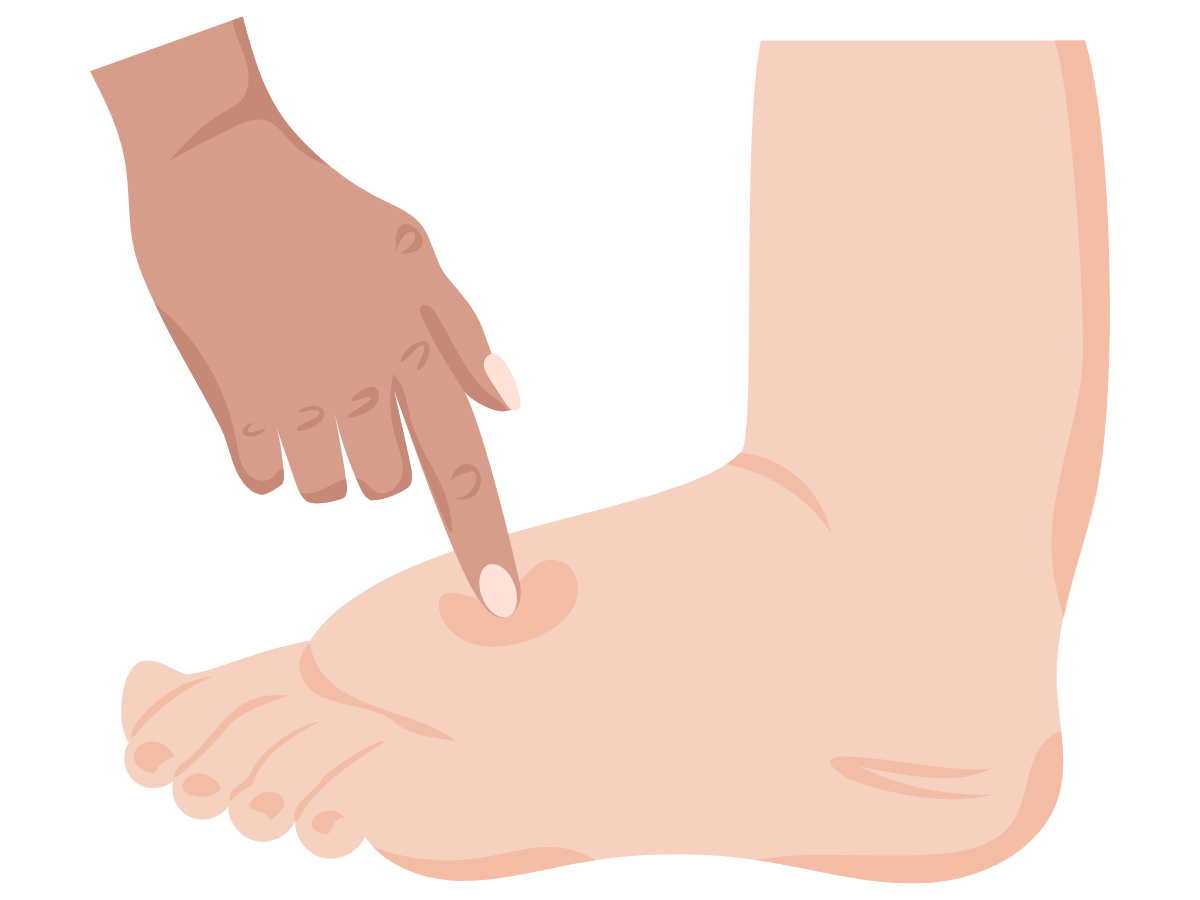
However, ankle arthritis, often resulting from trauma, wear and tear, or inflammatory conditions, causes cartilage deterioration, leading to pain, stiffness, swelling, and difficulty walking.
Severe ankle arthritis, also known as end-stage ankle arthritis, significantly impairs joint function and daily activities. If untreated, it can cause chronic ankle pain and limit your ability to bear weight or maintain an active lifestyle.
For many patients, total ankle replacement offers an effective surgical treatment to restore joint mobility and relieve pain.
What Is Total Ankle Replacement Surgery?

Total ankle replacement (TAR), or total ankle arthroplasty, is a specialized joint replacement surgery that involves removing the damaged arthritic ankle joint and replacing it with an artificial implant made of metal and plastic components.
Unlike ankle fusion (ankle arthrodesis), which permanently eliminates ankle motion, total ankle replacement preserves joint movement, allowing for a more natural gait and improved function.
Key Benefits of Total Ankle Replacement:
Provides significant pain relief for patients with severe ankle arthritis.
Preserves ankle joint motion, improving mobility and balance.
Supports an active lifestyle by restoring more natural foot and ankle biomechanics.
Reduces stress on adjacent joints, potentially preventing secondary arthritis.
Utilizes advanced surgical techniques and patient-specific instrumentation for precise implant placement.
Who Is a Good Candidate for Total Ankle Arthroplasty?
Many factors influence candidacy for total ankle replacement. Ideal candidates typically:
Have severe ankle arthritis, causing chronic ankle pain and difficulty walking.
Maintain reasonable ankle alignment and bone quality to support the implant.
Have tried conservative treatments such as physical therapy, bracing, and medication without sufficient relief.
Are they motivated to engage in a structured rehabilitation program post-surgery.
Do not have contraindications such as severe deformity, peripheral neuropathy, poor blood flow, or a history of deep ankle infections.
Your foot and ankle surgeon will perform a thorough evaluation, including imaging studies like weight-bearing X-rays or CT scans, to determine if total ankle replacement is the best surgical option for you.
Surgical Procedure and Advanced Techniques

Total ankle replacement is performed under general anesthesia or regional nerve blocks. The surgical steps include:
Making a precise incision to access the ankle joint.
Removing damaged cartilage and preparing the tibia and talus bones.
Implanting metal components on the tibia and talus, along with a polyethylene spacer to enable smooth joint movement.
Using patient-specific instrumentation and advanced alignment guides to optimize implant positioning.
Closing the incision with care to preserve soft tissue integrity and promote wound healing.
These improved surgical techniques contribute to significantly improved clinical outcomes and reduced complication rates.
Ankle Fusion: An Alternative Surgical Option
Ankle fusion surgery permanently joins the ankle bones to eliminate joint motion and relieve pain. It is often recommended for patients who are not candidates for ankle replacement due to severe deformity, poor bone quality, or medical conditions such as peripheral neuropathy or vascular disease.
While ankle fusion effectively reduces pain and stabilizes the ankle, it limits joint mobility and may increase stress on other foot and ankle joints. Your foot and ankle surgeon will help you weigh the benefits and risks of fusion versus replacement to choose the best treatment for your condition.
Risks and Complications of Total Ankle Replacement
As with any bone joint surgery, total ankle replacement carries potential risks, including:
Infection or delayed wound healing, especially in patients with diabetes, rheumatoid arthritis, or smokers.
Blood clots in blood vessels.
Mechanical failure or loosening of the artificial implant.
Injury to tendons, nerves, or blood vessels during surgery.
A broken bone near the implant is one of the most common complications.
The a need for revision surgery if the implant fails or wears out over time.
Your foot and ankle surgeons will discuss these risks with you and implement strategies to minimize complications and support successful recovery.
Recovery and Rehabilitation After Ankle Replacement

Recovery from total ankle replacement requires a carefully structured rehabilitation program and close collaboration with your care team, including physical therapists.
Typical recovery timeline:
0–2 weeks: Non-weight-bearing with splint or cast; strict elevation to control swelling and promote wound healing.
2–6 weeks: Transition to removable boot; begin gentle range-of-motion exercises; start physical therapy.
6–12 weeks: Gradual weight-bearing as guided by your surgeon and physical therapist.
3–6 months: Progressive strengthening, balance training, and functional mobility exercises.
Up to 12 months: Full healing and swelling resolution; return to most daily activities.
Starting physical therapy early is critical for restoring motion, strength, and balance. Most patients achieve significant improvement and can bear weight comfortably within a few months, with full recovery and return to an active lifestyle typically occurring within one year.
Rearfoot Reconstructive Surgery: Complementary Treatment

Rearfoot reconstructive surgery addresses deformities, arthritis, or instability in the hindfoot region, including the subtalar and talonavicular joints. Common conditions treated include:
Flatfoot deformity (posterior tibial tendon dysfunction).
Cavovarus foot deformity.
Severe arthritis affecting rearfoot joints.
Chronic tendon ruptures or ligament instability.
Surgical techniques may involve calcaneal osteotomy, subtalar or midfoot fusion, tendon transfers, or ligament reconstruction. Recovery varies depending on the procedures performed but generally includes immobilization followed by progressive rehabilitation.
Why Choose Our Expert Foot and Ankle Surgeons?
When it comes to total ankle replacement and rearfoot reconstructive surgery, experience and expertise make all the difference.
Our team of renowned foot and ankle surgeons in Florida and Texas combines years of high-volume surgical experience with a patient-centered approach to deliver exceptional results. Choosing the right surgeon means better implant placement, fewer complications, and a smoother recovery — and that’s exactly what our specialists provide.
Meet Our Leading Surgeons
1. Dr. Jamie Cottom – Sarasota, Florida
Recognized as one of Florida’s top ankle surgeons, Dr. Cottom has performed nearly 1,000 total ankle replacement surgeries. His expertise spans primary and revision arthroplasty, including complex cases requiring additional procedures. Patients travel statewide to benefit from his skill in restoring ankle motion and relieving chronic pain.
2. Dr. Jacob Ivey – Winter Garden & Celebration, Florida
Serving the Orlando area, Dr. Ivey is quickly establishing himself as a leader in rearfoot reconstructive surgery and advanced ankle procedures. His meticulous surgical technique and compassionate care offer hope to patients with complex deformities, flatfoot, and severe arthritis.
3. Dr. Tarun Bajwa – Spring Branch, Texas
Dr. Bajwa provides comprehensive foot and ankle care in Texas, expertly blending conservative treatments with cutting-edge surgical solutions. His balanced approach ensures patients have access to high-level expertise for total ankle replacement and complex rearfoot reconstructions.
Why Our Team Stands Out
Precision implant placement using patient-specific instrumentation
Lower rates of complications and improved clinical outcomes
Personalized treatment plans tailored to your unique condition and lifestyle
Access to the latest imaging technology and comprehensive rehabilitation services
Discover more about our foot and ankle surgeons and explore the full range of services we offer to support your journey to recovery. With our expert care team by your side, you can confidently take the first step toward a pain-free, active life.
Conclusion
Total ankle replacement and rearfoot reconstructive surgeries offer life-changing solutions for patients suffering from chronic ankle pain, severe arthritis, and complex foot deformities. By restoring mobility, reducing pain, and improving function, these advanced surgical treatments can help you regain an active lifestyle and enhance your quality of life.
If you are experiencing persistent ankle pain or mobility limitations, schedule a consultation with our expert foot and ankle surgeons today to explore your treatment options and take the first step toward recovery.
Frequently Asked Questions (FAQs)
How long does a total ankle replacement last?
Modern implants often last 10–15 years or more, depending on patient activity, alignment, and bone quality. High-volume ankle surgeons continue to improve outcomes with advanced surgical techniques. The expected lifespan of an artificial ankle implant is approximately 10 years or longer in about 90% of cases.
What’s the difference between ankle replacement and ankle fusion?
Fusion (ankle arthrodesis) eliminates motion by joining the bones, while replacement (ankle arthroplasty) preserves motion with an implant. Both relieve pain, but replacement supports a more natural gait.
Who is a candidate for ankle replacement surgery?
Candidates typically have end-stage ankle arthritis, healthy bone, and good alignment. Patients with peripheral neuropathy, poor circulation, or severe deformities may not be suitable.
How long is the recovery after ankle replacement surgery?
Most patients are non-weight-bearing for several weeks, then gradually transition with a removable boot before starting therapy. Daily activities resume in 3–6 months, with full recovery and return to most activities generally occurring within one year.
What conditions does rearfoot reconstructive surgery treat?
Rearfoot surgery addresses flatfoot, cavovarus deformity, subtalar arthritis, tendon rupture, and ligament instability. It realigns and stabilizes the hindfoot to improve long-term function.