Understanding Bruised Heel: Symptoms and Causes
Recognizing the Symptoms of a Bruised Heel
Identifying a bruised heel is crucial for effective treatment. Common symptoms include:
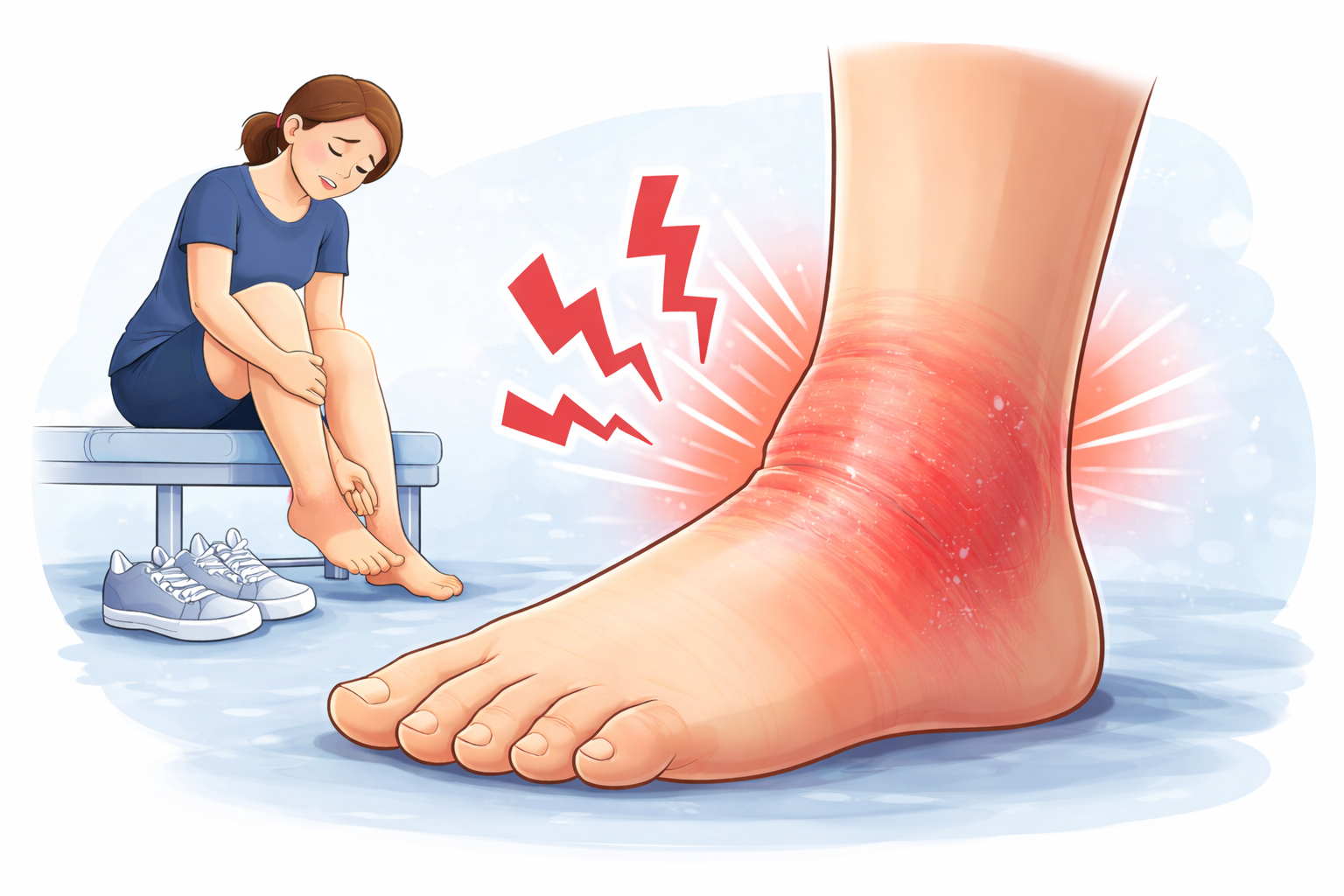
• Visible Bruising: A red or purple mark on the heel is a primary indicator.
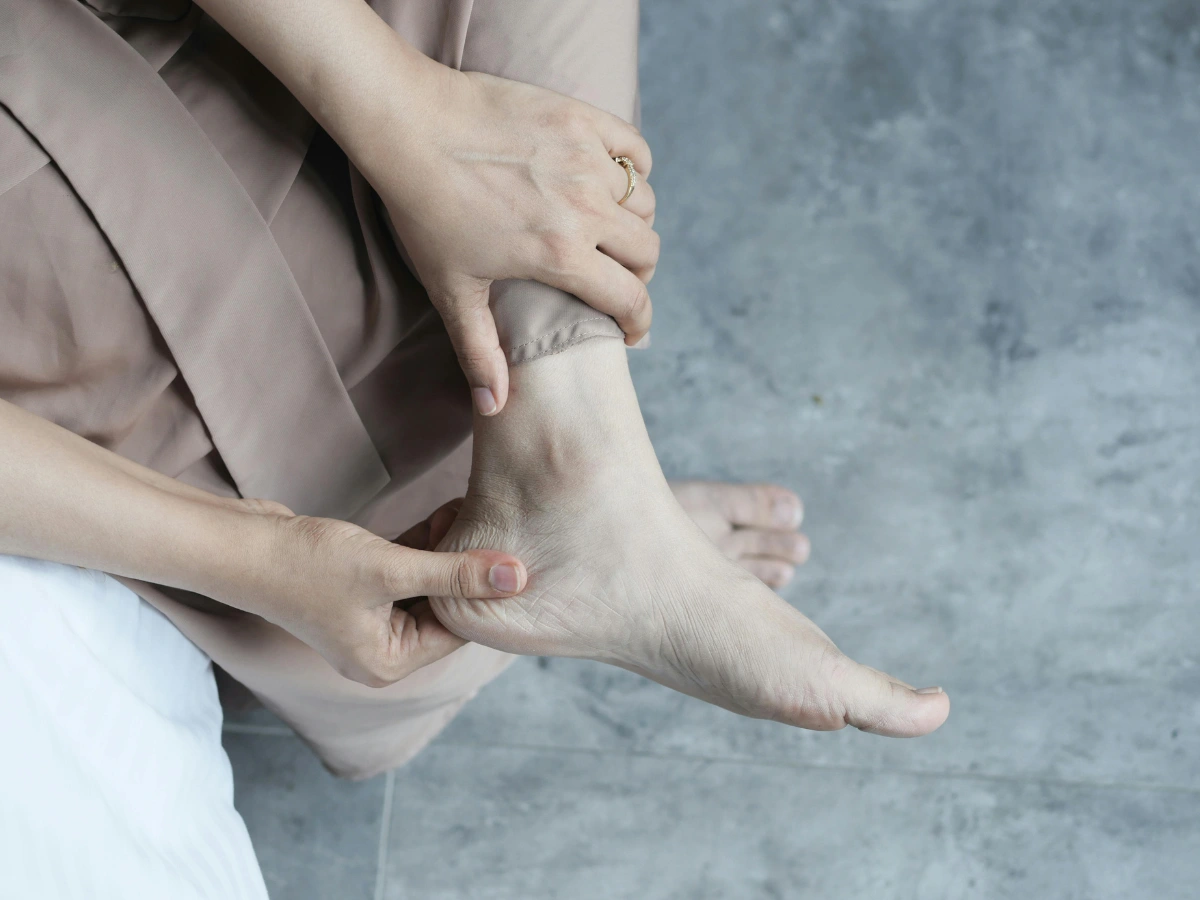
• Pain and Tenderness: A bruised heel typically presents sharp pain that worsens with pressure.
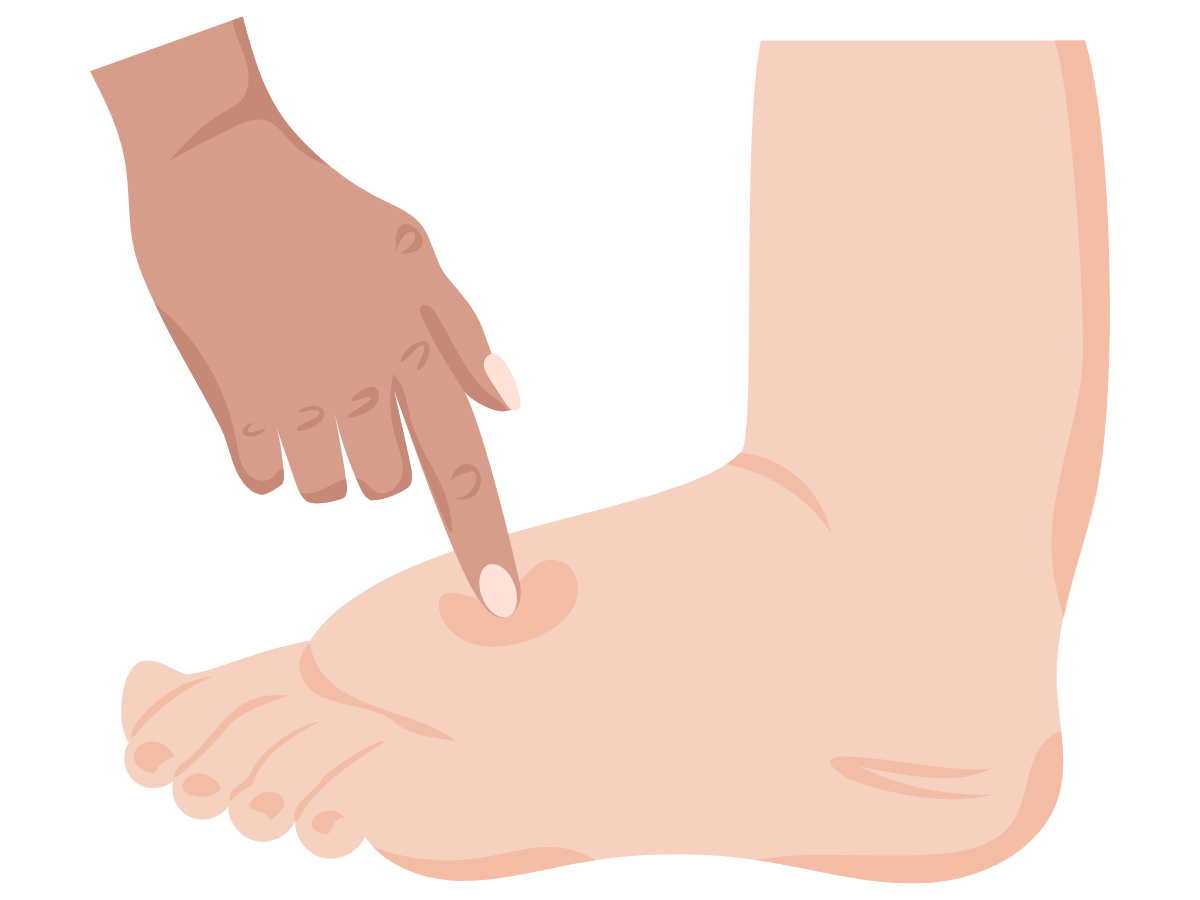
•Swelling: Inflammation around the heel is common.
• Difficulty Walking: Pain may hinder your ability to stand or walk comfortably.
These symptoms can help differentiate a bruised heel from other conditions, such as plantar fasciitis, which often causes morning pain.
Common Causes and Risk Factors
A bruised heel occurs due to trauma to the soft tissue, often related to:
• High-Impact Activities: Sports like running, basketball, or tennis can lead to repetitive stress on the heel.
• Acute Trauma: Sudden injuries from falls or high-impact landings can also cause bruising.
• Biomechanical Issues: Abnormal gait patterns may exacerbate heel injuries.
Risk factors include excessive body weight, inadequate footwear, and insufficient foot support. Proper footwear and maintaining a healthy weight are essential for preventing bruised heels.
The Anatomy of Heel Pain
Two key structures play roles in heel discomfort:
• Heel Fat Pad: This protective cushion absorbs shock and supports weight-bearing activities. Factors like age, injury, and improper footwear can weaken the fat pad, increasing the risk of bruising.
• Plantar Fascia: A thick band of tissue running across the bottom of the foot, stress on this structure can lead to different pain characteristics compared to heel fat pad injuries.
Understanding these anatomical components can aid in developing a tailored treatment plan for a bruised heel.

Treatment Options: From Home Remedies to Professional Care
Home Remedies for Relief
When dealing with a bruised heel, immediate home care is essential. Here are some effective strategies:
• Rest: Avoid putting weight on the affected heel to promote healing. Using crutches or a wheelchair can help reduce pressure.
• Ice Therapy: Apply ice packs wrapped in a cloth to the bruised area for 15-20 minutes multiple times a day to reduce swelling and pain.
• Elevation: Keep the foot elevated above heart level when resting to decrease swelling.
Footwear Considerations
Proper footwear is vital for heel health. Here are some tips for selecting shoes:
• Support and Cushioning: Choose shoes that provide adequate arch support and cushioning to absorb impact.
• Heel Height: A slight heel elevation can reduce stress on heel tissues.
• Avoid Flip-Flops: While they may seem comfortable, flip-flops often lack the support needed for a bruised heel. Opt for supportive sandals or shoes instead.
Seeking Professional Help
If home treatments are insufficient, consult a podiatrist or foot specialist. Persistent heel pain may indicate underlying conditions like heel spurs or plantar fasciitis that require professional assessment and intervention.
Advanced Treatment Options
In addition to traditional remedies, consider advanced treatment options such as:
• Physical Therapy: A tailored program can help improve flexibility and strength in the foot.
• Custom Orthotics: Personalized insoles can provide additional support and pain relief by addressing specific foot and gait issues.
Prevention Strategies: Keeping Your Heels Healthy
Footwear Maintenance
Proper shoe fit is crucial for preventing bruised heels. Here’s how to ensure your footwear is up to par:
• Fit and Comfort: Shoes should have enough room for your toes and provide a snug fit without being too tight.
• Regular Replacement: Over time, shoes lose their cushioning and support. Replace them regularly to maintain heel health.
Incorporating Exercise Wisely
Engaging in regular exercise can enhance foot health, but it’s essential to do so cautiously:
• Gradual Increase: When returning to physical activities, gradually increase intensity to avoid overuse injuries.
• Cross-Training: Incorporate low-impact activities like swimming or cycling to reduce stress on the heels while staying active.
Routine Foot Assessments
Regular foot assessments can help identify potential issues before they lead to injury. Look for signs of:
• Changes in Foot Structure: Be aware of any deformities or abnormalities.
• Early Signs of Pain: Pay attention to pain signals, especially during or after activity.
Creating a Healing Environment
Fostering a supportive home environment can also aid in recovery:
• Cushioned Surfaces: Use mats or rugs in high-traffic areas to soften the impact on your heels.
• Rearranging Spaces: Keep essential items within reach to minimize unnecessary movement and stress on the heel.
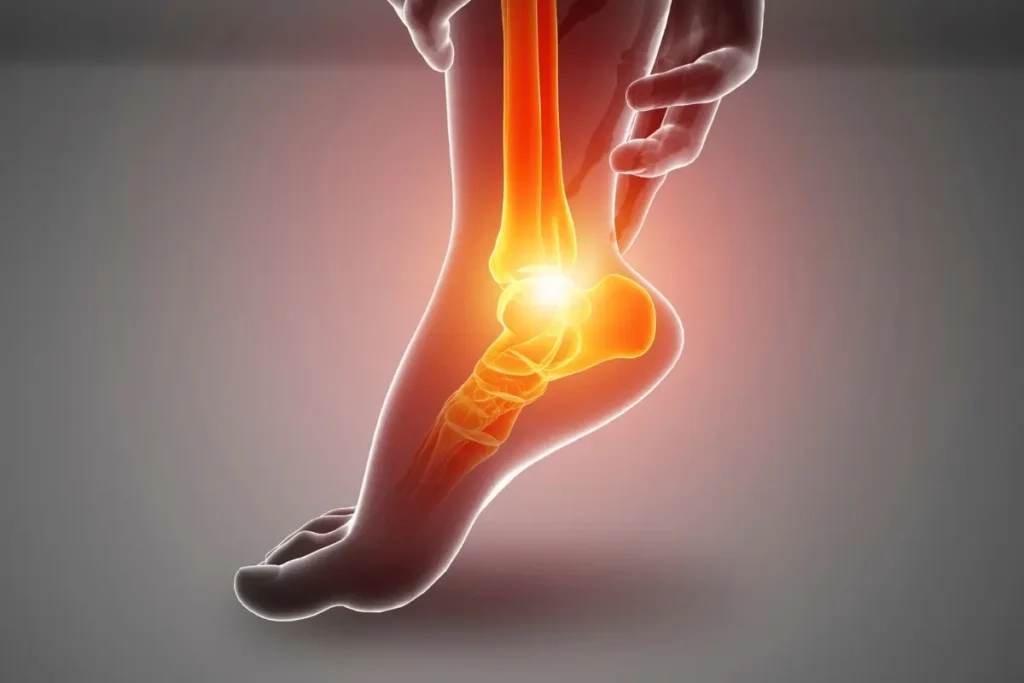
When to Seek Medical Attention for a Bruised Heel
Signs That Indicate a Need for Professional Evaluation
While many bruised heel cases can be managed at home, certain signs warrant a visit to a healthcare provider:
• Persistent Pain: If heel pain lasts more than a few days despite home care, it’s time to seek professional help.
• Increased Swelling: Significant swelling that doesn’t improve could indicate a more severe injury, such as a fracture.
• Difficulty Walking: If you experience increasing difficulty with weight-bearing activities or mobility, consult a specialist.
The Role of a Podiatrist
Podiatrists are experts in foot and ankle conditions and can provide a thorough evaluation and treatment plan. They may recommend:
• Diagnostic Imaging: X-rays or MRIs can help determine if there are fractures or soft tissue damage.
• Customized Treatment Plans: Based on your specific needs, they can design a comprehensive treatment plan that may include physical therapy, medication, or even surgical options if necessary.
Importance of Early Intervention
Early intervention can significantly impact recovery time and prevent complications. By seeking medical attention when needed, you can ensure that any underlying issues are addressed, leading to a more effective and efficient recovery process.
Common Questions About Symptoms of a Bruised Heel
How long does a bruised heel take to heal?
A bruised heel generally takes 1-3 weeks to heal, but if the bone is bruised, it may take 2-6 weeks. If severe pain persists, consider a stress fracture or calcaneus fracture.
How do you tell if you have a bruised heel?
If you have pain in the bottom of your heel, redness or bruising on the outside, and experienced sudden trauma, you may have a bruised heel. Seek medical attention for accurate diagnosis.
Why does my heel feel bruised and hurt to walk?
It is possible that your heel feels bruised and hurts to walk due to excessive pressure or weight-bearing, leading to inflammation and bruising of the heel bone. This can result from a fall, accident, or repetitive stress during physical activities.
What is a heel bruise often caused by?
A bruised heel is often caused by injury to the heel fat pad or stress to the heel bone, which can result from acute causes such as jumping or falling from a height, or chronic causes like repetitive pounding on the foot, as seen in activities like running or playing sports.
What are the main causes of a bruised heel?
The main causes of a bruised heel include high-impact sports, repetitive stress activities, excess body weight, and poor footwear. Avoiding these factors can help prevent bruising.