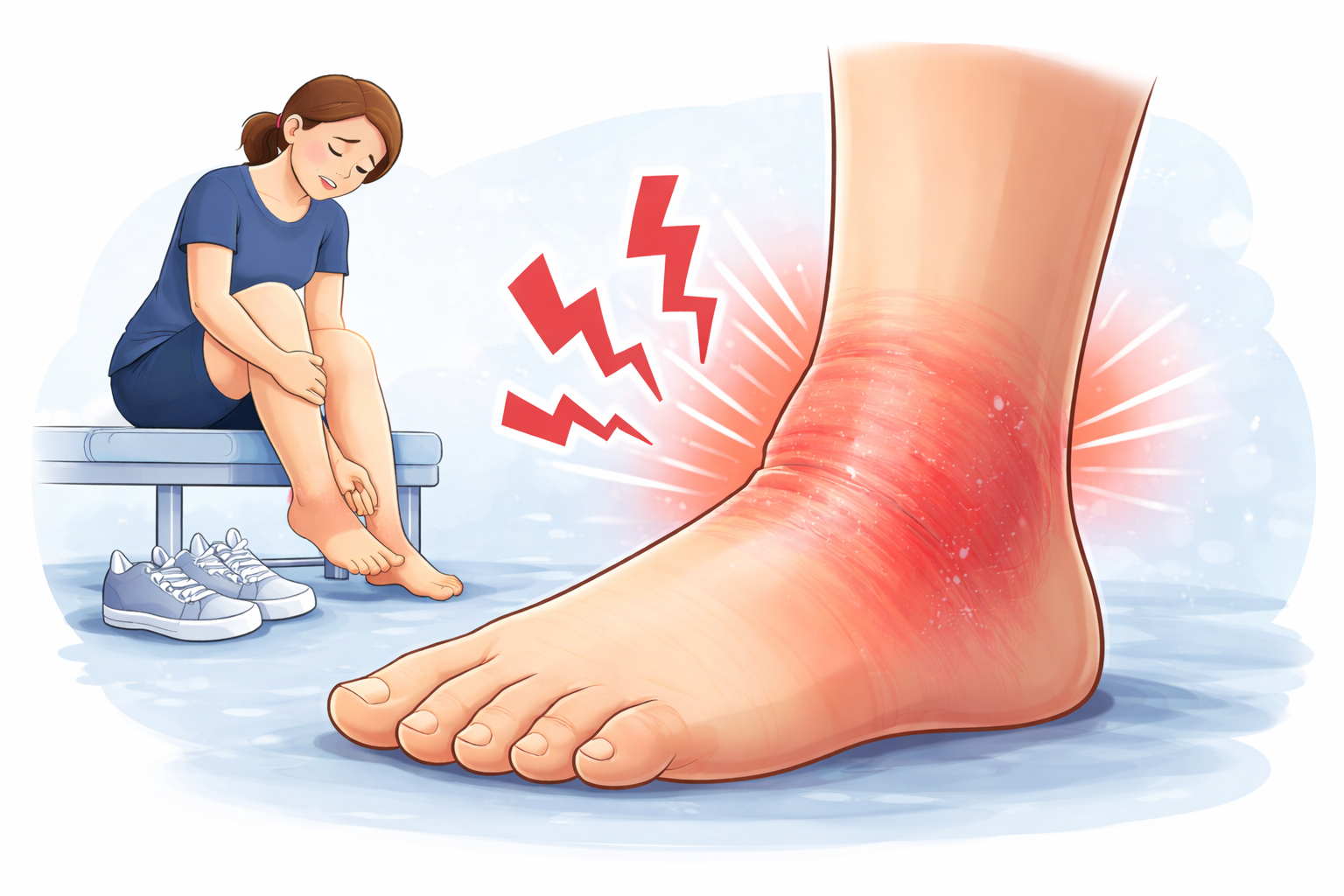
What are Swollen Feet and Ankles?

Swollen feet and ankles are a common issue that many people experience at some point in their lives. This swelling can be caused by a variety of factors, including fluid retention, poor blood flow, and underlying medical conditions.
When blood flow is restricted or fluid builds up in the tissues, it can lead to discomfort, tightness, and visible swelling in the feet and ankles. Sometimes, swelling is accompanied by other symptoms such as pain, redness, or warmth, which may indicate a more serious problem.
It’s important to recognize that swollen feet and ankles can sometimes signal an underlying health concern, such as heart disease, liver disease, or kidney disease. These conditions can cause the body to retain fluid, leading to persistent swelling.
If you notice sudden or severe swelling, or if swelling is accompanied by other symptoms like chest pain or shortness of breath, it’s crucial to seek immediate medical attention. Understanding the causes of swollen feet and ankles is the first step toward effective treatment and prevention.
Common Causes of Foot Swelling

Various factors, often linked to daily activities and lifestyle choices, can cause foot swelling. Prolonged standing, extended walking, or sitting in one position can all lead to swollen feet and ankles.
Standing or sitting for too long causes blood to pool in the lower extremities, resulting in fluid buildup and swelling in the lower legs. Excessive salt intake can also cause fluid retention, worsening the swelling.
Remaining in the same position for prolonged periods can cause mild swelling in the feet and ankles.
Injuries such as sprained ankles or fractures are common causes of foot swelling. Blood clots can stop the return flow of blood from the legs, causing swelling. Other causes include:
Inflammation is triggered by injuring your foot or ankle
Hot weather, due to changes in fluid distribution
Hormonal changes during pregnancy, menstruation, and menopause
Travel
Stress
Lymphedema, caused by a problem with lymphatic fluid drainage, often due to damage or removal of lymph nodes or lymph vessels, leading to swelling
Sometimes, foot swelling can indicate an underlying medical condition. Conditions like heart failure and liver disease can cause fluid to accumulate in the feet and ankles. Identifying these common causes helps pinpoint the reasons behind your swollen feet, paving the way for effective treatments.
If you have diabetes and you can diabetes management, it’s especially important to manage your condition carefully to prevent complications such as foot swelling and infections.
Regular movement or exercise is important for blood pumping, which helps maintain healthy circulation and prevent swelling.
Blood-Related Causes of Swelling
Certain blood-related conditions can directly lead to swelling in the feet and ankles. One of the most serious causes is a blood clot, which can form in the leg veins and block normal blood flow. When a blood clot develops, it can cause sudden swelling, pain, and redness in the affected leg.
Deep vein thrombosis (DVT) is a specific type of blood clot that forms in a deep vein, usually in the lower leg or thigh. DVT can cause significant swelling, warmth, and discomfort and requires prompt medical attention to prevent complications.
Varicose veins are another common blood-related cause of swelling. These enlarged, twisted veins can make it difficult for blood to return to the heart, leading to fluid buildup and swelling in the feet and ankles.
If you notice swelling that is persistent or associated with pain, it’s important to consult a healthcare provider. Wearing compression socks and elevating the affected leg can help reduce swelling and improve blood flow, but a medical evaluation is essential to rule out serious conditions and to treat blood clots effectively.
Medical Conditions Leading to Swollen Feet
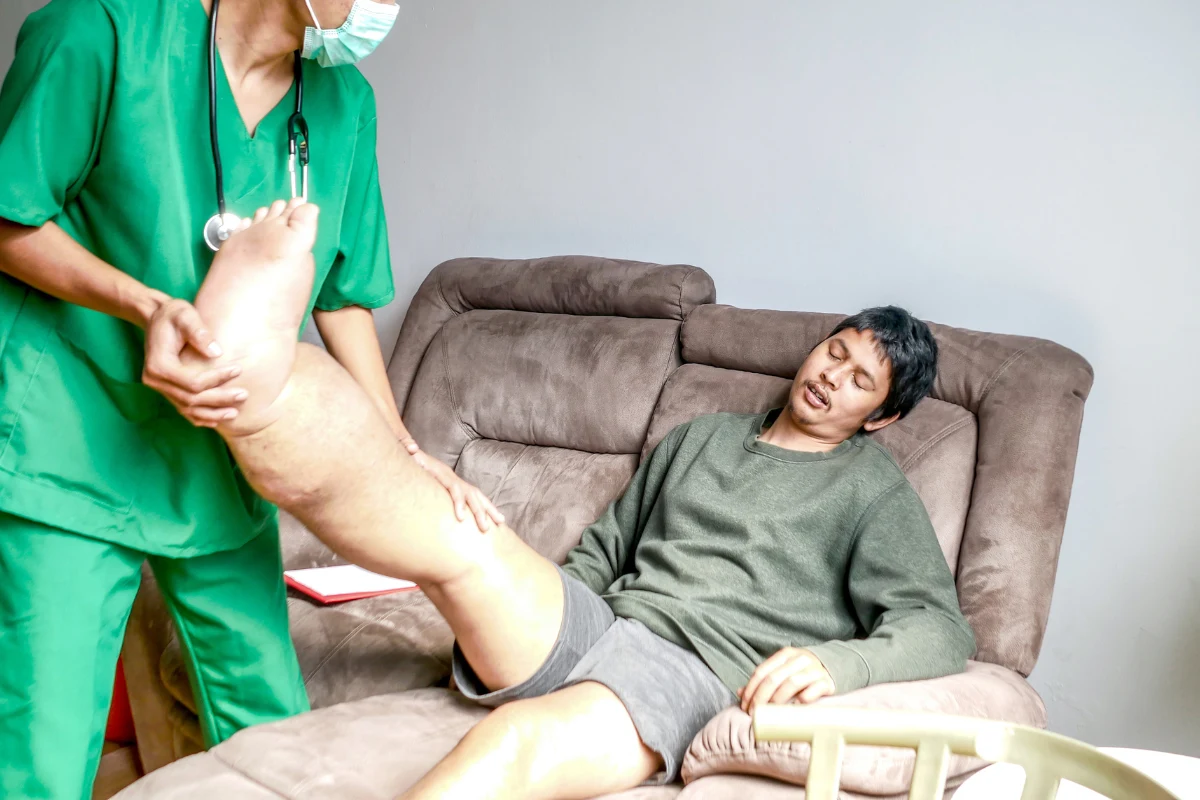
Swelling in the feet and ankles can be a symptom of more serious underlying medical conditions. One such condition is heart failure, particularly right-sided heart failure, which can lead to significant fluid retention and subsequent swelling in the lower extremities.
When the heart is not pumping blood effectively, fluid can accumulate in the tissues, causing the ankles to swell.
Kidney disease is another medical condition that can result in foot swelling. When the kidneys are not functioning properly, they fail to regulate fluid balance in the body, leading to fluid buildup and swelling in the legs and feet.
Similarly, liver disease, particularly cirrhosis, can cause fluid to leak and collect in the swollen ankles and feet due to impaired liver function. Kidney failure can also contribute to these symptoms.
Venous insufficiency is a condition where the veins in the legs struggle to transport blood back to the heart, often due to varicose veins. Weakened or damaged blood vessels in the legs can contribute to fluid leakage and swelling, making blood vessel health important for proper circulation and fluid regulation.
Acknowledging that foot swelling can indicate these medical conditions is key to seeking appropriate treatment and managing symptoms effectively.
Lifestyle Factors Affecting Foot Swelling
Lifestyle choices play a significant role in the development and management of foot swelling:
High salt intake significantly contributes to fluid retention, causing feet to swell.
Consuming salty foods can worsen conditions like venous insufficiency, increasing the risk of swollen feet.
Adopting a low-sodium diet can help prevent foot swelling.
Obesity is another lifestyle factor that contributes to foot swelling. The extra weight puts additional pressure on the legs, increasing the risk of fluid retention in the lower extremities, which can lead to swollen legs.
Regular exercise and a balanced diet can significantly reduce the risk of foot and ankle swelling. Physical activity enhances blood circulation, preventing swelling by encouraging blood flow back to the heart.
Prolonged sitting or standing can also lead to foot swelling. When you remain inactive for extended periods, blood pools in the veins, and fluid accumulates in the tissues.
Avoiding prolonged sitting or standing and taking regular breaks to move around can help manage foot swelling. These lifestyle adjustments are essential in reducing the frequency and severity of foot swelling.
Recognizing Symptoms of Foot Swelling
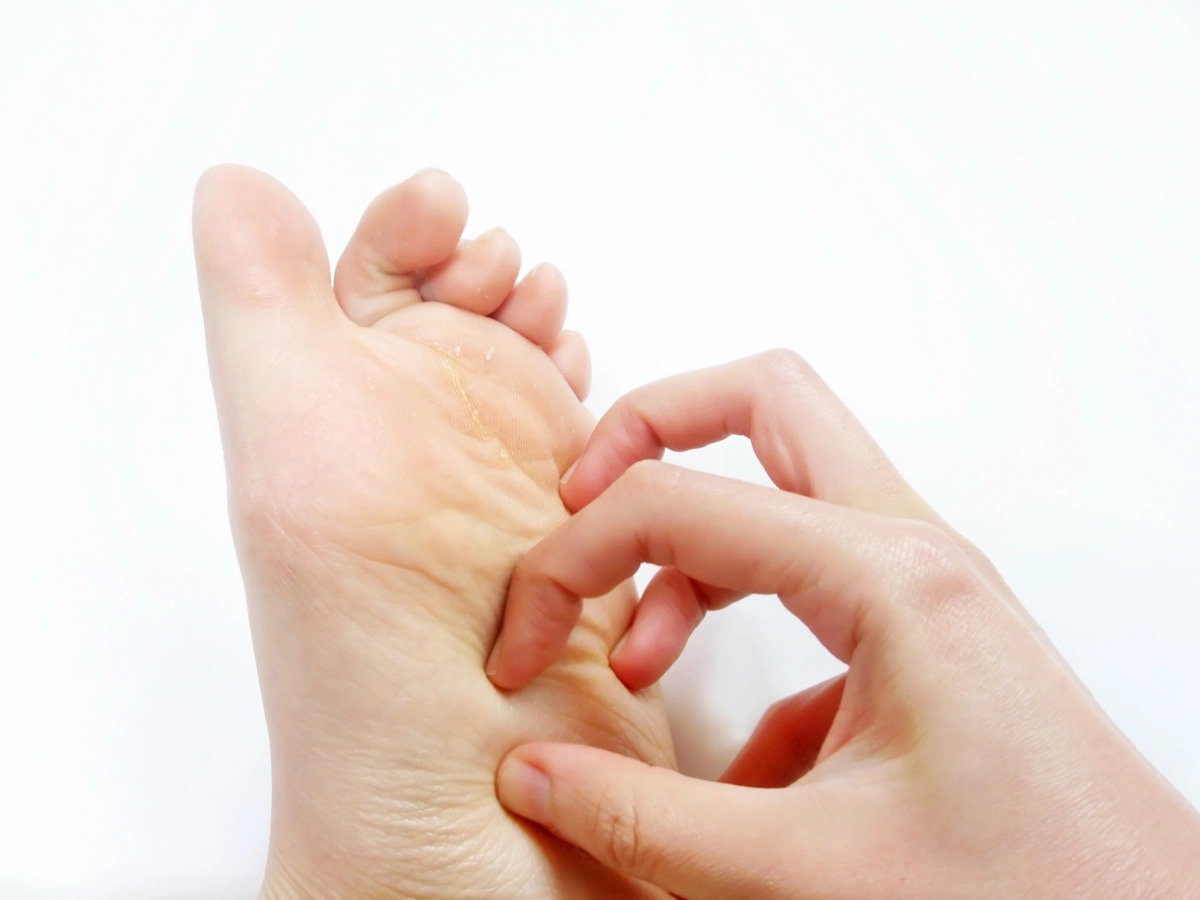
Identifying the symptoms of foot swelling is key for early intervention and management. Common symptoms include tightness, pain, warmth, and changes in skin texture.
In many cases, mild foot swelling at the end of the day is normal, especially if you have been on your feet for long periods.
However, severe swelling accompanied by symptoms such as swelling in one leg, pain, or changes in skin color may indicate a more serious issue, such as a blood clot, and requires immediate medical attention.
Concerning symptoms that should prompt you to seek medical attention are fever, skin warmth, and worsening swelling.
During late pregnancy, increased pressure on the veins can cause fluid retention and swelling, while itchy, red, and painful skin can indicate phlebitis and lymphatic fluid issues.
Pregnant individuals should seek immediate medical attention if swelling occurs suddenly, as it may indicate preeclampsia.
Knowing these symptoms helps you decide when to manage foot swelling at home and when to seek professional help.
Self-Care Tips to Reduce Foot Swelling

Effective self-care strategies can significantly reduce foot swelling and improve comfort. Key methods for managing foot swelling at home include elevating your feet, wearing compression socks, reducing salt intake, and using home remedies. Using ice packs on swollen areas may provide temporary relief from swelling.
These strategies promote better blood flow, prevent fluid buildup, and reduce the occurrence of swollen feet and ankles.
Elevate Your Feet
Elevating your feet above heart level enhances circulation and reduces swelling. Propping up your feet on pillows while resting can alleviate pressure on the heart and encourage fluids to return to the upper body. This simple yet effective self-care strategy can make a significant difference in managing foot swelling and improving overall comfort.
To reduce the risk of swelling:
Avoid sitting in the same position for long periods.
Refrain from crossed legs, as these habits can impede blood flow.
Take regular breaks to elevate your feet.
Wear comfortable shoes, such as wide, supportive footwear, to alleviate discomfort from swollen feet.
Incorporating foot elevation into your daily routine is essential for managing foot swelling and promoting better blood circulation.
Wear Compression Socks
Compression therapy can help manage swelling in the feet and ankles by improving blood circulation and preventing fluid accumulation. Wearing compression garments, such as compression stockings, can alleviate swelling, especially if you are unable to take frequent standing breaks.
These stockings provide the necessary support to reduce swelling and enhance comfort by promoting better blood flow in the legs.
Compression socks are available in various compression levels, allowing for personalized comfort and effectiveness. They are particularly beneficial for individuals with conditions such as:
Varicose veins
Deep vein thrombosis
Chronic venous insufficiency
Incorporating compression socks into your daily routine effectively manages foot swelling and improves overall leg health.
Reduce Salt Intake
High sodium intake increases fluid retention in the body, leading to increased foot swelling. The American Heart Association recommends a maximum daily sodium intake of 2,300 milligrams, equivalent to one teaspoon.
Choosing fresh produce over processed foods significantly decreases sodium consumption, and eating salty foods reduces swelling. For more information on dietary choices, you can explore our guide on the top foods that reduce swelling in feet and ankles. However, consuming too much salt can exacerbate these issues.
A low-sodium diet helps manage foot swelling and benefits overall health by reducing the risk of high blood pressure and related conditions. Mindful salt intake and healthier food choices play a crucial role in preventing fluid retention and maintaining healthy feet.
Preventing Swollen Feet and Ankles
Taking proactive steps can help prevent swelling in the feet and ankles before it starts. One of the most effective strategies is to improve blood flow by staying active—regular exercise, such as walking, helps keep blood moving and reduces the risk of fluid buildup.
Wearing comfortable shoes that provide good support can also help reduce swelling, especially if you spend a lot of time on your feet.
Limiting salt intake is another important preventive measure, as consuming excessive salt can cause the body to retain fluid and exacerbate swelling. Opt for a low-sodium diet and limit your intake of salty foods whenever possible.
If you have underlying conditions like heart disease, liver disease, or kidney disease, managing these with the help of your healthcare provider is crucial. Monitoring your blood pressure and adjusting blood pressure medicines as needed can also help prevent swelling.
Finally, avoid prolonged standing or sitting, and take breaks to move around and stretch your legs to keep blood flowing and reduce swelling.
Special Considerations
Some individuals are at higher risk for swelling in the feet and ankles and should take extra care to prevent and manage it.
People with a family history of venous insufficiency, pregnant women, and those who are overweight or obese are more likely to experience swelling.
For these groups, wearing compression socks, elevating the legs regularly, and avoiding salty foods can make a significant difference in reducing swelling.
It’s also important to be vigilant for other symptoms that may accompany swelling, such as chest pain or shortness of breath.
If swelling persists or is severe, or if you experience symptoms like chest pain, seek immediate medical attention, as this could indicate a serious condition such as kidney failure or liver failure.
Early intervention and proper management are key to preventing complications and maintaining healthy feet and ankles.
How Can You Manage Swelling in Extreme Conditions?
Swelling in the feet and ankles can become more pronounced in extreme conditions, such as during hot weather or after prolonged periods of standing. How can you effectively manage swelling in these situations?
It’s important to stay hydrated, wear lightweight and loose-fitting clothing, and take regular breaks to rest and elevate your legs. These steps help reduce fluid buildup and keep swelling under control.
Avoiding salty foods and wearing compression socks can further help reduce swelling, especially if you know you’ll be on your feet for extended periods.
If you experience severe swelling, it’s essential to seek medical attention to rule out underlying medical conditions. Both the American Cancer Society and the National Health Service recommend taking regular breaks and staying hydrated to prevent swelling in extreme conditions.
Maintaining a low-sodium diet and working to lose weight if needed can also help reduce your risk. If you experience swollen feet or ankles that do not improve, contact your healthcare provider or doctor immediately to ensure you receive the appropriate care and treatment.
When to Seek Medical Attention

Mild foot swelling can often be managed at home, but certain symptoms require immediate medical attention:
Difficulty moving the affected leg or foot
Localized swelling with discomfort
Swelling accompanied by fever
Unexplained swelling in only one leg, which could indicate a serious condition like a blood clot or a swollen foot. Blood clots can break loose and travel to the lungs, causing a life-threatening emergency that requires immediate treatment.
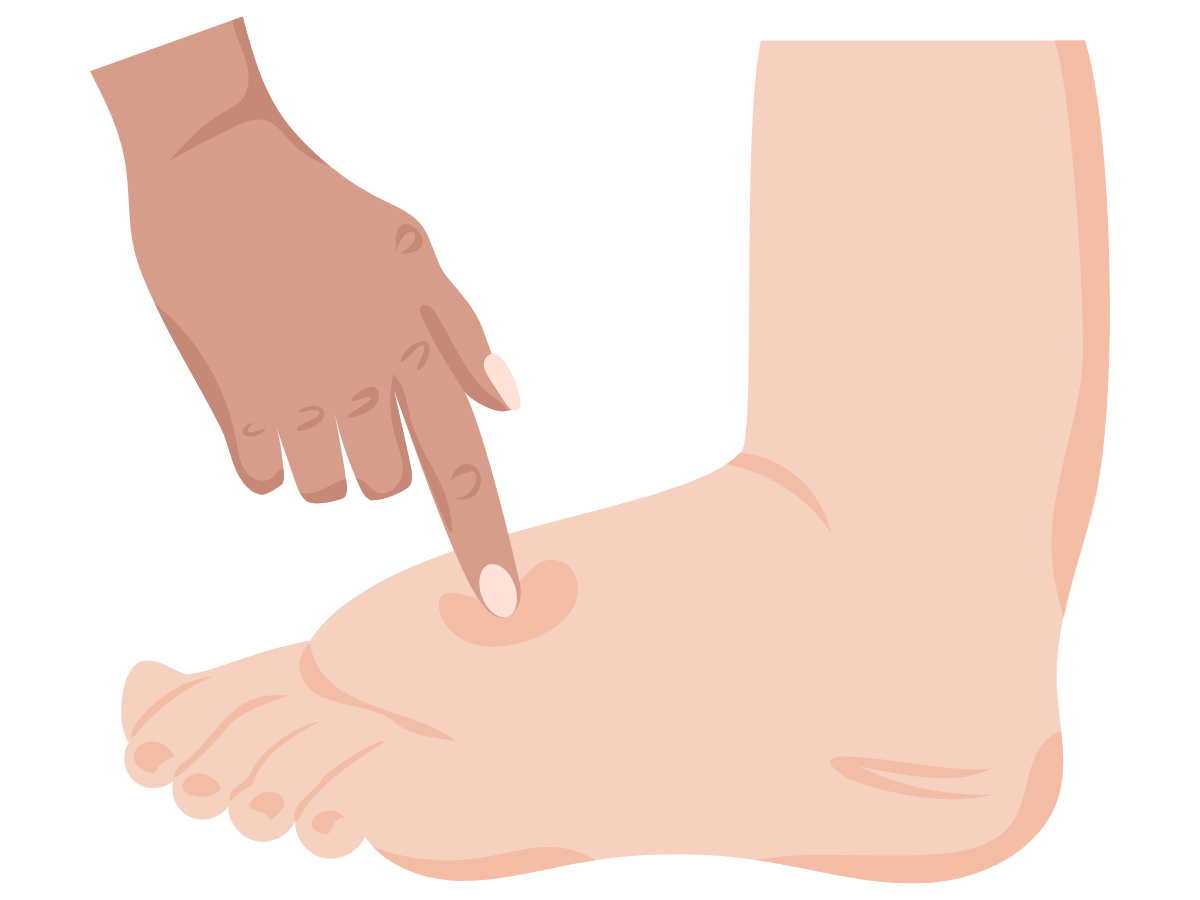
Pitting edema, where pressing on the swollen area leaves an indent
Difficulty moving the affected leg or foot
Localized swelling with discomfort
Swelling accompanied by fever
Unexplained swelling in only one leg, which could indicate a serious condition like a blood clot or a swollen foot
If you experience any of these other symptoms, you should consult a healthcare provider immediately in case of a medical emergency.
Sudden changes in foot swelling during pregnancy necessitate a medical evaluation. Sudden swelling accompanied by chest pain or difficulty breathing requires urgent medical assistance, as these symptoms may indicate an emergency. Persistent swelling that worsens over time may indicate an underlying health concern and should not be ignored.
Changes in skin texture or color near swollen areas, and signs of infection such as warmth or redness in the surrounding tissue, should be reported to a healthcare provider.
Regular or persistent swelling, especially with other concerning symptoms, warrants a doctor’s visit to check for underlying causes. Awareness of these serious symptoms helps you seek timely medical attention and prevent complications.
Treatment Options for Persistent Swelling
Treatment for persistent swelling may depend on the underlying cause of the condition. Options include medications, lifestyle changes, and medical devices to treat swelling; if swelling persists, further evaluation may be necessary.
Addressing the root cause of the swelling and implementing effective treatment strategies can significantly reduce swelling and improve overall foot health.
Medications
Medications play a crucial role in managing persistent foot swelling. Loop diuretics, often the first choice, help the kidneys remove excess fluid from the body, reducing swelling in the lower extremities.
Consult a healthcare provider before stopping any medications that may cause swelling. Your doctor can adjust the dosage or prescribe an alternative medication. Medications may also be necessary to treat underlying conditions such as heart failure, kidney disease, or liver disease, which contribute to foot swelling.
Prescription medications should be taken as directed by your healthcare provider to ensure the best outcomes. Following your doctor’s advice and taking prescribed medications effectively manages foot swelling and improves overall health.
Lifestyle Changes
Lifestyle changes are crucial in managing foot swelling and preventing its recurrence. Gentle exercises like walking promote better blood flow, reducing foot swelling. Regular physical activity prevents blood from pooling in the lower extremities and encourages fluid movement.
Maintaining a healthy weight is another crucial lifestyle change that can significantly reduce the stress on your feet and decrease swelling. A balanced diet rich in nutrients not only supports overall health but also helps manage fluid retention and can help you lose weight, while also addressing fluid buildup.
Additionally, reducing alcohol consumption can prevent the body from retaining excess water, which contributes to swelling in the feet and ankles.
These lifestyle adjustments effectively manage foot swelling and improve your quality of life.
Medical Devices
Medical devices like compression garments reduce swelling in the feet and ankles by applying pressure, promoting better blood circulation, and reducing fluid accumulation. Compression socks come in various levels, allowing for personalized comfort and effectiveness.
These devices are particularly beneficial for individuals with conditions like venous insufficiency, chronic venous insufficiency, or those at risk of developing blood clots. Using compression garments effectively manages foot swelling and improves overall leg vein health.
Consult your healthcare provider to determine the most suitable medical device for your condition.
Evolve Health: Your Partner in Foot Care

Evolve Health provides expert podiatry and multi-specialty care, focusing on foot and ankle health. With clinics located throughout major cities in Florida and Texas, Evolve Health Services offers accessible and personalized treatment plans tailored to each patient’s individual needs.
Keeping your feet clean and moisturized can help prevent infections that exacerbate swelling. The highly skilled Doctors at Evolve Health provide compassionate care, ensuring optimal foot health for their patients.
Patients can expect a welcoming environment designed to enhance their comfort, equipped with modern technology. First-time visitors at Evolve Health experience healthcare that feels distinctly positive, making their visit pleasant and reassuring.
For those seeking expert foot care, Evolve Health is your trusted partner.
Summary
In summary, understanding the common causes and symptoms of foot swelling is crucial for effective management and treatment.
By incorporating self-care tips, recognizing when to seek medical attention, and exploring various treatment options, you can significantly reduce foot swelling and improve your overall foot health.
Remember, proper foot care is essential for maintaining comfort and preventing complications. Take the necessary steps to care for your feet, and enjoy the benefits of healthier, happier feet.
Frequently Asked Questions
What lifestyle changes can help reduce foot swelling?
To effectively reduce foot swelling, consider regular exercise, maintaining a healthy weight, and adopting a low-sodium diet. These lifestyle changes can significantly contribute to managing and alleviating the condition.
When should I seek medical attention for foot swelling?
You should seek medical attention for foot swelling if you have difficulty moving the affected foot, experience localized swelling with discomfort, or notice swelling accompanied by fever, unexplained swelling in one leg, chest pain, or difficulty breathing. It is critical to address these symptoms promptly to ensure your health and safety.
How do compression socks help with foot swelling?
Compression socks enhance blood circulation and reduce fluid accumulation in the legs and feet, thereby alleviating swelling and promoting comfort.
What role do medications play in managing foot swelling?
Medications, particularly loop diuretics, play a crucial role in managing foot swelling by eliminating excess fluid from the body and addressing underlying conditions. This leads to a significant reduction in swelling and improved comfort.
What services does Evolve Health offer for foot care?
Evolve Health offers comprehensive services in foot care, including expert podiatry, sports medicine, pediatric foot care, and wound care, all designed to create personalized treatment plans for each patient.