Understanding Foot Nerves and Their Role in Sensation
The Complex Network of Foot Nerves
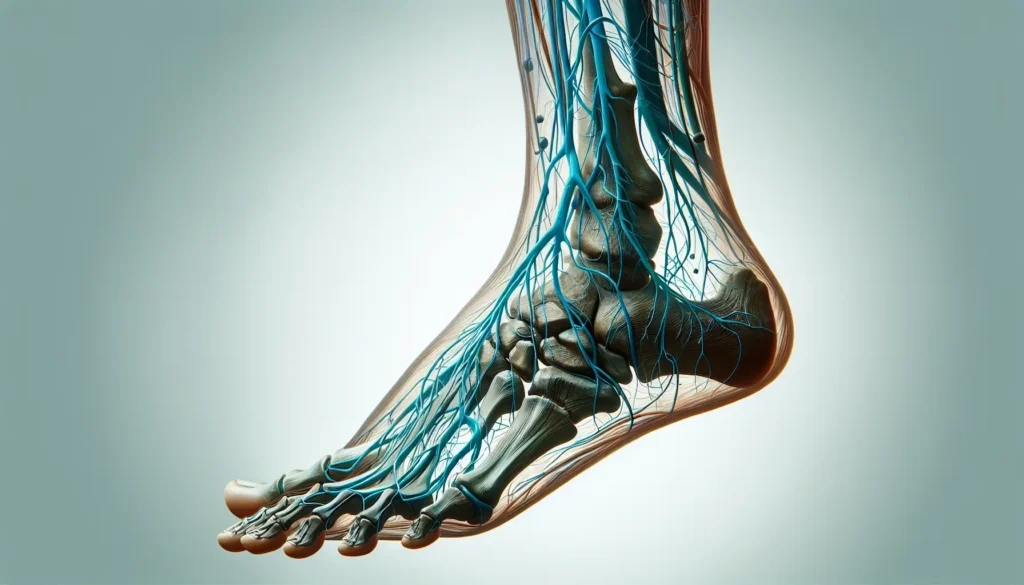
The foot contains a vast network of nerves that enable both movement and sensation. These nerves originate from the sciatic nerve, which branches into the tibial and fibular nerves. These further divide into several smaller nerves, including the medial and lateral plantar nerves, which are essential for sensation and motor control in the feet. Each nerve has a specific role in foot function:
• Medial plantar nerve: Senses the inner sole of the foot.
• Lateral plantar nerve: Controls sensation on the outer sole.
• Sural nerve: Senses the outside of the foot.
• Saphenous nerve: Responsible for sensations along the inner border of the foot.
The Peripheral Nervous System and Foot Sensation
The peripheral nervous system, which includes sensory and motor nerves, coordinates foot movement and sensation. Sensory nerves provide the feeling of touch, pain, and pressure, while motor nerves control movements like flexing the toes and maintaining balance. This communication between the foot’s sensory nerves and the brain enables you to perceive the world beneath your feet and move with precision.
How Foot Nerves Communicate with the Brain
The foot’s nerve signals travel to the brain through the spinal cord, where they are processed and returned as movement commands. For example, when you step on a sharp object, sensory nerves transmit pain signals to the brain, prompting you to withdraw your foot. This complex interaction keeps your body responsive and balanced during walking or running.
Recognizing Symptoms of Nerve Disorders in the Foot
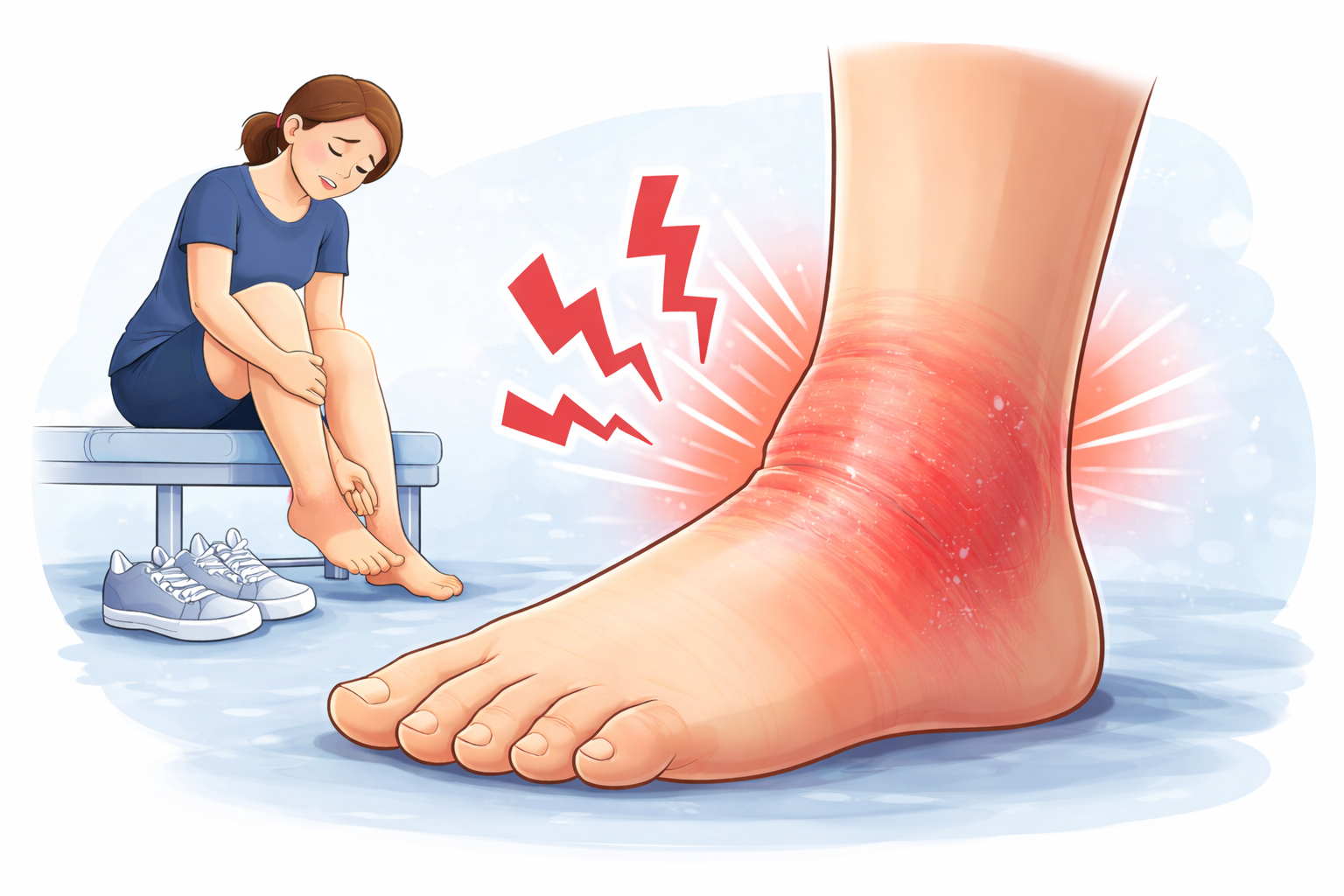
Symptoms of nerve damage can vary from sharp, shooting pains to tingling or complete numbness. Conditions like tarsal tunnel syndrome can cause pain in the arch or heel of the foot, which worsens with activity. If you notice persistent pain, tingling, or a loss of balance, it may indicate a serious nerve issue requiring medical attention.
Common Causes of Nerve Pain in the Feet
Nerve Entrapment and Compression
Nerves can become entrapped or compressed in the foot due to repetitive motion or structural issues, leading to pain. Baxter’s neuropathy, for example, occurs when a nerve is pinched under the arch of the foot, causing sharp pain and discomfort. Prolonged pressure on nerves can also result in peripheral neuropathy, a condition where nerves are damaged or function poorly.
Underlying Health Conditions
Several health conditions can cause foot nerve pain, such as diabetes, which often leads to diabetic neuropathy. Autoimmune diseases like lupus or rheumatoid arthritis can also trigger nerve pain by causing inflammation that compresses or damages nerves. Even infections like Lyme disease or shingles can cause neuropathy.
Impact of Lifestyle Choices
Uncontrolled diabetes, poor diet, excessive alcohol consumption, and smoking are major contributors to nerve damage. A lack of essential nutrients, particularly vitamin B12, can weaken nerve function and exacerbate neuropathy symptoms. On the flip side, maintaining a healthy diet, limiting alcohol intake, and quitting smoking can reduce the risk of nerve damage and promote overall foot health.
Repetitive Stress and Trauma
Repetitive activities like running or standing for long periods can lead to nerve inflammation. Trauma from injuries or surgeries may also disrupt the nerve function in the foot, leading to chronic pain or numbness. Proper footwear and taking regular breaks during repetitive activities can prevent nerve stress and reduce the risk of pain.
Treatment Options for Foot Nerve Pain Relief
Non-Surgical Treatments
If you’re struggling with foot nerve pain, there are a variety of non-surgical options available. Medications such as anti-inflammatories or antidepressants can help manage nerve pain. Physical therapy is another key treatment, focusing on stretching and strengthening exercises to relieve pressure on the nerves. Electrical stimulation through Transcutaneous Electrical Nerve Stimulation (TENS) therapy is also effective in reducing pain by interrupting nerve signals.
Surgical Interventions for Severe Cases
In more severe cases, surgery may be necessary to relieve nerve compression. Peripheral neuropathy surgery aims to decompress the nerves in the foot, alleviating pain and restoring sensation. With a success rate of 90% for pain relief and 70% for sensation restoration, surgery offers a viable solution for patients whose symptoms do not improve with conservative treatment.
Home Remedies for Relief
Simple home remedies can provide temporary relief from nerve pain. Foot soaks with Epsom salts or essential oils can reduce inflammation and improve circulation. Wearing specialized neuropathy socks can also offer cushioning and reduce friction that aggravates nerve pain. Additionally, topical creams containing capsaicin or lidocaine can be applied to reduce discomfort.
Alternative Therapies
Many individuals find relief through alternative therapies such as acupuncture, essential oil massages, or supplements like turmeric. These therapies aim to reduce inflammation and improve overall nerve function. Consulting with a healthcare provider before starting any alternative treatment is essential to ensure it complements your primary care plan.
Prevention and Ongoing Foot Nerve Health Management
Tips for Preventing Nerve Pain
Preventing foot nerve pain starts with adopting a healthy lifestyle. A balanced diet rich in fruits, vegetables, whole grains, and lean proteins can improve nerve function. Anti-inflammatory foods like omega-3 fatty acids, found in fatty fish and flaxseed, are particularly beneficial for nerve health. Proper footwear, such as shoes with wide, firm soles, can reduce pressure on foot nerves and prevent pain.
Risk Factors and Mitigation
Certain risk factors, such as uncontrolled diabetes or vitamin deficiencies, can increase the likelihood of developing foot nerve pain. Regular medical check-ups and blood sugar monitoring are essential for managing these conditions. Additionally, foot inspections can help detect early signs of nerve damage, such as wounds or calluses, before they escalate into more severe issues.
The Role of Podiatrists in Nerve Pain Relief
Podiatrists are specialists in foot health and can provide valuable guidance in diagnosing and treating nerve pain. Whether you need conservative care, physical therapy, or surgical options, a podiatrist will tailor a treatment plan that addresses your specific symptoms. Regular visits to a podiatrist are crucial for managing chronic conditions like diabetic neuropathy or tarsal tunnel syndrome.
Long-Term Foot Nerve Health
Maintaining foot nerve health is an ongoing process. Regular exercise, a healthy diet, and avoiding harmful habits like smoking or excessive drinking are vital for long-term nerve function. Staying proactive about foot health, including routine visits to a podiatrist, ensures that any nerve issues are caught and treated early.

Common Questions About Symptoms of foot nerve damage
What are the symptoms of nerve damage in your feet?
Nerve damage in your feet can cause symptoms such as numbness, tingling, and weakness. Be sure to seek medical attention if you experience these signs.
What is the major nerve in the foot?
The major nerve in the foot is the common peroneal nerve, which also controls the muscles that lift the ankle and toes upward.
What does a pinched nerve in the foot feel like?
A pinched nerve in the foot can cause burning, aching, or electric shock-like pain, which may worsen with activity or even be constant at rest. It may also result in tingling, pins and needles sensation, and muscle weakness in the affected area.
What aggravates nerves in foot?
Morton’s neuroma is a common condition that aggravates nerves in the foot, causing constant burning or pain in the ball of the foot. It can be caused by injury, stress on the foot, diabetes, or autoimmune diseases.
What are the symptoms of nerve disorders in the foot?
If you experience persistent pain, tingling, or loss of sensation in your foot, along with balance or weakness issues, it’s crucial to seek immediate medical attention to address nerve disorder symptoms.