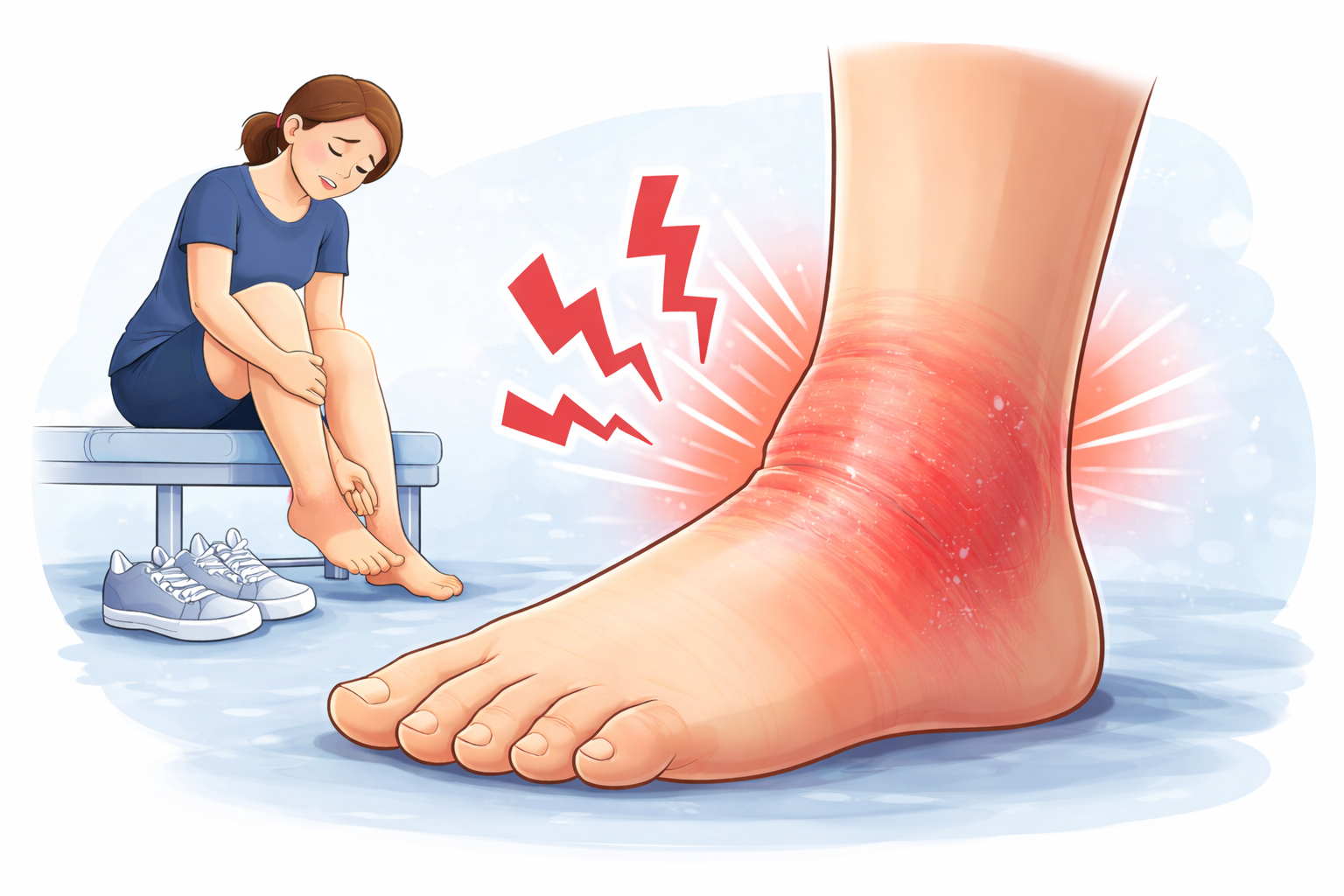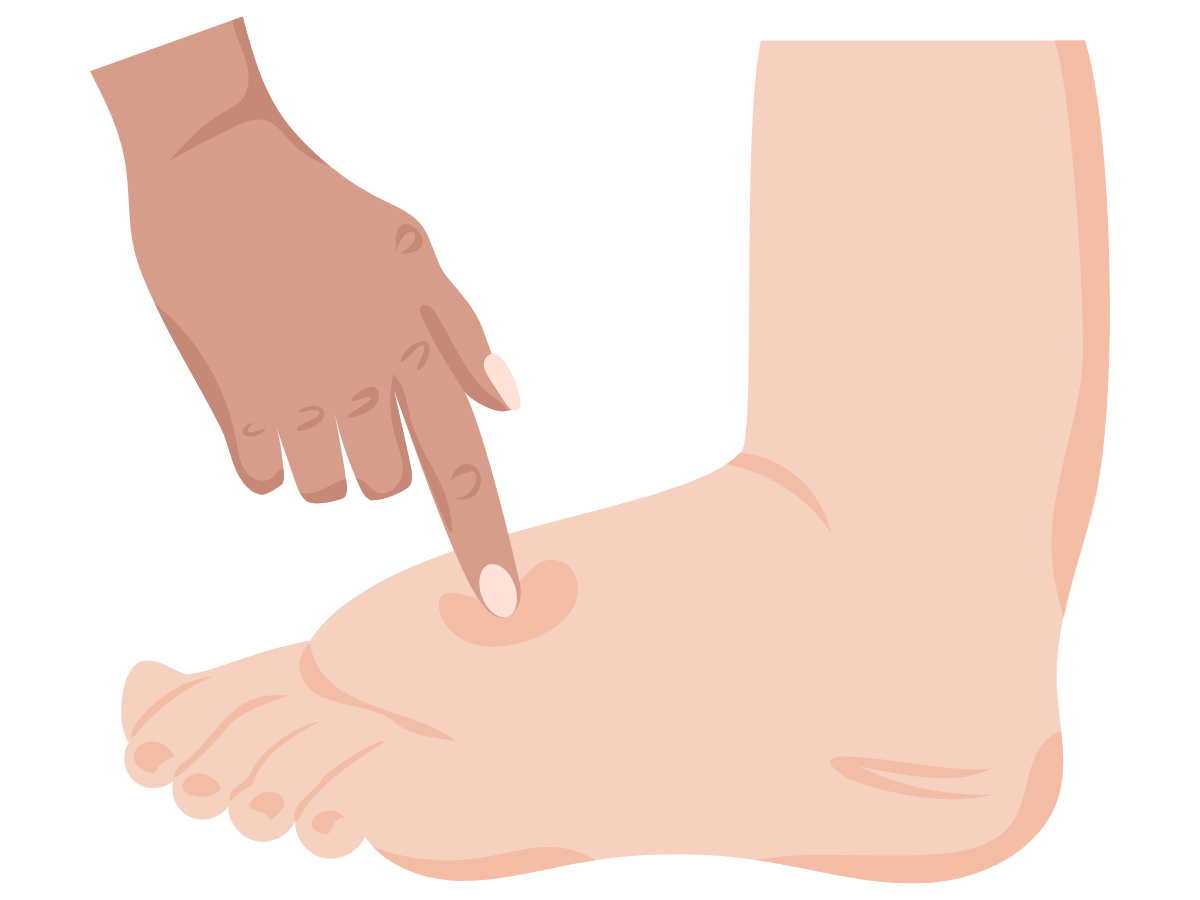
What Are Ingrown Toenails?
An ingrown toenail develops when the nail edge grows into the skin at the nail border, causing pain, redness, swelling, and potential infection if left untreated. This typically happens as the toenail grows and penetrates the nail fold, which is the area of skin surrounding the sides of the nail.
Though commonly affecting the big toe, ingrown toenails can occur on any toe. Ingrown toenails are classified as nail diseases, and authoritative sources such as Habif’s Clinical Dermatology provide detailed information on their diagnosis and management.
If you are experiencing discomfort, it might be a sign that your toenail grows into the surrounding skin, particularly at the nail fold. For more information on this condition, you can check out the comprehensive guide on toenail problems at Evolve Health.
In the following sections, we will discuss ingrown toenails symptoms causes and toenails symptoms causes to help you better understand this condition.
Common Causes of Ingrown Toenails
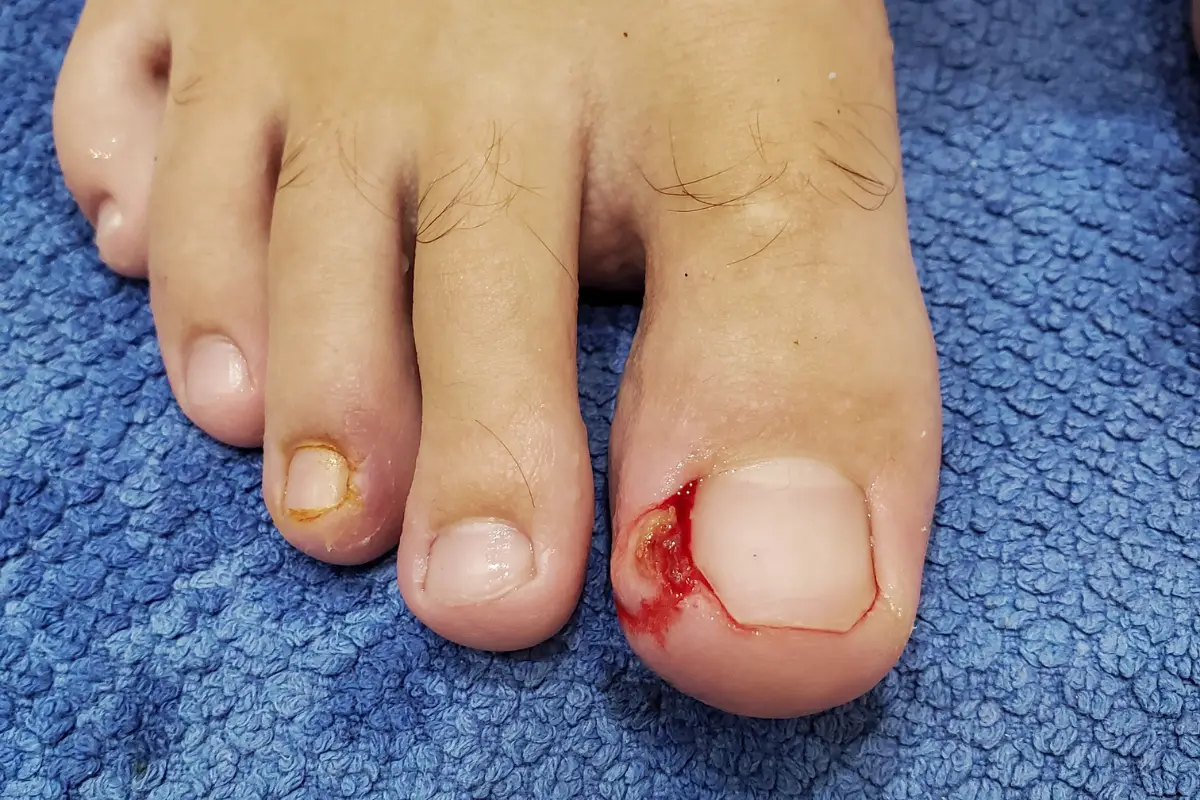
Causes of ingrown toenails include improper nail trimming, wearing tight shoes, injury to the toe, and genetic predisposition. Understanding these causes can help in both treatment and prevention.
Injuries such as a cut, scrape, corn, or callus can also increase the risk of developing ingrown toenails, especially for individuals with diabetes.
Improper Nail Trimming
Trimming your nails too short or rounding the edges can result in sharp spicules that pierce the surrounding skin as the nail grows. To avoid this, always trim your toenails straight across, ensuring the length is level with the tip of your toe.
Tight Footwear and Foot Pressure
Wearing shoes that crowd or compress the toes, such as tight shoes or high heels can cause pressure on the nail plate, forcing it to curve abnormally.
It is important to wear shoes that fit properly, as wearing shoes that do not fit can contribute to the development of ingrown toenails. To help prevent ingrown toenails, wear shoes with ample room for your toes.
For a better understanding of how tight footwear affects foot health, visit our foot care tips page.
Trauma and Injury
Repetitive stress from sports or injuries can also lead to ingrown toenails. Athletes, in particular, are at higher risk due to the repetitive pressure placed on the feet.
Risk Factors for Ingrown Toenails
Some individuals may be more predisposed to developing ingrown toenails. Certain conditions or habits can heighten the risk. These include:
Medical Conditions: Conditions like diabetes or peripheral vascular disease can hinder proper healing, making ingrown toenails harder to manage and increasing the risk of infection.
Genetic Factors: Some people inherit nail shapes that are more prone to developing ingrown nails.
Footwear: Wearing shoes that don’t fit properly can create additional pressure on the toes.
If you’re looking for specialized care, our Doctors can help assess and treat underlying conditions that might increase your risk.
To prevent complications from spreading or worsening, consider spreading your health care by consulting a healthcare provider if you experience severe pain or signs of infection.
Symptoms of Ingrown Toenails
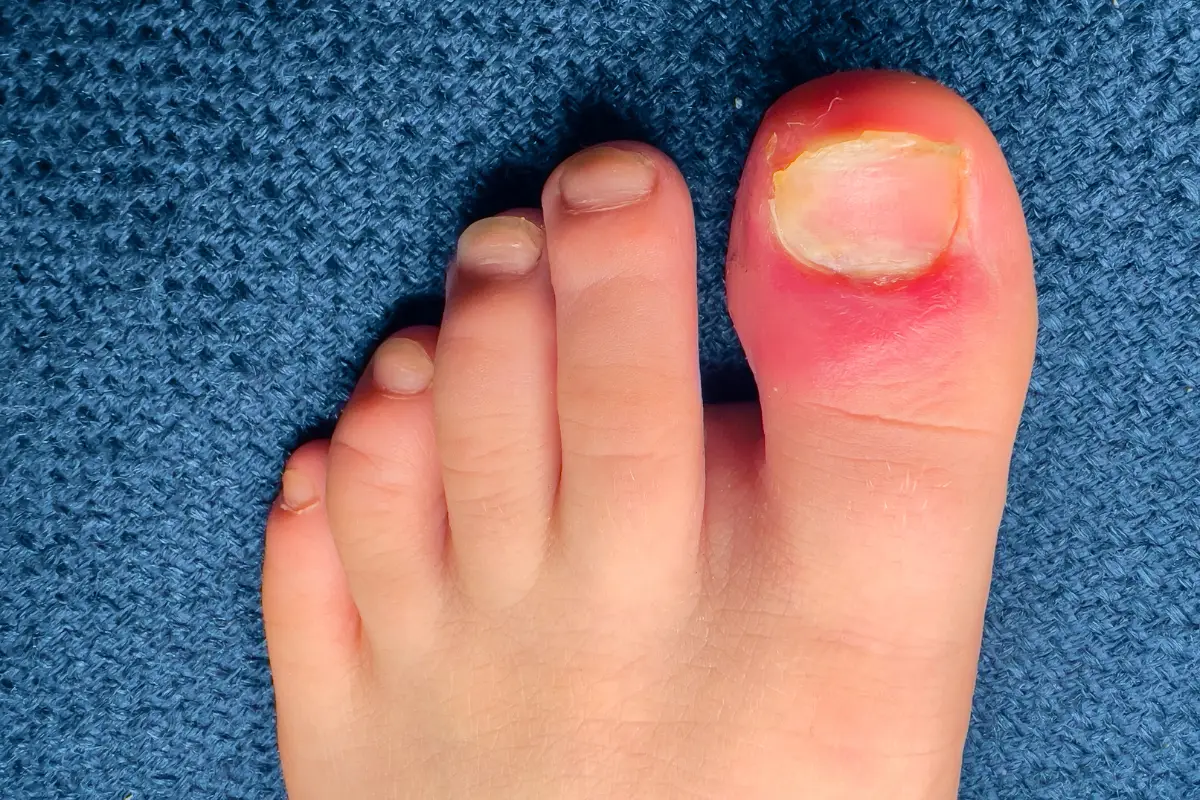
Ingrown toenail symptoms include pain around the affected toenail, redness, swelling of the surrounding skin, and possible infection, such as pus or inflamed skin.
Ingrown toenails include pain, redness, swelling, and potential infection, and most often affect the big toe due to its size and structure.
According to symptoms causes, these symptoms can escalate quickly and should be recognized early. Signs of infection in an ingrown toenail may include drainage and a foul odor.
Complications of Infected Ingrown Toenail
Ingrown toenails can lead to serious complications if not managed properly, especially for individuals with diabetes or another condition that causes poor blood flow to the feet. When an ingrown toenail becomes infected, the result is pain, inflamed skin, swelling, and sometimes pus or discharge around the nail.
If left untreated, an infected ingrown toenail can allow the infection to spread deeper into the surrounding tissue or even reach the bone, increasing the risk of long-term foot problems.
People with diabetes or nerve damage are at a greater risk of complications of ingrown toenails. Poor blood flow to the feet can make it harder for even minor injuries—like an ingrown nail, cut, or scrape—to heal, which can lead to persistent infections and more severe health issues.
For these individuals, it is especially important to prevent an ingrown toenail by wearing shoes that fit properly, avoiding shoes that constrict or crowd the toes, and always trimming your toenails straight across with a sharp nail trimmer.
In severe cases, medical procedures such as partial nail avulsion may be necessary to remove the affected part of the nail and prevent further complications.
If you notice signs of an infected ingrown toenail—such as increased pain, inflamed skin, swelling, or pus—it’s crucial to consult a health care provider or foot specialist promptly. Early intervention can help avoid complications of ingrown toenails and protect your overall foot health.
Treatment Options for Ingrown Toenails
Home Care
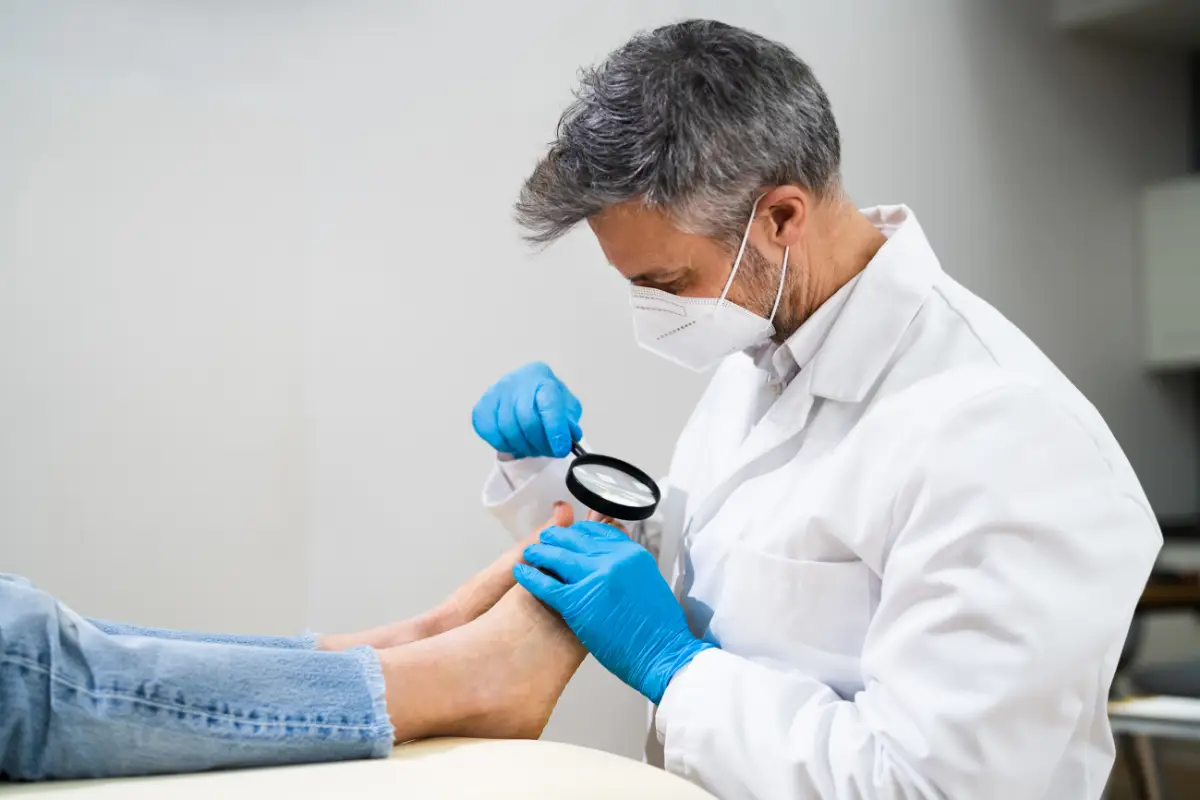
For ingrown toenails, it is important to seek professional medical care rather than attempting home treatments. Trying to manage the condition at home can sometimes worsen the problem or lead to infection.
As part of conservative home care, soaking the foot and gently massaging the nail fold can help reduce inflammation, but if you notice pain, redness, swelling, or any signs of infection, consult a healthcare provider promptly for appropriate treatment.
Self-care for ingrown toenails includes soaking the foot in water and massaging the side of the nail fold to reduce inflammation.
Professional Medical Treatments
If an ingrown toenail becomes infected or severely painful, a healthcare provider may recommend treatments like: Healthcare providers can perform minor surgical procedures to treat ingrown toenails.
Partial Nail Avulsion: A procedure that removes the ingrown portion of the nail and addresses the nail root.
Antibiotics: Prescribed if the ingrown toenail is infected.
For those needing further assistance, you can learn more about treatment options on our Services.
Prevent an Ingrown Toenail: Trim Your Toenails Straight
Preventing ingrown toenails is easier than treating them. Here are a few tips:
Trim your toenails properly: Always cut toenails straight across to avoid sharp edges that can grow into the skin.
Wear properly fitting shoes: Shoes should allow enough room for your toes to move freely. Avoid tight or narrow shoes that apply pressure to your nails.
Maintain foot hygiene: Keeping your feet clean and dry helps prevent bacteria buildup, which could lead to infection if an ingrown toenail occurs.
To further reduce your risk, stay informed about advancements, health tips, and current health topics. Keeping up with advancements health tips current can help you apply the latest prevention strategies and expert advice.
If you need more guidance on how to keep your feet healthy, visit our foot care guides.
When to See a Specialist
If your ingrown toenail shows signs of infection, worsens, or does not improve with at-home care, it’s time to see a foot specialist. Seek medical attention immediately if you experience increasing pain, redness, or pus.
If you’re concerned about your foot health or require a professional consultation, feel free to contact our Evolve Health team.
Evolve Health for Ingrown Toenail Treatment
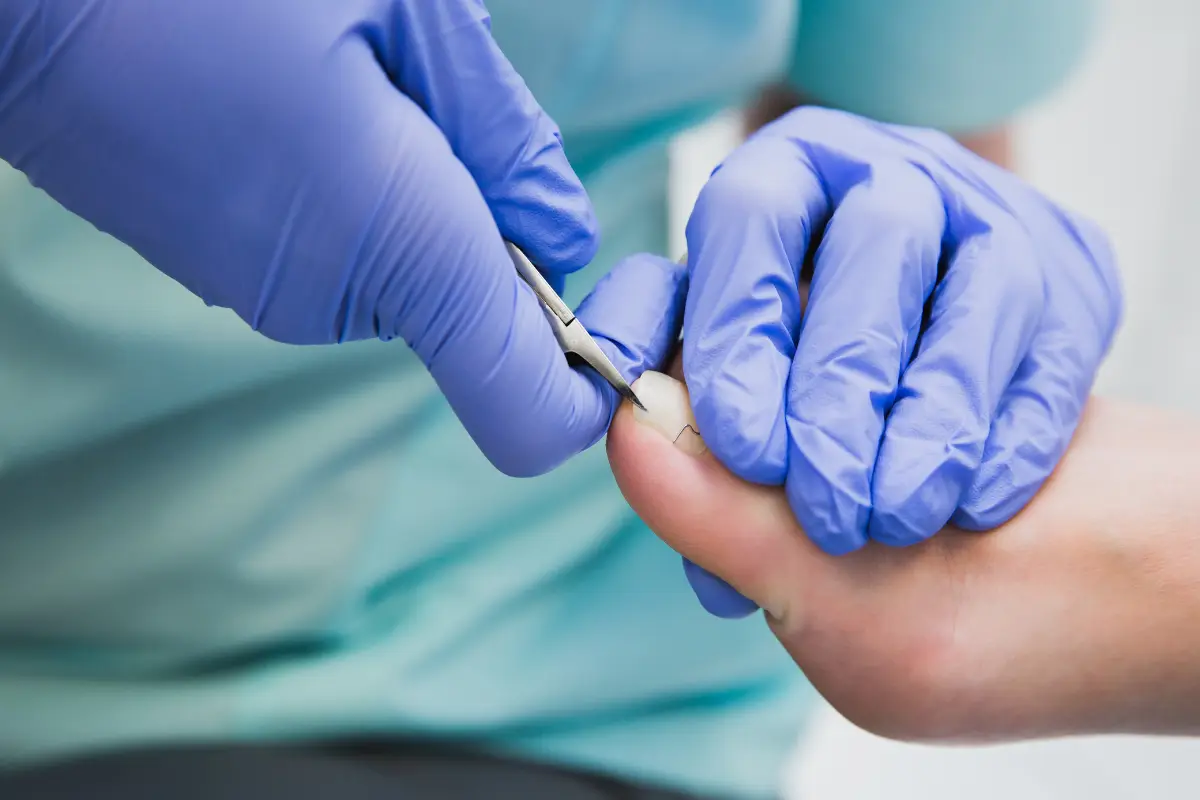
At Evolve Health, we specialize in treating ingrown toenails and other foot health conditions. Our clinic covers a wide range of health topics and expertise, ensuring comprehensive care in managing foot and nail conditions. Our team uses advanced diagnostic techniques to provide effective treatments and long-term solutions for maintaining foot health.
We understand how ingrown toenails can affect your daily activities and provide personalized care to get you back to your routine pain-free. Contact us to schedule a consultation or learn more about our services.
Frequently Asked Questions
How do I know if my ingrown toenail is infected?
Look for signs like increased redness, warmth, pus drainage, or severe pain. If these symptoms occur, it’s important to seek immediate medical care.
Can I treat an ingrown toenail at home?
Mild cases can be treated with warm soaks and gentle nail lifting, but if the toenail is infected or severely painful, medical intervention is necessary.
How long does recovery take after ingrown toenail surgery?
Recovery typically takes 2-4 weeks, depending on the extent of the procedure. Most people can resume normal activities within a few days.
Will my ingrown toenail come back after treatment?
Proper treatment, including addressing the nail root during surgery, significantly reduces the chances of recurrence. Following prevention tips will further decrease the risk of future ingrown toenails.
When should I see a specialist for my ingrown toenail?
If you have diabetes, experience severe pain, or notice signs of infection, you should seek medical help immediately to prevent complications.
Conclusion
Ingrown toenails, while common, shouldn’t be ignored or endured. With proper treatment from our skilled podiatrists at Evolve Health, you can achieve lasting relief and prevent future occurrences. Our comprehensive approach combines immediate pain relief with long-term prevention strategies, ensuring your feet stay healthy and comfortable.
Whether you’re an athlete sidelined by toe pain, a professional whose work depends on being on your feet, or someone simply wanting to walk comfortably again, we’re here to help. Our evidence-based treatments, combined with personalized care plans, provide the highest success rates in ingrown toenail resolution.