Understanding Flat Foot
Flat foot, also known as pes planus or fallen arches, is a condition where the foot’s arch collapses, causing the entire sole to make contact with the ground when standing. This can affect one or both feet and may be present from birth or develop over time.
There are two main types of flat foot: flexible flat feet and rigid flat feet. Flexible flat feet are the most common, with the arch appearing when the foot is off the ground but flattening when weight is applied.
In contrast, rigid flat feet involve a permanent loss of the arch, even when the foot is not bearing weight, and can often cause pain or discomfort. Recognizing whether you have flexible flat feet or rigid flat feet is important, as it helps determine the most effective treatment and management strategies for your foot health.
What Causes of Flat Feet to Develop
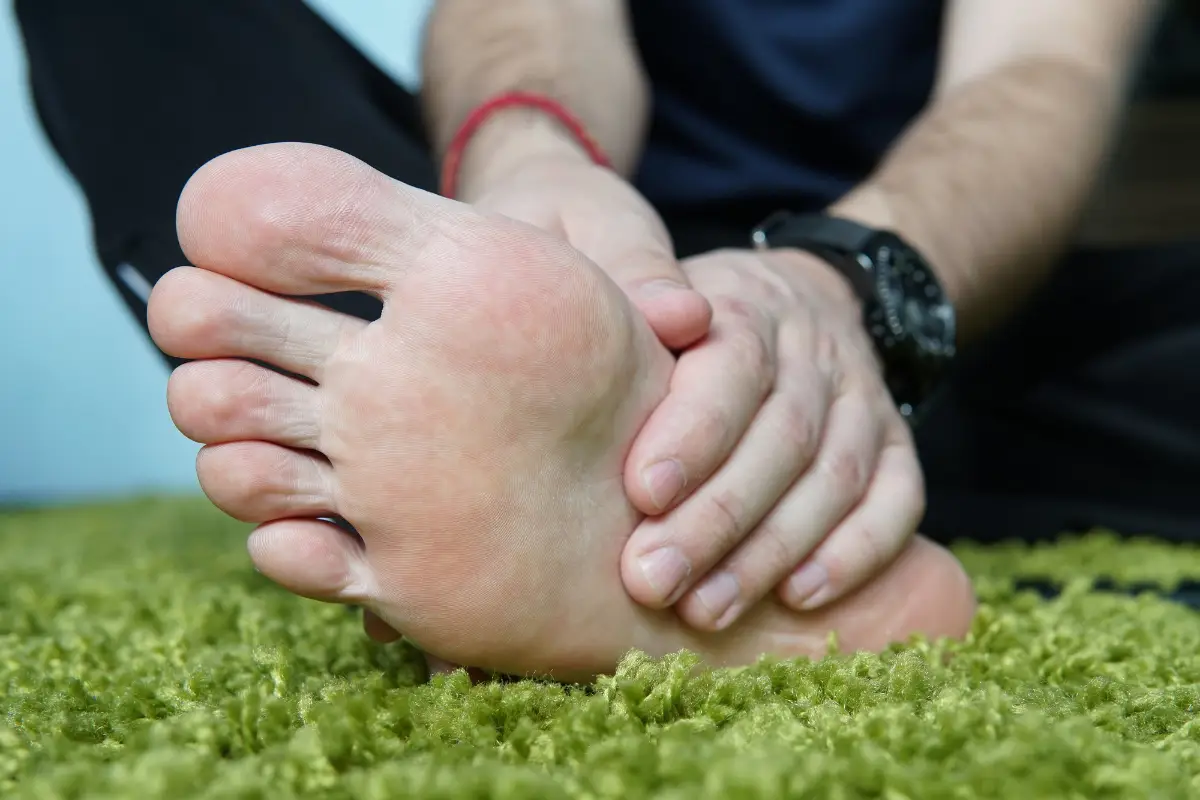
There are multiple causes of flat feet, and understanding the causes of flat feet is important for proper management. Some people are born with flat feet, while others develop the condition due to injury, aging, or underlying health issues.
Childhood Development: Your arches typically develop during early childhood, but factors like genetics, ligament flexibility, and even shoe choices can influence this process. Common risk factors for developing flat feet include obesity, age, and certain medical conditions. Most children are born with flat feet and develop arches as they grow, usually between ages 3 and 10, but some children may not develop arches fully.
Adult-Acquired Flat Feet: This condition, also known as adult acquired flatfoot, commonly results from posterior tibial tendon dysfunction, where the tendon supporting your arch becomes damaged or inflamed. Adults may develop flat feet over time due to foot or ankle injuries to your foot or ankle, arthritis, diabetes, and obesity, which can also contribute to arch collapse.
If you suspect you might have flat feet, Evolve Health offers specialized services for diagnosis and treatment. Our doctors can help identify the root cause and provide personalized care.
Recognizing Flat Feet Symptoms and Foot Pain
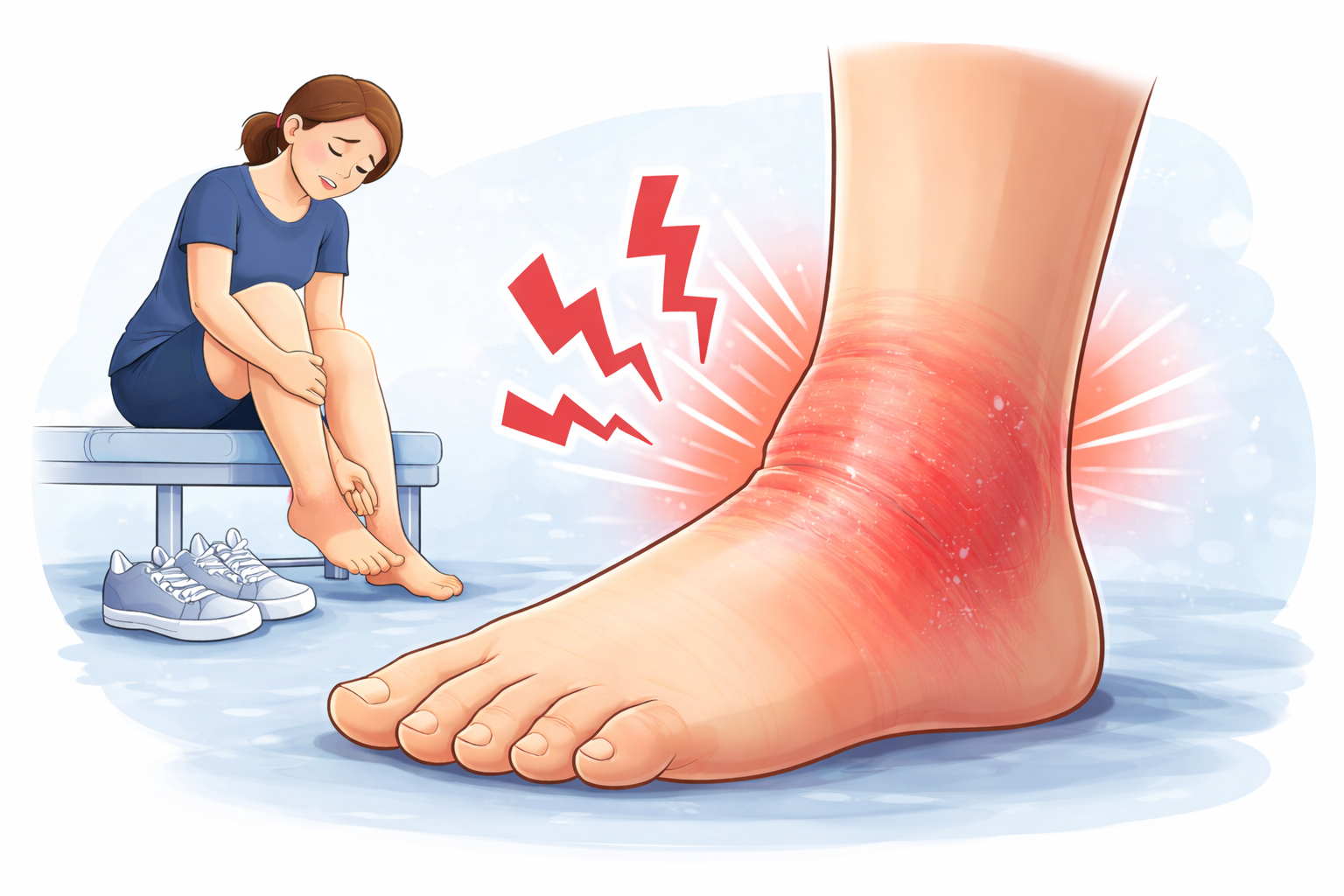
Symptoms vary depending on the severity of your condition. The most common complaint is pain along the inside of your foot and ankle, especially after physical activity or long periods of standing. Other symptoms include:
Foot fatigue: Flat feet often cause discomfort and tiredness during walking or exercise.
Overpronation: When your typical feet roll inward excessively while walking, leading to potential foot problems.
Leg, knee, and hip pain: As your body compensates for altered foot alignment, pain may extend to your lower legs, knees, and hips. In some cases, altered foot mechanics can compress nerves, leading to tingling or numbness—learn more about identifying and treating nerve-related foot pain in our comprehensive guide.
If you experience persistent pain or notice changes in your gait, professional evaluation and treatment can help identify the underlying cause.
Exercises and Stretches for Flat Feet

Incorporating targeted stretching exercises into your routine can play a key role in reducing pain and improving foot function for people with flat feet. Stretching the Achilles tendon with heel cord stretches can help relieve tension and support better movement in the foot and ankle.
Toe stretches, such as standing on the edge of a step and gently lowering your heels, can help strengthen the arch and improve flexibility. Calf raises and ankle circles are also beneficial for building strength in the lower leg muscles, which support the foot’s structure.
Working with a physical therapist or healthcare provider ensures you’re performing the right exercises for your specific needs, helping to reduce pain and prevent further issues related to flat feet.
After exercise sessions, many patients find relief through therapeutic foot soaks that reduce inflammation and muscle tension. While primarily used for other conditions, our guide on effective foot soaks includes anti-inflammatory soaking techniques that can benefit those with flat feet experiencing muscle fatigue and soreness.
Lifestyle Changes to Support Flexible Flat Feet
Simple lifestyle changes can make a significant difference in supporting healthy feet and reducing the risk of developing flat feet or related discomfort. Choosing shoes with proper arch support and a good fit is essential for maintaining the foot’s natural alignment and preventing strain.
Avoiding high heels and unsupportive flat shoes can help protect your feet and ankles from unnecessary stress. Maintaining a healthy weight reduces pressure on your feet and lower leg pain, lowering the risk of developing flat feet or worsening existing symptoms.
Regular, low-impact exercise like walking or swimming helps strengthen the muscles that support your arches, while taking breaks and stretching your feet can help prevent overuse injuries. By making these adjustments, you can promote better foot health and reduce the likelihood of developing flat feet.
Treatment Approaches for Flat Feet
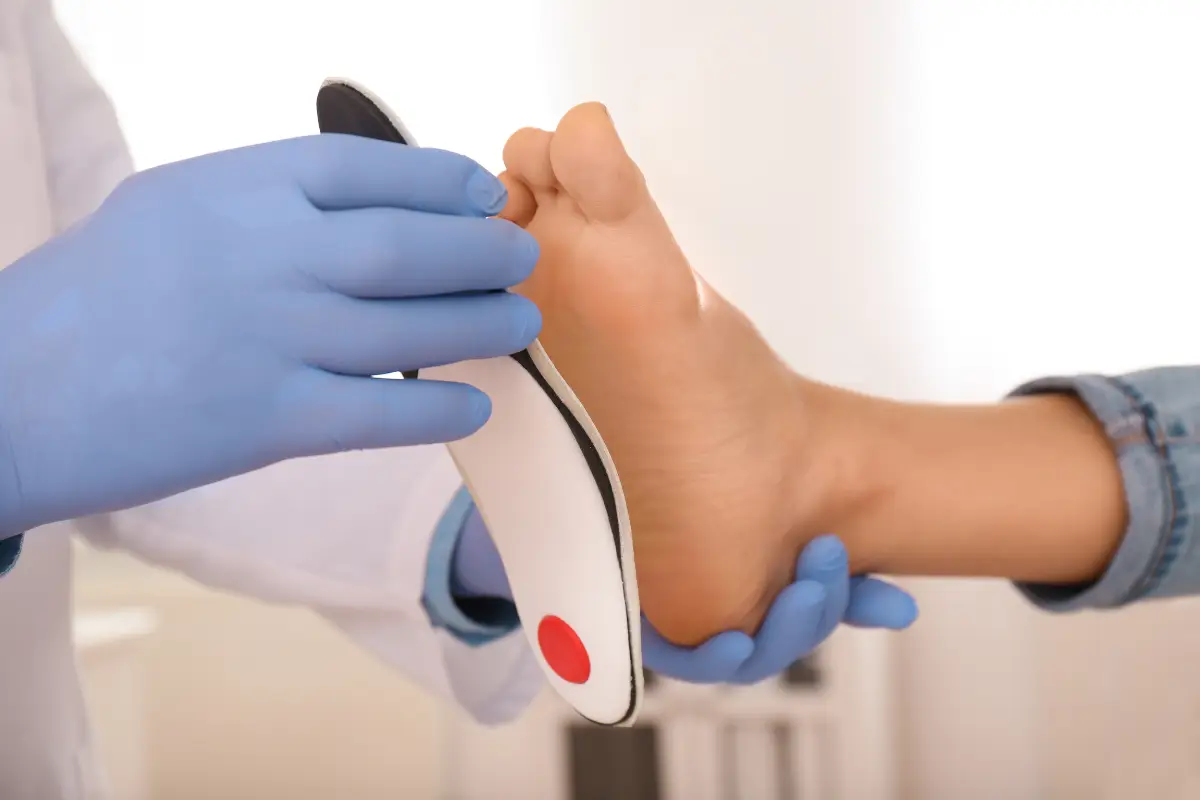
Treatment options for flat feet depend on the severity of the condition. For many, conservative treatments provide effective relief. These treatments are designed to relieve pain and improve function.
Orthotic Devices
Orthotic devices, also known as foot orthotics, are the first line of defense for symptomatic flat feet. Custom-made arch supports help redistribute pressure across the foot, reducing pain and improving function.
Shoe inserts and heel cups are also commonly used to provide support and comfort for people with flat feet, helping to improve foot biomechanics and aid in proper foot development, especially in children. For milder cases, over-the-counter inserts may provide relief.
Physical Therapy
Strengthening your foot and ankle muscles, including the calf muscle, through specific exercises can improve stability and reduce pain.
Stretching your calf muscles and Achilles tendon often helps address tightness that contributes to the collapse of the arch; a tight Achilles tendon can contribute to flat feet and should be addressed in therapy.
Surgical Options
For severe cases that do not respond to conservative treatments, surgery may be necessary. Surgical procedures could involve:
Tendon repair
Bone realignment
Foot Joint fusion
Correction of fused bones or deformities in the hind foot
Surgical intervention is often considered for significant foot deformity, such as those involving structural abnormalities or fused bones, that does not respond to conservative treatment.
For more details on our surgical treatments, visit our Services.
Outlook and Prognosis for Flat Feet

The outlook for people with flat feet is generally positive, especially when the condition is managed with appropriate care. Most flat feet can be effectively treated with conservative measures such as physical therapy, orthotic devices, and lifestyle modifications, allowing individuals to maintain an active and comfortable lifestyle.
In severe cases where pain or deformity persists, surgical intervention may be necessary to restore proper foot function. Regular follow-up with a healthcare provider ensures that your treatment plan remains effective and can be adjusted as needed.
By staying proactive and seeking timely care, people with flat feet can minimize discomfort, prevent complications, and enjoy a good quality of life.
Evolve Health: Your Partner in Foot Care
Evolve Health provides comprehensive evaluation and treatment for flat feet and related conditions. Our specialists combine advanced diagnostic techniques with personalized treatment plans, ensuring you receive the most effective care for your specific needs. We focus on helping you return to your favorite activities with confidence and comfort.
Frequently Asked Questions About Flat Feet
Do I need imaging tests to diagnose flat feet?
While flat feet can often be diagnosed through physical examination, your provider may recommend X-rays or other imaging if you have significant pain or suspected structural abnormalities. It is important to evaluate both feet, as flat feet and related issues often affect the other normal foot as well.
How long does treatment take to show results?
Conservative treatments like orthotics and exercises typically show improvement within 6-8 weeks. However, complete recovery may take several months depending on your condition’s severity.
Can I continue exercising with flat feet?
Most people with flat feet can maintain active lifestyles with proper support and gradually increased activity levels. Flat feet may affect gait and pronation, which can influence athletic performance, but flexible flatfoot generally does not impair athletic abilities in children. Your healthcare provider can recommend appropriate modifications and exercises.
Will I always need arch supports or orthotics?
Many people benefit from long-term orthotic use, especially during activities that stress the feet. However, strengthening exercises may reduce your dependence on supports over time.
When should I see a specialist for my flat feet?
Consider professional evaluation if you experience persistent pain, swelling, or difficulty with daily activities. Early intervention often prevents progression and improves outcomes. If you have painful flat feet or severe flat feet, or if you are experiencing pain that interferes with walking or daily function, seek medical attention promptly.
Are flat feet normal in children?
It’s common for children to have little or no visible arch. Flexible flatfoot usually resolves with age. If your child’s feet has rigid flat feet or experiences pain, consult a healthcare provider.
What is the difference between flexible and rigid flat feet?
Flexible flat feet involve an arch that appears when not bearing weight but flattens when standing. Rigid flat feet have a collapsed arch that does not return when the foot is off the ground and may require medical attention.
What does a normal arch look like, and what happens if I don’t have one?
A normal arch, or normal arches, form the curved shape along the inside of the foot, supporting weight and absorbing shock. The absence of a foot arch or foot’s arch leads to flat arches or a fallen arch, which can cause discomfort, abnormal gait, and sometimes pain or other symptoms.
Conlcusion
Flat feet don’t have to limit your mobility or cause discomfort. With proper evaluation and treatment, most people can achieve significant symptom relief and return to their normal activities.
Schedule a consultation at one of our convenient locations to explore your treatment options and begin your journey toward better foot health.