
Health guide · Podiatry · Physical therapy
Do I need orthotics? Signs, types and how they help foot, knee and back pain
Signs you may need orthotics, store-bought vs custom, and what orthotics can and can’t do for heel, knee, hip and back pain.
Clinically reviewed by Kim Eneberg, PT ·

The short answer
You may benefit from orthotics if foot pain keeps coming back: heel pain from plantar fasciitis, flat feet or high arches that ache after standing, repeated shin splints or Achilles pain, or pain under the ball of the foot. Orthotics support your arch and spread pressure more evenly across your foot.
Try a good store-bought arch support first, because for many people it works about as well as a custom one. Custom orthotics make sense when store-bought inserts haven’t helped, or if you have diabetes, a foot deformity or pressure sores. They can help some knee, hip and back pain that’s linked to how your feet move, but they’re rarely the whole answer on their own.
Want it checked? Find an Evolve Health podiatrist near you
This guide is for general information and is not a diagnosis. Some services may not be offered at every office; your provider will go over your treatment options at your appointment.
Signs you might need orthotics
You may benefit from orthotics if one or more of these sounds familiar:
- Stabbing heel pain with your first steps in the morning or after sitting, the classic sign of plantar fasciitis.
- Flat feet or very high arches that ache after standing or walking.
- Repeated overuse injuries, such as shin splints, Achilles tendinitis or ankle sprains.
- Shoes that wear out unevenly, for example on the inside edge of the heel.
- Pain under the ball of the foot or big toe.
- Store-bought inserts that helped, but not for long.
- Sore feet at the end of every workday, even in good shoes.
If several apply, it’s worth having your feet and your walk checked by a podiatrist.

Store-bought inserts vs custom orthotics
| Store-bought insert | Custom orthotic | |
|---|---|---|
| Fit | Sized by shoe size | Made from a scan or mold of your feet |
| Materials | Foam, gel or a firm plastic arch | Semi-rigid shell, carbon fiber or soft layers, with pads where you need them |
| Best for | Mild or new pain, a first step | Pain that hasn’t responded, unusual foot shapes, diabetes, arthritis |
| Lasts | Months | Usually 2 to 5 years |
| Cost | Low | Higher; insurance coverage varies |
Types of custom orthotics
- Functional orthotics have a firmer shell that controls how your foot moves, for example limiting how far the arch rolls in. They’re common for sports, long days on your feet and overuse injuries.
- Accommodative orthotics are softer and cushion sore spots. They’re used for arthritis, painful bumps, calluses, thinning heel pads and diabetes.
- Hybrid designs combine a supportive shell with a cushioned top layer.
Heel cups, metatarsal pads and heel lifts can be added for specific problems.
What orthotics can and can’t do
Orthotics are a useful tool, but they work better for some problems than others.
Heel pain and plantar fasciitis
This is where the evidence is strongest. Arch support and a cushioned heel take strain off the plantar fascia. Good prefabricated supports often work about as well as custom ones, so many people start there. See our guide to heel pain in the morning.
Flat feet and high arches
For flat feet that ache, arch support can reduce strain and tiredness. High arches don’t absorb shock well, and a cushioned orthotic spreads pressure across more of the foot. Flat feet that don’t hurt usually don’t need treatment. See flat feet: when to worry.
Achilles tendinitis and shin splints
Orthotics and heel lifts can take some load off the Achilles tendon and the shin muscles. They work best alongside a strengthening program and a gradual return to running.
Ball-of-foot pain and big toe stiffness
Metatarsal pads and forefoot changes can take pressure off the ball of the foot and a stiff big toe joint. See ball-of-foot pain.
Knee pain
For pain around the kneecap (runner’s knee), arch-supporting orthotics have helped in the short term in studies, especially in people whose feet roll in. For knee arthritis, wedged insoles haven’t been shown to help and aren’t recommended. Supportive shoes, strengthening exercise and weight loss help more.
Hip and lower back pain
Your feet, knees, hips and back work as a chain, so how your feet land can affect the joints above. If back or hip pain is linked to your foot mechanics or a difference in leg length, orthotics or a heel lift may help. But research on orthotics for back pain is limited, and most back pain has other causes. Physical therapy and exercise are the main treatments, and orthotics are a possible extra.

Arthritis and thinning heel pads
With age, the fat pad under the heel thins and joints stiffen. Cushioned, accommodative orthotics relieve pressure and make walking more comfortable.
Diabetes
For people with diabetes and numb feet, accommodative orthotics spread pressure away from high-risk spots and help prevent ulcers. They’re often paired with diabetic shoes. See our guide to diabetic foot care.
Try this first
Before custom orthotics, many people get relief from simpler steps:
- Supportive shoes with a firm heel, a sole that doesn’t fold in half and a removable insole.
- A good store-bought arch support. Give it a few weeks.
- Daily calf and arch stretches.
- Easing back on the activity that hurts, then building up gradually.
If you’re not improving after a few weeks, or your pain keeps coming back, see a podiatrist.
Getting custom orthotics: what to expect

- Evaluation. Your podiatrist asks about your pain, your activities and your goals, examines your feet and ankles, checks movement and strength, and watches you walk.
- Shoe check. Bring the shoes you wear most, so the orthotics can be designed to fit them.
- Scan or mold. Your feet are scanned or molded to capture their exact shape.
- Making them. A lab builds the orthotics to your podiatrist’s prescription.
- Fitting. You try them in your shoes, stand and walk. They should sit flat, feel supportive and not pinch.
- Break-in. Start with an hour or two on the first day and add an hour or two each day. Most people adjust within one to two weeks.
- Follow-up. Small adjustments, such as adding a pad or changing the top cover, fix most comfort problems.

Learn more about custom orthotics at Evolve Health.
Shoes that work with orthotics
- a removable insole, so the orthotic can go in its place
- enough depth that your heel doesn’t slip out
- a firm heel and a stable sole
- room for your toes
Sneakers, walking shoes and many work boots work well. Slimmer orthotics can be made for dress shoes, and if you wear very different shoes, a second pair may be worth it. Our guide to the best shoes for plantar fasciitis has more tips.
How long they last and how to care for them
Most custom orthotics last two to five years. Replace them, or have them checked, if:
- the shell cracks or the arch flattens
- the top cover wears through or bunches up
- your foot shape or shoe size changes
- your pain comes back after months of relief
Wipe them with a damp cloth, let them air dry, and keep them away from heat, such as a hot car or a radiator.
Cost and insurance
Coverage varies a lot between plans. Some pay for custom orthotics prescribed for a diagnosed foot problem, and others don’t cover them. Medicare usually doesn’t cover foot orthotics on their own, except for inserts that go with diabetic shoes. Check your plan before your fitting, and see which insurance plans we accept.
When to see a podiatrist
See a podiatrist if foot, heel or arch pain lasts more than two to three weeks, keeps coming back, or changes the way you walk, or if store-bought inserts haven’t helped. See one sooner if you have diabetes, numbness or a sore on your foot. You can find a podiatrist near you and book online.
Questions, answered
Common signs are heel pain with your first steps in the morning, arch or foot pain after standing, flat feet or very high arches that ache, repeated shin splints, Achilles pain or ankle sprains, shoes that wear unevenly, and store-bought inserts that help only for a while. A podiatrist can examine your feet and how you walk and tell you whether orthotics are likely to help.
Not always. For common problems such as plantar fasciitis, studies often find that a good prefabricated arch support works about as well as a custom one, so many podiatrists start there. Custom orthotics are worth it when store-bought inserts don’t help, or for unusual foot shapes, deformities, diabetes, arthritis or pressure sores, and they last much longer.
Sometimes. If back pain is linked to how your feet move or to a difference in leg length, orthotics or a heel lift may help. But most low back pain has other causes, and research on orthotics for back pain is limited. Exercise and physical therapy are the main treatments, and orthotics are best seen as a possible extra.
They can help some kinds. For pain around the kneecap, often called runner’s knee, arch-supporting orthotics have helped in the short term in studies. For knee arthritis, wedged insoles haven’t been shown to help, and guidelines don’t recommend them. Supportive shoes, exercise and weight loss help knee arthritis more.
Most people adjust within one to two weeks. Start with an hour or two on the first day and add an hour or two each day. Mild tiredness in the arch or calf is normal at first. Pain, rubbing or blisters are not, so call your podiatrist for an adjustment.
You need shoes with a removable insole and enough depth for the orthotic, a firm heel and room for your toes. Sneakers, walking shoes and many work boots are ideal. Slimmer designs are available for dress shoes, and some people get a second pair for very different shoes.
Usually two to five years, depending on the materials, your weight and how much you use them. Replace them if the shell cracks, the arch flattens, the top cover wears through, or your pain comes back. Top covers can often be replaced on their own.
Coverage varies a lot. Some plans pay for custom orthotics when a podiatrist prescribes them for a diagnosed problem, and others don’t cover them at all. Medicare usually doesn’t cover foot orthotics on their own, except for inserts that go with diabetic shoes. Check your plan before your fitting.
This guide is for general education and doesn’t replace advice from your own doctor. Everyone’s situation is different, so talk to a healthcare provider about symptoms that are new, getting worse or worrying you. If you think you may have a medical emergency, call 911. Reading this guide doesn’t make you a patient of Evolve Health.
Want a specialist to take a look?
A guide can explain, but it can’t examine you. Evolve Health providers see patients across Florida and Texas, and you can book online any time.
More guides like this
-
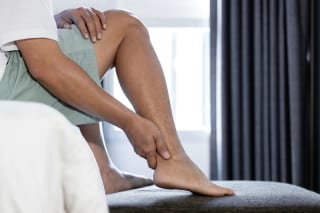
PodiatryPhysical therapy
Achilles tendinitis: symptoms, treatment and how long it takes to healWhat Achilles tendinitis feels like, insertional vs mid-tendon pain, the exercises that help most, how long healing takes and the warning signs of a tear.
-
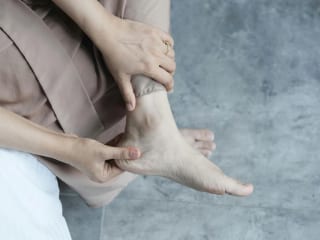
PodiatryPhysical therapy
Arch pain and swelling in active people: relief and return to activityWhy your arch hurts and swells after running, walking or sports, how to calm it down, how to keep training safely and when to see a podiatrist.
-

PodiatryPhysical therapy
Ankle brace for a sprain: which type you need and for how longCompression sleeves, lace-up, stirrup and hinged braces and walking boots compared by sprain grade, plus how long to wear one and how to fit it.