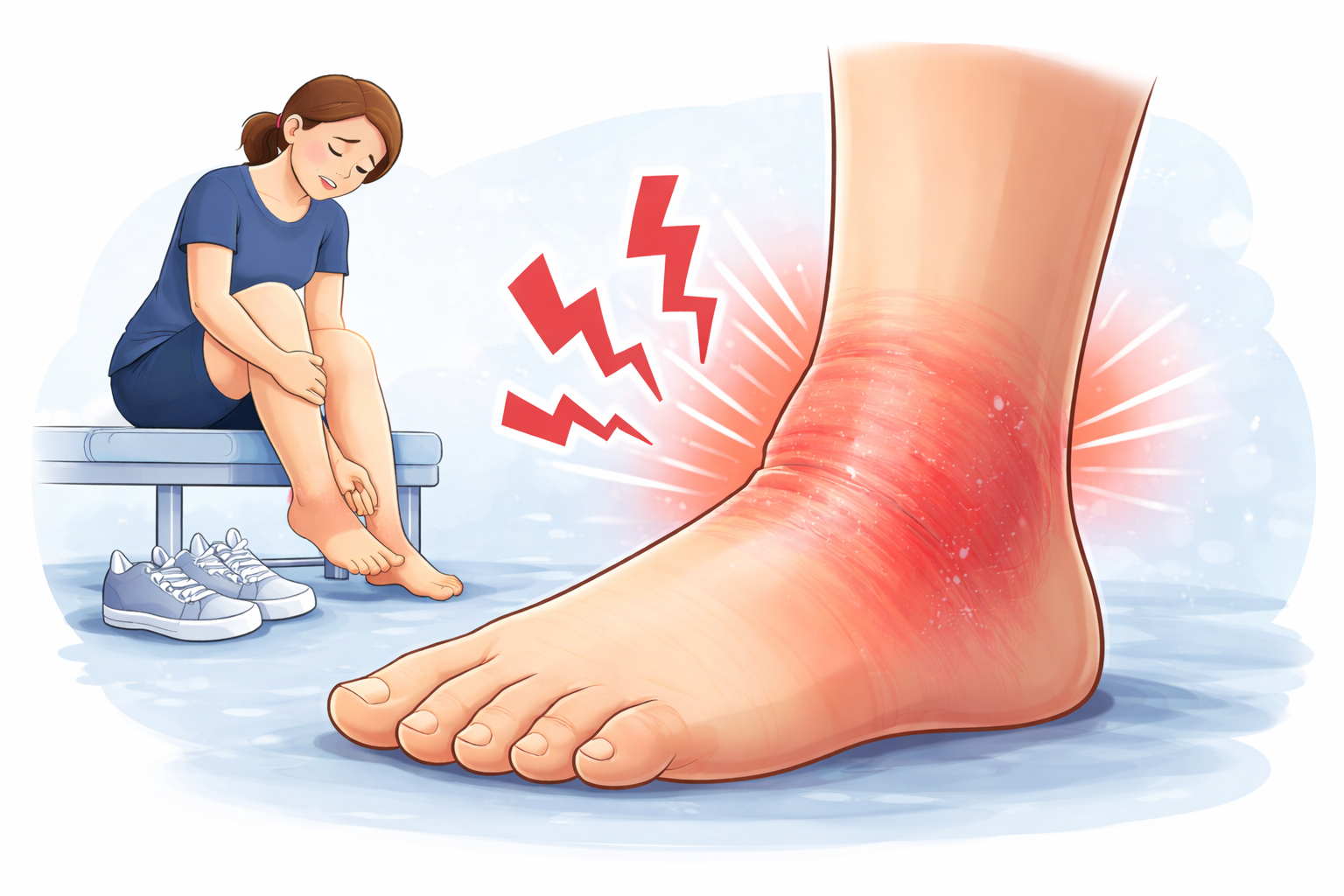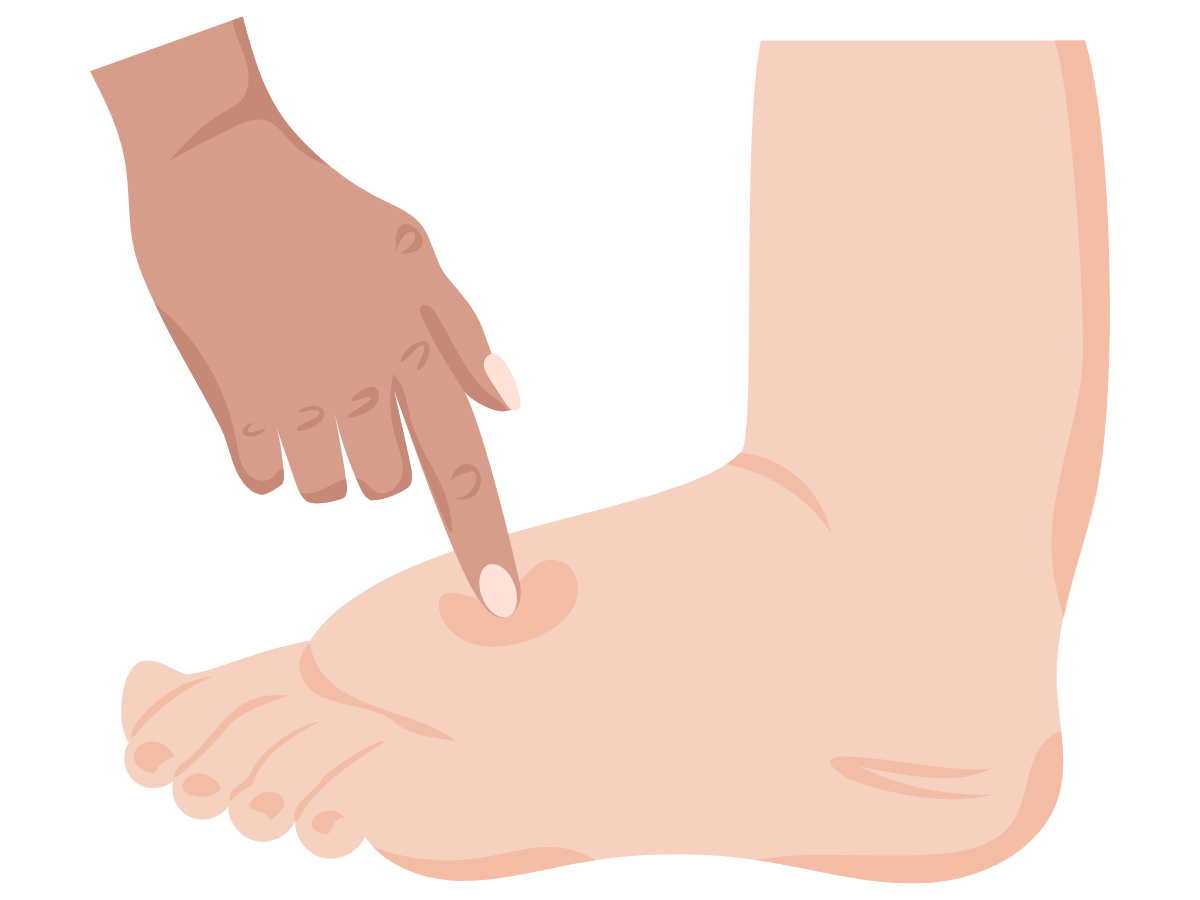
What Is Peripheral Neuropathy in the Feet?
Neuropathy in the feet occurs when peripheral nerves the nerves outside the brain and spinal cord are damaged or irritated. The central nervous system includes the brain and spinal cord, while the peripheral nervous system consists of all the other nerves in your body.
These nerves help control sensation, muscle movement, and automatic functions like blood pressure and sweating. How peripheral neuropathy affects the body is by disrupting communication between the nerves and the brain or spinal cord, leading to changes in sensation, movement, and automatic functions.
Symptoms of peripheral neuropathy commonly include:
Burning or shooting pain
Tingling or “pins and needles”
Numbness in toes or the soles
Muscle weakness or balance issues
Peripheral neuropathy affects daily life by making everyday tasks more difficult, such as walking, maintaining balance, or feeling temperature changes, which can significantly impact quality of life.

What Causes Neuropathy in the Feet?
The most common driver is metabolic—especially diabetes. Long-term high blood sugar can injure nerve fibers and small blood vessels that feed the nerves. High blood sugar levels are a primary cause of neuropathy, as they can damage nerves over time and are closely linked to diabetes. However, health conditions are a major cause of peripheral neuropathy, including diabetes, autoimmune diseases, kidney disease, and thyroid disorders. But diabetes isn’t the only cause, and it’s important not to assume.
Neuropathy may also be linked to vitamin deficiencies (particularly B12), autoimmune diseases (such as lupus or rheumatoid arthritis), alcohol use disorder, toxin exposure, certain infections, thyroid issues, kidney disease, and medication effects including chemotherapy.
The immune system can sometimes attack the body’s own tissues in autoimmune diseases, leading to nerve damage. Kidney-related health issues can impair nutrient processing and waste elimination, which may result in nerve damage.
Traumatic injuries, such as those from physical accidents or surgery, can also directly injure nerves and cause symptoms like pain, numbness, and weakness in the affected areas. Peripheral neuropathy can result from traumatic injuries, infections, metabolic problems, inherited causes, and exposure to toxins.
Sometimes, even after appropriate testing, the exact cause isn’t found. Taking a detailed medical history is crucial to help identify underlying causes and risk factors. Peripheral neuropathy may also affect the nerves controlling the automatic functions of the heart and circulation system. That can be discouraging, but it doesn’t mean you’re out of options. Treatment often focuses on reducing symptoms, protecting the feet, and preventing complications while continuing to monitor for underlying triggers.
Why early evaluation matters
Neuropathy doesn’t always progress, but it can. The earlier you identify the cause, the better your chance of slowing or sometimes partially reversing damage. Early care also helps prevent downstream issues like falls, skin breakdown, or infections that go unnoticed because sensation is reduced.
If you have diabetes and notice changes in foot shape, collapse through the arch, or swelling with warmth, that deserves prompt evaluation. One serious complication is Charcot neuroarthropathy; our guide on Charcot Foot explains the signs and why early management is critical.
How neuropathy is diagnosed
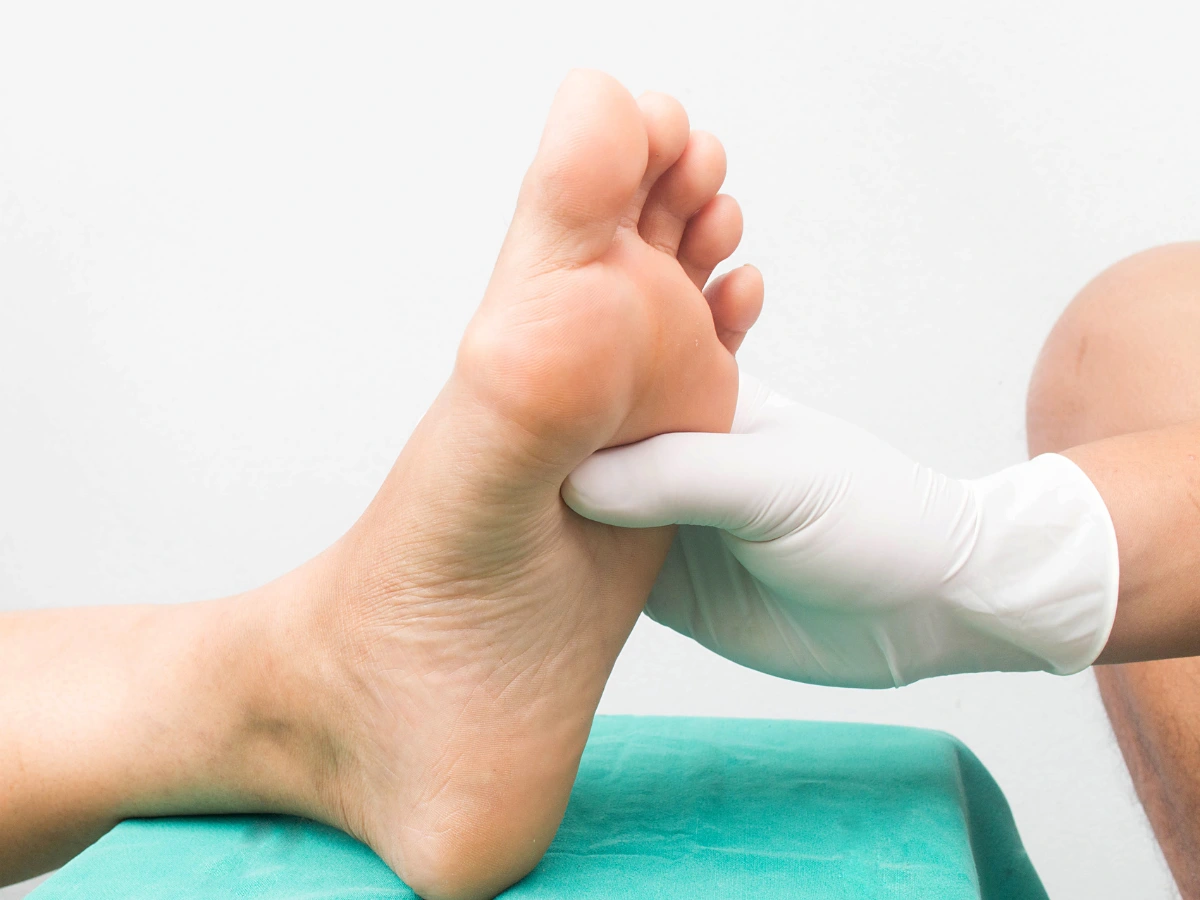
A good neuropathy workup starts with a careful history and physical exam. A clinician will typically assess sensation (light touch, temperature, vibration), reflexes, muscle strength, gait, and balance. Sensory tests are also used to assess nerve function and detect sensory loss, which is essential in diagnosing neuropathy and evaluating the extent of nerve damage. From there, testing is guided by your story.
Blood tests are common because they can uncover treatable causes such as diabetes, thyroid abnormalities, B12 deficiency, inflammation, or organ-related contributors. In some cases, nerve conduction studies or electromyography help confirm nerve involvement and define the pattern. These neurological tests are important for diagnosing nerve injury and determining the severity and location of nerve damage, which guides proper treatment planning. Imaging may be used if compression or another structural cause is suspected.
This process isn’t about ordering everything at once. It’s about finding the most likely cause and choosing tests that change the plan.

Key Symptoms to Watch For
Peripheral neuropathy symptoms vary based on which nerves are affected:
Sensory Nerves
Burning pain or extreme sensitivity
Loss of temperature or touch sensation
Motor Nerves
Muscle weakness
Difficulty lifting the foot or toes
Reduced muscle strength
Physical therapy and targeted exercises can help enhance muscle strength and improve function in people with neuropathy in feet.
Autonomic Nerves
Blood pressure changes
Excessive sweating or dry skin
Bladder or digestive issues
If symptoms are worsening, early evaluation matters—especially since early diagnosis can sometimes prevent permanent nerve damage.
Complications of Neuropathy
Complications from peripheral neuropathy can be both serious and life-altering, especially when nerve damage is left untreated. Because the peripheral nervous system connects the brain and spinal cord to the rest of the body, any disruption can have wide-ranging effects—impacting everything from muscle strength to blood pressure and even bladder function.
One of the most common and challenging complications is chronic neuropathic pain. This can manifest as burning pain, shooting pains, or severe pain that makes even simple activities difficult. Muscle weakness and numbness are also frequent, sometimes leading to balance problems, falls, or difficulty walking. Over time, these symptoms can become debilitating, especially if the underlying causes—like high blood sugar levels, kidney disease, or autoimmune diseases—are not addressed.
Diabetic neuropathy is a particularly significant complication, often resulting from prolonged high blood sugar. It can cause intense pain, numbness, and tingling in the feet and hands, making daily tasks and mobility a challenge. Damage to autonomic nerve fibers can further complicate things, affecting blood pressure regulation, bladder function, and even digestion.
Some individuals may develop chronic inflammatory demyelinating polyneuropathy (CIDP), a rare but serious condition where the immune system attacks the peripheral nerves, leading to progressive muscle weakness and sensory loss. Infections like Lyme disease can also trigger neuropathy, resulting in symptoms such as numbness, tingling, and pain in the extremities.
If left unmanaged, peripheral neuropathy can progress to permanent nerve damage. This may result in persistent, debilitating symptoms and increase the risk of complications like foot ulcers, infections, and, in severe cases, amputation—especially in those with diabetes.
Managing these complications requires a comprehensive, personalized treatment plan. Prescription medications, including pain relievers and drugs specifically for neuropathic pain, can help relieve pain and other symptoms. Physical therapy is often recommended to enhance muscle strength, improve mobility, and reduce the risk of falls. In some cases, nerve biopsy or imaging tests may be needed to pinpoint the underlying cause and guide treatment.
Lifestyle changes are also crucial. Maintaining a healthy weight, exercising regularly, and avoiding toxic substances like excessive alcohol can help alleviate symptoms and protect nerve health. For those with underlying conditions such as autoimmune diseases or kidney disease, targeted therapies may be necessary to control immune system attacks and prevent further nerve damage.
Early diagnosis is key. A thorough physical exam, detailed medical history, and blood tests can help identify the root cause of neuropathy and allow for prompt intervention. In certain situations, advanced treatments like radiation or surgery may be considered to relieve pain and prevent further complications.
Ultimately, while the complications of peripheral neuropathy can be severe, proactive management and early intervention can make a significant difference. By working closely with your healthcare team and following a personalized treatment plan, you can alleviate symptoms, reduce the risk of long-term damage, and maintain a better quality of life.
Neuropathy Treatment Options (Medical + Supportive)
Neuropathy treatment works best when it’s built like a two-lane road. One lane targets the underlying cause when possible, while the other lane focuses on symptom relief and function. A comprehensive treatment for peripheral neuropathy often combines both approaches so you can move better and live with less pain while healing is supported.
Addressing Underlying Causes
If diabetes is involved, blood sugar management is foundational. If a vitamin deficiency is found, replacing that nutrient can make a meaningful difference. If medications are contributing, your prescribing clinician may adjust dosing or consider alternatives. When autoimmune causes are present, treating inflammation may be part of the plan.
Symptom Relief Strategies
For symptom relief, there are several evidence-based options. Many patients benefit from prescription medications that treat neuropathic pain by calming nerve pain signals. These are different from typical “pain relievers” because neuropathic pain behaves differently than a sprain or strain. Some people also use topical therapies to reduce localized discomfort. In certain situations, clinicians may discuss injections or pain-specialist interventions.
Role of Physical Therapy
Physical therapy can be surprisingly helpful, even when the pain feels “nerve-based.” PT can improve strength, gait mechanics, circulation, and balance, which lowers fall risk and can reduce flare-ups triggered by poor movement patterns. These interventions can also help alleviate symptoms by improving mobility and reducing discomfort. If neuropathy has changed how you walk, restoring efficient mechanics often reduces secondary pain in the ankle, heel, or arch.
Advanced and Regenerative Therapies
Some patients ask about “regenerative” options. These should be approached thoughtfully and aren’t a replacement for proven neuropathy care. However, for certain foot and ankle conditions contributing to pain and impaired function, biologic approaches may be considered as part of a broader plan. If you’re researching this angle, our overview of PRP for Ankle explains what PRP is, what it’s used for, and how clinicians think about candidacy.
Summary of Treatment Options
Blood sugar management and nutrient replacement
Prescription medications targeting neuropathic pain
Topical therapies for localized relief
Physical therapy to enhance muscle strength and balance
Advanced therapies including laser therapy, electrical stimulation (TENS), platelet-rich plasma (PRP), and acupuncture
Surgical options for severe cases such as neuroma or tarsal tunnel syndrome
Treatments for foot neuropathy in Houston include medications, physical therapy, dietary changes, advanced regenerative therapies, and consulting specialists such as podiatrists or neurologists. Surgery may be an option for treating foot neuropathy in severe cases when a neuroma or tarsal tunnel syndrome is the underlying cause.
Neuropathy Treatment in Houston: Local Care Matters
If you’re searching for neuropathy treatment Houston with Evolve Health, you’re not alone. Houston’s day-to-day realities can amplify symptoms: long drives and sitting for extended periods can worsen circulation and increase foot swelling; busy schedules can push sleep and exercise to the side; and “Houston urban stressors” can raise tension, which often intensifies pain perception.
The most useful approach is coordinated care that looks at nerves, circulation, foot structure, gait, and daily habits as one connected system. If you want to explore care options near you, you can find local pathways through Houston neuropathy experts and connect the right evaluation with a practical treatment plan.
What you can do at home starting this week
Neuropathy management isn’t only what happens in a clinic. Your day-to-day choices matter.
Start with foot protection. Wear supportive, well-fitted shoes inside and outside. If you have reduced sensation, don’t walk barefoot, even at home, because small injuries can go unnoticed. Check your feet daily, especially between toes and along pressure points. Keep skin moisturized to reduce cracking, but avoid heavy lotion between toes where moisture can increase infection risk.
Movement helps too, but it needs to be consistent and gentle. Short walks, seated foot and ankle mobility, and simple balance work can support circulation and stability. If you notice more symptoms after you’ve been sitting for a long time, break it up with brief standing or walking intervals.
Sleep and stress matter more than people expect. Neuropathic pain often spikes at night when the nervous system is less distracted. A regular wind-down routine, light stretching, and avoiding late caffeine can reduce nighttime flares for some people.
When neuropathy is an emergency
Most neuropathy symptoms are not an emergency, but certain signs need urgent care. Seek immediate help if you develop sudden weakness, rapidly worsening numbness, severe imbalance, or new bladder or bowel changes. Also seek urgent care if a foot becomes red, hot, swollen, or you see a wound you can’t feel, especially if you have diabetes.

Nutrition and Diet for Nerve Health
What you eat plays a powerful role in supporting nerve function and managing peripheral neuropathy symptoms. A diet rich in antioxidants—think berries, leafy greens, and colorful vegetables—can help combat oxidative stress, which is linked to nerve damage. Omega-3 fatty acids, found in fish like salmon, as well as in walnuts and flaxseeds, are known to support healthy nerves and may help alleviate neuropathic pain.
Vitamin B12 is especially important for nerve health and can be found in animal products, fortified cereals, and plant-based milks. If you follow a vegetarian or vegan diet, talk to your healthcare provider about B12 supplementation. Keeping your blood sugar stable by limiting processed foods and added sugars is crucial, particularly for those at risk of developing peripheral neuropathy or managing diabetic neuropathy.
Staying hydrated is another simple but effective way to support nerve function and overall health. For the best results, consider working with a dietitian or healthcare provider to create a nutrition plan tailored to your needs. The right diet can help reduce symptoms, prevent further nerve damage, and support your journey to better health.
Monitoring Progress: Tracking Your Neuropathy Journey
Staying on top of your peripheral neuropathy is key to managing symptoms and preventing complications. Keeping a daily or weekly symptom journal can help you and your healthcare team spot patterns in nerve pain, muscle weakness, or changes in sensation. This record can be invaluable for adjusting your treatment plan and tracking how well different strategies are working.
Regular check-ups with your provider are essential for monitoring the progression of nerve damage and ensuring that underlying conditions—like diabetes or vitamin deficiencies—are well managed. Blood tests can reveal important information about your overall health and help guide treatment decisions. In some cases, imaging tests such as MRI or CT scans may be recommended to assess nerve damage or rule out other causes of your symptoms.
By actively monitoring your condition and maintaining open communication with your healthcare team, you can make informed decisions, adjust your care as needed, and take control of your neuropathy journey.
FAQs
Can neuropathy in the feet improve?
Yes, depending on the cause. Some cases improve when the driver is treated early, such as vitamin deficiencies or metabolic triggers. Chronic neuropathy may not fully reverse, but symptoms often become more manageable with the right plan.
What’s the most effective treatment for neuropathic pain?
There isn’t a single “best” option for everyone. Many people do best with a combination of targeted medications, physical therapy, and risk-factor control (like blood sugar management), plus daily foot protection.
Does walking help neuropathy?
Often, yes—when it’s gentle and consistent. Regular movement supports circulation and strength. The key is pacing: too much too fast can aggravate symptoms, especially if gait is altered.
Why is neuropathy worse at night?
For many people, symptoms feel stronger at night because you’re less distracted, body temperature changes, and the nervous system processes sensations differently during rest.
When should I see a specialist?
If symptoms persist more than a few weeks, disrupt sleep, affect balance, or worsen over time, an evaluation can help identify treatable causes and prevent complications.
The Evolve Health Note
At Evolve Health, we aim to make neuropathy care feel less overwhelming and more actionable. That means helping you understand what’s driving symptoms, choosing testing that actually guides treatment, and combining medical strategies with movement, foot protection, and practical lifestyle adjustments.
Whether you’re managing mild tingling or persistent neuropathic pain, the goal is the same: reduce discomfort, protect nerve health, and help you move with more confidence.