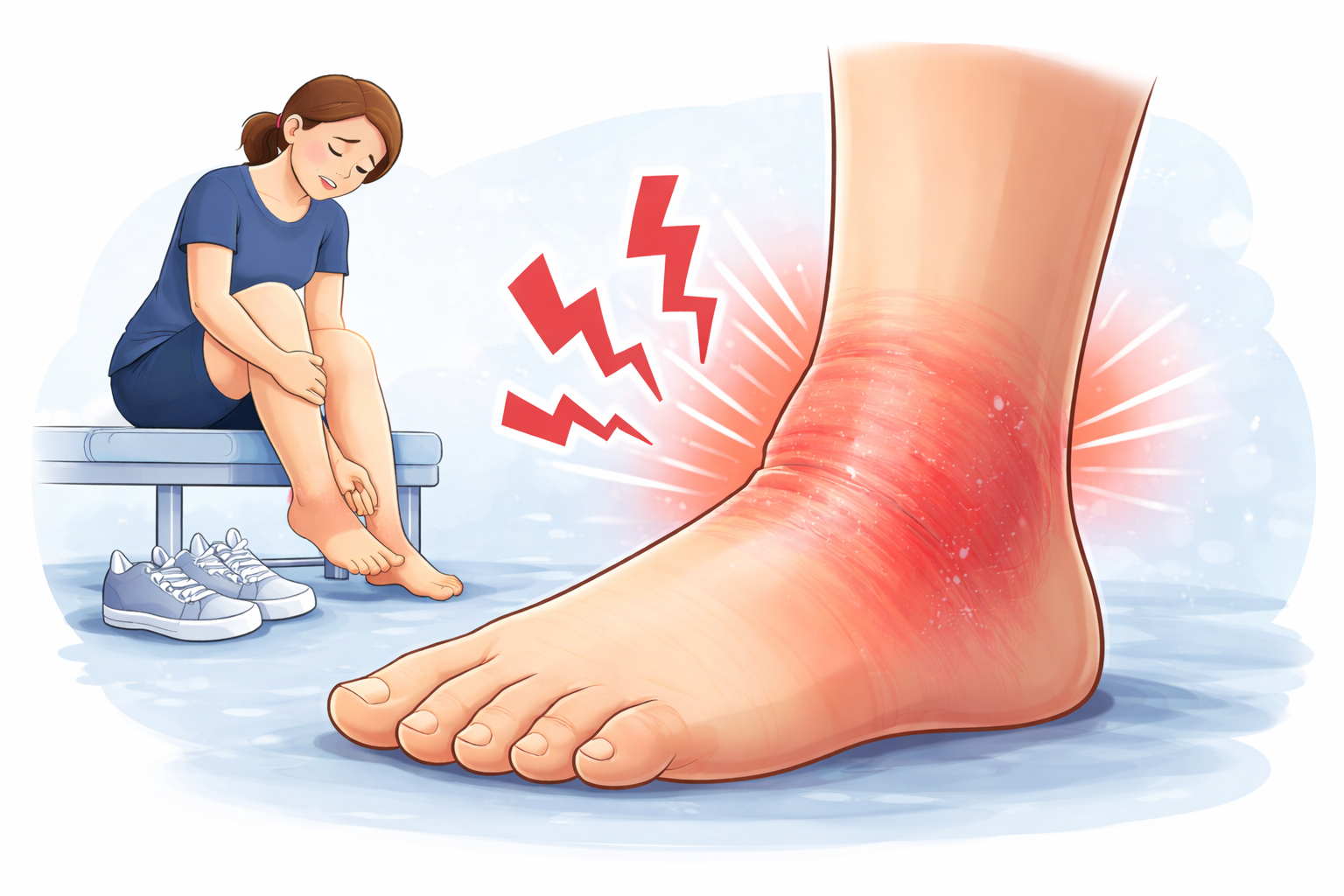
Understanding Toe Nail Fungus
Nail fungus is a type of fungal infection that commonly targets the toenails, though fingernails can also be affected. These infections thrive in moist environments, making sweaty shoes, damp socks, and public showers common sources of exposure.
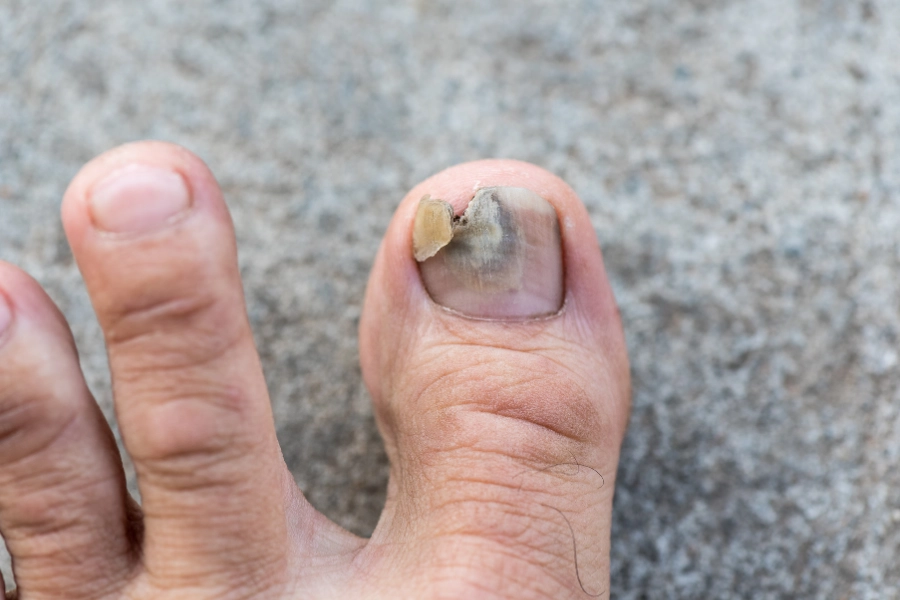
When a fungal nail infection takes hold, you might notice your toenail becoming thickened, yellow, or even brown, and the nail may start to crumble or separate from the nail bed. Poor circulation, excessive sweating, and certain skin conditions—like athlete’s foot—can all increase your risk of developing toenail fungus. If you suspect you have a fungal nail infection, it’s important to consult a healthcare provider.
They can recommend the best way to treat nail fungus, which may include oral antifungal medications, topical treatments, or even laser treatments for stubborn cases. Early intervention can help prevent the infection from spreading to other nails or causing further discomfort.
5 Causes of Toenail Fungus
1. Moist Environments and Public Spaces
Fungi thrive in warm, moist areas. Moist places, such as those that are dark and humid, provide ideal environments for fungi to grow and are commonly found in everyday settings. That’s why places like locker rooms, gym showers, and swimming pools are prime spots for developing nail fungus. Walking barefoot in these areas increases your risk of fungal nail infections.
Even at home, keeping your feet hot and damp inside tight-wear shoes or not changing socks frequently enough can create the perfect breeding ground for fungi.
Prevention tip: Always wear flip flops in public showers, keep your feet dry, and change socks frequently if you sweat excessively.
2. Sharing Nail Tools or Visiting Unsanitary Nail Salons
Using unclean or shared nail clippers or tools that aren’t properly disinfected can spread toenail fungal infections. Nail salons that don’t follow strict sterilization practices also increase the chance of contracting a fungal infection.
Since fungi can live on surfaces, even a simple trim with contaminated clippers can leave you with an infected nail.
Prevention tip: Never share nail clippers, and if you go to salons, ensure they disinfect tools between clients.
3. Nail Injuries and Pressure on the Nail Bed
An injury to the nail or nail bed creates small openings where fungi can enter. Repeated trauma—like pressure from running or wearing tight shoes—weakens the nail’s defenses.
Athletes are especially prone to this, especially if they also struggle with athlete’s foot, a skin infection that can spread to toenails. This skin infection is called athlete’s foot and commonly affects the skin between the toes and on the feet.
Prevention tip: Treat athlete’s foot promptly, wear properly fitted shoes, and keep nails trimmed to reduce pressure and injury risk.
4. Weakened Immune System or Poor Circulation
Your immune system plays a huge role in protecting against infections. People with a suppressed immune system—from conditions like diabetes, aging, or other serious infections—are more likely to develop stubborn toenail fungus.
Poor circulation also makes it harder for your body to fight off fungal infections, allowing mild infections to turn into severe cases.
Prevention tip: Keep your overall health in check, manage chronic conditions, and see a healthcare provider if you notice persistent nail changes.
5. Nail Products and Lifestyle Factors
Sometimes, beauty habits unintentionally make things worse. Wearing nail polish for long periods can trap moisture, while leaving hands wet frequently (such as with certain jobs) creates ideal fungal conditions.
Lifestyle habits like not keeping nails clean, failing to disinfect tools, or excessive sweating also raise the risk of fungal nail infections.
Prevention tip: Give your nails breaks from polish, keep them clean and dry, and always disinfect tools before use.
Complications of Untreated Fungal Nail Infection

Leaving a fungal nail infection untreated can lead to a range of complications that go beyond just the appearance of your nails. Over time, the infection can cause significant pain, make it difficult to walk, and even spread to other nails or the surrounding skin.
In severe cases, the fungus can lead to persistent foot problems or secondary fungal infections in the skin, which may require more intensive treatment. Individuals with weakened immune systems, such as those with diabetes or on immunosuppressive medications, are at greater risk for developing serious complications from fungal nail infections.
To prevent nail fungus from taking hold or worsening, it’s crucial to practice good foot hygiene, keep your nails trimmed, and avoid sharing personal care items like nail clippers. Addressing the infection early can help you avoid these complications and keep your feet healthy.
How a Podiatrist Can Treat Toenail Fungus
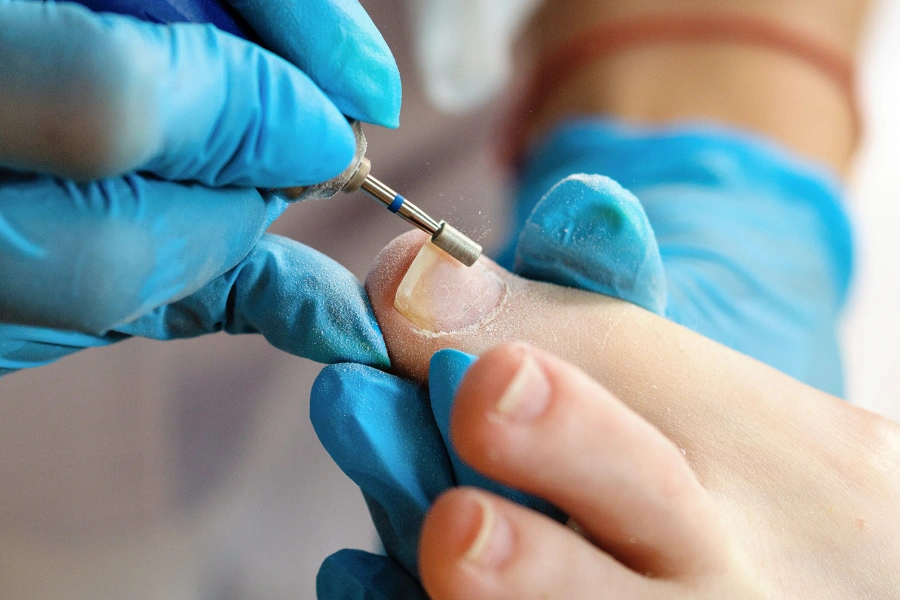
If you notice an infected nail that looks thickened, discolored, or brittle, it’s time to see a podiatrist. Treatment options vary depending on the severity:
Oral antifungal medications – Often prescribed for stubborn or severe cases. Antifungal tablets are a common prescription option, especially when topical treatments are not effective.
Topical treatments – Creams, medicated nail polish, and other antifungal solutions for mild infections.
Laser treatments – A modern option to directly target fungal nail infections.
Other treatments – Nail removal may be considered in severe cases where the nail won’t heal. In such cases, a new nail will grow in its place after removal. If initial treatments are ineffective, other medications may also be considered.
While home remedies such as apple cider vinegar soaks are often mentioned, medical treatment remains the most reliable way to eliminate toenail fungus fully. At Evolve Health, our providers guide patients through the safest and most effective treatment options, ensuring results that last.
We also help patients navigate coverage details through our insurance information, so they know what treatments are supported by their plan.
Conclusion
Toenail fungal infections can be stubborn, but they’re preventable and treatable with the right care. By avoiding high-risk environments such as public showers and locker rooms, practicing good foot hygiene like keeping your feet clean and dry, and seeking help from a healthcare provider early, you can stop fungi from spreading and keep your feet healthy.
Additionally, wearing breathable shoes, changing socks frequently, and disinfecting nail tools regularly are important steps to reduce your risk. Early treatment improves the chances of successful recovery and helps prevent the infection from affecting other nails or causing complications.
FAQs
What does toenail fungus look like?
An affected nail may appear thickened, yellow, brittle, or distorted in shape. Sometimes the infection spreads to other nails if untreated.
Is toenail fungus contagious?
Yes. Fungal infections can spread through shared nail tools, locker rooms, and direct contact with contaminated surfaces.
Can I still wear nail polish if I have toenail fungus?
It’s best to avoid polish during treatment since it can trap moisture and worsen the infection.
When should I see a healthcare provider?
If your nails become painful, thick, or discolored—or if you have diabetes or poor circulation—see a podiatrist promptly.
Can toenail fungus come back after treatment?
Yes. Even after oral antifungals or laser treatments, fungi can return if prevention steps like disinfecting tools and keeping nails clean aren’t followed.